
Dogs Central Breed Guide
Italian Greyhound Breed Guide
Graceful, affectionate, athletic and famously devoted to their people, Italian Greyhounds pack an extraordinary amount of personality into a very slender little dog. This complete guide explores what it is really like to live with an Italian Greyhound—from temperament, training and housebreaking to exercise, grooming, health, feeding, family life, rescue and adoption.
If you are considering an Italian Greyhound puppy or adult dog, the most important question is not simply whether you love the breed’s elegant appearance. It is whether this sensitive, people-oriented little sighthound is a good match for your home, schedule and expectations. Italian Greyhounds can be wonderful companions, but they are not miniature dogs with miniature needs.
Italian Greyhound at a Glance
| Breed group | Toy breed; a small sighthound |
|---|---|
| General size | Small, fine-boned and lightweight, with long legs and a streamlined body |
| Temperament | Affectionate, sensitive, playful, alert and strongly attached to family |
| Energy level | Moderate overall, with impressive bursts of speed and playful activity |
| Coat | Very short, smooth and fine |
| Grooming | Low-maintenance coat; nails and dental care require particular attention |
| Training | Intelligent and responsive to gentle, reward-based training; house training can require patience |
| Best suited to | People who want a close companion and can provide warmth, supervision, safe exercise and consistent training |
| Important considerations | Cold sensitivity, dental care, leg injuries, prey drive, separation-related distress in some dogs and challenging house training |
History and Origins of the Italian Greyhound
The Italian Greyhound is an ancient small sighthound whose ancestors appear in art and archaeological evidence dating back many centuries. Small greyhound-type dogs became particularly associated with European nobility and were especially fashionable in Renaissance Italy, which helped give the breed its modern name.
Although today’s Italian Greyhound is primarily a companion, the breed retains unmistakable sighthound characteristics: keen visual awareness, remarkable acceleration, a desire to chase moving things and an elegant body built for speed. Understanding that heritage explains much about modern Italian Greyhound behavior.
They are not simply decorative lapdogs. Underneath the fine coat and delicate appearance is a real athlete—and one whose instincts deserve respect.
Italian Greyhound Size and Appearance
Italian Greyhounds have the graceful outline of a much larger sighthound in a compact package. Their long, slender legs, deep chest, tucked abdomen, narrow head and curved topline give them an immediately recognizable silhouette.
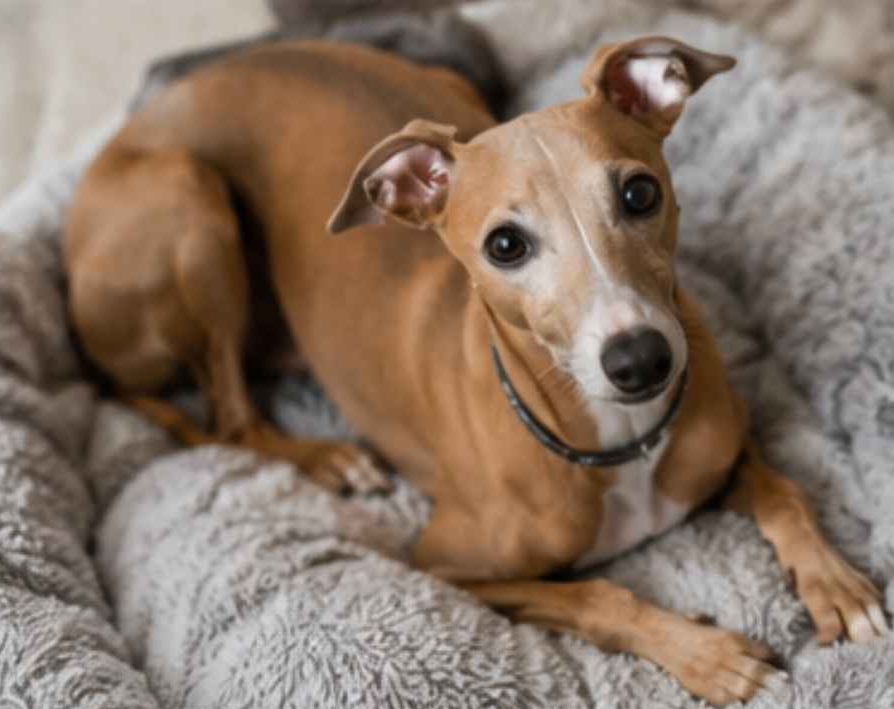
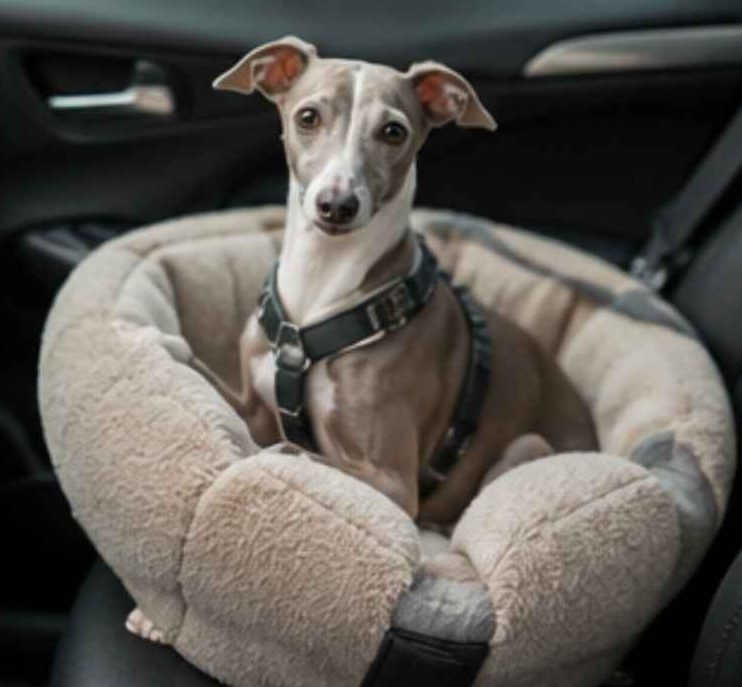
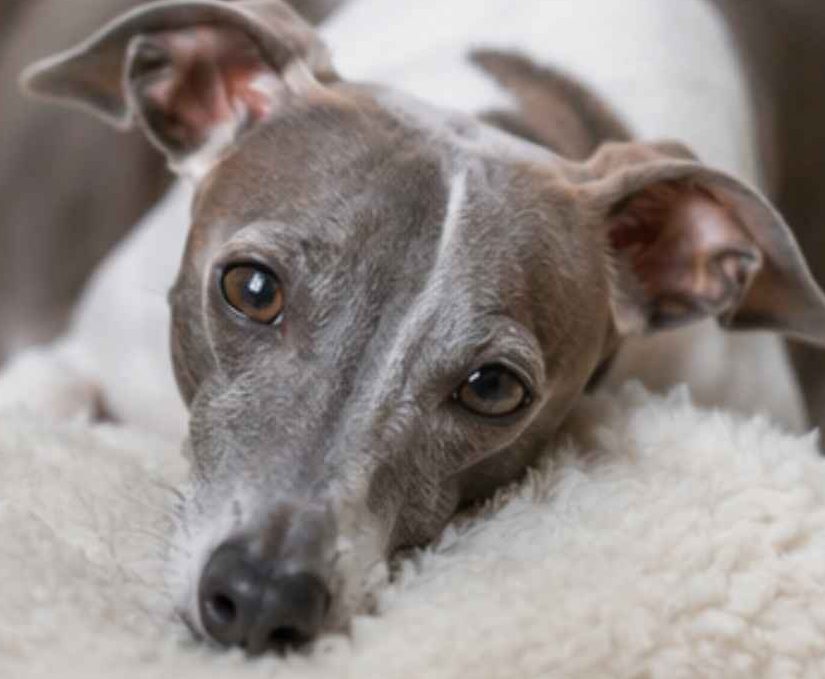
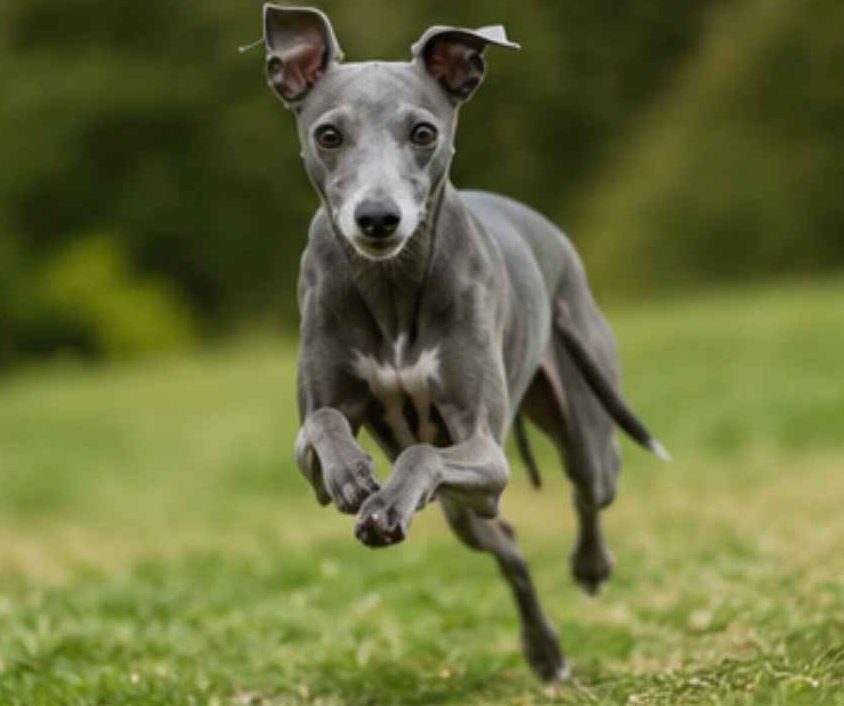
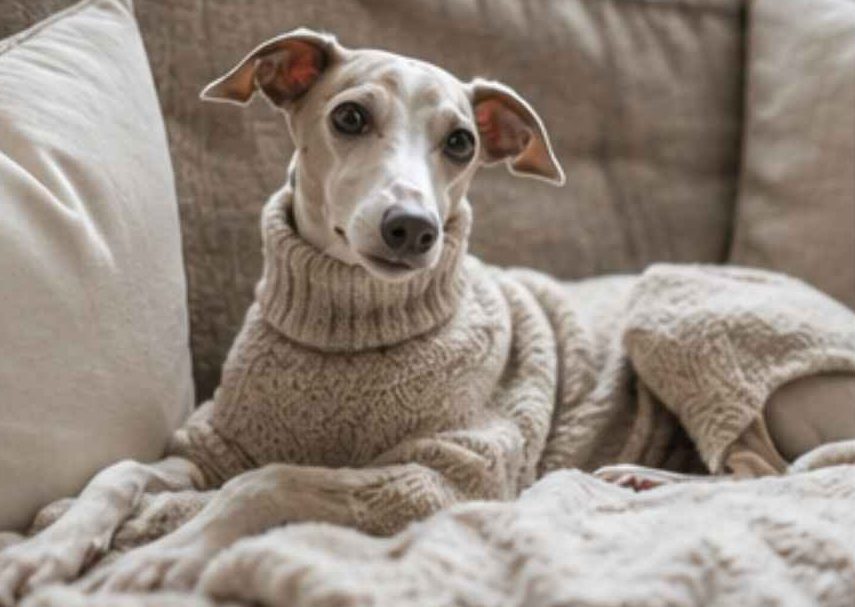
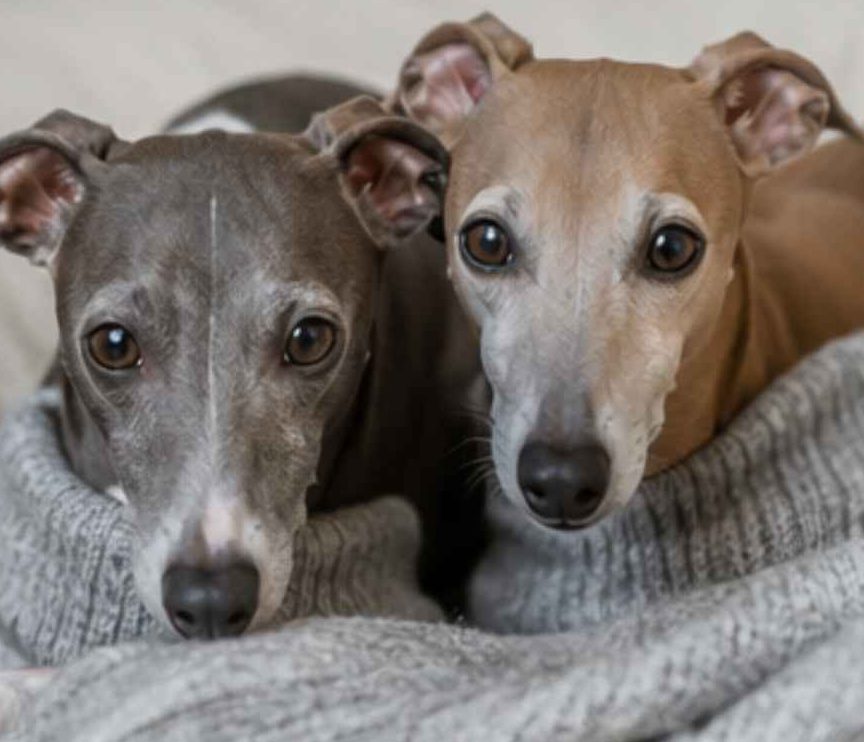
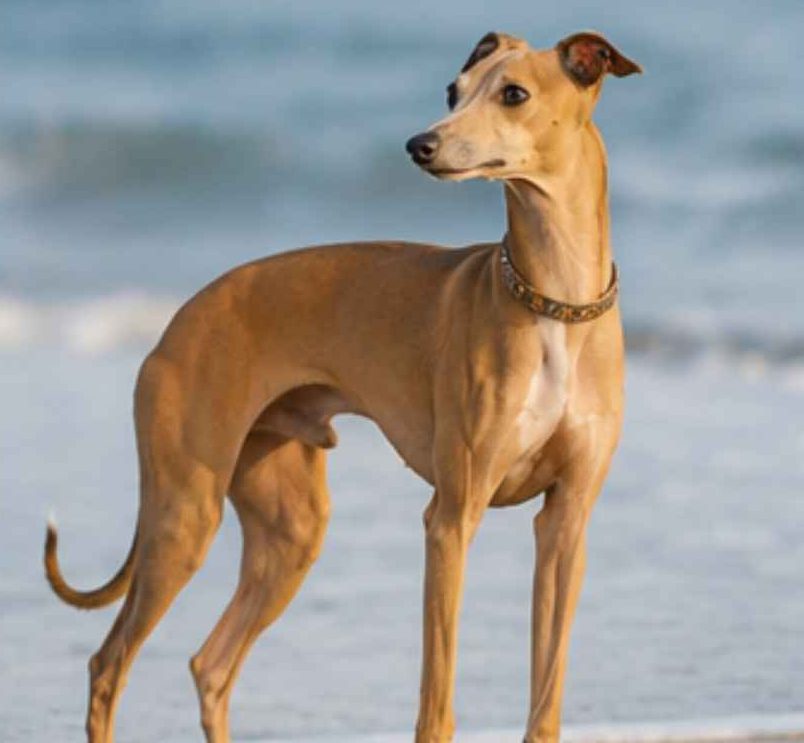
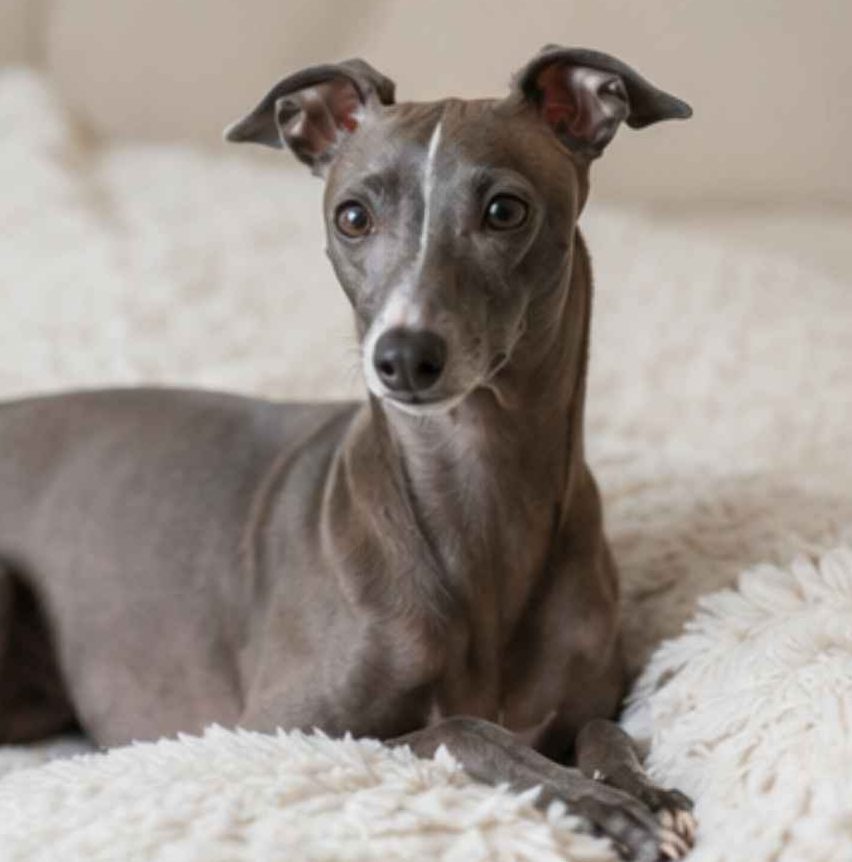
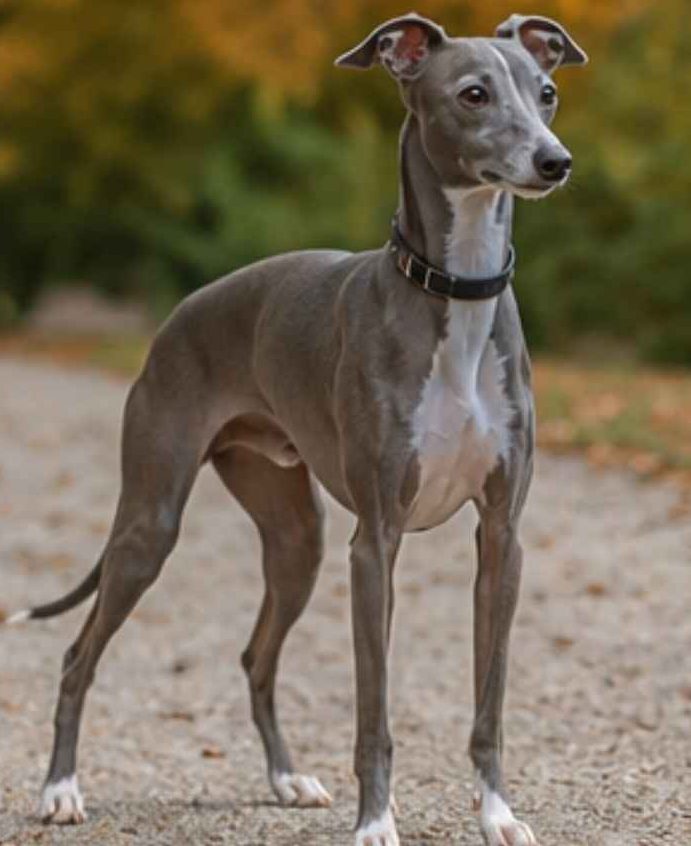
The coat is extremely short and lies close to the body. Because there is so little insulation, an Italian Greyhound’s elegant appearance comes with a practical consequence: many become uncomfortable in cold, wet or windy weather much sooner than heavier-coated breeds.
Fine-boned does not mean weak, but it does mean owners need to think carefully about falls, rough play and unsafe jumping—particularly with puppies and adolescents.
Italian Greyhound Temperament and Personality
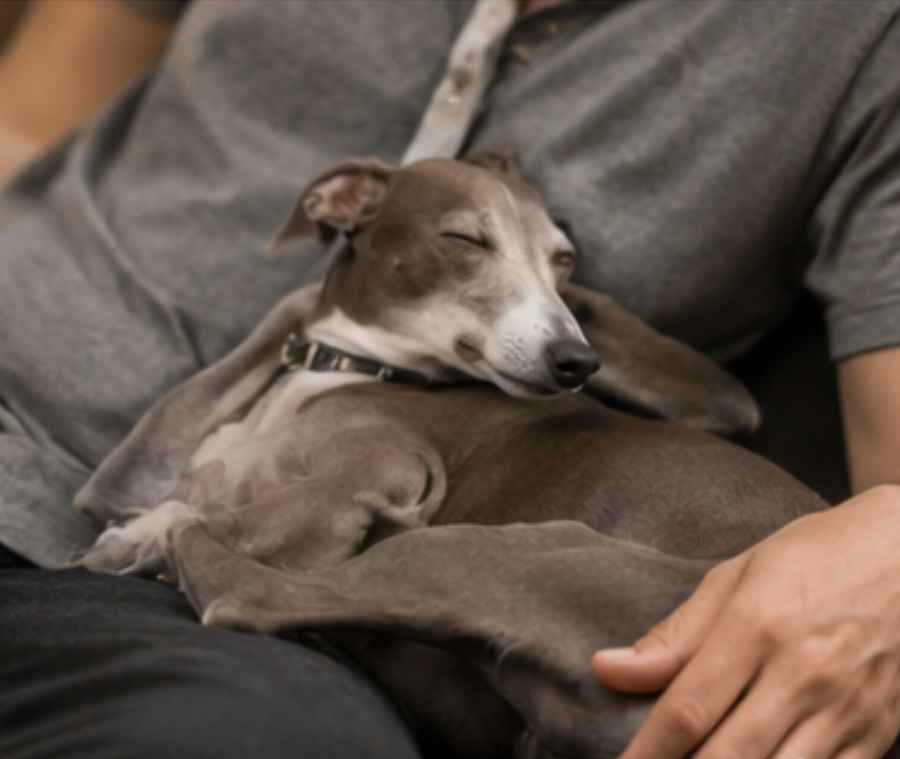
Affection is one of the defining Italian Greyhound traits. Many want to be physically close to their favorite people and will happily burrow under a blanket, curl against a warm body or follow someone from room to room. For people who want an independent dog that spends much of the day doing its own thing, this intensity of companionship may be surprising.
Italian Greyhounds tend to be emotionally sensitive. Harsh corrections can make training harder rather than easier. Calm routines, clear expectations and rewards for desired behavior usually suit the breed far better.
They can also be comical. A relaxed adult may look impossibly dignified one moment and race around the room in a burst of exuberance the next. Many remain playful well into adulthood.
Are Italian Greyhounds shy?
Some are naturally reserved with unfamiliar people, while well-socialized individuals may be outgoing. Genetics, early socialization and life experience all matter. A puppy should be introduced gradually and positively to different people, surfaces, sounds, environments and everyday experiences without being overwhelmed.
Do Italian Greyhounds like to cuddle?
Many do—enthusiastically. Their desire for warmth and closeness makes them accomplished blanket burrowers. Individual personalities vary, however, and affection should always be invited rather than forced.
Are Italian Greyhounds Good Family Dogs?
Italian Greyhounds can thrive in families that understand their physical and emotional needs. The key consideration is not whether children and Italian Greyhounds can live together—they certainly can—but whether interactions will be calm, respectful and appropriately supervised.
Because of the breed’s fine legs and relatively delicate build, uncontrolled roughhousing can be risky. Young children should never carry, chase, corner or climb on a dog. Adults should supervise interactions and teach children how to invite a dog to approach, pet gently and leave a resting dog alone.
For households with very active young children, a sturdier breed may sometimes be an easier fit. Families with older, dog-savvy children may find the Italian Greyhound a delightful companion.
Italian Greyhounds With Other Dogs, Cats and Pets
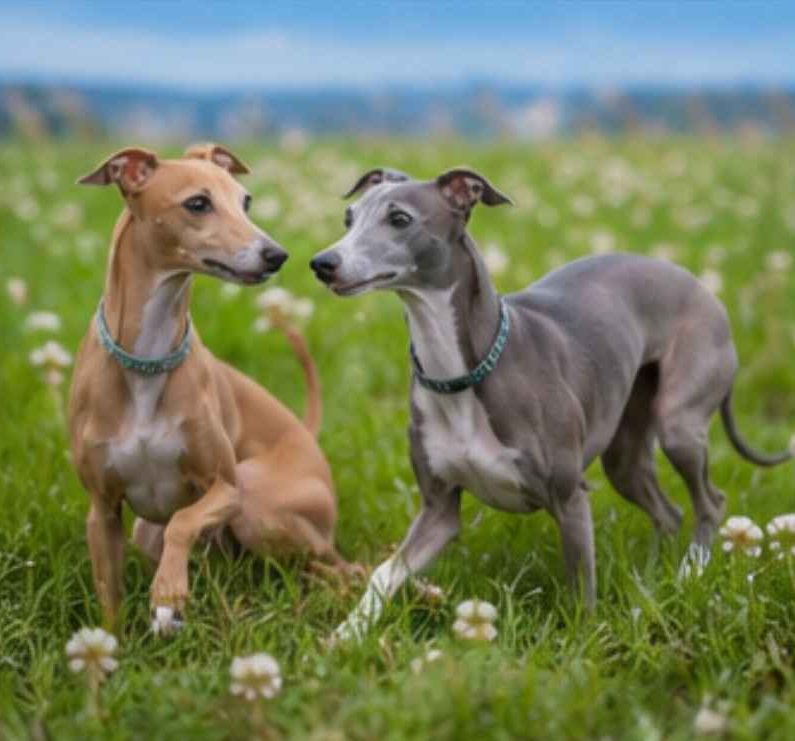
Many Italian Greyhounds enjoy canine company, and some owners find that two compatible dogs provide companionship and opportunities for play. Size and play style matter. A much larger, boisterous dog can accidentally injure a small Italian Greyhound even when both dogs are friendly.
Italian Greyhounds can also live successfully with cats, particularly when raised with them and carefully introduced. Their sighthound heritage means prey drive cannot be ignored, however. A dog who peacefully sleeps beside a familiar household cat may still chase an unfamiliar animal outdoors.
Small pets such as rodents or rabbits require especially careful management. Never assume that friendliness toward people or dogs eliminates predatory instinct.
Training an Italian Greyhound
Italian Greyhounds are intelligent, but successful training depends heavily on approach. They generally respond best when learning is rewarding, predictable and broken into manageable steps. Food rewards, play and praise can all be useful depending on the individual dog.
Early priorities should include name response, recall foundations, comfortable handling, leash skills, settling calmly, waiting at doors and accepting brief periods apart from family members. Training should also include cooperative nail and dental care because both will matter throughout the dog’s life.
Recall and off-leash safety
A reliable recall is valuable, but an Italian Greyhound’s speed and chase instinct make secure environments important. A squirrel or rabbit can trigger pursuit before an owner has time to react. Fenced areas provide a safer place for free running than unfenced spaces near roads or wildlife.
Preventing escape
Check fencing for gaps and think in three dimensions: these dogs can be quick, agile and surprisingly determined. Door manners are also worth teaching from puppyhood. Identification and a properly fitted collar or harness provide additional safeguards.
House Training an Italian Greyhound
House training is one of the breed topics prospective owners should understand before bringing an Italian Greyhound home. Some learn quickly; others require considerably more consistency, particularly when weather is unpleasant.
Success usually comes from management rather than punishment. Take the dog to the appropriate toilet area frequently, reward success immediately, supervise closely indoors and learn the individual’s signals. Puppies need more frequent opportunities than adults and should not be expected to wait beyond their developmental ability.
Cold rain, snow and wind can make outdoor toileting less appealing to a thin-coated dog. A sheltered toilet area, appropriate coat and consistent routine can help. Some households choose an indoor toilet option, but whatever system is used should be taught clearly and consistently.
Italian Greyhound Exercise and Play
Italian Greyhounds are small, but they are not inactive. Most benefit from daily walks, play, opportunities to sniff and regular chances to move freely in a secure area. Exercise should combine physical activity with mental enrichment rather than relying on endless high-impact running.
Adults can be impressive sprinters. Indoors, many are equally committed to finding the warmest available blanket. This ability to switch between activity and relaxation is one reason the breed can work well in smaller homes when its needs are met.
Exercise for puppies
Puppies require special care while bones and coordination develop. Avoid encouraging reckless jumping from furniture, repeated high-impact activity or rough play with much larger dogs. Safe exploration, short training sessions and age-appropriate play are better than trying to tire a puppy through strenuous exercise.
Can Italian Greyhounds Live in Apartments?
Yes. Italian Greyhounds can be excellent apartment companions when their exercise, toileting and enrichment needs are met. Square footage is usually less important than routine and access to appropriate activity.
Potential challenges include alert barking, difficulty with bad-weather toilet trips and distress when left alone for longer than an individual dog can comfortably manage. Apartment residents should also consider elevator and stair routines, nearby safe walking areas and whether there is a secure place for occasional running.
Can an Italian Greyhound be left alone?
Italian Greyhounds are highly social dogs, and some struggle with prolonged isolation. Independence should be built gradually from puppyhood through calm, positive practice. A dog should learn that brief departures are normal rather than experiencing its first significant separation only when the household suddenly returns to a full workday schedule.
Italian Greyhounds in Cold Weather
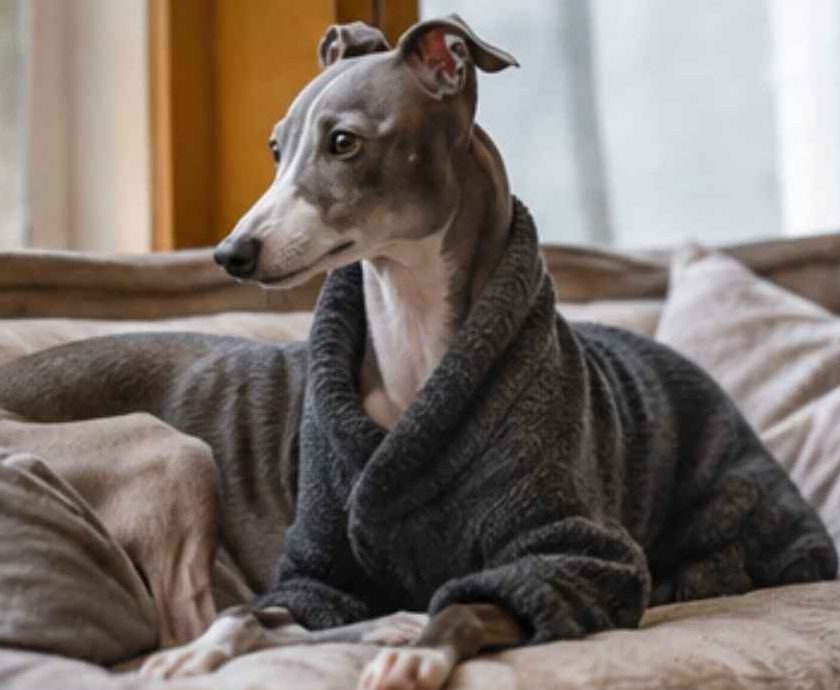
Cold tolerance is a genuine practical issue for this breed. Italian Greyhounds have very little body fat and an extremely short coat, so many need protective clothing outdoors in cool conditions and should not be expected to remain outside in severe weather.
A well-fitting sweater or coat can make walks and toilet trips much more comfortable. In wet or very cold climates, owners may need several options so the dog always has something dry available.
Heat deserves attention too. Exercise should be adjusted during hot weather, with access to shade and fresh water. Like any dog, an Italian Greyhound should never be left in a hot vehicle.
Italian Greyhound Grooming and Shedding
The Italian Greyhound’s coat is refreshingly simple to maintain. A soft grooming mitt or gentle brush can remove loose hair and help keep the skin and coat in good condition. Baths are usually needed only when the dog is dirty.
They do shed, despite their extremely short coat, although the amount may seem modest compared with many longer-coated breeds. There is no truly hypoallergenic dog breed, so people with allergies should spend time around Italian Greyhounds before making a commitment.
Nail care
Nails deserve close attention. Long nails can alter footing and make movement less comfortable. Frequent, careful trimming or grinding can keep them appropriately short. Teaching cooperative nail handling from puppyhood makes routine maintenance much easier.
Italian Greyhound Dental Care
Dental health should be treated as a core part of Italian Greyhound care rather than an occasional extra. Small breeds can be prone to dental disease, and Italian Greyhounds are well known among experienced owners for requiring attentive oral care.
Regular tooth brushing with dog-safe toothpaste is one of the most useful habits an owner can establish. Veterinary dental examinations are also important, and some dogs will require professional cleaning based on their individual oral health.
Begin gently. Handling the muzzle, lifting the lips and touching the teeth can be taught in tiny, rewarded steps so dental care becomes routine rather than a wrestling match.
Feeding an Italian Greyhound
Italian Greyhounds need a complete and balanced diet appropriate to their life stage, activity and individual health. The correct amount depends on the food’s calorie density and the dog’s size, age, metabolism and exercise level rather than a universal cup measurement.
Because this is naturally a lean breed, owners sometimes find body condition difficult to judge. A veterinarian can help distinguish a healthy sighthound physique from a dog who is genuinely underweight or overweight.
Treats are useful for training but still contribute calories. Keeping treats small allows plenty of reinforcement without unintentionally replacing a substantial part of the dog’s balanced diet.
Italian Greyhound Health and Common Concerns
Italian Greyhounds can live long, active lives, but every prospective owner should understand the health issues seen in the breed. Responsible breeding, preventive veterinary care, appropriate body condition and prompt attention to changes in behavior or mobility can all make a meaningful difference.
Leg fractures and orthopedic injuries
The breed’s slender legs are a particular concern, especially during puppyhood and adolescence. Falls from furniture, collisions and rough play can cause serious injury. Owners should create a home environment that discourages dangerous leaps and supervise interactions with larger dogs and children.
Dental disease
Dental problems are another major consideration. Home brushing, veterinary examinations and professional care when recommended should be budgeted as normal ownership expenses rather than unexpected extras.
Eye and inherited health concerns
Italian Greyhounds can be affected by inherited eye and other health conditions. Anyone buying a puppy should ask a breeder which health screenings are performed on breeding dogs and request verifiable results rather than accepting vague assurances that the parents are healthy.
Seizures and other medical conditions
Seizure disorders and other conditions can occur in the breed. Symptoms such as collapse, unexplained weakness, persistent pain, sudden behavioral changes or abnormal movement warrant veterinary attention.
Italian Greyhound Lifespan and Senior Years
Italian Greyhounds are generally a long-lived breed, and sharing life with one can be a commitment extending well into the dog’s senior years. Individual lifespan depends on genetics, health, accidents, preventive care and many other factors.
Older Italian Greyhounds may need adjustments such as softer bedding, warmer clothing, easier access to favorite furniture, more frequent veterinary checks and changes to exercise. Muscle maintenance remains important, so aging does not automatically mean eliminating activity.
Dental health, mobility, vision, hearing, body weight and cognitive changes deserve particular attention as a dog ages. Small changes noticed early can sometimes be managed more effectively than problems allowed to progress unnoticed.
Italian Greyhound Puppies
Italian Greyhound puppies are charming, energetic and capable of getting themselves into trouble remarkably quickly. Puppy-proofing should include more than protecting electrical cords and shoes. Owners need to think about height, slippery surfaces, open stairs, gaps in railings and furniture from which a puppy might launch itself.
Socialization should build confidence rather than simply expose a puppy to as many things as possible. Pair new experiences with safety, distance and rewards, allowing the puppy to observe without forcing interaction.
A good puppy routine includes frequent toilet breaks, short training sessions, safe play, plenty of sleep, gentle handling practice and gradually introduced alone time.
Choosing a responsible Italian Greyhound breeder
A responsible breeder should care as much about where puppies go as prospective owners care about choosing a puppy. Expect questions about your household and lifestyle. Ask about temperament, longevity and health in the family line, health testing of breeding dogs, puppy socialization and what support is available after the puppy goes home.
Be cautious of sellers who always have puppies immediately available, will not discuss health screening, avoid showing how puppies are raised, pressure buyers to pay quickly or treat shipping a puppy like an ordinary retail transaction.
Is an Italian Greyhound Right for You?
An Italian Greyhound may be an excellent choice if you want a small dog who forms a close bond, enjoys cuddling, can be playful and athletic, has minimal coat-maintenance needs and fits comfortably into a smaller home.
The breed may be a poor fit if you want a rugged little dog for uncontrolled play with young children, expect effortless house training, dislike dogs on furniture or under blankets, need a dog to spend long periods alone, or cannot provide secure exercise and careful management around traffic and prey animals.
An Italian Greyhound may suit you if:
- You enjoy having a dog closely involved in everyday family life.
- You can use patient, reward-based training.
- You are prepared for diligent dental and nail care.
- You can protect a small, fine-boned dog from unsafe falls and rough play.
- You have realistic expectations about house training.
- You can provide warm clothing and sensible weather protection where needed.
- You can provide secure opportunities for exercise and running.
You may want to consider another breed if:
- You prefer a highly independent companion.
- Your dog would routinely be left alone for very long periods.
- Your household involves uncontrolled rough play.
- You want a dog who can safely roam off leash in unfenced areas.
- You are unwilling to manage the extra challenges that cold weather and house training can bring.
Italian Greyhound Rescue, Adoption and Rehoming
Buying a puppy is not the only way to welcome an Italian Greyhound into your life. Breed-specific rescues, all-breed rescue organizations, shelters and carefully arranged private adoptions may have Italian Greyhounds or Italian Greyhound mixes needing homes.
Adopting an adult has advantages. Size and physical development are already apparent, and foster caregivers may be able to describe the dog’s house manners, energy, sociability and comfort with other pets. A rescue dog’s history may not always be completely known, so adopters should be prepared to give the dog time to settle and learn a new routine.
Need to rehome an Italian Greyhound?
Sometimes a loving owner must find a new home for a dog because of circumstances beyond their control. Responsible rehoming should focus on finding a genuinely suitable adopter rather than simply transferring the dog as quickly as possible.
Be honest about the dog’s health, temperament, house-training history, behavior around children and animals, and any separation or anxiety concerns. Screen prospective adopters carefully, arrange a safe meeting, transfer veterinary records and use a written adoption agreement.
Italian Greyhound Frequently Asked Questions
Are Italian Greyhounds good pets?
They can be exceptional companions for people who appreciate a sensitive, affectionate and physically delicate small sighthound. They are less suitable for households expecting a rugged, independent or effortlessly house-trained dog.
Do Italian Greyhounds bark a lot?
Some are relatively quiet while others are alert barkers. Individual temperament, environment, boredom and learned behavior all influence barking.
Are Italian Greyhounds hard to potty train?
The breed has a reputation for challenging house training, particularly in unpleasant weather. Consistent scheduling, supervision, immediate rewards and realistic expectations are important.
Do Italian Greyhounds shed?
Yes. Their coat is extremely short, so shedding may be less conspicuous than with many longer-coated breeds, but they are not non-shedding dogs.
Are Italian Greyhounds hypoallergenic?
No dog breed is truly hypoallergenic. People with dog allergies should spend time with the breed before committing to ownership.
Do Italian Greyhounds need sweaters?
Many benefit from sweaters or coats in cool and cold weather because their short coat and lean body provide little insulation. The appropriate protection depends on temperature, wind, precipitation and the individual dog.
Are Italian Greyhounds good apartment dogs?
They can adapt very well to apartments when given daily exercise, enrichment, reliable toilet opportunities and appropriate training for barking and time alone.
Can Italian Greyhounds live with cats?
Many can, especially with careful introductions or when raised together. Because Italian Greyhounds are sighthounds, owners should still take prey drive seriously.
Are Italian Greyhounds good with children?
They can be good companions for respectful children, but their fine-boned build makes supervision essential. Rough handling, carrying and uncontrolled play can lead to injury.
Can Italian Greyhounds be off leash?
Their speed and instinct to chase moving animals make unfenced off-leash areas risky. Securely fenced spaces are generally a safer option for free running.
Do Italian Greyhounds need a lot of exercise?
They need regular daily activity and opportunities to run safely, but they are also famous for enjoying long periods of comfortable relaxation. Mental enrichment and training are important alongside physical exercise.
What is the biggest challenge of owning an Italian Greyhound?
That depends on the household, but prospective owners should be particularly prepared for house training, cold sensitivity, dental care, injury prevention and the breed’s strong attachment to people.
Continue Exploring Italian Greyhounds
This main breed guide is the starting point for our growing Italian Greyhound resource center. Dogs Central’s supporting guides explore the subjects that deserve more detail, including training, feeding and nutrition, grooming, health, puppies, rescue and adoption, and comparisons with other breeds.
As those resources are published, this guide can serve as the central hub connecting readers with the specific information they need—whether they are deciding if an Italian Greyhound is right for them, already share their home with one, or hope to adopt an Italian Greyhound in need of a new family.