
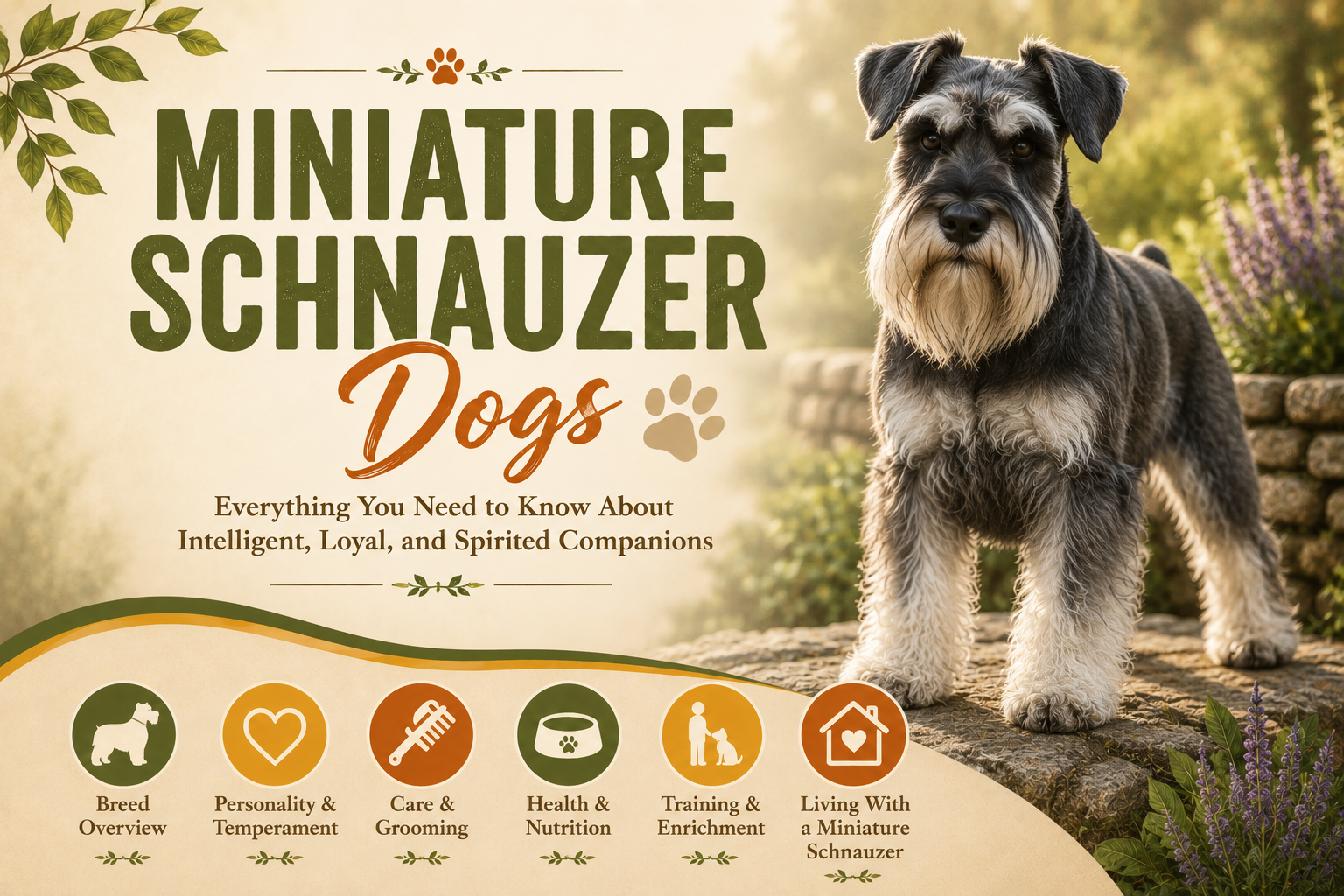
Introduction
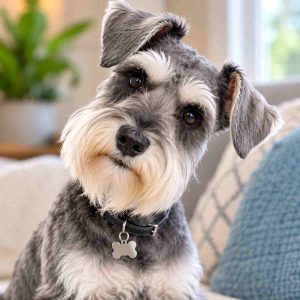
Smart, spirited, and unmistakably charming, the Miniature Schnauzer is one of the world’s most popular small companion dog breeds. Instantly recognizable by its distinctive beard, bushy eyebrows, and alert expression, this compact companion combines the confidence of a much larger dog with the convenience of a small, adaptable size. Whether patrolling the backyard, joining you on a neighborhood walk, or curling up beside you on the couch, the Miniature Schnauzer approaches life with enthusiasm and unwavering loyalty.
Originally developed in Germany as a versatile farm dog, the Miniature Schnauzer was bred to hunt rats, guard property, and work closely alongside its owners. Those working instincts remain evident today in the breed’s intelligence, curiosity, and eagerness to be involved in everything its family does. Miniature Schnauzers are quick learners, highly trainable, and thrive when given both mental challenges and regular exercise.
One of the breed’s biggest advantages is its low-shedding, wiry coat, which makes the Miniature Schnauzer a popular choice for people who prefer less loose hair around the home. While no dog is completely hypoallergenic, the breed typically sheds much less than many other small dogs. Regular brushing and professional grooming every five to eight weeks are essential to keep the coat healthy and maintain the Schnauzer’s signature appearance.
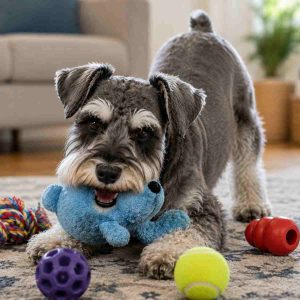
Miniature Schnauzers are affectionate, playful companions that generally get along well with children, adults, and other pets when properly socialized. Their adaptable nature allows them to thrive in apartments, suburban neighborhoods, and rural homes alike, provided they receive enough daily exercise, training, mental stimulation, and companionship. They are equally happy exploring walking trails, learning new tricks, or simply spending quality time with the people they love.
In this comprehensive DogPage breed guide, you’ll discover everything you need to know about Miniature Schnauzers, including their personality, companionship needs, exercise requirements, grooming, health concerns, feeding, training, and suitability for families, apartment dwellers, seniors, and first-time dog owners. You’ll also find practical advice on adoption and choosing a responsible breeder, helping you decide whether the lively and affectionate Miniature Schnauzer is the right match for your lifestyle.
Miniature Schnauzer at a Glance
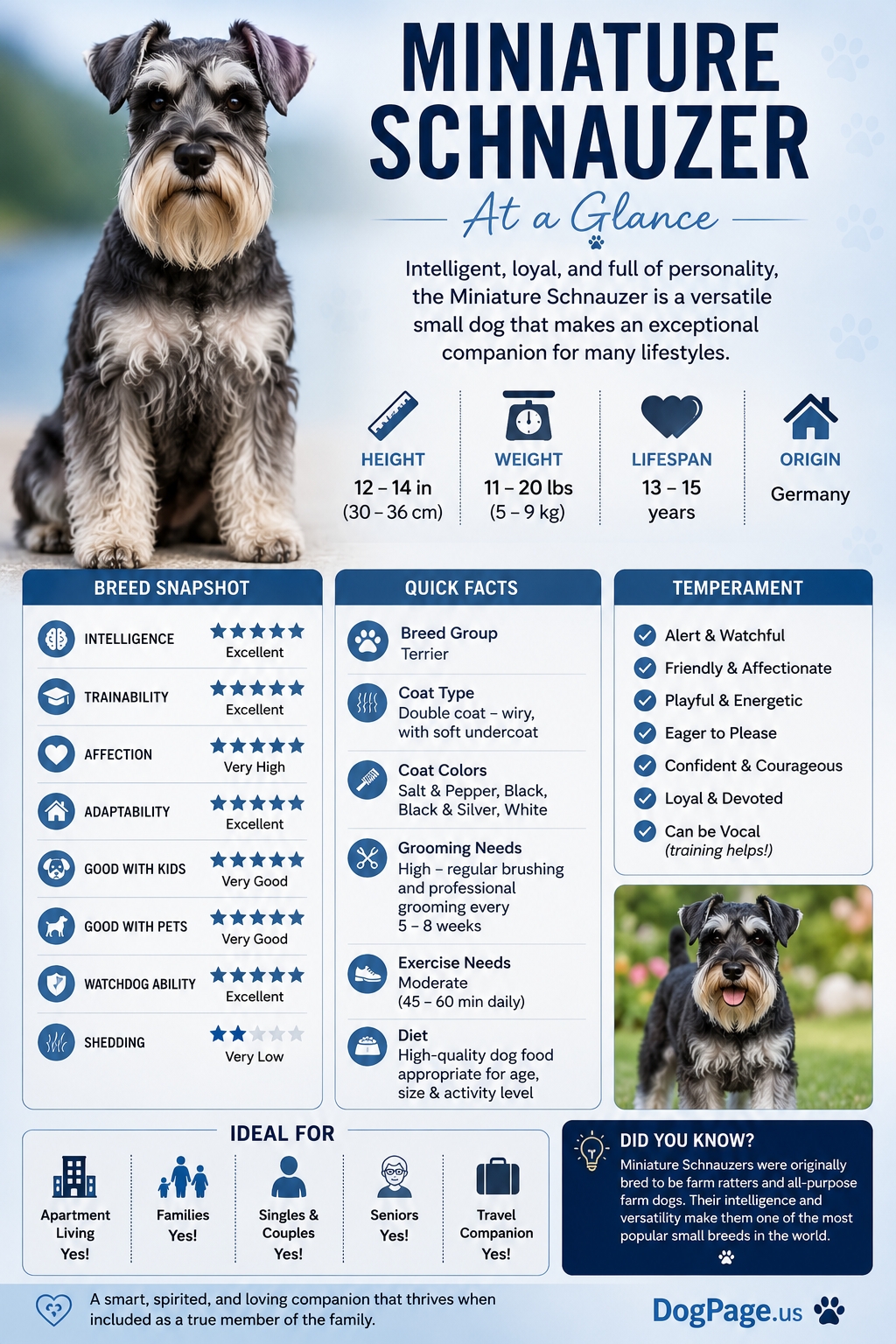
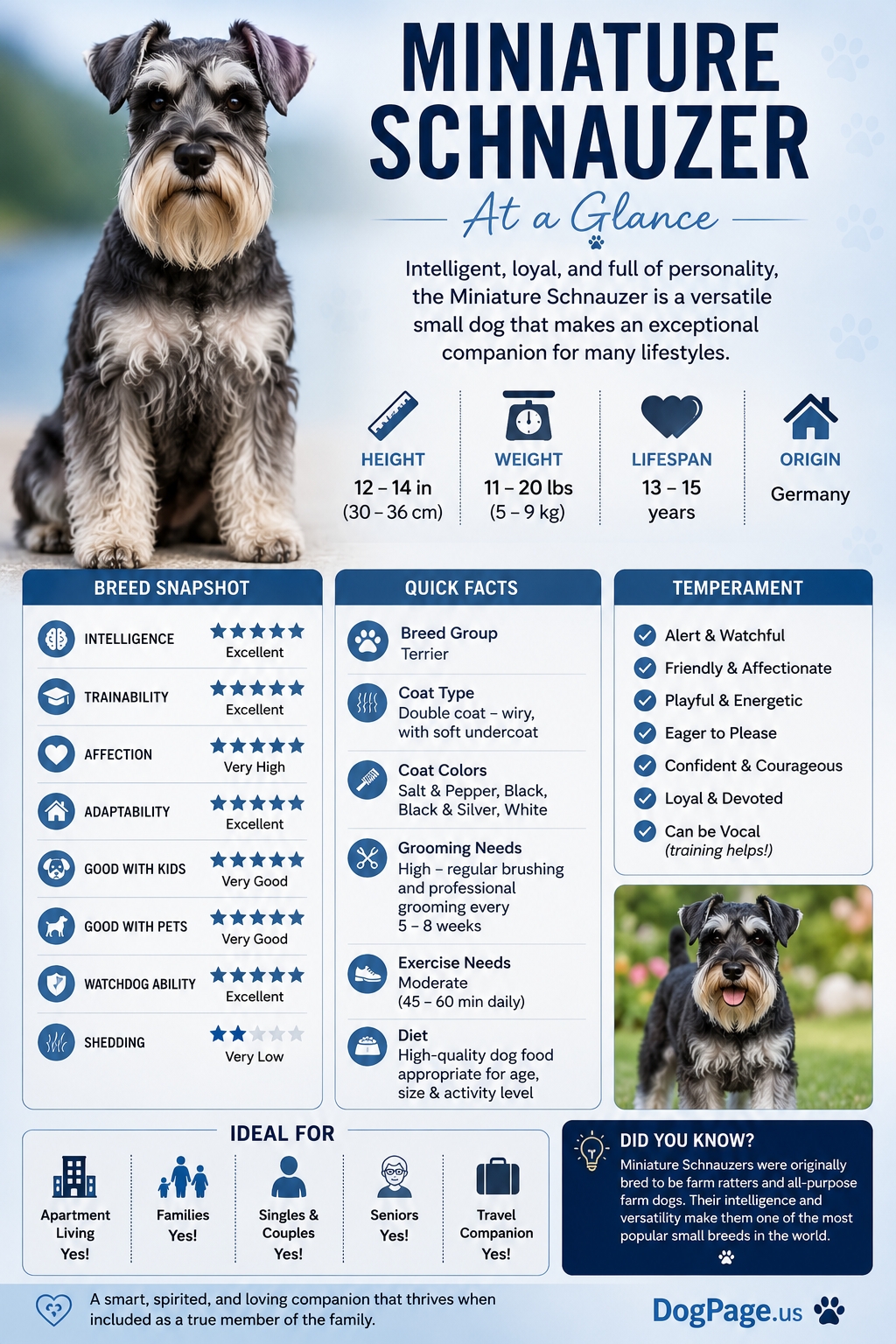
If you’re looking for a small dog with a big personality, the Miniature Schnauzer deserves a place near the top of your list. Intelligent, loyal, and full of character, these sturdy little dogs are equally at home in a city apartment or a country farmhouse. Their low-shedding coat, eagerness to learn, and affectionate nature have made them one of the world’s most beloved companion breeds.
| Breed Group | Terrier Group |
|---|---|
| Height | 12–14 inches (30–36 cm) |
| Weight | 11–20 pounds (5–9 kg) |
| Lifespan | 13–15 years |
| Coat Type | Double coat with a wiry outer coat and soft undercoat |
| Shedding | Low |
| Grooming Needs | High |
| Exercise Needs | Moderate |
| Trainability | Very High |
| Good With Children | Excellent with proper socialization |
| Good With Other Pets | Generally yes, especially when raised together |
| Apartment Friendly | Excellent |
| Barking Level | Moderate to High |
| First-Time Owners | Excellent choice |
🐾 DogPage Recommendation
The Miniature Schnauzer is one of the best all-around small dog breeds for active individuals, couples, families, and many seniors. Its intelligence, adaptability, low-shedding coat, and affectionate personality make it an outstanding companion for owners who can provide regular grooming, daily exercise, and plenty of interaction.
💡 Beginner Mistake to Avoid
Don’t mistake the Miniature Schnauzer’s small size for low energy. These bright, spirited dogs were bred to work and need daily walks, training, and mental stimulation to stay happy. Without enough activity, they can become bored and vocal.
DogPage Awards
The Miniature Schnauzer consistently ranks among the most versatile and rewarding small dog breeds. Intelligent, affectionate, adaptable, and full of personality, this bearded little companion excels in a wide variety of homes and lifestyles. While no breed is perfect for everyone, the Miniature Schnauzer earns several DogPage awards for its outstanding all-around qualities.
🥇 DogPage Gold Award: Best All-Around Small Companion Dog
The Miniature Schnauzer receives our Gold Award for combining intelligence, loyalty, trainability, adaptability, and a low-shedding coat into one remarkably well-rounded package. Whether you live in an apartment, a suburban home, or on a rural property, this breed adapts well provided it receives regular exercise, mental stimulation, and companionship.
🥈 DogPage Silver Award: Best Small Dog for First-Time Owners
Miniature Schnauzers are eager to please, highly intelligent, and generally respond well to positive reinforcement training. Their manageable size and affectionate nature make them an excellent choice for many first-time dog owners willing to invest time in training and regular grooming.
🏅 DogPage Recognition
- ⭐ Excellent family companion
- ⭐ Outstanding apartment dog with adequate daily exercise
- ⭐ One of the best low-shedding small breeds
- ⭐ Highly trainable and eager to learn
- ⭐ Excellent watchdog with keen awareness of its surroundings
- ⭐ Long lifespan and generally robust health with proper care
🐾 DogPage Recommendation
If you’re looking for a small dog that’s intelligent, entertaining, loyal, and adaptable, it’s difficult to go wrong with a Miniature Schnauzer. Few breeds combine so many desirable qualities while remaining compact enough for virtually any living situation.
💡 Beginner Mistake to Avoid
Don’t choose a Miniature Schnauzer simply because it sheds very little. Its coat requires regular brushing and professional grooming every five to eight weeks to keep it healthy and looking its best. Prospective owners should be prepared for this ongoing commitment.
Miniature Schnauzer Personality & Temperament

Confident, intelligent, and bursting with personality, the Miniature Schnauzer is often described as a “big dog in a small body.” Originally bred in Germany as an all-purpose farm dog, this spirited little breed retains the courage, curiosity, and determination of its working ancestors while adding an affectionate, people-loving nature that makes it a wonderful companion.
Miniature Schnauzers thrive on being involved in family life. They love knowing what’s happening around the home and are happiest when they can accompany their owners from room to room or join in daily activities. Loyal and devoted, they form strong bonds with their families and often choose a favorite person while remaining affectionate with everyone in the household.
Highly intelligent and eager to learn, Miniature Schnauzers excel in obedience training, agility, trick training, and interactive games. They respond best to positive reinforcement using praise, treats, and play. Their quick minds mean they learn new commands rapidly, but they also appreciate variety and mental challenges to keep training fun and engaging.
Although affectionate and playful, Miniature Schnauzers are also alert watchdogs. They are naturally attentive to unfamiliar sights and sounds and will usually bark to announce visitors or unusual activity. Early socialization and consistent training help ensure this protective instinct remains appropriate rather than becoming excessive.
Most Miniature Schnauzers are friendly and outgoing with people they know. With proper introductions and early socialization, they generally get along well with children, other dogs, and even cats. However, their history as skilled ratters means some individuals may still have a strong instinct to chase small animals such as rodents or rabbits.
Energetic without being hyperactive, the Miniature Schnauzer enjoys daily walks, games of fetch, puzzle toys, and opportunities to explore. After its exercise needs have been met, this adaptable little dog is equally content relaxing beside its family for the evening, making it a wonderful companion for a wide variety of households.
🐾 DogPage Recommendation
If you’re looking for a small dog that’s intelligent, affectionate, entertaining, and deeply devoted to its family, the Miniature Schnauzer is one of the finest choices available. It thrives with owners who enjoy interacting with their dog through training, play, and shared daily activities.
💡 Beginner Mistake to Avoid
Don’t mistake confidence for stubbornness. Miniature Schnauzers are independent thinkers, but they’re also eager to please. Patient, positive, and consistent training will bring out the very best in this clever breed, while harsh corrections can damage trust and reduce enthusiasm for learning.
Miniature Schnauzer Companionship Needs
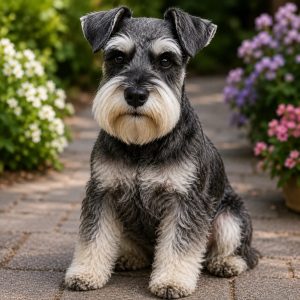
Miniature Schnauzers are true companion dogs that thrive on close relationships with their people. Although originally bred as versatile farm dogs, they worked alongside their owners rather than independently for long periods. As a result, today’s Miniature Schnauzer is happiest when included in everyday family life and can become quite attached to the people it loves.
These affectionate little dogs enjoy being wherever the action is. Whether you’re working from home, gardening, watching television, or heading out for a walk, your Miniature Schnauzer will likely want to be by your side. Many owners affectionately describe them as “little shadows” because they often follow family members from room to room.
While most Miniature Schnauzers can comfortably stay home alone for several hours, they are not well suited to spending long days in isolation on a regular basis. Without enough companionship, exercise, and mental stimulation, boredom can develop into excessive barking, destructive chewing, digging, or other unwanted behaviours.
Fortunately, Miniature Schnauzers are adaptable dogs. If owners provide daily walks, interactive toys, puzzle feeders, short training sessions, and plenty of quality time before and after work, many adjust well to a typical working household. Some also enjoy having another friendly dog for companionship, provided they are introduced properly and both dogs are compatible.
Families, retirees, and people who work from home often find the Miniature Schnauzer to be an ideal companion because the breed genuinely enjoys participating in everyday activities. Whether accompanying you on errands, relaxing at your feet while you work, or joining the family for outdoor adventures, these dogs are happiest when they feel like an important part of the household.
🐾 DogPage Recommendation
If you’re looking for a loyal companion that enjoys sharing your daily life, the Miniature Schnauzer is an outstanding choice. This breed thrives in homes where it receives plenty of affection, interaction, and opportunities to participate in family activities.
💡 Beginner Mistake to Avoid
Don’t assume a Miniature Schnauzer will be content spending most of the day alone simply because it’s a small dog. Like many intelligent breeds, it needs companionship and mental engagement to remain happy and well-adjusted. If your schedule keeps you away for long hours, consider arranging a midday walk, dog sitter, or doggy daycare a few times each week.
Companionship Snapshot
| Affection Toward Family | ★★★★★ |
|---|---|
| Needs Human Companionship | ★★★★★ |
| Tolerates Being Alone | ★★★☆☆ |
| Good for Remote Workers | ★★★★★ |
| Enjoys Another Dog’s Company | ★★★★☆ |
Miniature Schnauzer Size & Appearance
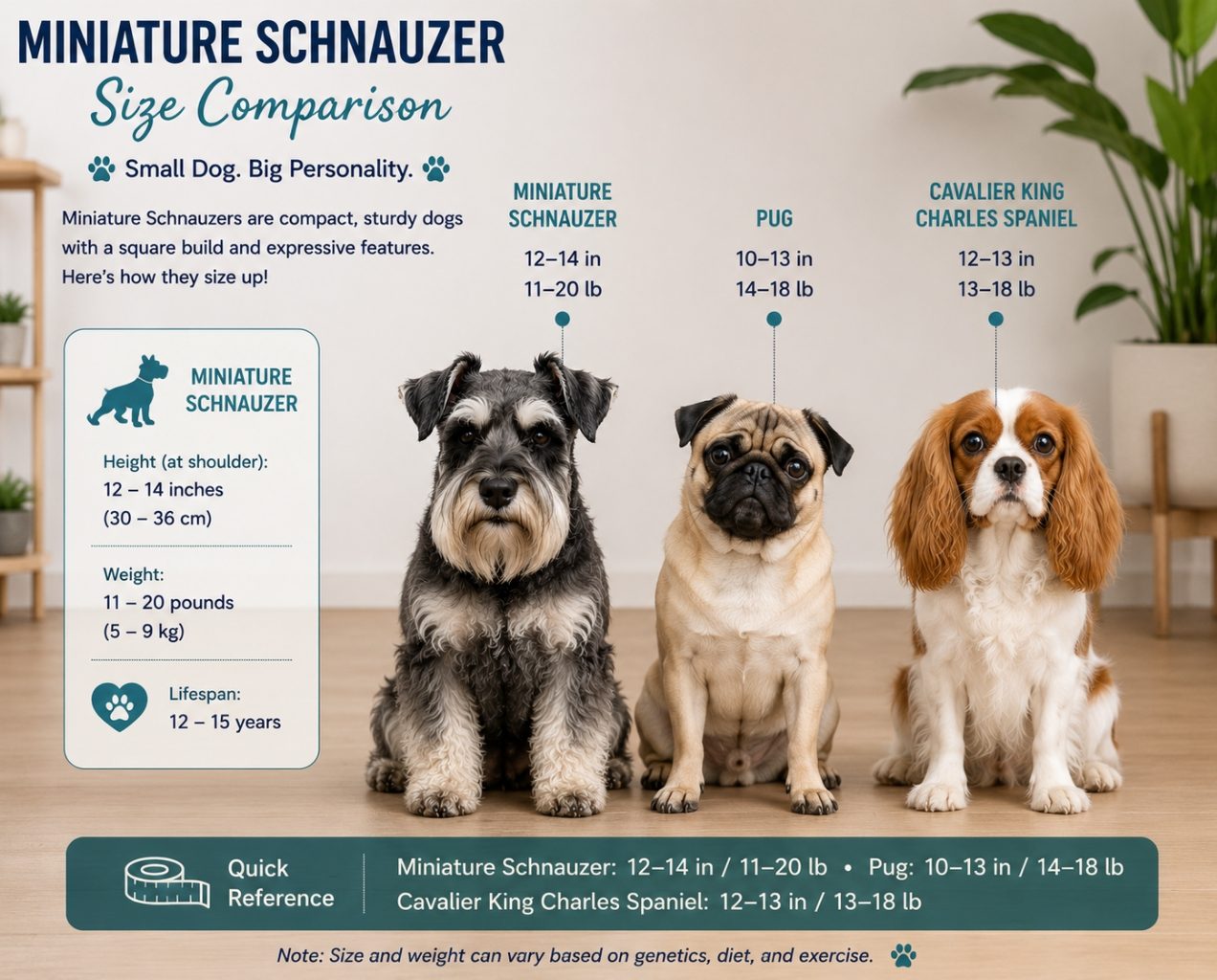
The Miniature Schnauzer is a sturdy, well-balanced small dog that combines elegance with surprising strength and athleticism. Although compact enough to fit comfortably into apartment living, this breed is solidly built and carries itself with the confidence and alertness of a much larger dog.
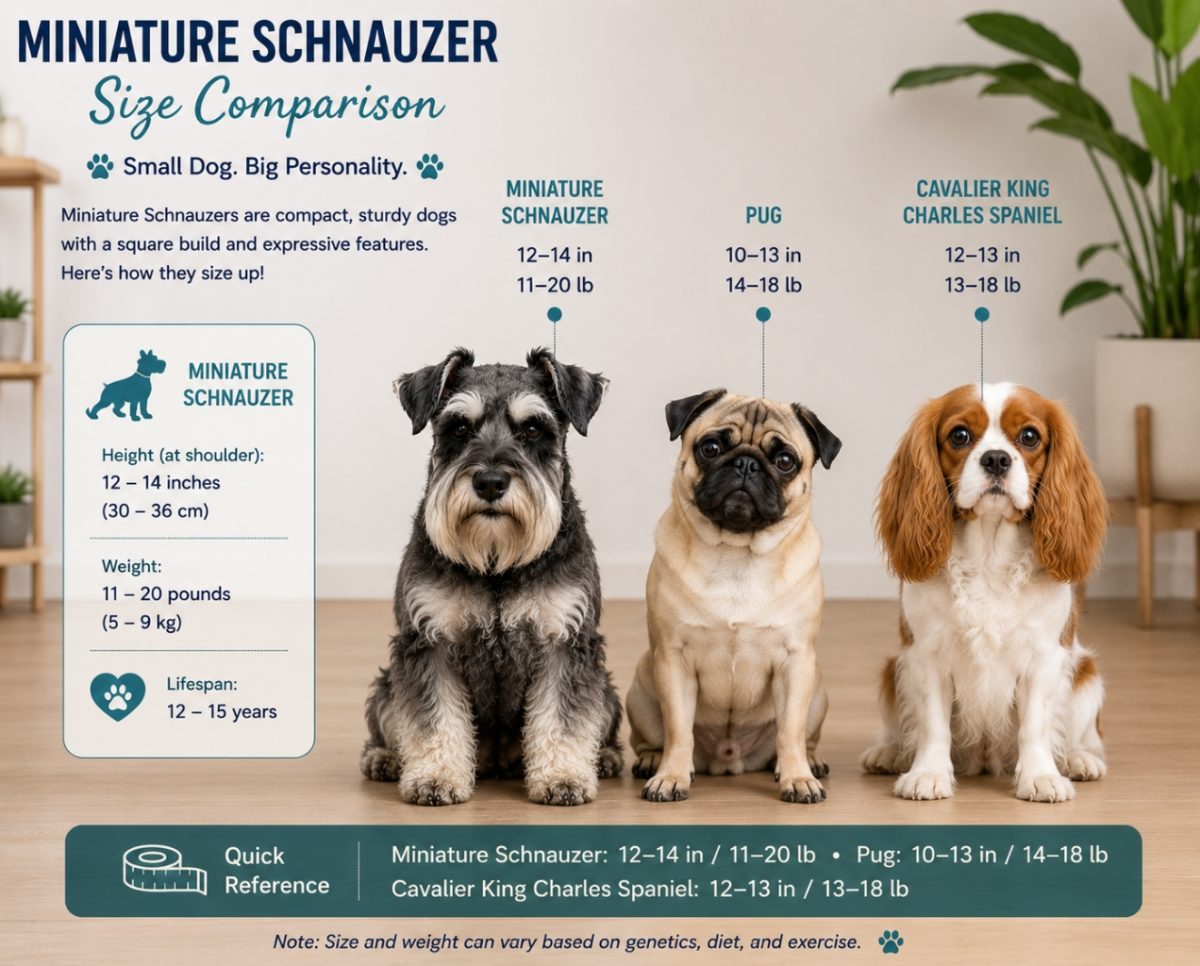
Adult Miniature Schnauzers typically stand between 12 and 14 inches (30 to 36 cm) at the shoulder and weigh 11 to 20 pounds (5 to 9 kg). Males are usually slightly larger and more muscular than females, but both sexes share the same square, athletic build and lively expression.
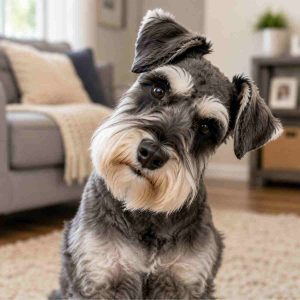
Perhaps the breed’s most distinctive feature is its unmistakable facial furnishings. The Miniature Schnauzer’s bushy eyebrows, full beard, and whiskers create an expressive face that reflects the breed’s intelligence and curiosity. Their dark, oval-shaped eyes sparkle with alertness, while their V-shaped ears fold forward naturally unless cropped, a cosmetic procedure that is becoming increasingly uncommon.
The breed has a double coat consisting of a harsh, wiry outer coat and a soft, dense undercoat. This weather-resistant coat was developed to protect working dogs from the elements and remains one of the breed’s defining characteristics today. Miniature Schnauzers shed very little, but regular brushing and professional grooming are essential to prevent matting and maintain their crisp appearance.
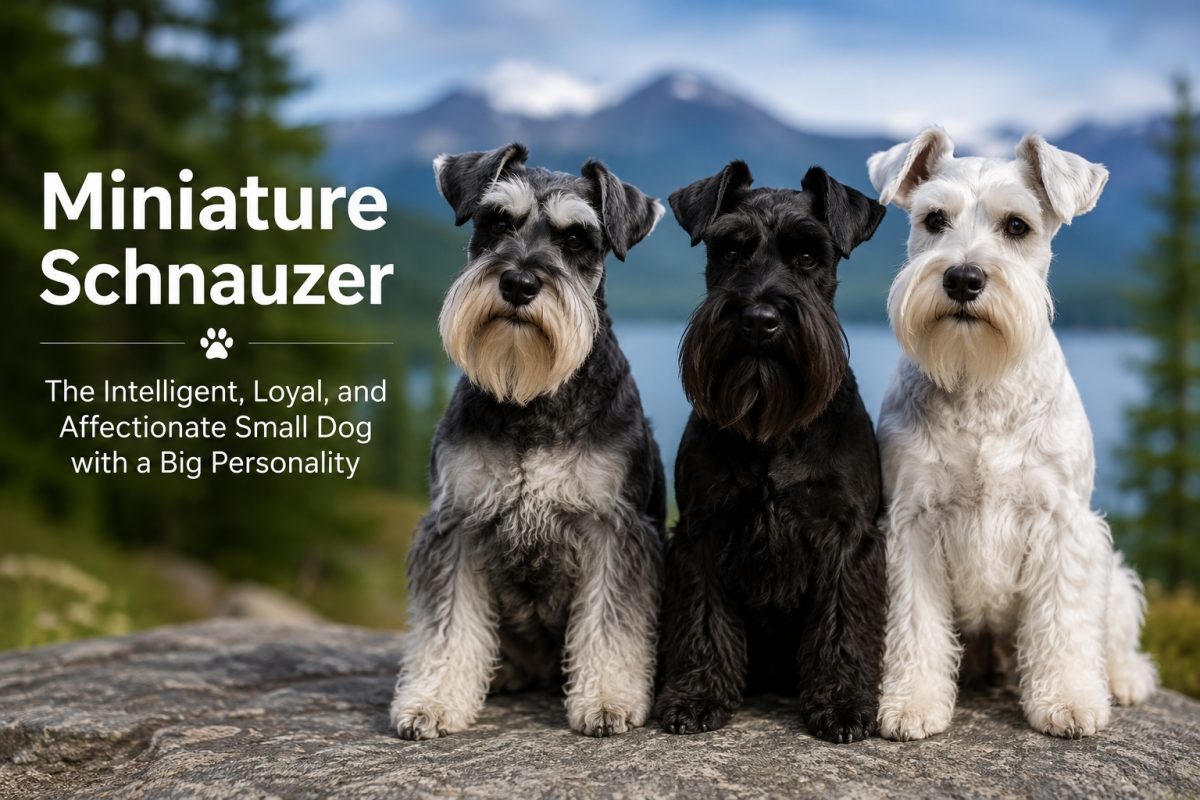
The three traditional coat colours recognised by most kennel clubs are Salt and Pepper, Black, and Black and Silver. Some registries also recognise White Miniature Schnauzers, although acceptance varies by country and breed organisation.
Overall, the Miniature Schnauzer presents an image of strength, intelligence, and confidence. Its compact size, low-shedding coat, and distinctive appearance have made it one of the most recognizable and admired small dog breeds in the world.
🐾 DogPage Recommendation
The Miniature Schnauzer’s compact size makes it easy to travel with, lift when necessary, and accommodate in smaller homes or apartments. Combined with its sturdy build and energetic nature, it strikes an excellent balance between portability and durability.
💡 Beginner Mistake to Avoid
Don’t underestimate the grooming commitment that comes with the Miniature Schnauzer’s beautiful coat and signature beard. While the breed sheds very little, maintaining its distinctive appearance requires regular brushing and professional grooming every five to eight weeks.
Types & Colors of Miniature Schnauzers
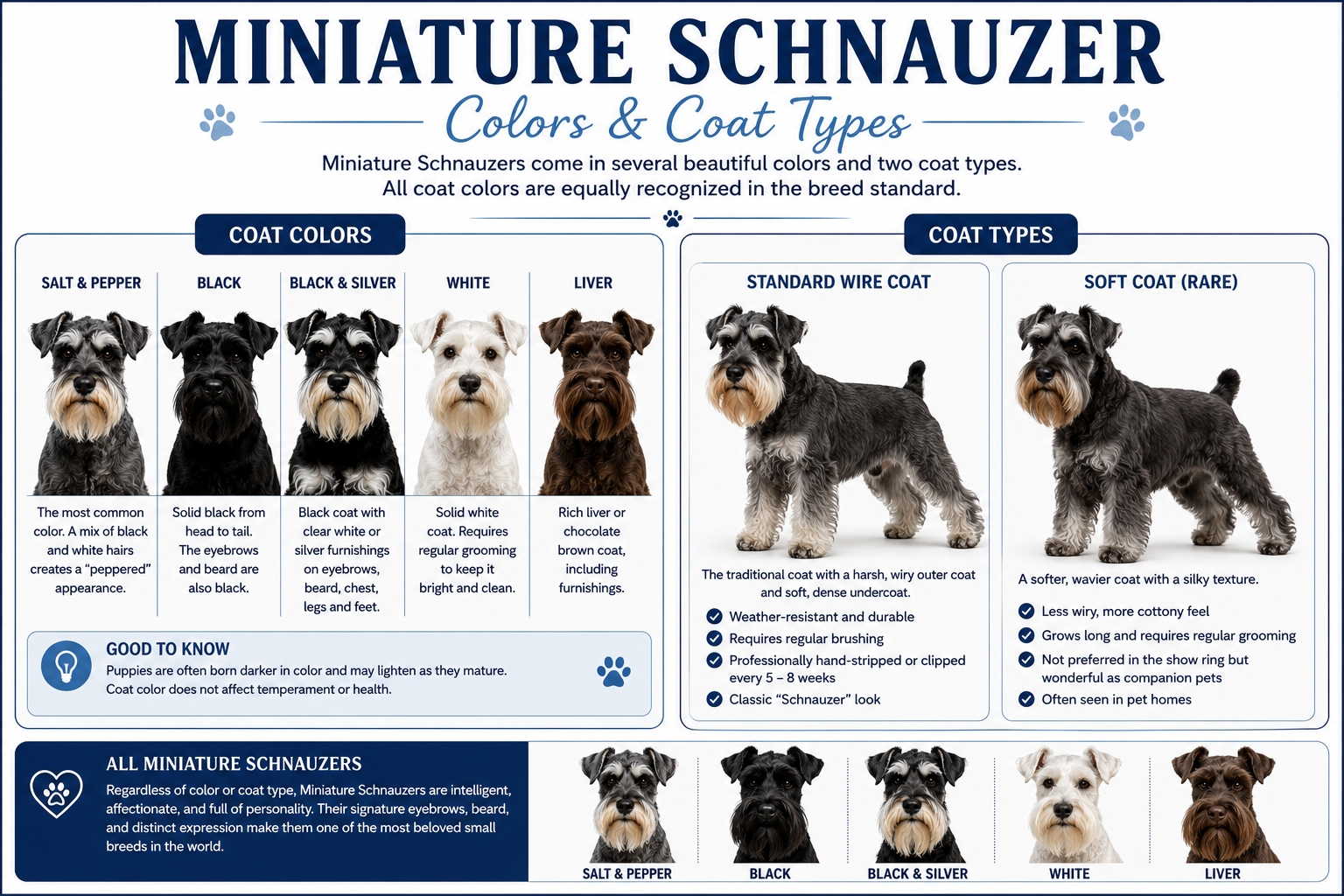
Unlike some dog breeds, the Miniature Schnauzer is not divided into distinct varieties based on size or purpose. Whether a dog is destined to be a beloved family companion, a successful show dog, or a canine sports competitor, it belongs to the same breed. The main differences you’ll notice are coat colour, grooming style, and the individual dog’s personality.
Recognized Coat Colors
Most kennel clubs recognize the following coat colours:
- Salt and Pepper – The most common and iconic colour, featuring a blend of black, grey, and silver hairs that creates a peppered appearance.
- Black – A rich, solid black coat with a matching black undercoat.
- Black and Silver – A striking combination of a black body with distinctive silver markings on the eyebrows, muzzle, chest, legs, and underside.
- White – Recognized by some kennel clubs, including the Fédération Cynologique Internationale (FCI), but not accepted by all organizations, such as the American Kennel Club (AKC).
Pet Trim vs. Show Trim
Most family pets are clipped into an easy-care trim that retains the breed’s characteristic beard and eyebrows while making coat maintenance more manageable. Dogs shown in conformation competitions typically have their coats hand-stripped rather than clipped to preserve the harsh texture required by the breed standard.
Are “Rare Colors” Better?
You may come across advertisements for Miniature Schnauzers in colours such as liver, chocolate, parti, merle, or other unusual patterns. While these dogs may be attractive, many of these colours are not recognized by major kennel clubs and may result from breeding practices that prioritize novelty over adherence to the breed standard.
🐾 DogPage Recommendation
Choose a Miniature Schnauzer based on health, temperament, and the breeder’s commitment to responsible breeding rather than coat colour alone. A well-bred puppy from health-tested parents is far more important than finding an uncommon colour.
💡 Beginner Mistake to Avoid
Be cautious of breeders charging premium prices simply because a puppy has a “rare” colour. Responsible breeders focus first on health, temperament, and preserving the qualities that make the Miniature Schnauzer such a wonderful companion.
Miniature Schnauzer Photo Gallery
There’s no better way to appreciate the Miniature Schnauzer than by seeing the breed in a variety of real-life situations. From playful puppies to devoted family companions and active adventure partners, these photos showcase the intelligence, charm, and versatility that have made Miniature Schnauzers one of the world’s most popular small dog breeds.
Notice how the breed’s distinctive bushy eyebrows, expressive beard, compact square build, and confident posture remain consistent across the different coat colors. Whether relaxing with their family, enjoying a daily walk, learning new skills, or accompanying their owners on everyday adventures, Miniature Schnauzers are happiest when they’re included as part of family life.
📸 What You’ll See in This Gallery
- Adult Miniature Schnauzers in several coat colors
- Adorable Miniature Schnauzer puppies
- Dogs with families and children
- Miniature Schnauzers with senior owners
- Apartment living and everyday companionship
- Training and enrichment activities
- Daily walks and outdoor adventures
- Playtime and favorite toys
- Routine veterinary care
- Rescue and adoption
- Responsible breeding and puppy socialization
- The breed’s signature inquisitive expression
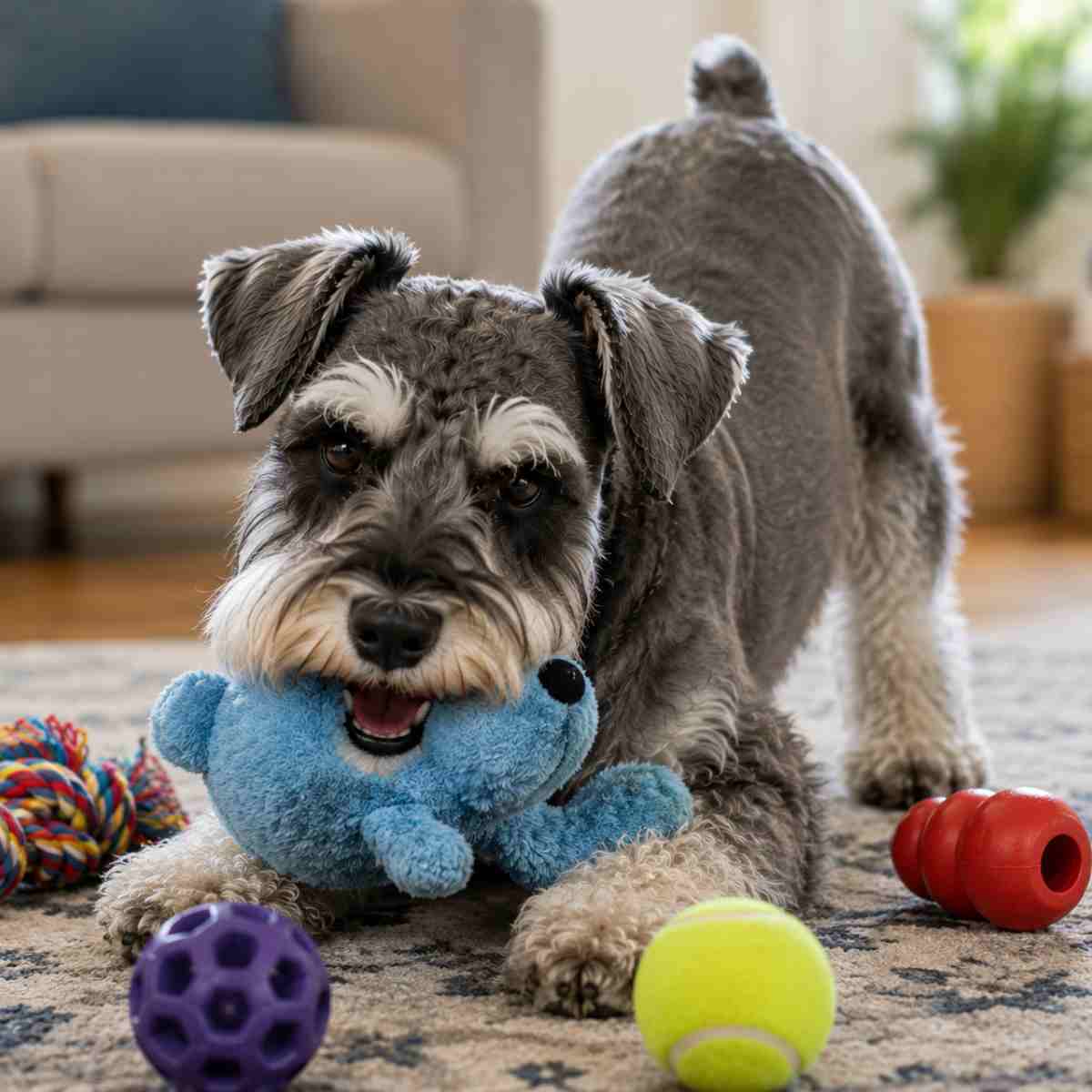
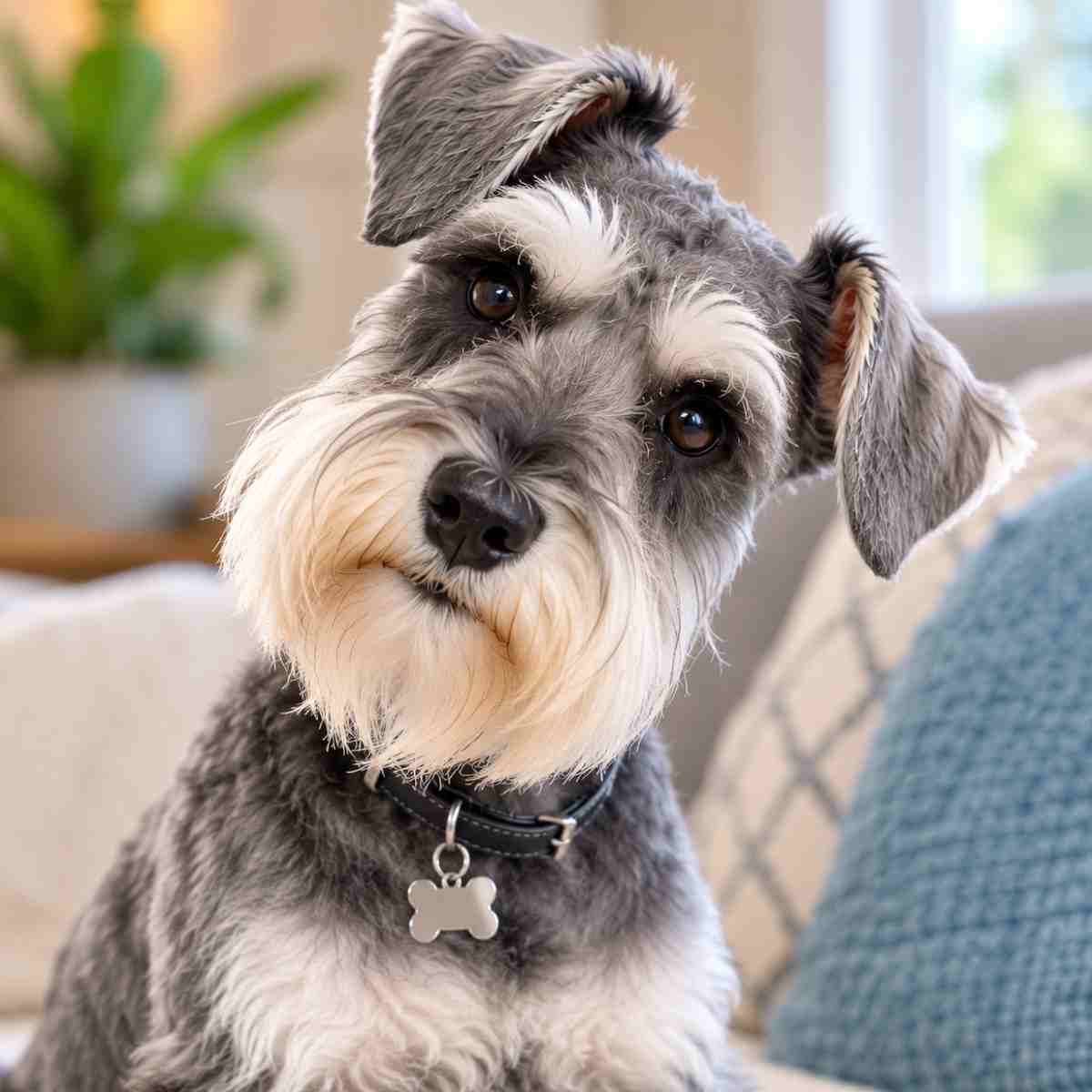
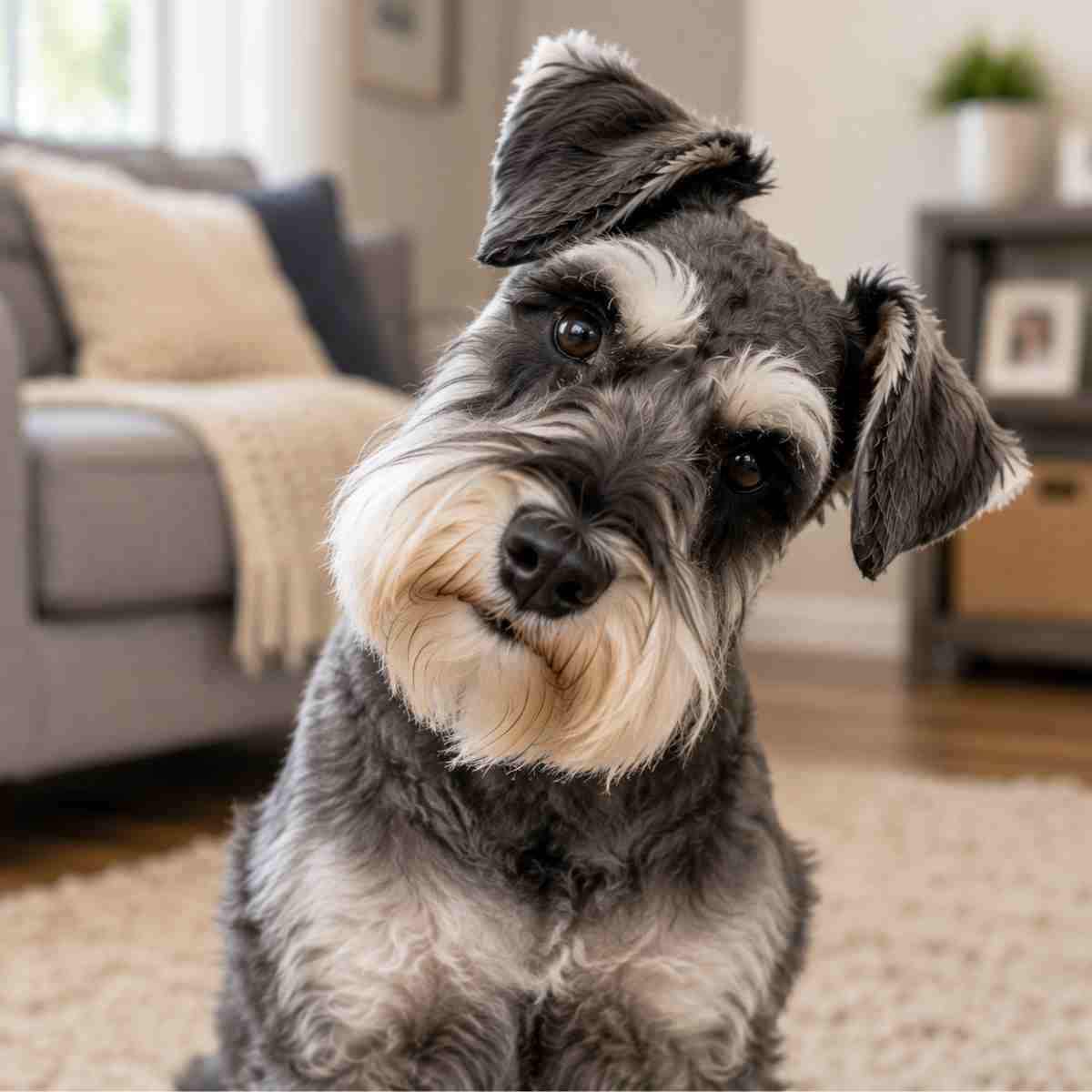

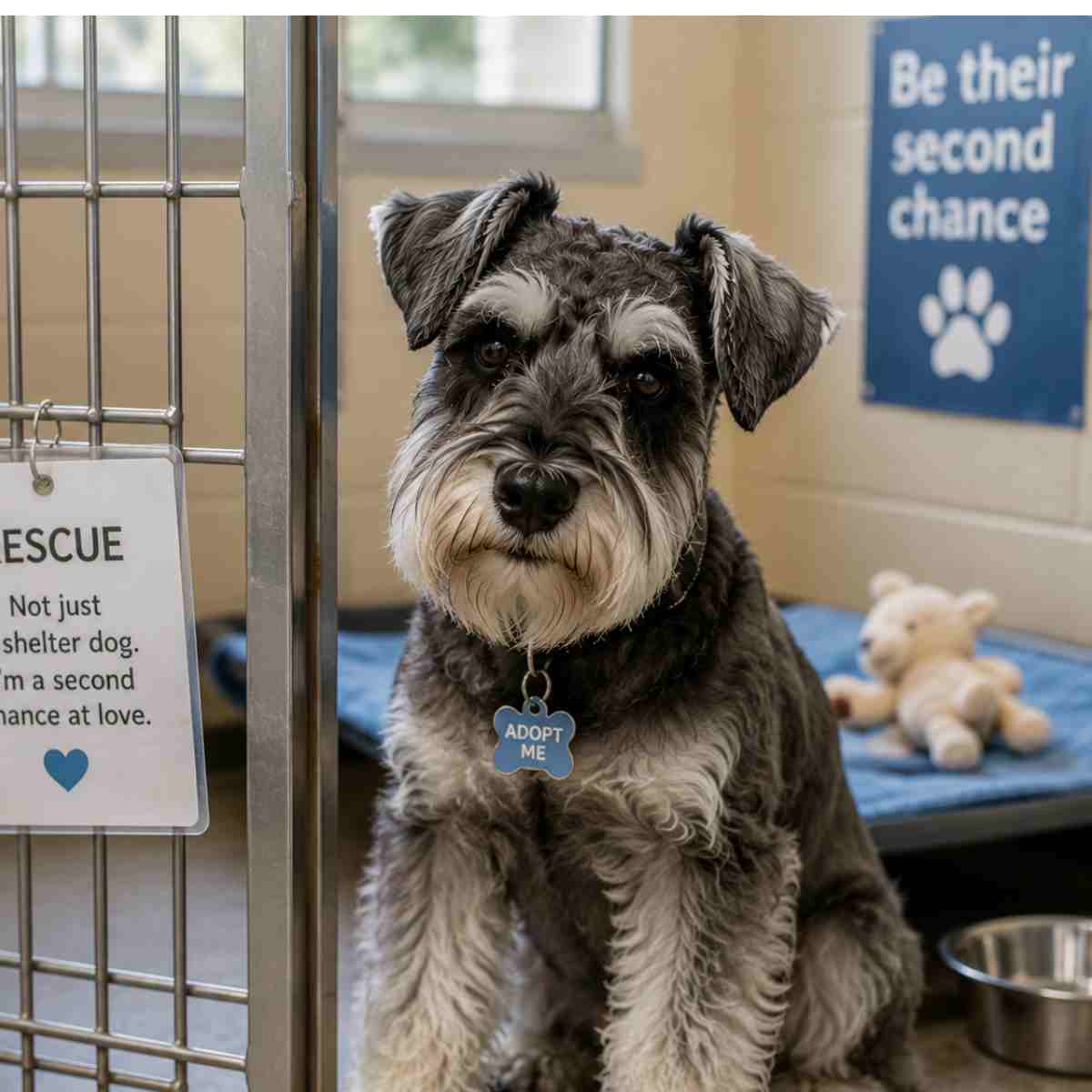
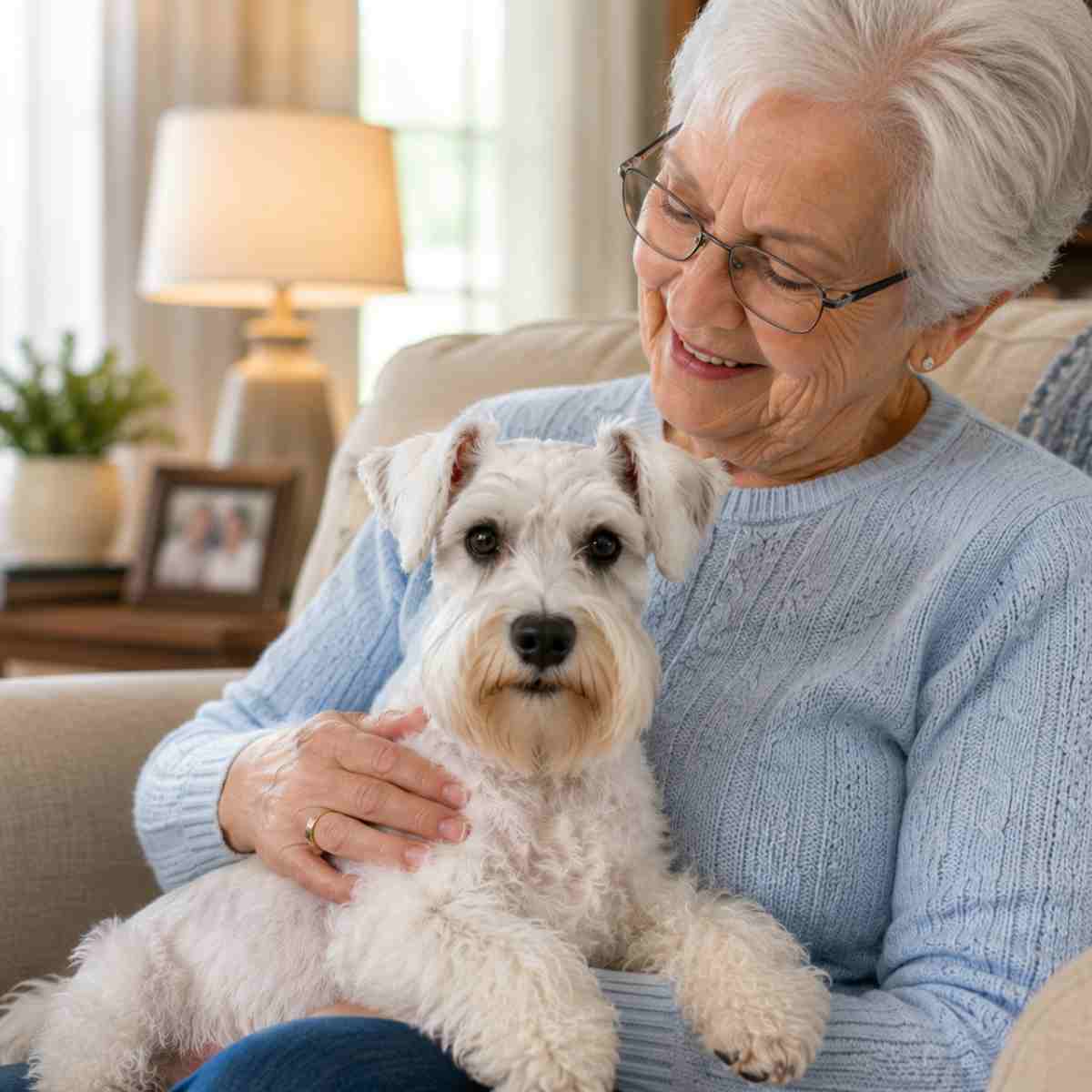

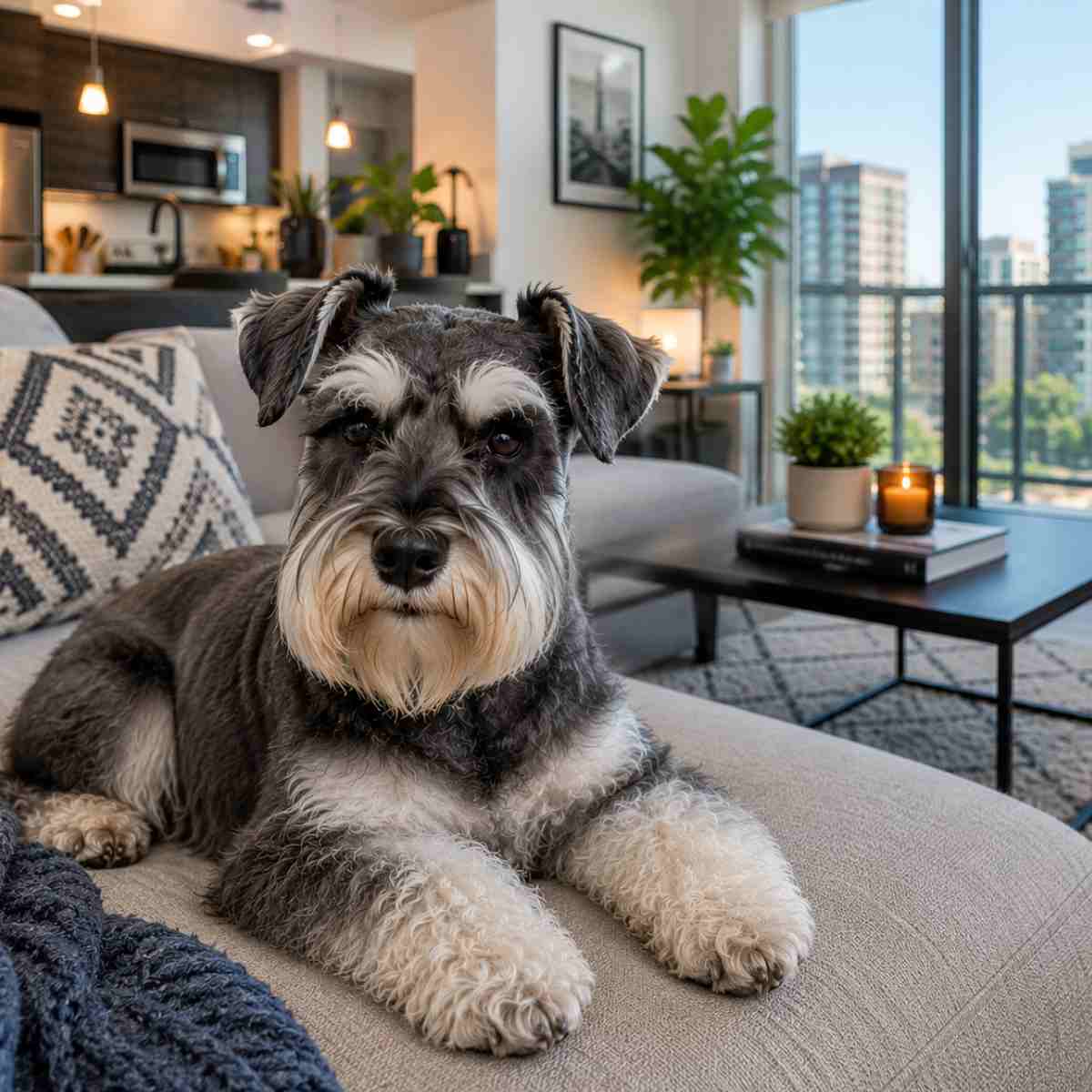

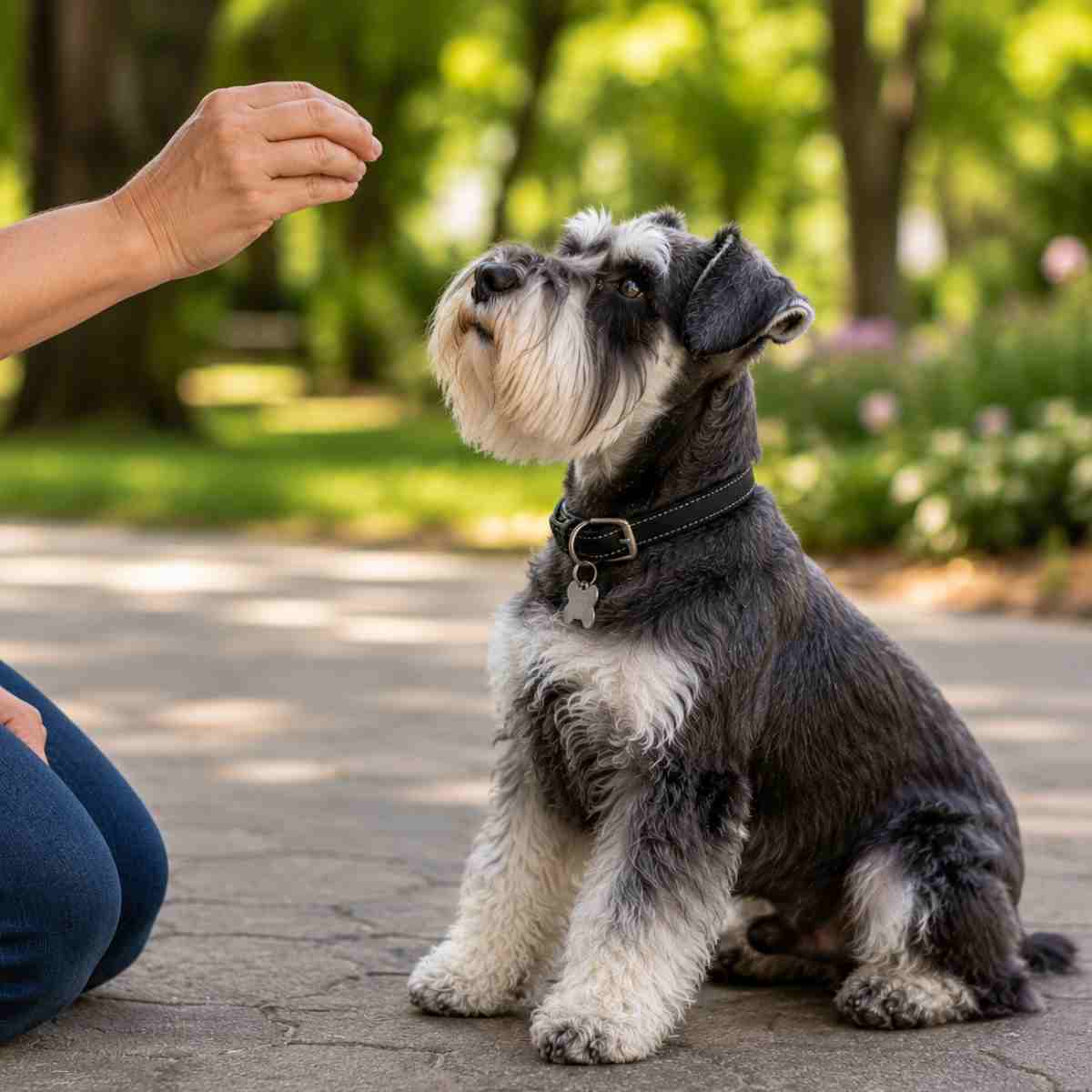
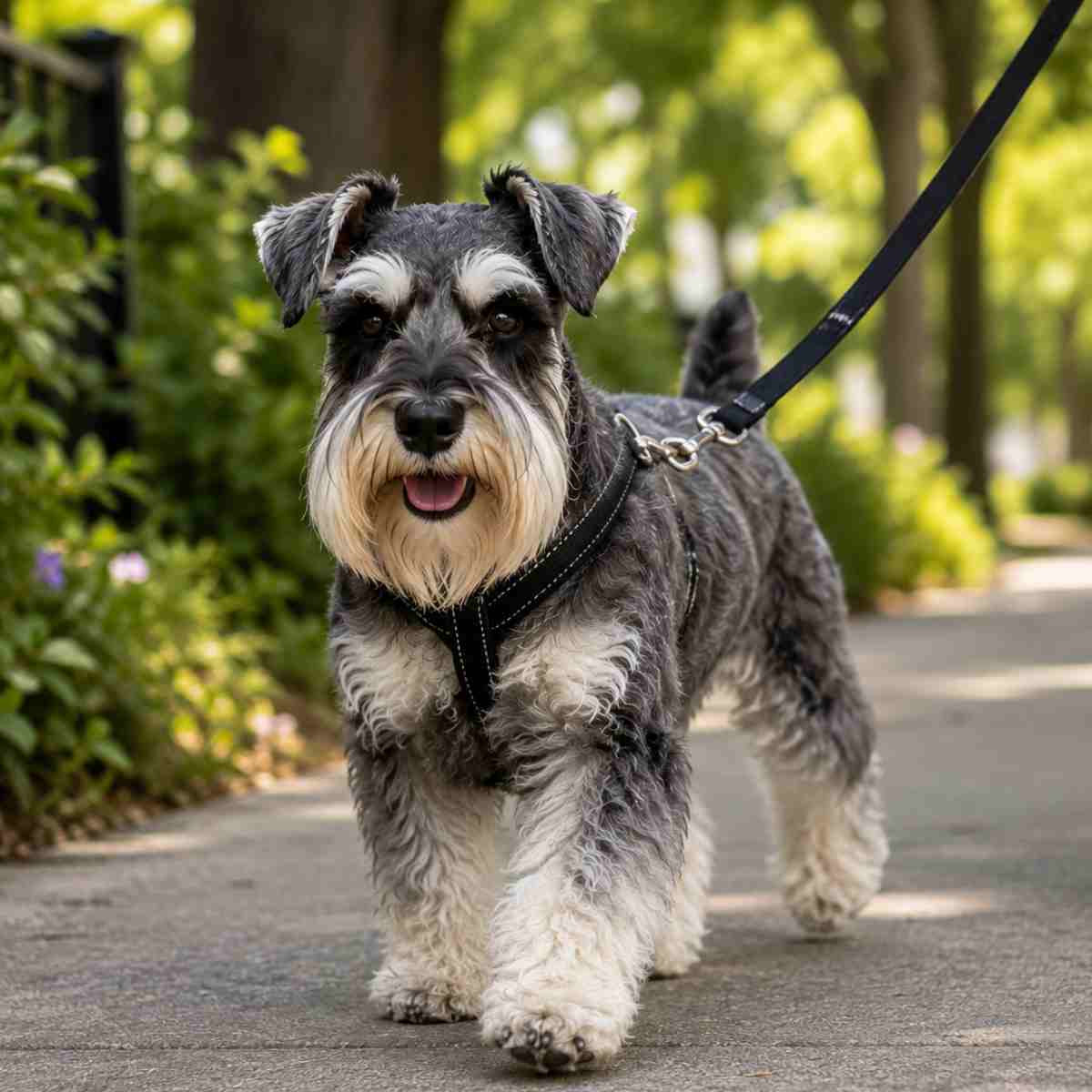
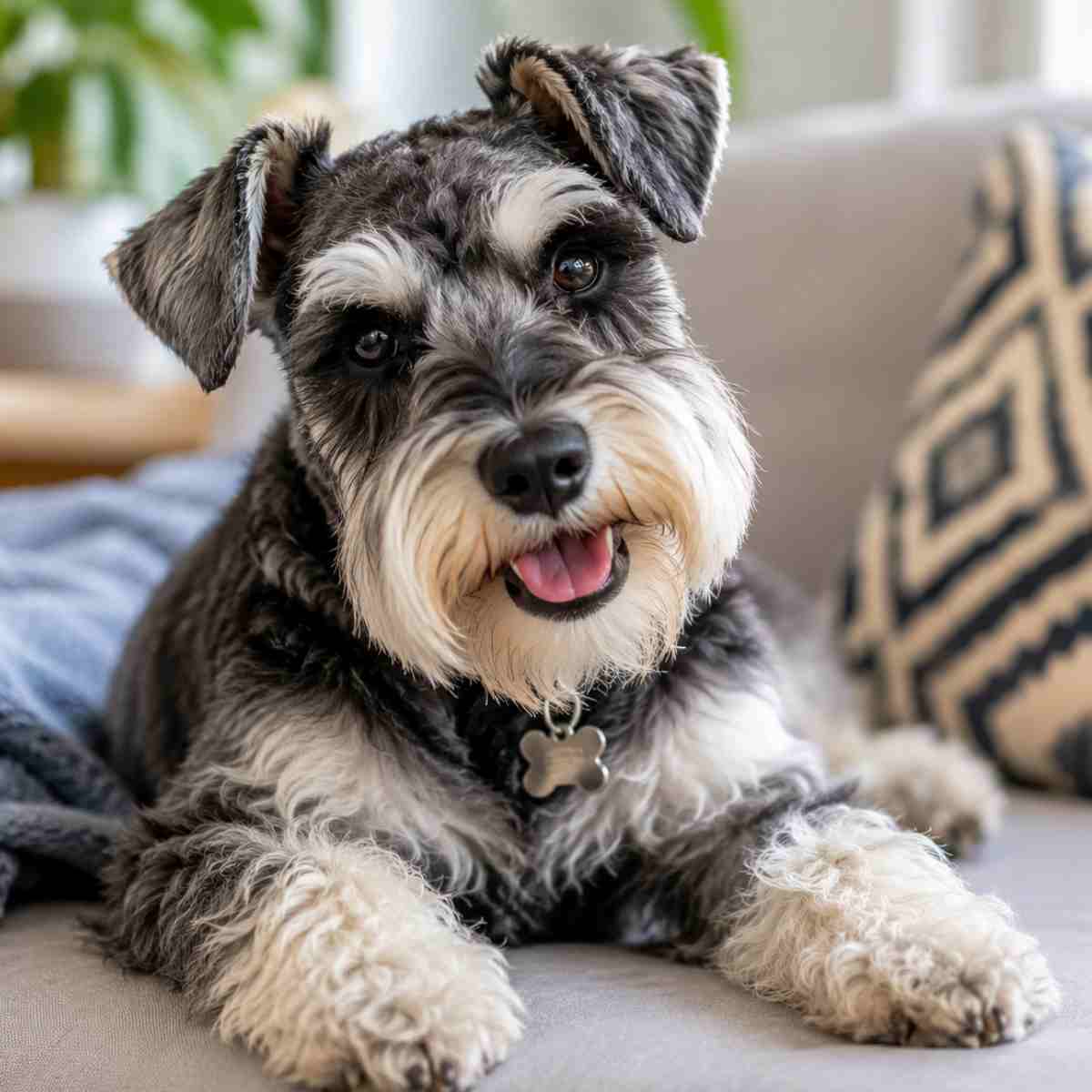
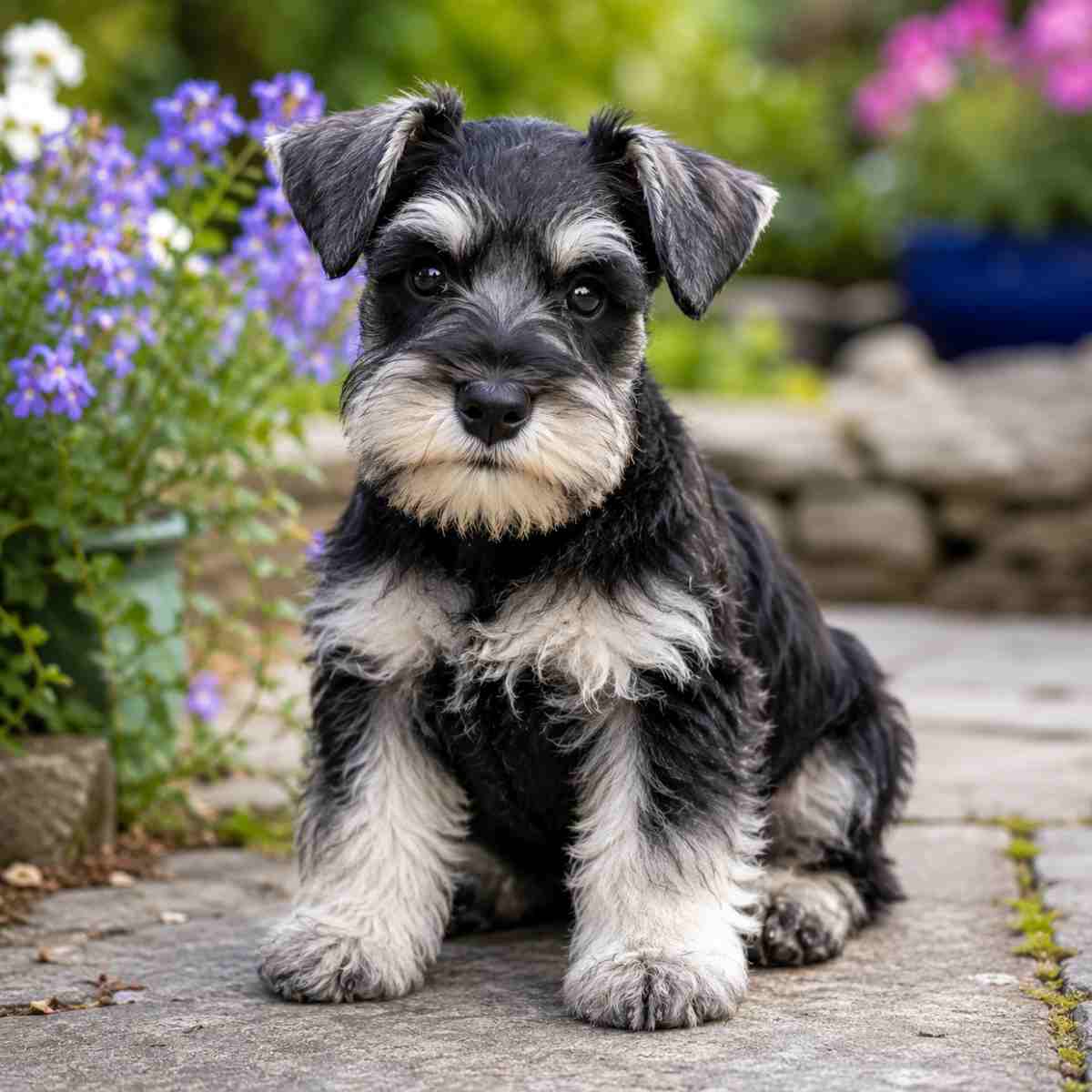
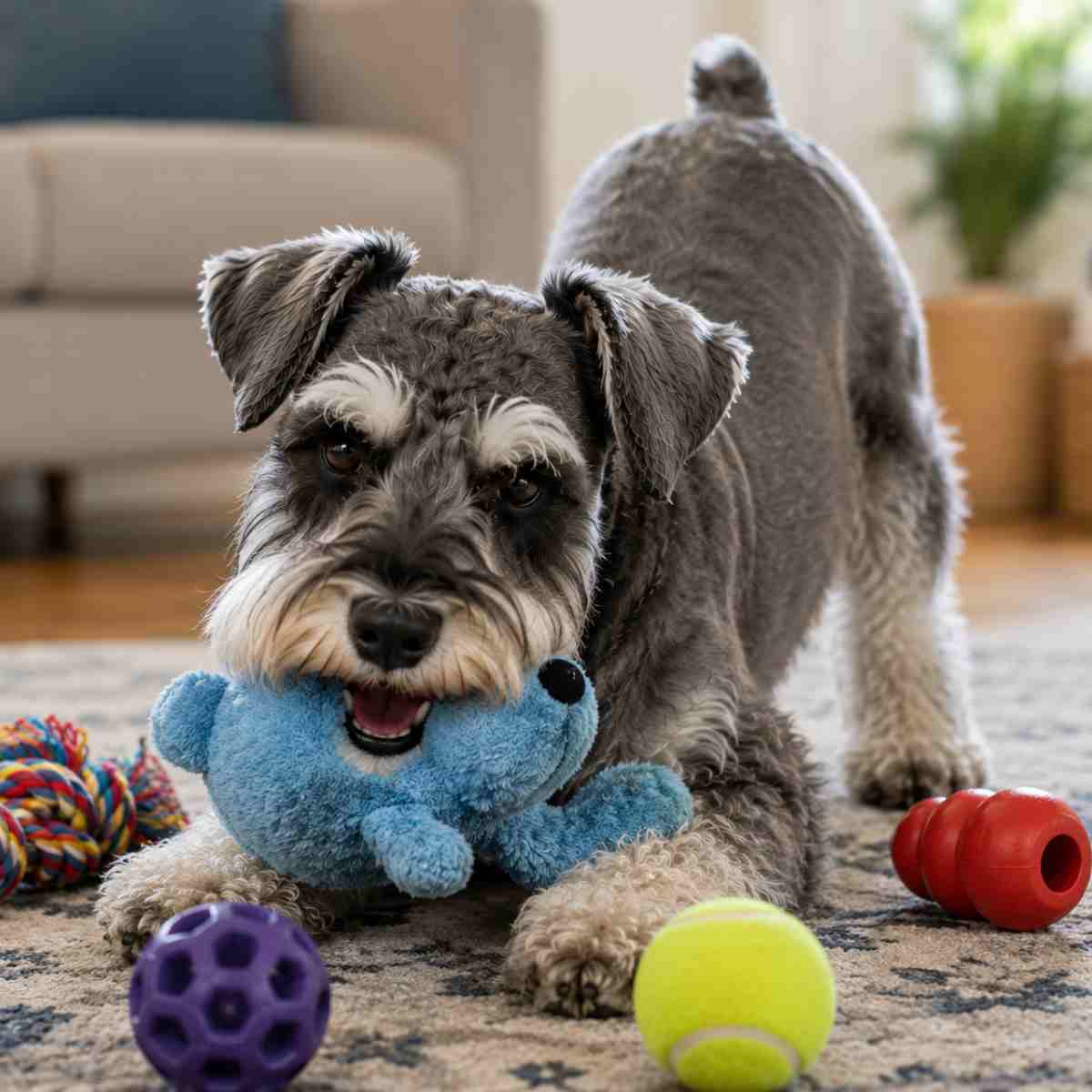

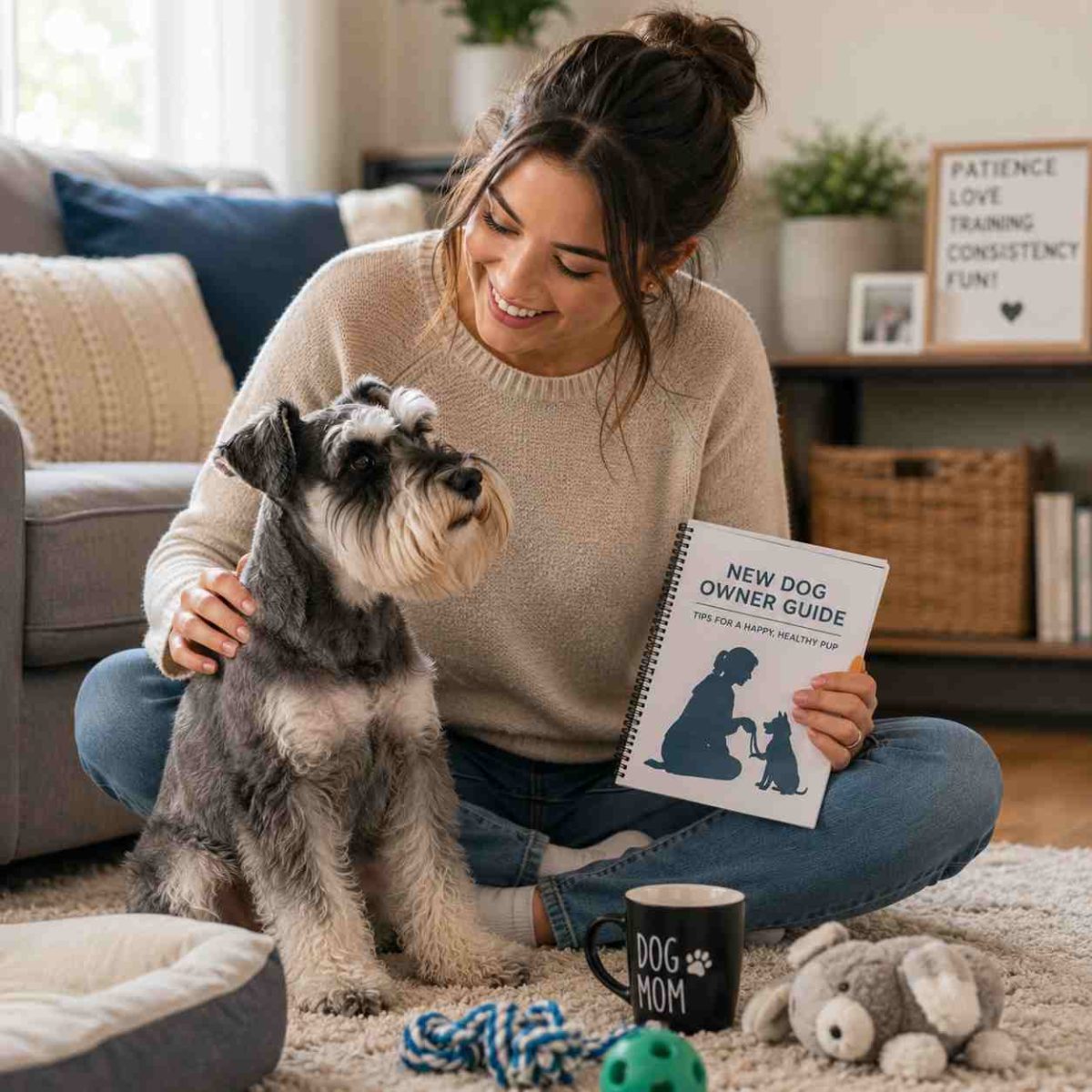
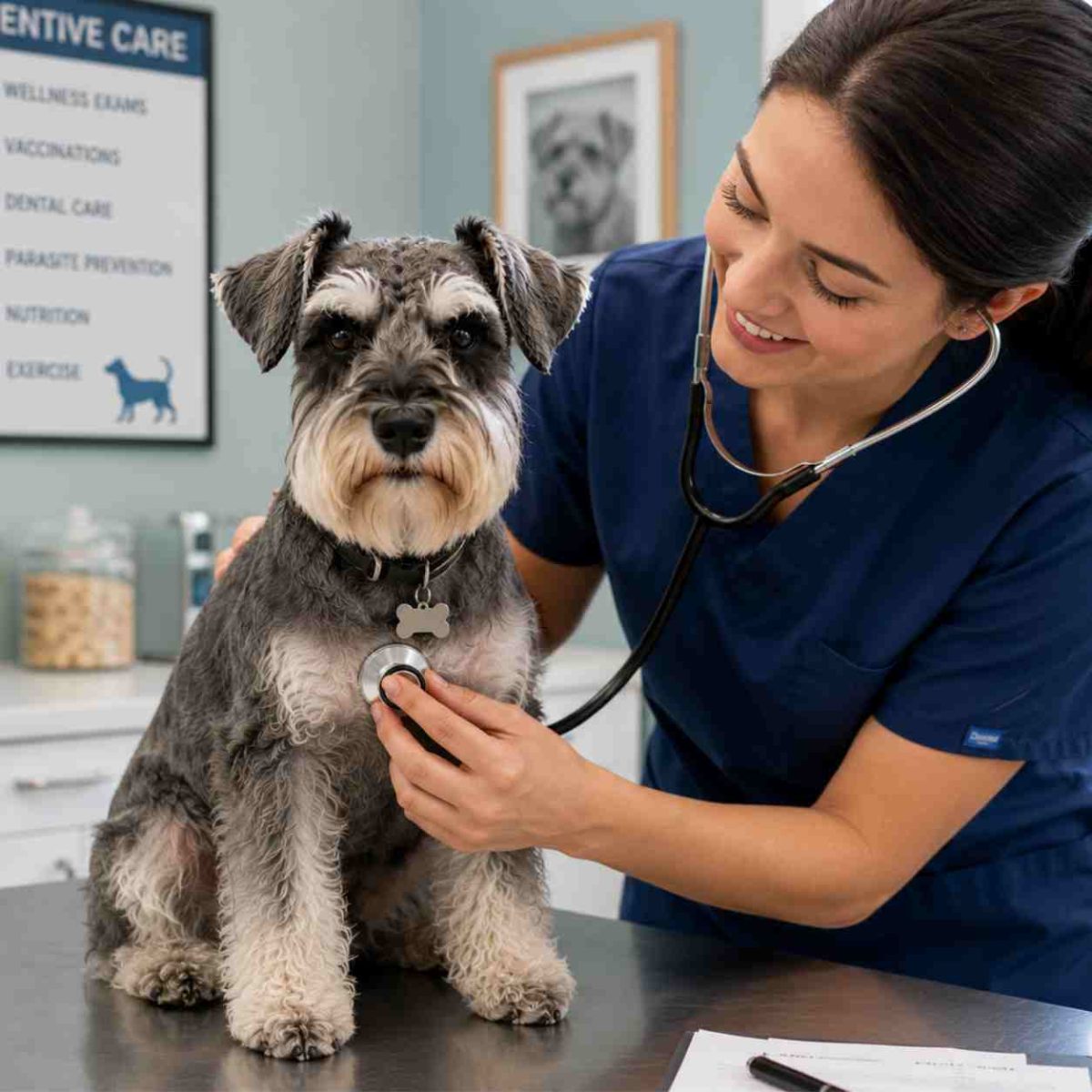
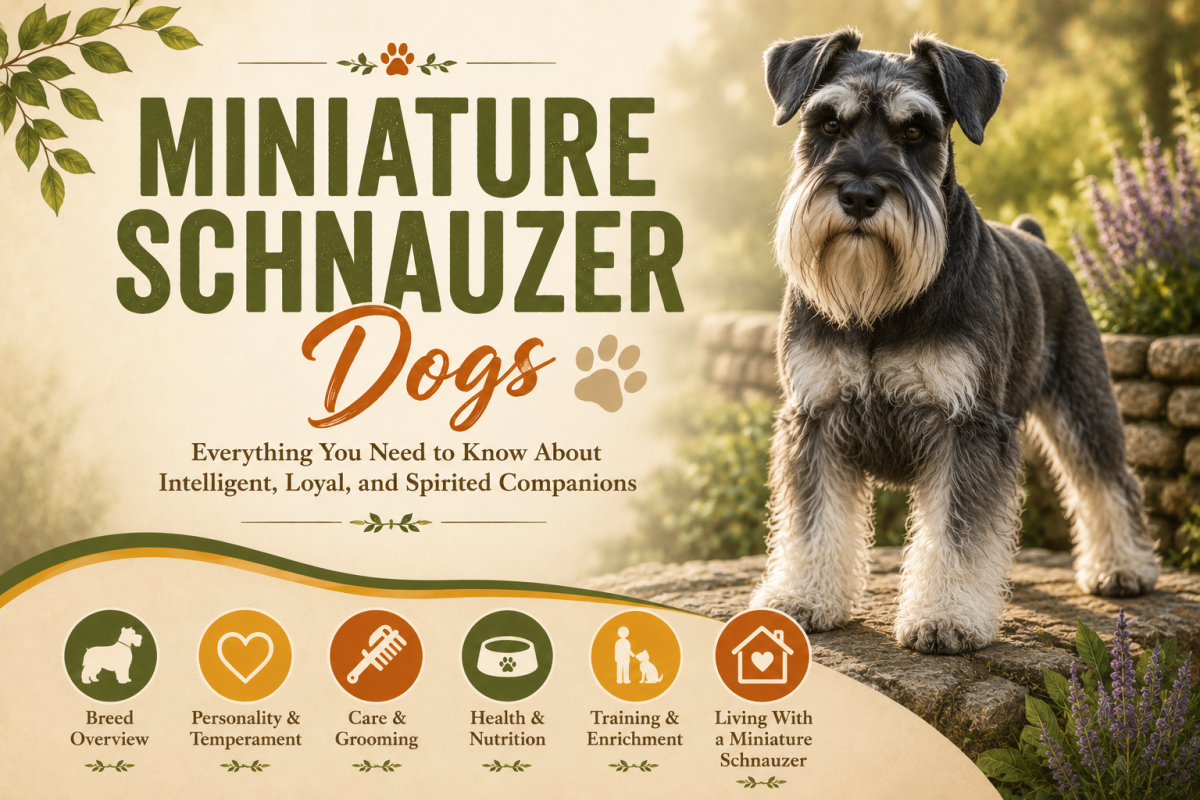
Every Miniature Schnauzer has its own unique personality, but these images capture many of the traits owners love most: intelligence, loyalty, curiosity, playfulness, and an unwavering desire to be close to the people they love.
Miniature Schnauzer Exercise Needs

Although small in stature, the Miniature Schnauzer is an energetic and athletic breed that benefits from daily physical activity and mental stimulation. Originally bred to work on farms as ratters and watchdogs, these intelligent dogs enjoy having a job to do and thrive when their minds and bodies are kept active.
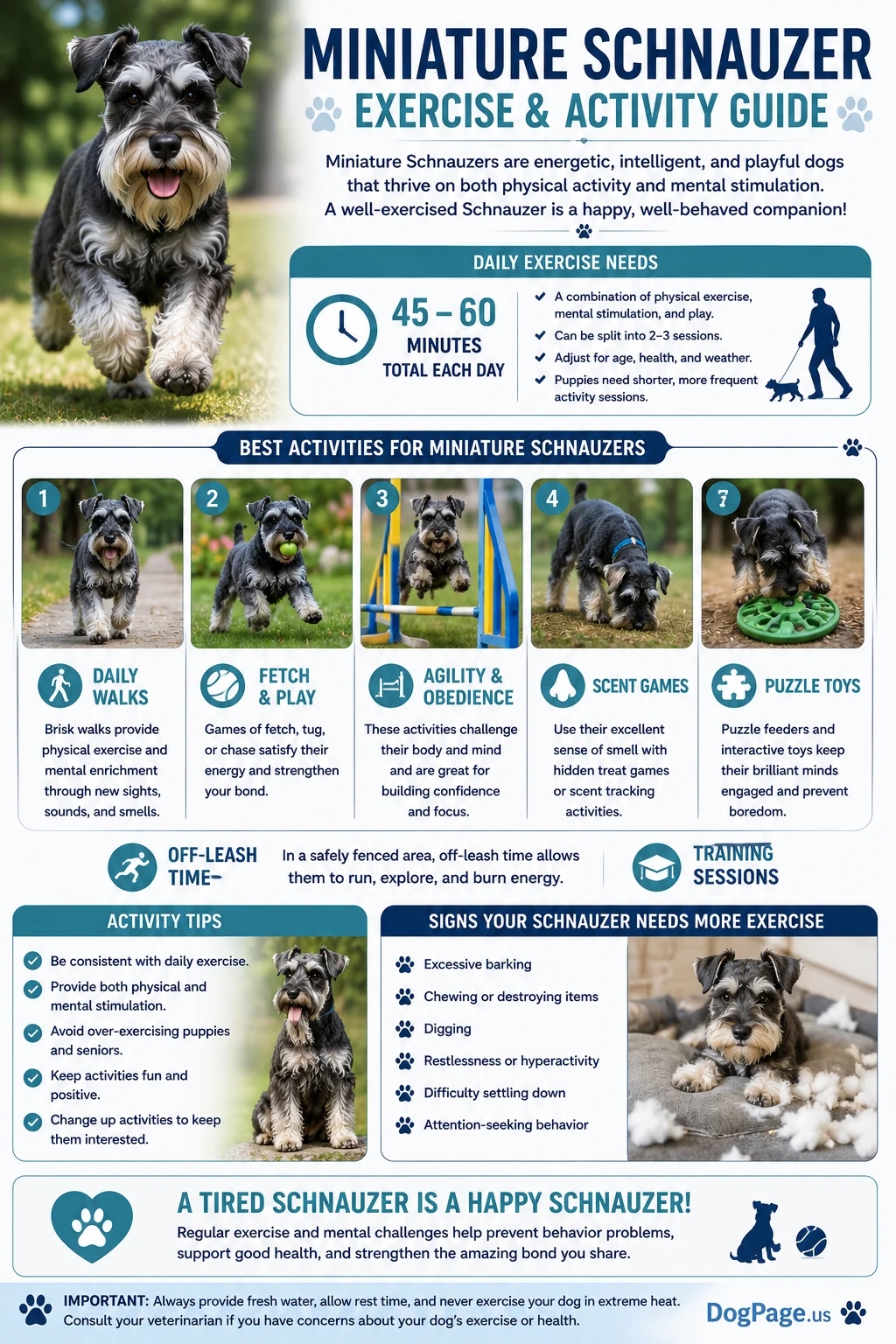
Most healthy adult Miniature Schnauzers require 45 to 60 minutes of exercise each day. This can be divided into two or three walks, along with play sessions, games of fetch, interactive toys, or training exercises. They also enjoy exploring new environments and are enthusiastic companions for hikes and other outdoor adventures suited to their size.
Mental exercise is just as important as physical activity. Miniature Schnauzers are highly intelligent problem-solvers that excel at learning new commands, puzzle toys, scent games, and canine sports such as obedience, agility, rally, and barn hunt. Keeping their minds engaged helps prevent boredom and unwanted behaviours.
Despite their lively nature, Miniature Schnauzers have an excellent “off switch.” Once they’ve had sufficient exercise and interaction, they are usually content to relax with their family for the rest of the day. This balance of energy and adaptability makes them suitable for a wide variety of households, including apartments, provided their daily activity needs are met.
Puppies should be exercised in moderation, with plenty of opportunities for free play rather than long, strenuous walks. Older Miniature Schnauzers may also need shorter, gentler outings as they age, particularly if arthritis or other health conditions develop.
🐾 DogPage Recommendation
Aim for two daily walks combined with playtime and short training sessions. Miniature Schnauzers love learning new tricks and games, making training an excellent way to provide both physical exercise and mental enrichment.
💡 Beginner Mistake to Avoid
Don’t rely solely on a fenced backyard for exercise. While Miniature Schnauzers enjoy outdoor play, they also benefit from structured walks, opportunities to explore new places, and regular interaction with their owners. A bored Schnauzer is much more likely to develop nuisance barking or other unwanted behaviours.
Exercise Snapshot
| Daily Exercise | 45–60 minutes |
|---|---|
| Energy Level | ★★★★☆ |
| Playfulness | ★★★★★ |
| Mental Stimulation Needs | ★★★★★ |
| Apartment Friendly | ★★★★★ (with daily exercise) |
Training a Miniature Schnauzer
Miniature Schnauzers are among the most intelligent and trainable of all small dog breeds. Bred to think independently while working alongside farmers, they are quick learners that enjoy solving problems and mastering new skills. Their eagerness to please, combined with their sharp minds, makes training both rewarding and enjoyable for most owners.
Positive reinforcement is the key to success with this breed. Miniature Schnauzers respond enthusiastically to praise, treats, toys, and play, while harsh corrections or punishment can damage their confidence and willingness to learn. Short, upbeat training sessions of 10 to 15 minutes are often more effective than longer lessons.
Early socialization is just as important as obedience training. Exposing your puppy to a variety of people, children, friendly dogs, places, and everyday sights and sounds helps build confidence and encourages a well-adjusted adult dog. Puppy kindergarten classes are an excellent way to combine socialization with basic training.
Because Miniature Schnauzers are naturally alert watchdogs, it’s important to teach appropriate barking behaviour from an early age. While it’s perfectly normal for them to alert you when someone approaches the home, consistent training can help prevent excessive barking from becoming a habit.
These versatile little dogs excel in many canine activities, including obedience, agility, rally, scent work, trick training, and barn hunt. Providing regular mental challenges not only strengthens your bond but also helps satisfy the breed’s natural desire to work and learn.
🐾 DogPage Recommendation
Begin training and socialization as soon as you bring your Miniature Schnauzer home. Consistent, positive training throughout puppyhood lays the foundation for a confident, well-mannered adult dog that is a pleasure to live with.
💡 Beginner Mistake to Avoid
Don’t overlook mental exercise. A Miniature Schnauzer that receives only physical activity may still become bored. Incorporate puzzle toys, scent games, trick training, and interactive play into your daily routine to keep this intelligent breed happy and engaged.
Training Snapshot
| Trainability | ★★★★★ |
|---|---|
| Intelligence | ★★★★★ |
| Eagerness to Please | ★★★★☆ |
| Good for First-Time Owners | ★★★★★ |
| Responds Best To | Positive reinforcement and consistency |
Miniature Schnauzer Grooming Requirements
One of the Miniature Schnauzer’s greatest advantages is its low-shedding coat, but that benefit comes with a commitment to regular grooming. Unlike breeds that naturally shed loose hair, the Miniature Schnauzer’s wiry double coat continues to grow and must be brushed, trimmed, and maintained to keep it healthy and free of mats.
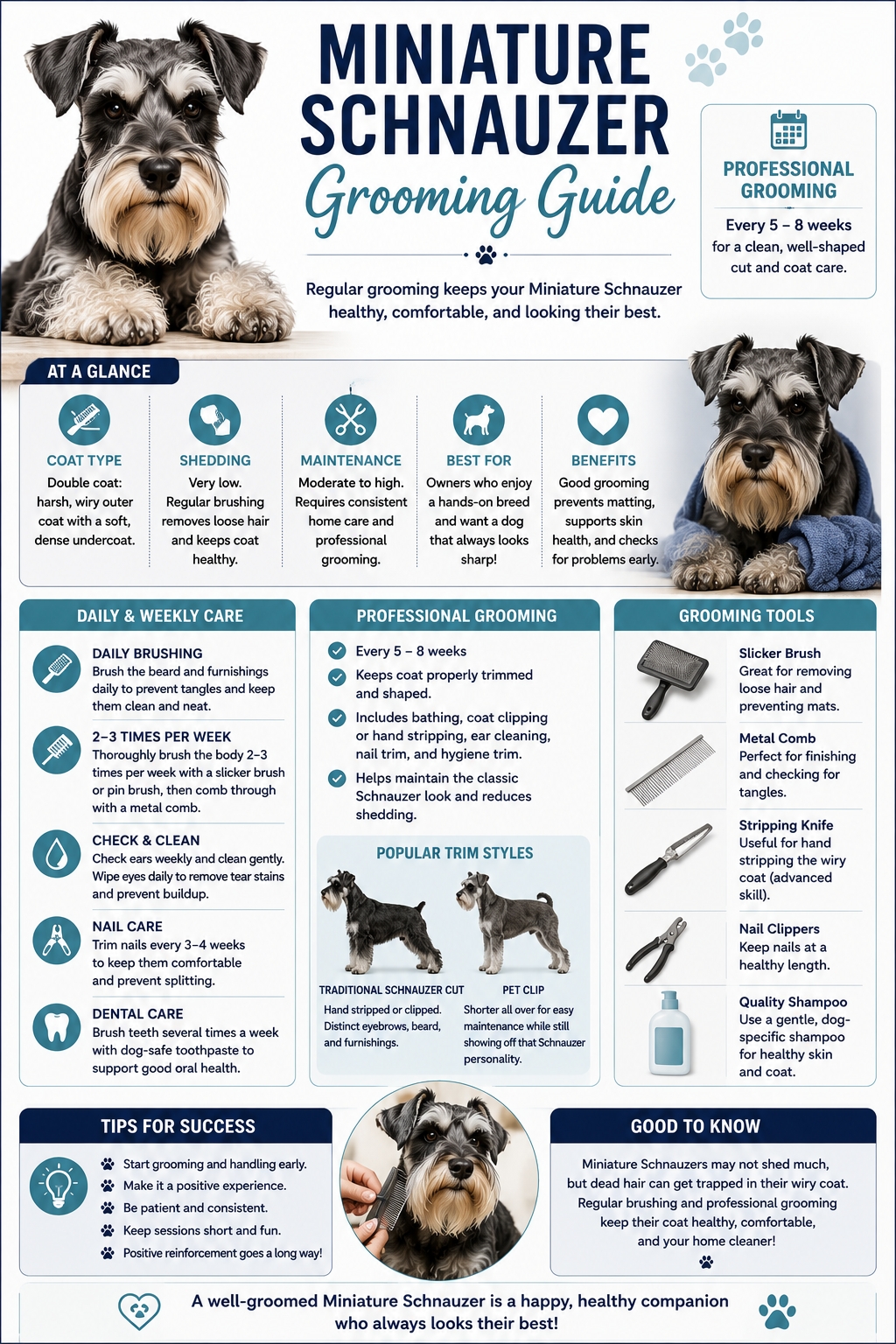
The breed’s coat consists of a harsh, weather-resistant outer coat and a soft, dense undercoat. Regular brushing—at least two to three times per week—helps remove loose undercoat, prevents tangles, and keeps the distinctive beard, eyebrows, and leg furnishings looking their best. Owners should pay particular attention to the beard, where food and debris can easily become trapped.
Most pet Miniature Schnauzers benefit from professional grooming every five to eight weeks. Many pet owners choose a clipped trim because it is easier to maintain, while show dogs are typically hand-stripped to preserve the coat’s proper texture and colour. Hand-stripping is more time-consuming but produces the traditional appearance expected in the show ring.
Routine grooming should also include trimming the nails every three to four weeks, cleaning the ears as needed, and brushing the teeth several times each week. Daily tooth brushing is ideal and can significantly reduce the risk of dental disease, which is common in many small dog breeds.
Regular grooming sessions provide an excellent opportunity to check your Miniature Schnauzer for skin irritation, parasites, lumps, or other changes that may require veterinary attention. Starting grooming routines early in puppyhood helps dogs become comfortable with being brushed, bathed, and handled throughout their lives.
🐾 DogPage Recommendation
Establish a consistent grooming routine from puppyhood and schedule professional grooming appointments every five to eight weeks. Regular maintenance keeps your Miniature Schnauzer comfortable, healthy, and looking its distinctive best.
💡 Beginner Mistake to Avoid
Don’t assume that “low shedding” means “low maintenance.” Miniature Schnauzers require considerably more grooming than many shedding breeds. Skipping regular brushing or delaying grooming appointments can quickly lead to painful mats and skin problems.
Grooming Snapshot
| Shedding | ★☆☆☆☆ (Very Low) |
|---|---|
| Brushing | 2–3 times per week |
| Professional Grooming | Every 5–8 weeks |
| Bathing | Every 4–8 weeks or as needed |
| Overall Grooming Commitment | ★★★★☆ |
Miniature Schnauzer Health Concerns
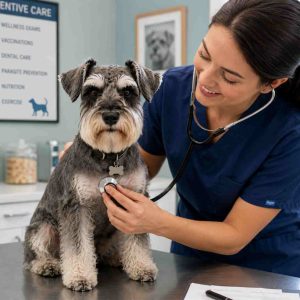
Miniature Schnauzers are generally a healthy and long-lived breed, with many enjoying a lifespan of 13 to 15 years or more. Choosing a puppy from a responsible breeder who performs appropriate health testing, providing a balanced diet, maintaining a healthy weight, and scheduling regular veterinary checkups can significantly improve your dog’s chances of living a long, active life.
Like all purebred dogs, however, Miniature Schnauzers are predisposed to certain inherited and acquired health conditions. Being aware of these issues allows owners to recognize early warning signs and work closely with their veterinarian to keep their dog as healthy as possible.
Common Health Conditions
- Pancreatitis: Miniature Schnauzers have a higher-than-average risk of developing pancreatitis, an inflammation of the pancreas that can cause vomiting, abdominal pain, lethargy, and loss of appetite. Feeding a balanced diet and avoiding high-fat table scraps can help reduce the risk.
- Hyperlipidemia: Some Miniature Schnauzers inherit elevated blood fat levels, which may contribute to pancreatitis and other health concerns. Routine veterinary monitoring can help identify this condition early.
- Bladder Stones: The breed is prone to certain types of urinary stones that may cause frequent urination, blood in the urine, or difficulty urinating. Prompt veterinary treatment is important if these signs occur.
- Progressive Retinal Atrophy (PRA): This inherited eye disease gradually affects vision and may eventually lead to blindness. Responsible breeders screen breeding dogs to reduce the risk of passing the condition to future generations.
- Cataracts: Some Miniature Schnauzers develop cataracts as they age, although surgery may restore vision in suitable cases.
- Dental Disease: Like many small breeds, Miniature Schnauzers are susceptible to plaque buildup and periodontal disease. Regular tooth brushing and professional dental care are essential for lifelong oral health.
Keeping Your Miniature Schnauzer Healthy
Many health problems can be minimized through preventive care. Feed a high-quality diet, maintain a healthy body weight, provide regular exercise, brush your dog’s teeth frequently, and schedule annual—or more frequent for seniors—veterinary examinations. Early detection often leads to more effective treatment and better long-term outcomes.
🐾 DogPage Recommendation
When purchasing a puppy, choose a breeder who performs recommended health testing and is happy to discuss the health history of their breeding dogs. Responsible breeding is one of the best investments you can make in your future dog’s health.
💡 Beginner Mistake to Avoid
Don’t overlook changes in appetite, vomiting, or abdominal discomfort, especially after eating rich or fatty foods. Miniature Schnauzers are more prone to pancreatitis than many breeds, and prompt veterinary attention can make a significant difference.
Health Snapshot
| Average Lifespan | 13–15 years |
|---|---|
| Overall Health | ★★★★☆ |
| Common Concerns | Pancreatitis, hyperlipidemia, bladder stones, PRA, cataracts, dental disease |
| Routine Veterinary Care | Essential throughout life |
| Recommended Health Testing | Eye examinations and appropriate DNA screening through responsible breeders |
Miniature Schnauzer Feeding & Nutrition

Proper nutrition plays a vital role in helping your Miniature Schnauzer live a long, healthy, and active life. These energetic little dogs require a complete and balanced diet formulated for their age, size, activity level, and overall health. Feeding the right amount of high-quality food while maintaining a healthy body weight can help reduce the risk of several health problems and support lifelong wellbeing.
Most adult Miniature Schnauzers do well when fed two measured meals each day. Puppies typically require three to four smaller meals daily to support their rapid growth, while senior dogs may benefit from diets designed to support joint health, healthy weight, and changing nutritional needs.
Because Miniature Schnauzers are predisposed to pancreatitis and elevated blood fat levels (hyperlipidemia), it’s especially important to avoid feeding high-fat table scraps or rich treats. Choose healthy treats in moderation, and ensure that all members of the household understand the importance of avoiding fatty human foods.
Fresh, clean drinking water should always be available. Monitoring your dog’s body condition and adjusting food portions as needed is one of the simplest ways to help prevent obesity, which can place additional strain on the joints and increase the risk of other health problems.
If your Miniature Schnauzer has food allergies, digestive issues, or a medical condition requiring a specialized diet, your veterinarian can recommend an appropriate nutritional plan tailored to your dog’s individual needs.
🐾 DogPage Recommendation
Feed measured portions of a high-quality dog food, limit treats to no more than 10% of your dog’s daily calories, and keep your Miniature Schnauzer lean throughout its life. Maintaining a healthy weight is one of the best ways to support long-term health and mobility.
💡 Beginner Mistake to Avoid
Resist the temptation to share fatty table scraps or leftovers. Foods such as bacon, sausage, ham, fried foods, and rich gravies can increase the risk of pancreatitis, a potentially serious condition to which Miniature Schnauzers are particularly susceptible.
Feeding Snapshot
| Meals Per Day (Adults) | 2 |
|---|---|
| Meals Per Day (Puppies) | 3–4 |
| Weight Management | Very Important |
| Special Dietary Considerations | Avoid high-fat foods and excessive treats |
| Fresh Water | Available at all times |
Are Miniature Schnauzers Good Family Dogs?

Miniature Schnauzers make outstanding family dogs and are widely regarded as one of the best small breeds for active households. Affectionate, playful, and deeply devoted to their people, they enjoy being involved in everyday family life and typically form strong bonds with every member of the household. Their compact size, sturdy build, and adaptable nature make them excellent companions for families with children, couples, and multi-generational homes alike.
Unlike some toy breeds that can be delicate or easily overwhelmed, the Miniature Schnauzer is generally robust and energetic enough to enjoy interactive play with respectful children. They often love games of fetch, backyard adventures, walks, and learning new tricks with older kids. As with all dogs, interactions between young children and dogs should always be supervised to ensure everyone remains safe and comfortable.
Early socialization helps Miniature Schnauzers develop into confident, well-mannered adults. Puppies that are introduced to a variety of people, children, other dogs, and new experiences are more likely to grow into friendly, adaptable companions. Their alert nature also makes them excellent watchdogs, as they are quick to announce visitors without typically displaying unnecessary aggression.
Miniature Schnauzers usually get along well with other dogs when properly socialized. Many also live successfully with cats, particularly if they are raised together from a young age. Because they were originally bred to hunt rats and other small vermin, some individuals retain a strong prey drive toward small pets such as hamsters, guinea pigs, rabbits, or pet mice.
The breed thrives on companionship and enjoys participating in family activities. Whether it’s a weekend road trip, a neighbourhood walk, or simply relaxing together at home, Miniature Schnauzers are happiest when they feel like valued members of the family.
🐾 DogPage Recommendation
If you’re looking for a cheerful, intelligent, and affectionate small dog that enjoys spending time with both adults and children, the Miniature Schnauzer is one of the best choices available. Its combination of loyalty, playfulness, and adaptability makes it an exceptional family companion.
💡 Beginner Mistake to Avoid
Teach children how to interact respectfully with dogs from an early age. Even the friendliest Miniature Schnauzer deserves gentle handling, a safe place to rest undisturbed, and positive experiences with young family members. Building mutual respect helps create a lifelong bond between children and their canine companion.
Family Dog Snapshot
| Good With Children | ★★★★★ |
|---|---|
| Good With Teenagers | ★★★★★ |
| Good With Other Dogs | ★★★★☆ |
| Good With Cats | ★★★★☆ (with proper introductions) |
| Overall Family Companion | ★★★★★ |
Are Miniature Schnauzers Good Apartment Dogs?
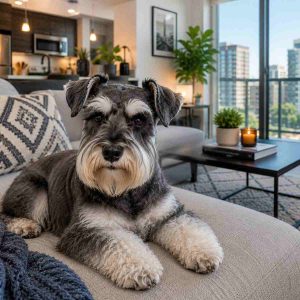
Yes—Miniature Schnauzers can make excellent apartment dogs, provided their physical and mental exercise needs are met. Their compact size, adaptability, and affectionate nature allow them to thrive in smaller living spaces, making them a popular choice for apartment and condominium dwellers.
While they don’t require a large yard, Miniature Schnauzers do need daily opportunities to burn off energy. Most adults benefit from at least two walks each day, along with interactive play, training sessions, and puzzle toys. A well-exercised Miniature Schnauzer is typically calm and content indoors, happily relaxing with its family after an active day.
One consideration for apartment living is the breed’s natural tendency to bark. Miniature Schnauzers were bred to be alert watchdogs and will often announce visitors, unfamiliar noises, or activity outside the home. Early training and socialization are important to teach your dog when barking is appropriate and when it’s time to settle down.
Because they are highly social dogs, Miniature Schnauzers also do best when they receive plenty of companionship. Owners who work long hours away from home should ensure their dog has adequate exercise, enrichment, and, if necessary, a midday walk or visit from a trusted pet sitter.
For owners willing to provide daily activity and consistent training, the Miniature Schnauzer is one of the best small breeds for apartment living. Their manageable size, intelligence, and adaptable personality allow them to flourish in homes of almost any size.
🐾 DogPage Recommendation
Apartment living is an excellent fit for a Miniature Schnauzer if you’re committed to regular walks, mental stimulation, and teaching quiet behaviour from an early age. Their small size and adaptable nature make them wonderful companions for urban living.
💡 Beginner Mistake to Avoid
Don’t expect your Miniature Schnauzer to exercise itself indoors. Without sufficient daily walks and mental enrichment, boredom may lead to excessive barking or other unwanted behaviours that can become frustrating for both you and your neighbours.
Apartment Living Snapshot
| Apartment Suitability | ★★★★★ |
|---|---|
| Indoor Activity Level | ★★★★☆ |
| Needs Daily Walks | ★★★★★ |
| Noise Level | ★★★☆☆ (trainable) |
| Requires a Yard? | No |
Are Miniature Schnauzers Good for Seniors?
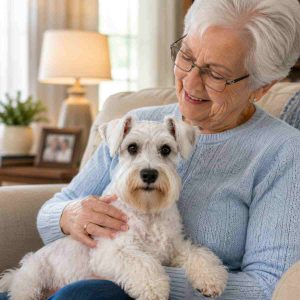
Miniature Schnauzers can make wonderful companions for active seniors who are looking for an affectionate, intelligent, and engaging dog. Their manageable size, loyal nature, and eagerness to spend time with their owners make them an excellent choice for retirees who enjoy daily walks and interacting closely with their pets.
Unlike some high-energy working breeds, Miniature Schnauzers don’t require hours of strenuous exercise. Most are happy with a couple of daily walks, some playtime, and opportunities to learn new tricks or solve puzzle toys. Once their exercise needs have been met, they are usually content to relax quietly beside their favorite person for the rest of the day.
The breed’s compact size is another advantage. Weighing between 11 and 20 pounds, most Miniature Schnauzers are easy to lift when necessary, transport to veterinary appointments, or take along on trips. Their adaptable nature also allows them to thrive in apartments, condominiums, retirement communities, or smaller homes.
Prospective senior owners should remember that Miniature Schnauzers require regular professional grooming and benefit from daily companionship. They are social dogs that enjoy being involved in everyday activities and may become unhappy if left alone for extended periods on a regular basis.
For seniors who are reasonably active and willing to invest time in grooming, training, and companionship, the Miniature Schnauzer offers an outstanding combination of affection, intelligence, loyalty, and manageable exercise needs.
🐾 DogPage Recommendation
The Miniature Schnauzer is an excellent choice for active retirees who want a loyal companion to accompany them on walks, errands, and everyday adventures. Their affectionate personality and adaptable nature make them wonderful partners for an active lifestyle.
💡 Beginner Mistake to Avoid
Don’t choose a Miniature Schnauzer expecting a completely low-maintenance companion. While their exercise needs are moderate, they still require regular grooming, mental stimulation, and daily interaction to remain healthy and happy.
Senior Companion Snapshot
| Suitability for Seniors | ★★★★★ |
|---|---|
| Exercise Requirements | Moderate |
| Easy to Lift | ★★★★★ |
| Companionship | ★★★★★ |
| Overall DogPage Rating for Seniors | ★★★★★ |
Are Miniature Schnauzers Good for First-Time Owners?

Yes. The Miniature Schnauzer is widely considered one of the best small dog breeds for first-time owners. Their intelligence, eagerness to learn, manageable size, and affectionate personality make them relatively easy to live with, provided their exercise, grooming, and companionship needs are met.
Miniature Schnauzers are highly trainable and generally respond exceptionally well to positive reinforcement. They enjoy learning new commands, tricks, and games, making training an enjoyable experience for both dog and owner. Their desire to please and natural intelligence often allow new owners to build confidence as they work together.
The breed is also remarkably adaptable. Whether you live in an apartment, townhouse, or detached home, a Miniature Schnauzer can thrive as long as it receives daily walks, mental stimulation, and plenty of time with its family. Their sturdy build and friendly disposition also make them a good fit for singles, couples, and families with respectful children.
First-time owners should understand that Miniature Schnauzers are not completely maintenance-free. Their low-shedding coat requires regular brushing and professional grooming, and their alert watchdog instincts mean they should be taught appropriate barking behaviour from an early age. Consistent training and socialization during puppyhood help develop a calm, well-mannered adult dog.
For people willing to invest a little time in training and grooming, the Miniature Schnauzer offers an outstanding balance of companionship, intelligence, and adaptability. It’s easy to see why this breed has become a favourite among first-time dog owners around the world.
🐾 DogPage Recommendation
If this is your first dog, the Miniature Schnauzer is an excellent choice. Enrol in a puppy training class, begin socialization early, and establish consistent routines. You’ll be rewarded with a loyal, intelligent companion that enjoys learning and sharing everyday life with you.
💡 Beginner Mistake to Avoid
Don’t let your Miniature Schnauzer “get away with” behaviours simply because it’s small. Jumping, excessive barking, and pulling on the leash are much easier to prevent than to correct later. Establish clear rules and positive training habits from day one.
First-Time Owner Snapshot
| Ease of Training | ★★★★★ |
|---|---|
| Adaptability | ★★★★★ |
| Forgiving of Beginner Mistakes | ★★★★☆ |
| Overall Suitability | ★★★★★ |
| DogPage Recommendation | One of our top choices for first-time dog owners. |
Is a Miniature Schnauzer Right for You?
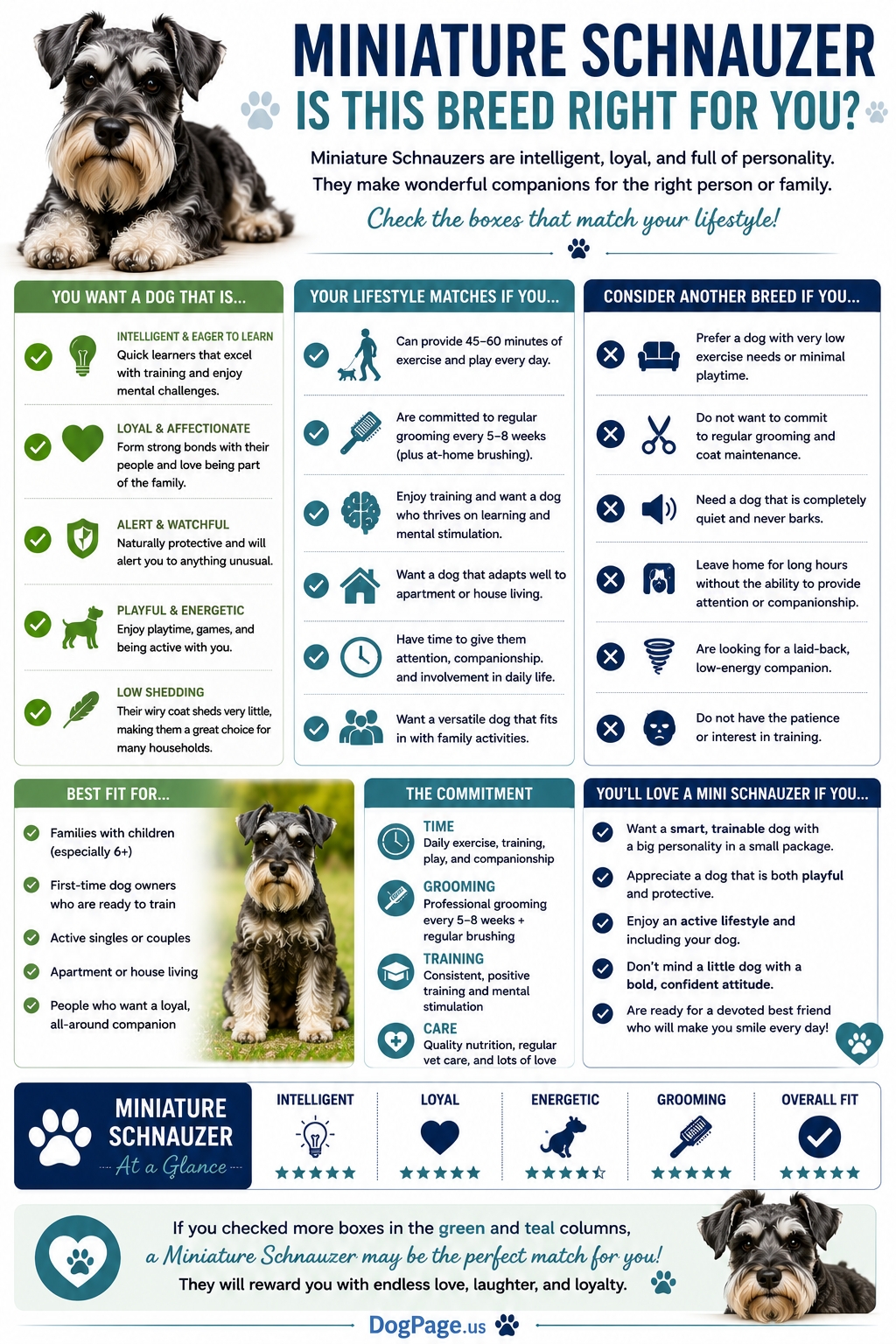
The Miniature Schnauzer is one of the most versatile and well-rounded small dog breeds, making it an excellent choice for many households. Intelligent, affectionate, adaptable, and full of personality, these charming dogs fit comfortably into a variety of lifestyles, from busy family homes to apartments and active retirees. However, like every breed, they are happiest with owners whose lifestyle matches their needs.
If you’re looking for a loyal companion that enjoys spending time with its family, learns quickly, sheds very little, and adapts well to different living environments, the Miniature Schnauzer may be an outstanding match. Their combination of moderate exercise requirements, compact size, and eagerness to please makes them one of DogPage’s favourite all-around companion breeds.
On the other hand, this breed isn’t the best choice for everyone. Miniature Schnauzers require regular professional grooming, daily exercise, consistent training, and plenty of companionship. They can also be vocal if not taught appropriate barking behaviour from an early age. Owners who are frequently away from home or looking for a completely low-maintenance pet may wish to consider another breed.
You May Love a Miniature Schnauzer If You…
- ✔ Want an intelligent, highly trainable companion.
- ✔ Prefer a low-shedding dog.
- ✔ Enjoy daily walks and interactive play.
- ✔ Are willing to provide regular grooming.
- ✔ Want a dog that bonds closely with its family.
- ✔ Live in an apartment, townhouse, or house.
- ✔ Appreciate an alert watchdog.
You May Want to Consider Another Breed If You…
- ✘ Want a dog that requires very little grooming.
- ✘ Are away from home for long hours most days.
- ✘ Prefer an exceptionally quiet breed.
- ✘ Don’t have time for regular training and mental stimulation.
- ✘ Want a dog that’s content with minimal daily exercise.
🐾 DogPage Recommendation
The Miniature Schnauzer earns one of our highest overall recommendations. For owners willing to provide regular grooming, exercise, and companionship, this lively little dog offers exceptional loyalty, intelligence, and versatility. It’s a breed that fits comfortably into many different lifestyles while providing years of devoted companionship.
💡 Final Thought Before Choosing
Choose your breeder or rescue carefully, invest in early training and socialization, and be prepared to make your Miniature Schnauzer a true member of the family. With the right care and commitment, you’ll likely enjoy many happy years with one of the world’s most beloved small dog breeds.
DogPage Overall Rating
| Temperament | ★★★★★ |
|---|---|
| Trainability | ★★★★★ |
| Adaptability | ★★★★★ |
| Family Friendliness | ★★★★★ |
| Apartment Living | ★★★★★ |
| Overall DogPage Rating | 9.8 / 10 ⭐ |
Miniature Schnauzer Adoption
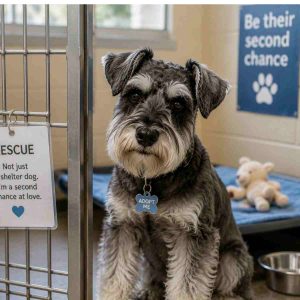
If you’ve decided that a Miniature Schnauzer is the right breed for your family, consider adoption before purchasing a puppy. Every year, Miniature Schnauzers and Schnauzer mixes of all ages find themselves in need of loving new homes due to changes in their owners’ circumstances rather than any fault of their own.
Adopting an adult Miniature Schnauzer offers several advantages. Many rescue dogs are already house-trained, have basic manners, and have established personalities, making it easier to find a companion that matches your lifestyle. Rescue organizations also assess each dog’s temperament, health, and behaviour to help ensure a successful match.
Puppies are undeniably adorable, but they require significantly more time, training, socialization, and patience than most adult dogs. If you’re a first-time owner or have a busy lifestyle, adopting an adult or senior Miniature Schnauzer may be an excellent option.
If you decide to purchase a puppy instead, choose a responsible breeder who performs appropriate health testing, raises puppies in a clean, caring home environment, and prioritizes health and temperament over unusual colours or profit. Avoid purchasing puppies from pet stores, online brokers, or breeders who are unwilling to answer questions or allow you to meet the puppies and their mother.
🐾 DogPage Recommendation
We encourage prospective owners to explore adoption first. Many wonderful Miniature Schnauzers are waiting in breed-specific rescues and animal shelters for a second chance with a loving family.
💡 Beginner Mistake to Avoid
Don’t make an impulse decision based solely on an adorable puppy photo. Take time to research the breed, evaluate your lifestyle, and choose a dog whose personality, energy level, and care requirements are a good fit for your home.
Looking for a Miniature Schnauzer to adopt? Browse our Dogs for Adoption listings and check with local animal shelters and breed-specific rescue organizations. Your perfect companion could already be waiting for you.
Finding a Responsible Miniature Schnauzer Breeder

If you decide that purchasing a puppy is the best option for your family, choosing a responsible breeder is one of the most important decisions you’ll make. A reputable breeder’s goal is to produce healthy, well-socialized puppies with sound temperaments that closely reflect the Miniature Schnauzer breed standard—not simply to produce puppies for sale.
Good breeders carefully screen their breeding dogs for inherited health conditions, raise puppies in a clean home environment, provide early socialization, and are committed to the lifelong welfare of every puppy they produce. They will happily answer your questions, explain the strengths and challenges of the breed, and want to ensure their puppies are placed in suitable homes.
Expect a responsible breeder to ask you questions as well. They may want to learn about your family, lifestyle, previous dog experience, work schedule, and expectations. This isn’t an interrogation—it’s a sign that they care deeply about matching each puppy with the right home.
Signs of a Responsible Breeder
- ✔ Performs recommended health testing on breeding dogs.
- ✔ Raises puppies in a clean, stimulating home environment.
- ✔ Encourages you to meet the puppies and their mother whenever possible.
- ✔ Provides veterinary records and vaccination information.
- ✔ Offers ongoing advice and support after you take your puppy home.
- ✔ Uses a written contract and is willing to take the dog back if circumstances change.
Warning Signs
- ❌ Always has puppies available.
- ❌ Sells puppies through pet stores or third-party brokers.
- ❌ Refuses to answer questions or discuss health testing.
- ❌ Won’t allow you to see where the puppies are raised.
- ❌ Focuses heavily on “rare colours” or unusually small puppies rather than health and temperament.
- ❌ Pressures you to make an immediate purchase.
🐾 DogPage Recommendation
Take your time finding the right breeder. Waiting a few extra months for a healthy, well-socialized puppy from a responsible breeder is almost always worth it. A good breeder will be a valuable source of advice and support throughout your dog’s life.
💡 Beginner Mistake to Avoid
Don’t choose a breeder based solely on price or convenience. The initial purchase price is only a small part of the lifelong cost of owning a dog. Choosing a healthy puppy from an ethical breeder can reduce the risk of expensive health and behavioural problems in the future.
Frequently Asked Questions About Miniature Schnauzers
Do Miniature Schnauzers shed?
Miniature Schnauzers shed very little compared to most dog breeds. Their wiry double coat continuously grows rather than shedding heavily throughout the year. Regular brushing and professional grooming every five to eight weeks help keep the coat healthy and minimize loose hair around the home.
Are Miniature Schnauzers hypoallergenic?
No dog is completely hypoallergenic. However, because Miniature Schnauzers shed very little, they often produce fewer airborne allergens than many other breeds. Some people with mild dog allergies find they tolerate the breed well, while others may still experience allergic reactions.
How big do Miniature Schnauzers get?
Most adult Miniature Schnauzers stand between 12 and 14 inches (30–36 cm) tall at the shoulder and weigh between 11 and 20 pounds (5–9 kg), making them a sturdy yet compact small breed.
Are Miniature Schnauzers good family dogs?
Yes. Miniature Schnauzers are affectionate, playful, and loyal companions that generally get along well with children and other pets when properly socialized. Their sturdy build makes them better suited to family life than many more delicate toy breeds.
Do Miniature Schnauzers bark a lot?
Miniature Schnauzers are naturally alert watchdogs and are more vocal than some breeds. They often bark to alert their owners to visitors or unusual sounds. With early training, socialization, and adequate exercise, excessive barking can usually be managed successfully.
How much exercise does a Miniature Schnauzer need?
Most healthy adult Miniature Schnauzers need about 45 to 60 minutes of exercise each day, along with regular mental stimulation through training, puzzle toys, games, and interactive play.
Are Miniature Schnauzers easy to train?
Yes. They are among the most intelligent and trainable small dog breeds. Positive reinforcement, consistency, and early socialization help them develop into confident, well-mannered companions.
How long do Miniature Schnauzers live?
With good nutrition, regular veterinary care, and a healthy lifestyle, Miniature Schnauzers commonly live between 13 and 15 years, with some living even longer.
Are Miniature Schnauzers good for first-time owners?
Absolutely. Their intelligence, adaptability, manageable size, and affectionate temperament make them one of DogPage’s top recommendations for first-time dog owners who are prepared to meet their grooming and exercise needs.
Should I adopt or buy a Miniature Schnauzer?
Both can be excellent options. We encourage prospective owners to consider adoption first, as many wonderful Miniature Schnauzers and Schnauzer mixes are looking for loving homes. If purchasing a puppy, choose a responsible breeder who prioritizes health, temperament, and lifelong support for their dogs.
Continue Exploring DogPage
Still researching the perfect small dog? Compare the Miniature Schnauzer with other popular breeds and discover expert advice to help you choose the right canine companion for your lifestyle.
🐾 DogPage Recommendation
Every breed has its own strengths, personality, and care requirements. If you’re still undecided, compare several breeds before making your final decision. Taking the time to find the right match will help ensure a happy relationship for both you and your future dog.
Trusted Resources
At DogPage, we’re committed to providing accurate, evidence-based information to help you make informed decisions about dog ownership. While our breed guides are written to be comprehensive and practical, we encourage readers to consult reputable veterinary and breed organizations for additional information about Miniature Schnauzers.
- American Kennel Club (AKC) – Breed standard, temperament, history, and responsible dog ownership resources.
- American Miniature Schnauzer Club (AMSC) – Breed education, health information, breeder referral, rescue resources, and events.
- Canadian Kennel Club (CKC) – Breed standards, registered breeders, and educational resources for Canadian dog owners.
- The Kennel Club (UK) – Breed information, health testing recommendations, and responsible breeding guidance.
- World Small Animal Veterinary Association (WSAVA) – Global veterinary guidelines on nutrition, preventive healthcare, vaccinations, and wellness.
- American Animal Hospital Association (AAHA) – Trusted veterinary guidance on preventive care, dental health, vaccinations, and senior pet care.
🐾 DogPage Recommendation
No single website has all the answers. Use trusted veterinary organizations, responsible breed clubs, and your veterinarian as partners in helping your Miniature Schnauzer enjoy a long, healthy, and happy life.
Medical Disclaimer: The information in this guide is intended for educational purposes only and should not replace professional veterinary advice, diagnosis, or treatment. If your Miniature Schnauzer is ill, injured, or displaying unusual symptoms, consult your veterinarian promptly.
This guide was researched and reviewed by the DogPage editorial team and is updated periodically to reflect current veterinary recommendations and breed information.