
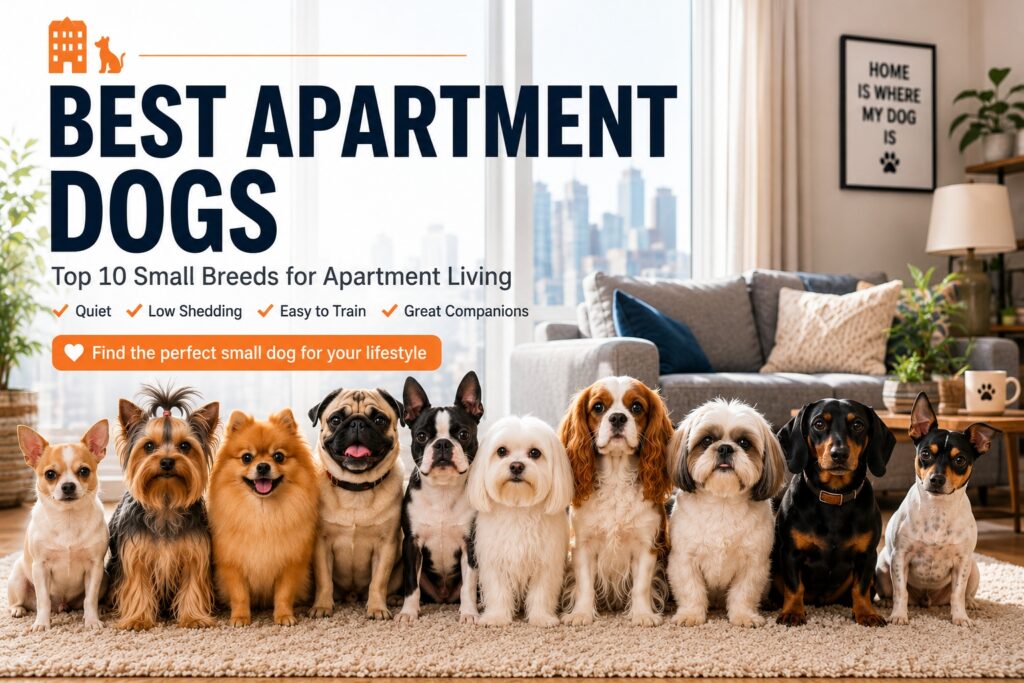
Living in an apartment doesn’t mean you have to give up your dream of sharing your life with a dog. In fact, many small dog breeds thrive in apartments, condos, townhomes, and other compact living spaces when paired with the right owner and lifestyle.
The secret, however, isn’t simply choosing the smallest dog you can find.
Some tiny breeds are surprisingly energetic, vocal, or independent, while others are content to spend much of the day relaxing beside their favorite person. The best apartment dogs combine manageable exercise needs with adaptable personalities, making them wonderful companions even when outdoor space is limited.
Whether you’re moving into your first apartment, downsizing to a condo, or simply looking for a canine companion that fits comfortably into city living, choosing the right breed is one of the most important decisions you’ll make. A dog whose energy level, temperament, grooming needs, and lifestyle requirements match your own is far more likely to become a happy, well-adjusted member of your family.
In this comprehensive guide, we’ll introduce ten of the best small dog breeds for apartment living, explain what makes each one a great choice, and discuss the qualities that matter most when choosing an apartment-friendly companion. You’ll also find a detailed comparison chart, practical apartment-living tips, answers to frequently asked questions, and links to our complete breed guides so you can continue your research.
It’s worth remembering that no breed is “perfect” for every owner. Some apartment dwellers enjoy long daily walks and outdoor adventures with energetic dogs, while others prefer a calm companion that’s happiest curled up on the sofa. Likewise, some owners don’t mind regular grooming, while others are looking for a low-maintenance pet that fits into a busy lifestyle.
Our recommendations are based on a combination of factors, including size, adaptability, exercise needs, trainability, barking tendencies, grooming requirements, and overall suitability for life in smaller homes. We’ve also considered which breeds are especially well suited to first-time dog owners, seniors, families, and people living in busy urban environments.
Every breed featured here has earned its place for different reasons. Some excel because they’re exceptionally quiet. Others are incredibly affectionate, highly trainable, or remarkably adaptable. By understanding the strengths and characteristics of each breed, you’ll be much better equipped to choose a dog that fits not only your home, but also your personality and daily routine.
Each breed profile includes our exclusive DogPage Apartment Compatibility Score, along with a summary of strengths, considerations, and direct links to our in-depth breed guides, where you’ll find detailed information on temperament, training, grooming, health, nutrition, exercise, and much more.
If you’re ready to discover which small dog could become your perfect apartment companion, let’s begin by looking at the qualities that truly make a dog well suited to apartment living.
What Makes a Good Apartment Dog?
Many people assume that any small dog will automatically make a great apartment pet. While size certainly matters, it’s only one piece of the puzzle. In reality, some small breeds can be surprisingly demanding, vocal, or energetic, while certain larger breeds are perfectly content living in apartments. The best apartment dogs are those whose personality, exercise needs, and adaptability fit comfortably into a smaller living space and an urban lifestyle.
Whether you live in a downtown high-rise, a suburban condo, or a cozy studio apartment, choosing the right breed can make life easier for both you and your dog. Before introducing our top recommendations, it’s worth understanding the qualities that separate truly apartment-friendly dogs from those that may struggle in confined spaces.
Temperament Matters More Than Size
One of the biggest misconceptions about apartment dogs is that smaller automatically means better. While a Chihuahua takes up far less room than a Labrador Retriever, a high-energy, constantly barking Chihuahua may be much more challenging in an apartment than a calm, quiet larger dog.
The best apartment dogs tend to be adaptable, people-oriented, and capable of relaxing indoors after their daily exercise. They enjoy spending time with their families and don’t require acres of space to stay happy.
Many of the breeds featured in this guide were originally developed as companion dogs, making them naturally well suited to life indoors.
Exercise Requirements
Every dog needs daily exercise, regardless of size. The difference lies in how much exercise they require to remain physically and mentally satisfied.
Many apartment-friendly breeds are perfectly happy with two daily walks, some indoor playtime, and opportunities to explore new sights and smells. Others, such as Rat Terriers, require considerably more physical and mental stimulation to prevent boredom.
If your lifestyle includes regular walks, nearby parks, or hiking adventures, you’ll have many more breed options than someone who prefers a quieter routine.
Barking and Noise Levels
Sharing walls, ceilings, and hallways with neighbours means barking deserves special consideration.
Some breeds naturally alert their owners whenever someone walks past the apartment door or an elevator opens nearby. Others are generally quieter and less reactive to everyday apartment noises.
While proper training can significantly reduce nuisance barking, breed tendencies still matter. If maintaining good relationships with neighbours is important, choosing a naturally quieter breed can make apartment living much more enjoyable.
Adaptability
Apartment life often involves elevators, stairs, busy sidewalks, unfamiliar noises, visitors, maintenance workers, and changing routines. Dogs that adapt easily to new environments generally settle into apartment living more successfully.
Confident, well-socialized dogs usually adjust to these situations with minimal stress, while more anxious breeds may need additional training and reassurance.
Trainability
Good manners become especially important when living in close proximity to other people.
An apartment-friendly dog should learn basic commands, polite leash walking, reliable house training, and calm behaviour around neighbours, visitors, and other dogs.
Highly trainable breeds often become excellent apartment companions because they quickly learn household routines and expectations.
Grooming and Cleanliness
Living in a smaller space means you’ll notice shedding, muddy paws, and grooming needs much more quickly than someone with a large home.
Some breeds shed very little but require regular brushing and professional grooming. Others require almost no grooming but shed considerably more throughout the year.
Understanding these differences helps prevent unpleasant surprises after bringing your new companion home.
Separation Anxiety
Many small companion breeds form incredibly close bonds with their owners. While this loyalty is one of their greatest strengths, it can also lead to separation anxiety if they’re left alone for long periods.
If you work away from home most days, consider breeds that are more independent or plan for dog walkers, daycare, or enrichment activities to keep your companion occupied.
Choosing the Right Match
Ultimately, the best apartment dog isn’t simply the smallest, quietest, or easiest breed. It’s the one whose needs align with your own lifestyle.
Some owners want an energetic little hiking companion. Others dream of a quiet lap dog that enjoys leisurely walks and evenings on the couch. Neither choice is right or wrong—they’re simply different.
The ten breeds featured below represent some of the very best small dogs for apartment living, each bringing its own unique personality, strengths, and considerations. By understanding what makes each breed special, you’ll be much more likely to find a companion that fits beautifully into both your home and your life.
Next, let’s compare our top apartment-friendly breeds side by side before taking a closer look at each one individually.
Apartment Dog Comparison Chart
Every dog is an individual, but certain breeds consistently adapt better to apartment living than others. Our DogPage Apartment Compatibility Ratings are based on a combination of temperament, adaptability, barking tendency, exercise needs, grooming requirements, and overall suitability for life in apartments, condos, and other smaller homes.
Use this chart as a quick reference to compare the strengths of each breed before exploring our detailed breed profiles below. Remember that training, socialization, and responsible ownership play an important role in every dog’s success, regardless of breed.
| Breed | Apartment Living | Barking | Exercise | Grooming | First-Time Owners | Overall Score |
|---|---|---|---|---|---|---|
| Maltese | 10/10 | 8/10 | 6/10 | 7/10 | 10/10 | 9.7 |
| Cavalier King Charles Spaniel | 10/10 | 9/10 | 6/10 | 6/10 | 10/10 | 9.7 |
| Pug | 10/10 | 8/10 | 6/10 | 8/10 | 10/10 | 9.6 |
| Chihuahua | 9/10 | 6/10 | 7/10 | 9/10 | 8/10 | 9.2 |
| Yorkshire Terrier | 9/10 | 7/10 | 7/10 | 6/10 | 8/10 | 9.1 |
| Shih Tzu | 9/10 | 8/10 | 5/10 | 6/10 | 9/10 | 9.1 |
| Boston Terrier | 9/10 | 8/10 | 7/10 | 9/10 | 9/10 | 9.0 |
| Pomeranian | 8/10 | 5/10 | 7/10 | 5/10 | 7/10 | 8.3 |
| Dachshund | 8/10 | 5/10 | 7/10 | 8/10 | 8/10 | 8.2 |
| Rat Terrier | 7/10 | 6/10 | 9/10 | 9/10 | 7/10 | 8.1 |
How to Read Our Ratings
- Apartment Living: Overall suitability for apartments, condos, and smaller homes.
- Barking: Higher scores indicate breeds that are generally quieter and less likely to disturb neighbours.
- Exercise: Higher scores indicate dogs that are satisfied with relatively modest daily exercise.
- Grooming: Higher scores indicate lower-maintenance coats and easier grooming routines.
- First-Time Owners: How well the breed typically suits inexperienced dog owners.
- Overall Score: DogPage’s overall apartment compatibility rating, balancing temperament, adaptability, exercise, grooming, trainability, and ease of ownership.
No breed is perfect for every person, but this comparison should give you a good starting point. Next, we’ll take a closer look at each of our top ten apartment-friendly breeds and explain exactly why they earned their place on our list.
The 10 Best Small Dog Breeds for Apartment Living
Not all small dogs are equally suited to apartment life. The following breeds consistently rank among the best thanks to their adaptability, manageable exercise requirements, affectionate personalities, and ability to thrive in smaller homes. While every dog is an individual, these breeds have earned their reputations as outstanding companions for apartment dwellers.
1. Maltese
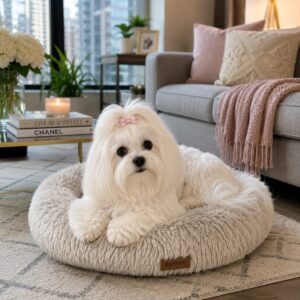
DogPage Apartment Compatibility Score: 9.7 / 10
- Apartment Living: ⭐⭐⭐⭐⭐
- Quietness: ⭐⭐⭐⭐☆
- Exercise Needs: ⭐⭐⭐⭐⭐
- Grooming: ⭐⭐⭐☆☆
- First-Time Owners: ⭐⭐⭐⭐⭐
If one breed seems purpose-built for apartment living, it’s the Maltese. These charming little companions have spent centuries doing exactly what they do best today—living closely with their people. They don’t need a large backyard to be happy. Instead, they thrive on companionship, affection, and simply being part of everyday life.
Despite their elegant appearance, Maltese dogs are playful, curious, and surprisingly confident. They enjoy short daily walks, indoor games, and plenty of cuddle time on the sofa. Because they bond so closely with their families, they’re happiest when included in daily activities rather than being left alone for long periods.
Their compact size makes them ideal for apartments of virtually any size, from studio flats to spacious condominiums. They travel easily, adapt well to city life, and generally require far less exercise than many other small breeds. For retirees, professionals working from home, and anyone looking for a devoted companion, the Maltese is difficult to beat.
Why They’re Great Apartment Dogs
- Compact enough for even the smallest apartments
- Generally quiet when properly trained
- Happy with moderate daily exercise
- Very affectionate and people-oriented
- Excellent choice for seniors and first-time owners
- Minimal shedding compared to many breeds
Things to Consider
- Their beautiful coat requires regular grooming.
- They dislike being left alone for long hours.
- Early socialization helps prevent excessive barking.
- Because of their small size, they should be handled gently around very young children.
Perfect For
Seniors • Apartment dwellers • Condo owners • Singles • Couples • First-time dog owners • People seeking an affectionate lap dog.
Learn more: Read our Complete Maltese Breed Guide →
2. Cavalier King Charles Spaniel
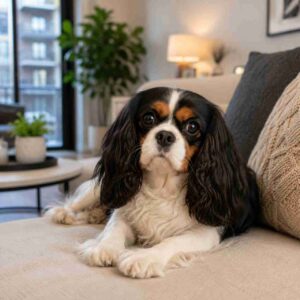
DogPage Apartment Compatibility Score: 9.7 / 10
- Apartment Living: ⭐⭐⭐⭐⭐
- Quietness: ⭐⭐⭐⭐⭐
- Exercise Needs: ⭐⭐⭐⭐⭐
- Grooming: ⭐⭐⭐⭐☆
- First-Time Owners: ⭐⭐⭐⭐⭐
If your vision of the perfect apartment dog includes a gentle companion who enjoys leisurely walks, curling up beside you on the sofa, and greeting every visitor with a wagging tail, the Cavalier King Charles Spaniel deserves a place at the very top of your shortlist. Originally bred as companion dogs for European nobility, Cavaliers continue to excel at the role they were born to perform—being loving, devoted family companions.
One of the breed’s greatest strengths is its remarkable adaptability. Cavaliers are just as content accompanying you on a weekend stroll through the neighbourhood as they are spending a quiet evening watching television. They’re playful without being hyperactive, affectionate without being overly demanding, and social enough to fit comfortably into most households.
Apartment life suits Cavaliers exceptionally well because they generally don’t require huge amounts of exercise to remain happy and healthy. A couple of daily walks, a little playtime, and plenty of attention from their favourite people are usually enough to satisfy both their physical and emotional needs. Their moderate energy level makes them an excellent choice for busy professionals, retirees, and families alike.
Unlike some toy breeds that can be naturally suspicious of strangers or quick to sound the alarm, Cavaliers are typically friendly and welcoming. While they may bark to announce someone at the door, they are generally quieter than many small breeds, making them particularly well suited to apartment buildings where noise can quickly become an issue.
Perhaps the breed’s greatest quality is its affectionate temperament. Cavaliers genuinely love being with people. They thrive on companionship and often form deep emotional bonds with every member of the household. If you’re looking for a dog that wants nothing more than to share your daily life, few breeds do it better.
Why They’re Great Apartment Dogs
- Exceptionally adaptable to smaller living spaces.
- Generally quiet and well-mannered.
- Friendly with neighbours, visitors, and other pets.
- Moderate exercise requirements.
- Outstanding companion for seniors and first-time owners.
- Affectionate without being overly demanding.
Things to Consider
- They dislike being left alone for extended periods.
- Their silky coat benefits from regular brushing.
- Like all purebred dogs, they can be prone to certain inherited health conditions, making it especially important to choose a responsible breeder or reputable rescue.
- They thrive on companionship and may develop separation anxiety if left alone too often.
Perfect For
Seniors • Couples • Families • Apartment dwellers • Condo owners • First-time dog owners • People looking for an affectionate companion.
Learn more: Read our Complete Cavalier King Charles Spaniel Breed Guide →
3. Pug
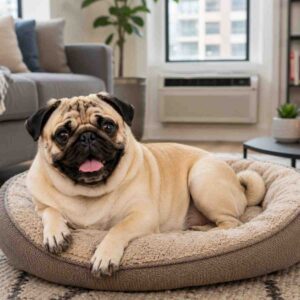
DogPage Apartment Compatibility Score: 9.6 / 10
- Apartment Living: ⭐⭐⭐⭐⭐
- Quietness: ⭐⭐⭐⭐☆
- Exercise Needs: ⭐⭐⭐⭐⭐
- Grooming: ⭐⭐⭐⭐☆
- First-Time Owners: ⭐⭐⭐⭐⭐
If happiness came wrapped in wrinkles and carried a permanently cheerful expression, it would probably look like a Pug. These charming little companions have been making people smile for centuries with their affectionate personalities, comical antics, and remarkable ability to turn almost any ordinary moment into entertainment.
Pugs were bred to be companion dogs, and they still excel in that role today. They aren’t interested in chasing livestock, guarding estates, or spending hours patrolling a backyard. Their greatest ambition is usually much simpler: spending as much time as possible with the people they love.
That makes them exceptionally well suited to apartment living. Pugs are generally content in smaller homes provided they receive regular walks, opportunities to play, and plenty of human companionship. They’re not marathon runners, nor do they need large outdoor spaces to burn off endless energy. In fact, many Pugs are perfectly happy alternating short walks with long naps in a sunny spot on the living room floor.
Another advantage for apartment dwellers is the breed’s easy-going nature. Pugs are typically friendly with neighbours, visitors, children, and other pets. While they will usually alert you when someone knocks at the door, they aren’t known for excessive barking, making them an excellent choice for shared living environments.
One of the breed’s most endearing qualities is its sense of humour. Pugs seem to possess an uncanny ability to make people laugh, whether they’re snoring dramatically, tilting their head in confusion, or racing around the living room during an unexpected burst of excitement. Their playful spirit often remains well into adulthood, making them delightful companions for families, singles, couples, and seniors alike.
Because they form strong bonds with their owners, Pugs enjoy being included in everyday life. Whether you’re working from home, watching a movie, or relaxing with a book, chances are your Pug will be close by—usually on your lap if given the opportunity.
Why They’re Great Apartment Dogs
- Compact size makes them ideal for apartments and condos.
- Moderate exercise requirements fit well with urban lifestyles.
- Generally quiet and neighbour-friendly.
- Exceptionally affectionate and people-oriented.
- Excellent choice for first-time dog owners.
- Friendly with children and many other pets.
Things to Consider
- Pugs are brachycephalic (short-nosed) dogs and can be sensitive to heat and humidity.
- They shed more than many people expect despite their short coat.
- Maintaining a healthy weight is especially important to protect their joints and breathing.
- Facial wrinkles should be cleaned regularly to help prevent skin irritation and infection.
Perfect For
Apartment dwellers • First-time dog owners • Seniors • Families • Couples • Singles • Anyone looking for a loyal, affectionate companion with a wonderful sense of humour.
Learn more: Read our Complete Pug Breed Guide →
Thinking a Pug might be your perfect apartment companion?
Visit our complete Pug Breed Guide for detailed information on temperament, training, health, grooming, nutrition, exercise, puppy care, frequently asked questions, and dozens of photos.
4. Chihuahua
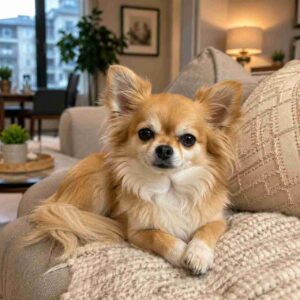
DogPage Apartment Compatibility Score: 9.2 / 10
- Apartment Living: ⭐⭐⭐⭐⭐
- Quietness: ⭐⭐⭐☆☆
- Exercise Needs: ⭐⭐⭐⭐⭐
- Grooming: ⭐⭐⭐⭐⭐
- First-Time Owners: ⭐⭐⭐⭐☆
Don’t let their tiny size fool you—Chihuahuas are among the biggest personalities in the canine world. Intelligent, devoted, curious, and endlessly entertaining, these little dogs often behave as though they’re ten times their actual size. It’s one of the many reasons they’re so beloved by owners around the world.
When it comes to apartment living, Chihuahuas have one enormous advantage: they simply don’t require much space. Whether you live in a downtown studio apartment, a city condo, or a modest townhouse, a Chihuahua can be perfectly happy as long as they receive regular walks, mental stimulation, and plenty of time with their favourite humans.
Chihuahuas also travel exceptionally well. Their compact size makes them easy to carry, transport, and include in everyday adventures, making them popular companions for people who enjoy an active urban lifestyle.
However, apartment life isn’t quite effortless with every Chihuahua. The breed is naturally alert and protective, and many will happily announce every visitor, delivery driver, or unfamiliar sound in the hallway. Fortunately, early socialization and positive training go a long way toward preventing nuisance barking and helping your Chihuahua become a polite apartment neighbour.
One of the breed’s greatest strengths is its loyalty. Chihuahuas often develop incredibly close bonds with their owners and genuinely love being involved in everything their family does. They’ll happily follow you from room to room, supervise your daily routine, and claim the warmest spot on the couch—or your lap—whenever possible.
Despite their delicate appearance, Chihuahuas are surprisingly confident little dogs. Many enjoy learning tricks, solving food puzzles, playing interactive games, and exploring new environments. Their intelligence makes training rewarding, although they can occasionally display the stubborn streak that’s common among highly independent toy breeds.
Why They’re Great Apartment Dogs
- One of the smallest companion breeds, requiring very little living space.
- Easy to exercise with short walks and indoor play.
- Excellent choice for city living and frequent travel.
- Deeply loyal and affectionate with their families.
- Long lifespan means many years of companionship.
- Both smooth and long-coated varieties are relatively easy to maintain.
Things to Consider
- Can become vocal without early training and socialization.
- May be cautious around unfamiliar people.
- Their tiny size means they’re not ideal for rough handling by very young children.
- Because they bond so closely with their owners, some Chihuahuas dislike being left alone for long periods.
Perfect For
Singles • Couples • Seniors • Apartment dwellers • Frequent travellers • People wanting a devoted one-person companion • Experienced and first-time owners willing to invest in early training.
Learn more: Read our Complete Chihuahua Breed Guide →
Could a Chihuahua be your perfect apartment companion?
Explore our comprehensive Chihuahua Breed Guide for detailed information on personality, health, grooming, training, exercise, nutrition, puppy care, frequently asked questions, and beautiful photo galleries.
5. Yorkshire Terrier
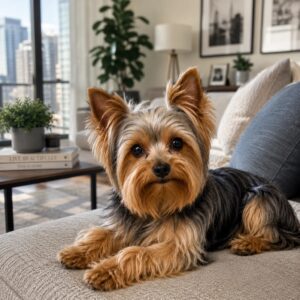
DogPage Apartment Compatibility Score: 9.1 / 10
- Apartment Living: ⭐⭐⭐⭐⭐
- Quietness: ⭐⭐⭐☆☆
- Exercise Needs: ⭐⭐⭐⭐☆
- Grooming: ⭐⭐⭐☆☆
- First-Time Owners: ⭐⭐⭐⭐☆
Elegant, confident, and overflowing with personality, the Yorkshire Terrier proves that big things really do come in small packages. Although many people know the Yorkie for its beautiful silky coat and glamorous appearance, this little dog was originally bred as a hardworking terrier tasked with hunting rats in textile mills and mines throughout northern England.
That working heritage is still evident today. Yorkshire Terriers are bright, inquisitive, courageous, and remarkably self-assured. They love exploring their surroundings, learning new tricks, and being involved in whatever their owners are doing. Apartment life suits them surprisingly well because their exercise requirements are modest, but they still enjoy daily walks and interactive games that challenge their active minds.
One reason Yorkies excel in apartments is their incredible adaptability. They’re just as happy living in a downtown condominium as they are in a suburban home, provided they receive companionship, mental stimulation, and regular opportunities to burn off their energy. Their tiny size also makes them easy travel companions, whether you’re visiting friends, enjoying a weekend getaway, or simply running errands around town.
Yorkshire Terriers are deeply devoted to their families and often develop strong bonds with one or two favourite people. They enjoy being close to their owners and frequently follow them from room to room, making them wonderful companions for people who work from home or spend plenty of time with their pets.
Like many terriers, Yorkies can be vocal when they believe something deserves your attention. They make surprisingly effective little watchdogs and won’t hesitate to announce visitors or unusual sounds in the hallway. Fortunately, with early socialization and consistent positive training, most Yorkies learn when barking is appropriate and when it’s time to relax.
One feature many apartment dwellers appreciate is the Yorkshire Terrier’s coat. Rather than shedding heavily throughout the year, Yorkies have hair that’s more similar to human hair than typical dog fur. While regular brushing and grooming are essential to keep their coats looking beautiful, they generally leave far less loose hair around the home than many other breeds.
Why They’re Great Apartment Dogs
- Compact size is ideal for apartments, condos, and townhomes.
- Highly intelligent and easy to keep mentally stimulated.
- Low-shedding coat helps keep smaller homes cleaner.
- Adaptable to both city and suburban lifestyles.
- Easy to travel with thanks to their small size.
- Deeply loyal and affectionate companions.
Things to Consider
- Regular brushing and professional grooming help keep the coat healthy and tangle-free.
- Terrier instincts can make them vocal if not properly trained.
- Despite their tiny size, they have plenty of confidence and benefit from early socialization.
- Because they’re so devoted to their families, some Yorkies dislike spending long hours alone.
Perfect For
Apartment dwellers • Singles • Couples • Seniors • Professionals working from home • Frequent travellers • Owners looking for an intelligent, affectionate companion with plenty of personality.
Learn more: Read our Complete Yorkshire Terrier Breed Guide →
Want to learn more about this charming little terrier?
Visit our complete Yorkshire Terrier Breed Guide for detailed information on temperament, training, grooming, health, nutrition, puppy care, FAQs, and an extensive photo gallery.
6. Shih Tzu

DogPage Apartment Compatibility Score: 9.1 / 10
- Apartment Living: ⭐⭐⭐⭐⭐
- Quietness: ⭐⭐⭐⭐☆
- Exercise Needs: ⭐⭐⭐⭐⭐
- Grooming: ⭐⭐⭐☆☆
- First-Time Owners: ⭐⭐⭐⭐⭐
Few breeds were created with companion life more firmly in mind than the Shih Tzu. For centuries these charming little dogs lived in Chinese palaces, where their primary responsibility was to provide companionship to emperors, nobles, and members of the royal court. Thankfully, modern apartment dwellers can enjoy exactly the same loving personality—without needing a palace.
The Shih Tzu is one of the most adaptable toy breeds you’ll ever meet. While they certainly appreciate a daily walk and opportunities to explore the neighbourhood, they’re equally content spending quiet afternoons relaxing beside their favourite people. Unlike many terriers and working breeds, Shih Tzus rarely feel compelled to patrol the property or constantly look for something to do. Their greatest joy is simply being close to their family.
This calm, affectionate nature makes them exceptionally well suited to apartments, condominiums, retirement communities, and smaller homes where excessive barking or endless energy could become a challenge. Most Shih Tzus are friendly with visitors, polite with neighbours, and happy to greet almost anyone willing to offer a gentle scratch behind the ears.
One of the breed’s greatest strengths is its steady temperament. Shih Tzus tend to take life’s little surprises in stride, adapting well to changing routines, elevators, city traffic, and the everyday sounds of apartment living. They’re playful without being hyperactive, affectionate without becoming overwhelming, and confident without being overly demanding.
Their luxurious flowing coat is undoubtedly one of the breed’s defining features. While that beautiful hair requires regular brushing—or professional grooming if kept long—it also sheds very little around the home. Many owners choose a shorter “puppy cut,” which greatly reduces maintenance while preserving the Shih Tzu’s irresistibly adorable appearance.
Perhaps the best word to describe the Shih Tzu is content. Give them a comfortable place to nap, a few leisurely walks, some playtime, and plenty of affection, and they’ll reward you with unwavering companionship for many happy years.
Why They’re Great Apartment Dogs
- Specifically bred to be companion dogs.
- Comfortable living in apartments and condos.
- Generally calm and easygoing indoors.
- Moderate exercise needs fit most lifestyles.
- Low-shedding coat helps keep smaller homes cleaner.
- Wonderful companions for seniors, families, and first-time owners.
Things to Consider
- Regular grooming is essential to maintain a healthy coat.
- Their flat face means they may struggle in hot, humid weather.
- Daily eye and facial cleaning helps prevent irritation.
- Like most companion breeds, they prefer not to spend long hours alone.
Perfect For
Seniors • Apartment dwellers • Condo owners • Families • First-time dog owners • Homebodies • Anyone looking for a calm, affectionate lap dog.
Learn more: Read our Complete Shih Tzu Breed Guide →
Could the Shih Tzu be your perfect apartment companion?
Explore our complete Shih Tzu Breed Guide for expert information on temperament, grooming, health, nutrition, exercise, training, puppy care, frequently asked questions, and dozens of beautiful photos.
7. Boston Terrier
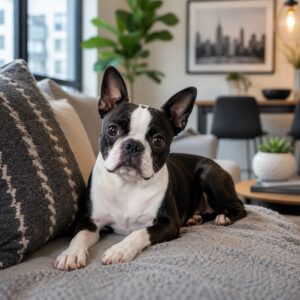
DogPage Apartment Compatibility Score: 9.0 / 10
- Apartment Living: ⭐⭐⭐⭐⭐
- Quietness: ⭐⭐⭐⭐☆
- Exercise Needs: ⭐⭐⭐⭐☆
- Grooming: ⭐⭐⭐⭐⭐
- First-Time Owners: ⭐⭐⭐⭐⭐
Nicknamed the “American Gentleman” because of their tuxedo-like markings and friendly, polite nature, Boston Terriers have earned a reputation as one of the most adaptable companion dogs in the world. They combine intelligence, playfulness, affection, and just enough energy to keep life interesting without overwhelming their owners.
Boston Terriers seem to have an uncanny ability to fit into almost any lifestyle. They’re equally happy accompanying you on a neighbourhood walk, joining you for an afternoon at a dog-friendly café, or curling up beside you for a quiet evening at home. This flexibility makes them particularly well suited to apartment and condominium living.
Unlike some energetic terriers that constantly look for work to do, Boston Terriers generally have an excellent “off switch.” After enjoying a couple of daily walks, a game of fetch, or some interactive play indoors, they’re usually content to relax with their families for the rest of the day.
One of the breed’s greatest strengths is its wonderful temperament. Boston Terriers are friendly, outgoing, and eager to make friends with almost everyone they meet. Most get along well with children, visitors, and other dogs when properly socialized, making them excellent companions for families and city dwellers alike.
Apartment owners also appreciate their relatively quiet nature. While Boston Terriers will certainly alert you if something unusual happens, they’re generally less vocal than many toy breeds. Good early training and regular mental stimulation help ensure they remain polite neighbours in shared buildings.
Their short, smooth coat is another advantage for busy owners. Boston Terriers require very little grooming beyond occasional brushing, regular nail trimming, ear cleaning, and dental care. Their low-maintenance coat makes keeping both the dog and your apartment looking tidy remarkably easy.
Like all brachycephalic (short-nosed) breeds, Boston Terriers can struggle in hot weather and should always have access to shade, fresh water, and air-conditioned environments during the summer. Fortunately, apartment living often makes it easier to protect them from extreme temperatures.
Why They’re Great Apartment Dogs
- Compact size fits comfortably into apartments and condos.
- Friendly, adaptable temperament.
- Generally quiet and neighbour-friendly.
- Moderate exercise needs suit urban lifestyles.
- Short, easy-care coat requires minimal grooming.
- Excellent companions for families, singles, couples, and seniors.
Things to Consider
- Can be sensitive to heat because of their short muzzle.
- Need regular daily exercise to maintain a healthy weight.
- May snore, snort, or make amusing breathing noises.
- Responsible breeders should screen for hereditary health concerns.
Perfect For
Apartment dwellers • Families • Singles • Couples • First-time dog owners • Seniors • Anyone looking for an affectionate, low-maintenance companion.
Learn more: Read our Complete Boston Terrier Breed Guide →
Thinking about welcoming a Boston Terrier into your home?
Our complete Boston Terrier Breed Guide explores their temperament, health, grooming, exercise needs, nutrition, training, puppy care, frequently asked questions, and includes an extensive photo gallery to help you decide if this cheerful little companion is right for you.
DogPage Bottom Line: If you’re looking for an affectionate, adaptable, and easygoing companion that’s just as happy exploring the neighbourhood as relaxing on the couch, the Boston Terrier is one of the finest apartment dogs you’ll find. Their cheerful personality, manageable exercise needs, and low-maintenance coat make them an outstanding choice for modern city living.
8. Pomeranian
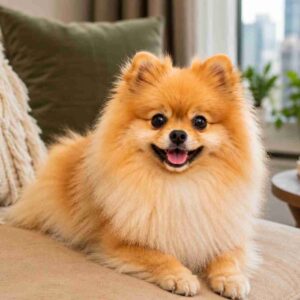
DogPage Apartment Compatibility Score: 8.8 / 10
- Apartment Living: ⭐⭐⭐⭐☆
- Quietness: ⭐⭐⭐☆☆
- Exercise Needs: ⭐⭐⭐⭐☆
- Grooming: ⭐⭐⭐☆☆
- First-Time Owners: ⭐⭐⭐⭐☆
There’s a reason Pomeranians have remained one of the world’s most popular toy breeds for generations. With their luxurious double coats, bright fox-like faces, sparkling eyes, and larger-than-life personalities, these tiny dogs seem to possess enough confidence to fill an entire apartment building. They are affectionate, intelligent, entertaining, and absolutely convinced they’re much bigger than they really are.
Despite their energetic personalities, Pomeranians adapt remarkably well to apartment life. Their small size means they don’t require much physical space, and a couple of daily walks combined with indoor play sessions are usually enough to keep them happy and healthy. They love interactive toys, learning tricks, and participating in family activities, making them wonderful companions for owners who enjoy spending time with their dogs.
Pomeranians are also exceptionally intelligent. They learn routines quickly, enjoy puzzle toys, and often excel at trick training. Many owners describe them as little entertainers that seem determined to make everyone around them smile. Whether they’re spinning in circles with excitement before a walk or proudly carrying their favourite toy through the living room, life with a Pom is rarely dull.
One characteristic prospective owners should understand is that Pomeranians are naturally alert watchdogs. They tend to notice everything happening around them and won’t hesitate to let you know when someone walks down the hallway, rings the doorbell, or approaches your apartment. While this makes them excellent little watchdogs, early training and socialization are essential to prevent excessive barking from becoming a problem in shared buildings.
Their beautiful double coat is another defining feature. Although Pomeranians don’t require frequent bathing, regular brushing is essential to remove loose hair, prevent mats, and keep that famous fluffy appearance looking its best. The extra grooming commitment is well worth it for owners who appreciate one of the most beautiful coats in the dog world.
Perhaps the greatest reason people fall in love with Pomeranians is their infectious enthusiasm for life. They greet each day with excitement, curiosity, and an eagerness to be involved in whatever their favourite humans are doing. For many apartment dwellers, that cheerful spirit makes coming home the best part of the day.
Why They’re Great Apartment Dogs
- Very small size fits comfortably into apartments and condos.
- Highly intelligent and easy to teach new tricks.
- Adapt well to urban lifestyles.
- Excellent companions for singles, couples, and seniors.
- Playful and entertaining without requiring excessive exercise.
- Portable and easy to travel with.
Things to Consider
- Can become vocal if not properly trained.
- Regular brushing is necessary to maintain their luxurious coat.
- Their tiny size requires careful handling around very young children.
- They thrive on companionship and don’t enjoy being left alone for extended periods.
Perfect For
Apartment dwellers • Singles • Couples • Seniors • People working from home • Owners looking for a lively, affectionate companion with a huge personality.
Learn more: Read our Complete Pomeranian Breed Guide →
Thinking a Pomeranian might be your perfect apartment companion?
Visit our comprehensive Pomeranian Breed Guide for expert information on temperament, grooming, health, nutrition, exercise, training, puppy care, frequently asked questions, and an extensive photo gallery.
DogPage Bottom Line: If you’re looking for a cheerful, intelligent little dog that packs an incredible amount of personality into a tiny package, the Pomeranian is an outstanding choice. Owners willing to invest in regular grooming and early training are rewarded with one of the most entertaining and devoted companions in the canine world.
9. Dachshund

DogPage Apartment Compatibility Score: 8.6 / 10
- Apartment Living: ⭐⭐⭐⭐☆
- Quietness: ⭐⭐⭐☆☆
- Exercise Needs: ⭐⭐⭐⭐☆
- Grooming: ⭐⭐⭐⭐⭐
- First-Time Owners: ⭐⭐⭐⭐☆
With their unmistakable long bodies, short legs, and larger-than-life personalities, Dachshunds have been charming dog lovers for hundreds of years. Originally bred in Germany to hunt badgers, today’s Dachshunds have traded underground tunnels for comfortable couches, but they haven’t lost any of the courage, determination, or intelligence that made them such capable working dogs.
Although many people think of them as little comedians, Dachshunds are surprisingly versatile companions. They adapt well to apartment life because they don’t require a huge amount of space to be happy. A couple of daily walks, opportunities to sniff and explore, interactive toys, and quality time with their family are usually enough to satisfy both their bodies and busy minds.
One of the breed’s greatest strengths is its devotion to its family. Dachshunds often form incredibly close bonds with their owners and enjoy being involved in almost everything happening around the home. They’re affectionate, playful, and full of character, making every day a little more entertaining.
That said, apartment owners should understand that Dachshunds were bred to alert hunters to prey underground, and many still have a strong instinct to bark when they hear unfamiliar sounds. Without early training and consistent socialization, hallway noises, elevators, and passing neighbours may become regular subjects of commentary. Fortunately, patient training can significantly reduce nuisance barking while preserving their natural alertness.
Dachshunds are also intelligent thinkers. Rather than blindly following commands, they often like to consider whether a request is worth their time—a charming quality that some owners describe as stubbornness and others call independent intelligence. Positive reinforcement, short training sessions, and consistency usually produce excellent results.
Perhaps the most important consideration for prospective owners is protecting the breed’s unique back. Their elongated spine makes them more susceptible to back injuries than many other breeds, so maintaining a healthy weight and discouraging repeated jumping on and off furniture are essential parts of responsible ownership.
Why They’re Great Apartment Dogs
- Compact size fits comfortably into apartments and condos.
- Moderate exercise needs suit many urban lifestyles.
- Loyal and deeply devoted companions.
- Playful, entertaining, and full of personality.
- Available in smooth, long-haired, and wire-haired coat varieties.
- Generally adaptable to smaller homes when properly exercised.
Things to Consider
- Can be vocal if not properly trained.
- Need protection from back injuries by limiting excessive jumping.
- May display an independent or stubborn streak during training.
- Strong prey drive may lead them to chase squirrels and other small animals during walks.
Perfect For
Apartment dwellers • Couples • Singles • Families with older children • Experienced or committed first-time owners • Anyone looking for a loyal companion with a unique personality.
Learn more: Read our Complete Dachshund Breed Guide →
Could a Dachshund be the perfect fit for your apartment lifestyle?
Visit our complete Dachshund Breed Guide for detailed information on temperament, health, grooming, nutrition, training, puppy care, exercise, frequently asked questions, and an extensive photo gallery.
DogPage Bottom Line: Dachshunds combine intelligence, loyalty, and endless personality in a compact package that’s well suited to apartment living. With early training, sensible exercise, and proper care for their backs, they make devoted companions that bring laughter and affection to virtually any home.
10. Rat Terrier
DogPage Apartment Compatibility Score: 8.3 / 10
- Apartment Living: ⭐⭐⭐⭐☆
- Quietness: ⭐⭐⭐☆☆
- Exercise Needs: ⭐⭐⭐☆☆
- Grooming: ⭐⭐⭐⭐⭐
- First-Time Owners: ⭐⭐⭐☆☆
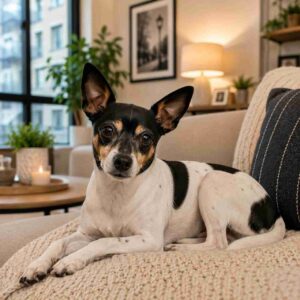
Rat Terriers may be the most underrated small dogs in North America. Originally developed as versatile American farm dogs, these energetic little terriers earned their keep by controlling rodents, hunting small game, and serving as loyal family companions. Today’s Rat Terrier still possesses the intelligence, athleticism, and work ethic that made the breed famous, but they also have a playful, affectionate side that makes them wonderful companions for active owners.
Unlike some of the more laid-back breeds on this list, Rat Terriers don’t simply want to share your apartment—they want to participate in your life. They thrive on activity, enjoy learning new skills, and genuinely love having a job to do. For owners who enjoy daily walks, hiking, trick training, agility, scent games, or interactive puzzle toys, a Rat Terrier can be an incredibly rewarding companion.
Apartment living is certainly possible with a Rat Terrier, but success depends on meeting the breed’s physical and mental needs. A bored Rat Terrier is an inventive Rat Terrier, and that creativity isn’t always directed toward appropriate activities. Regular exercise, enrichment toys, training sessions, and opportunities to explore the world help channel their intelligence into positive behaviours.
One of the breed’s greatest strengths is its remarkable intelligence. Rat Terriers are quick learners that excel at obedience, trick training, canine sports, and problem solving. They enjoy challenges and often seem happiest when given opportunities to think as well as move. This makes them excellent companions for owners who enjoy training and interacting with their dogs rather than simply providing exercise.
Their short, smooth coat is refreshingly easy to care for. Weekly brushing is usually all that’s required to keep them looking their best, and they generally shed less than many people expect. Combined with their compact size and overall hardiness, they’re relatively low-maintenance from a grooming perspective.
Although Rat Terriers are affectionate with their families, they retain many of their original terrier instincts. They’re naturally alert, curious, and may bark when something unusual catches their attention. Their prey drive also remains strong, so squirrels, rabbits, and other small animals often prove impossible to ignore during walks.
For the right owner, these characteristics aren’t disadvantages—they’re part of what makes the breed so enjoyable. People looking for an intelligent, active, and deeply loyal companion often discover that the Rat Terrier is one of the dog world’s best-kept secrets.
Why They’re Great Apartment Dogs
- Compact size fits comfortably into apartments and condos.
- Extremely intelligent and highly trainable.
- Easy-care coat with minimal grooming requirements.
- Excellent companion for active owners.
- Generally healthy and athletic.
- Forms strong bonds with its family.
Things to Consider
- Needs more daily exercise than most breeds on this list.
- Requires regular mental stimulation to prevent boredom.
- Strong prey drive means squirrels and small animals can be irresistible distractions.
- Early socialization and training help manage barking and terrier independence.
Perfect For
Active apartment dwellers • Runners • Hikers • Singles • Couples • Owners who enjoy training • People looking for a highly intelligent, energetic companion.
Learn more: Read our Complete Rat Terrier Breed Guide →
Interested in this remarkable little athlete?
Explore our complete Rat Terrier Breed Guide for expert advice on temperament, training, health, grooming, nutrition, exercise, puppy care, frequently asked questions, and a beautiful photo gallery.
DogPage Bottom Line: The Rat Terrier isn’t the easiest apartment dog—but for active owners willing to provide daily exercise, mental stimulation, and consistent training, it’s one of the most rewarding. Intelligent, loyal, healthy, and endlessly entertaining, this versatile American breed proves that apartment living and an energetic dog can be a perfect match when the owner’s lifestyle fits the breed.
🏆 DogPage Awards: Finding the Best Apartment Dog for Your Lifestyle
While our Top 10 rankings consider each breed’s overall suitability for apartment living, every owner has different priorities. Some people want a quiet lap dog, while others are looking for a playful family companion or an energetic walking partner. The following DogPage Awards highlight the breeds that excel in specific situations, helping you narrow your search based on your own lifestyle and preferences.
🥇 Best Overall Apartment Dog
Maltese
The Maltese earns our top award thanks to its exceptional combination of adaptability, affectionate personality, manageable exercise needs, low-shedding coat, and outstanding suitability for apartments of every size. Whether you live in a downtown condo or a suburban apartment, few breeds fit comfortably into so many different lifestyles.
Read more: Complete Maltese Breed Guide →
👵 Best Apartment Dog for Seniors
Cavalier King Charles Spaniel
Gentle, affectionate, and remarkably adaptable, the Cavalier is an ideal companion for retirees and seniors looking for a loving dog that enjoys moderate exercise and plenty of companionship.
Read more: Complete Cavalier King Charles Spaniel Guide →
🐶 Best Apartment Dog for First-Time Owners
Pug
Pugs are affectionate, forgiving, easygoing, and eager to become part of the family. Their moderate exercise needs and cheerful personality make them one of the easiest breeds for inexperienced owners.
Read more: Complete Pug Breed Guide →
👨👩👧 Best Apartment Dog for Families
Boston Terrier
Friendly, playful, patient, and adaptable, Boston Terriers fit beautifully into active family life while remaining compact enough for apartment living.
Read more: Complete Boston Terrier Breed Guide →
🤫 Quietest Apartment Dog
Cavalier King Charles Spaniel
Although every dog can bark, Cavaliers are generally among the quietest breeds featured in this guide. Their calm, friendly nature makes them excellent neighbours in apartments and condominiums.
Read more: Complete Cavalier Guide →
🌸 Best Low-Shedding Apartment Dog
Maltese
While no dog is completely hypoallergenic, the Maltese sheds very little compared to most breeds, making it popular among owners looking for less hair around the home.
Read more: Complete Maltese Guide →
🧠 Smartest Apartment Dog
Rat Terrier
Rat Terriers are exceptionally intelligent problem-solvers who thrive on learning tricks, puzzles, obedience, and canine sports. Active owners will love their eagerness to learn.
Read more: Complete Rat Terrier Guide →
😂 Biggest Personality
Pomeranian
Few breeds pack as much confidence, charm, curiosity, and entertainment into such a tiny package. Pomeranians are natural comedians that rarely fail to make their owners smile.
Read more: Complete Pomeranian Guide →
❤️ Most Affectionate Companion
Cavalier King Charles Spaniel
Few breeds bond as deeply or love as completely as the Cavalier. They thrive on human companionship and genuinely enjoy being involved in every aspect of family life.
Read more: Complete Cavalier Guide →
✈️ Best Apartment Dog for Frequent Travelers
Yorkshire Terrier
Yorkies are compact, adaptable, and highly portable, making them excellent companions for owners who frequently travel by car or stay in pet-friendly accommodations.
Read more: Complete Yorkshire Terrier Guide →
💪 Best Apartment Dog for Active Owners
Rat Terrier
If your idea of fun includes hiking, jogging, trick training, scent work, or agility, the Rat Terrier offers the perfect combination of athletic ability and intelligence.
Read more: Complete Rat Terrier Guide →
🏙️ Best Apartment Dog for City Living
Maltese
Compact, adaptable, low-shedding, and happy with moderate exercise, the Maltese handles elevators, sidewalks, cafés, and urban living with remarkable ease.
Read more: Complete Maltese Guide →
Remember that every dog is an individual. Training, socialization, health, and your own lifestyle all play an important role in determining whether a particular breed is the right fit. Think of these awards as helpful starting points, then explore our complete breed guides to learn more about the dogs that interest you most.
Find the Best Apartment Dog for Your Lifestyle
There’s no such thing as the perfect apartment dog for everyone. The best breed for you depends on your lifestyle, activity level, experience with dogs, and what you’re hoping to share with your new companion. A retired couple may value a calm lap dog, while a young professional might want an energetic walking partner. Families often prioritize patience and playfulness, while frequent travelers need a dog that’s compact and adaptable.
The recommendations below are designed to help you narrow your search by matching different breeds to different lifestyles. Remember, every dog is an individual, but these breeds consistently excel in the following situations.
🐶 Best Apartment Dogs for First-Time Owners
Top Picks: Pug, Maltese, Cavalier King Charles Spaniel
New dog owners generally benefit from breeds that are affectionate, adaptable, eager to please, and relatively forgiving of beginner mistakes. Pugs are cheerful and easygoing, Maltese are affectionate and highly adaptable, while Cavaliers combine gentle personalities with moderate exercise needs.
👵 Best Apartment Dogs for Seniors
Top Picks: Cavalier King Charles Spaniel, Maltese, Shih Tzu
These breeds thrive on companionship without requiring hours of strenuous exercise. They’re typically content with leisurely walks, plenty of cuddle time, and a predictable daily routine.
👨👩👧 Best Apartment Dogs for Families
Top Picks: Boston Terrier, Pug, Cavalier King Charles Spaniel
These friendly, adaptable breeds usually enjoy spending time with children and fit comfortably into active family households. As with any dog, respectful interactions and supervision around young children are essential.
❤️ Best Apartment Dogs for Singles
Top Picks: Chihuahua, Yorkshire Terrier, Pomeranian
These loyal little companions often develop exceptionally close bonds with one or two people and love accompanying their owners throughout the day.
💑 Best Apartment Dogs for Couples
Top Picks: Maltese, Boston Terrier, Pug
Friendly, adaptable, and affectionate, these breeds settle happily into homes where they receive plenty of attention from both owners.
💼 Best Apartment Dogs for Busy Professionals
Top Picks: Pug, Boston Terrier, Maltese
While no dog enjoys spending long hours alone every day, these breeds generally adapt better to structured routines when their physical and emotional needs are consistently met.
🤫 Best Quiet Apartment Dogs
Top Picks: Cavalier King Charles Spaniel, Shih Tzu, Boston Terrier
Although every dog barks occasionally, these breeds are generally quieter than many other small dogs, making them good neighbours in apartments and condominiums.
✂️ Best Low-Maintenance Apartment Dogs
Top Picks: Boston Terrier, Pug, Rat Terrier
If you’d rather spend your weekends exploring than brushing coats, these breeds offer easy-care grooming routines with relatively little maintenance.
🌸 Best Low-Shedding Apartment Dogs
Top Picks: Maltese, Yorkshire Terrier, Shih Tzu
Although no dog is completely hypoallergenic, these breeds typically shed very little, making them popular choices for people who prefer less hair around the home.
🚶 Best Apartment Dogs for Active Owners
Top Picks: Rat Terrier, Boston Terrier, Dachshund
If daily walks, hiking, and outdoor adventures are already part of your lifestyle, these energetic breeds will happily join you while still adapting well to apartment living.
🛋️ Best Apartment Dogs for Homebodies
Top Picks: Pug, Shih Tzu, Cavalier King Charles Spaniel
These breeds are happiest spending quality time with their people and are perfectly content relaxing at home after their daily walks.
✈️ Best Apartment Dogs for Frequent Travelers
Top Picks: Yorkshire Terrier, Chihuahua, Maltese
Their compact size, adaptability, and portability make these breeds excellent companions for road trips, vacations, and pet-friendly accommodations.
❤️ Best Velcro Dogs
Top Picks: Chihuahua, Cavalier King Charles Spaniel, Maltese
If you’re looking for a dog that wants to be wherever you are, these affectionate breeds rarely stray far from their favourite humans.
🧠 Best Apartment Dogs for Training Enthusiasts
Top Picks: Rat Terrier, Boston Terrier, Yorkshire Terrier
These intelligent breeds enjoy learning new tricks, solving puzzles, and participating in obedience or canine sports, making them ideal for owners who enjoy interactive training.
😂 Biggest Personality in the Smallest Package
Top Picks: Pomeranian, Chihuahua, Dachshund
If you’re looking for a dog with endless confidence, charm, and comic timing, these three breeds consistently punch well above their weight when it comes to personality.
🏙️ Best Dogs for City Living
Top Picks: Maltese, Pug, Yorkshire Terrier
These adaptable companions handle elevators, busy sidewalks, cafés, and urban lifestyles exceptionally well, making them ideal partners for city residents.
🏢 Best Dogs for Studio Apartments
Top Picks: Maltese, Chihuahua, Shih Tzu
Compact, adaptable, and content in smaller spaces, these breeds prove you don’t need a large home to enjoy the companionship of a wonderful dog.
🐾 Best Apartment Dogs for Multi-Pet Homes
Top Picks: Cavalier King Charles Spaniel, Boston Terrier, Pug
With proper introductions and ongoing management, these friendly breeds often coexist happily with other dogs and many household pets.
Whichever breed you choose, remember that successful apartment living depends just as much on responsible ownership as it does on breed characteristics. Daily exercise, consistent training, mental enrichment, and plenty of companionship will help almost any well-matched dog become a happy and well-behaved apartment companion.
Apartment Living Tips: Helping Your Dog Thrive in a Smaller Home
Apartment living presents a few unique challenges for dog owners, but with the right preparation, it can also provide a wonderful environment for a happy, healthy companion. In fact, many dogs living in apartments enjoy richer, more interactive lives than dogs that simply spend their days alone in large backyards.
The secret isn’t having more square footage—it’s meeting your dog’s physical, mental, and emotional needs every single day.
Establish a Daily Routine
Dogs thrive on consistency. Feeding, walks, bathroom breaks, playtime, and bedtime should happen at roughly the same time each day whenever possible. Predictable routines help dogs feel secure and can reduce anxiety, excessive barking, and destructive behaviours.
Most apartment dogs benefit from at least two daily walks, along with several opportunities to go outside for bathroom breaks.
Exercise the Mind as Well as the Body
Many owners focus only on physical exercise, but mental stimulation is just as important. Food puzzle toys, scent games, obedience practice, trick training, hide-and-seek, and short training sessions all help tire a dog mentally.
Ten minutes of problem-solving can often be just as satisfying as a much longer walk.
Train Good Apartment Manners
Living close to neighbours means good manners matter. Teach your dog to greet visitors calmly, walk politely through hallways, wait patiently for elevators, and remain quiet when people pass outside your door.
Positive reinforcement training produces reliable, confident dogs while strengthening the bond between owner and pet.
Manage Barking Early
Barking is one of the most common reasons apartment owners experience difficulties with their dogs. Fortunately, it’s also one of the easiest behaviours to improve when addressed early.
Rather than punishing barking, identify the reason behind it. Is your dog bored? Alerting you to noises? Feeling anxious? Excited? Once you understand the cause, you can begin teaching more appropriate responses through training, enrichment, and management.
Create a Comfortable Resting Space
Every dog benefits from having a quiet place to relax. Whether it’s a comfortable bed, an open crate, or a favourite corner of the living room, providing a dedicated resting area gives your dog a safe place to unwind when they need a break from household activity.
Don’t Skip Daily Walks
Even if your dog has access to indoor play, regular walks provide far more than exercise. Walks allow dogs to explore new scents, experience different environments, meet people and other dogs, and satisfy natural curiosity. For many apartment dogs, walks are the highlight of the day.
Keep Your Dog at a Healthy Weight
Small breeds can gain weight surprisingly quickly, especially when treats become a regular part of the daily routine. Excess weight increases the risk of arthritis, diabetes, heart disease, and other health problems.
Feed a balanced diet, measure meals carefully, and include treats as part of your dog’s overall daily calorie intake.
Socialize Throughout Life
Early socialization is important, but it shouldn’t stop after puppyhood. Continue introducing your dog to new people, friendly dogs, different environments, elevators, traffic, bicycles, and everyday city life throughout adulthood.
Well-socialized dogs are generally calmer, more confident, and easier to live with in apartment settings.
Prepare for Time Alone
Even companion breeds need to learn that being alone for short periods is perfectly normal. Gradually teaching independence from an early age helps reduce the risk of separation anxiety later in life.
Leaving puzzle toys, safe chew items, calming music, or rotating enrichment activities can help keep many dogs occupied while you’re away.
Make Veterinary Care a Priority
Regular veterinary examinations, vaccinations, parasite prevention, dental care, and prompt attention to health concerns all contribute to a longer, happier life. Preventive healthcare is almost always easier—and less expensive—than treating advanced illness.
Respect Your Neighbours
Responsible apartment dog ownership extends beyond your own front door. Always clean up after your dog, keep them leashed in common areas, prevent excessive barking, and be considerate when using elevators, hallways, and shared outdoor spaces.
Good neighbours help create dog-friendly communities where pets continue to be welcomed.
Remember That Your Dog Wants You More Than a Backyard
One of the biggest myths about dog ownership is that every dog needs a large yard to be happy. While some breeds certainly appreciate extra space, what most dogs truly crave is companionship, exercise, mental stimulation, routine, and love.
A well-exercised dog living in a downtown apartment with an engaged owner is often far happier than a lonely dog spending long days alone in a large backyard.
Choose a breed whose needs match your lifestyle, invest time in training and enrichment, and you’ll discover that apartment living and dog ownership can be a wonderful combination.
Frequently Asked Questions About Apartment Dogs
Choosing the right apartment dog is a big decision, and it’s natural to have questions. Below are answers to some of the most common questions prospective owners ask when searching for the perfect small companion.
Can dogs be happy living in an apartment?
Absolutely. Many dogs live long, healthy, and fulfilling lives in apartments. What matters most isn’t the size of your home, but whether your dog’s physical, mental, and emotional needs are consistently met through exercise, training, companionship, and enrichment.
Do apartment dogs need a backyard?
No. While a securely fenced yard can be convenient, it isn’t essential for most small companion breeds. Daily walks, playtime, training, and regular opportunities to explore the outside world are often more beneficial than simply having access to a backyard.
What is the best small dog breed for apartment living?
Our top overall recommendation is the Maltese, thanks to its adaptable personality, moderate exercise needs, affectionate nature, and excellent suitability for smaller homes. However, the best breed ultimately depends on your own lifestyle and preferences.
Which apartment dog barks the least?
Among the breeds featured in this guide, the Cavalier King Charles Spaniel, Shih Tzu, and Boston Terrier are generally quieter than many other small breeds. Proper training and socialization also play an important role in managing barking.
Which apartment dog sheds the least?
The Maltese, Yorkshire Terrier, and Shih Tzu shed very little compared to many other breeds. While no dog is truly hypoallergenic, these breeds are often preferred by owners who want less hair around the home.
What is the easiest apartment dog for first-time owners?
The Pug, Maltese, and Cavalier King Charles Spaniel are all excellent choices for beginners thanks to their friendly temperaments and manageable care requirements.
Can large dogs live happily in apartments?
Yes. While this guide focuses on small breeds, some larger dogs adapt exceptionally well to apartment living. Calm temperament, moderate exercise needs, and good manners are often more important than size alone.
How much exercise does an apartment dog need?
Most small apartment dogs benefit from two daily walks, regular bathroom breaks, indoor play sessions, and mental enrichment. Individual exercise requirements vary by breed, age, and overall health.
Should I get a puppy or an adult dog for apartment living?
Both can make wonderful companions. Puppies require more training, supervision, and patience, while adult dogs often settle into apartment routines more quickly. Adopting an adult dog also allows you to better assess its temperament and energy level.
Can apartment dogs be left alone during the day?
Most adult dogs can learn to spend several hours alone, but companion breeds generally prefer company. If you work long hours, consider hiring a dog walker, using doggy daycare occasionally, or choosing a breed that’s comfortable with a predictable routine.
How can I stop my apartment dog from barking?
Begin by identifying why your dog is barking. Boredom, anxiety, excitement, or alerting behaviour all require different solutions. Positive reinforcement training, sufficient exercise, and mental stimulation are usually far more effective than punishment.
Are apartment dogs good with children?
Many are. Breeds such as the Boston Terrier, Pug, and Cavalier King Charles Spaniel are often excellent family companions when children are taught to interact gently and respectfully.
Which apartment dog is best for seniors?
The Cavalier King Charles Spaniel, Maltese, and Shih Tzu are outstanding choices for many seniors thanks to their affectionate personalities and moderate exercise needs.
Can apartment dogs use indoor potty systems?
Some owners successfully train small dogs to use pee pads or indoor dog potties, particularly in high-rise buildings or during severe weather. However, regular outdoor walks remain important for exercise, mental stimulation, and socialization.
Which apartment dog has the biggest personality?
If you’re looking for a dog that keeps life entertaining, consider the Pomeranian, Chihuahua, or Dachshund. All three are famous for their confidence and larger-than-life personalities.
Where can I learn more about these breeds?
DogPage features comprehensive breed guides covering personality, temperament, training, grooming, health, nutrition, adoption, breeders, FAQs, and photo galleries. Visit our individual breed pages to explore each breed in much greater detail before making your decision.
Related DogPage Guides
If you’re still deciding which small dog is right for your lifestyle, these in-depth DogPage guides can help. Each article explores a different aspect of small dog ownership, making it easier to compare breeds and choose a companion that’s truly the right fit for your home.
Our goal at DogPage is simple: to help you choose the right dog for your lifestyle and become the best dog owner you can be. Whether you’re researching your first puppy or comparing several breeds before making a decision, we hope these guides provide the information and confidence you need to find your perfect companion.
Trusted References & Further Reading
At DogPage, our goal is to provide accurate, practical, and trustworthy information to help you become a knowledgeable and responsible dog owner. While our articles draw on decades of dog ownership experience and extensive research, we also encourage readers to consult respected veterinary organizations, breed clubs, and canine health authorities when making important decisions about choosing, caring for, and training a dog.
The following organizations offer reliable, evidence-based information on breed standards, preventative healthcare, responsible breeding, canine genetics, and overall dog welfare.
- American Kennel Club (AKC) – Breed standards, breed information, responsible breeder resources, dog sports, training advice, and puppy ownership guidance.
- American Veterinary Medical Association (AVMA) – Trusted veterinary advice covering preventative healthcare, nutrition, vaccinations, parasite prevention, behaviour, and pet wellness.
- Orthopedic Foundation for Animals (OFA) – Health screening databases and genetic testing information to help prospective owners identify responsible breeders committed to improving breed health.
- Canine Health Information Center (CHIC) – Breed-specific health testing recommendations and health certification information developed in partnership with participating breed clubs.
Editorial Note
Every DogPage breed guide and lifestyle article is carefully researched using respected veterinary organizations, breed clubs, canine health resources, and practical dog ownership experience. Our mission is to provide balanced, up-to-date, and easy-to-understand information that helps you choose the right dog, provide excellent lifelong care, and enjoy a happy, rewarding relationship with your canine companion.
Remember: Every dog is an individual. Breed characteristics provide helpful guidance, but personality, early socialization, training, health, and environment all play important roles in shaping your dog’s behaviour. Whenever you have questions about your own dog’s health, behaviour, or nutrition, your veterinarian is always your best source of personalized advice.