

Small dog. Big personality. Classic tuxedo charm.
With their tuxedo-like markings, bright eyes, expressive faces, and cheerful personalities, Boston Terriers have earned a reputation as one of the most charming companion dogs in the world. Affectionately known as the “American Gentleman,” this distinctive breed combines elegance, intelligence, humor, and affection in a compact package that fits comfortably into almost any lifestyle.
Friendly, adaptable, playful, and deeply devoted to their people, Boston Terriers seem to have a special talent for making friends wherever they go. Whether they’re entertaining the family with their clownish antics, accompanying you on a neighborhood walk, curling up beside you on the sofa, or enthusiastically greeting visitors at the front door, Boston Terriers approach life with an infectious enthusiasm that is difficult to resist.
Originally developed in the United States, Boston Terriers were bred to be companion dogs, and they continue to excel in that role today. They are generally affectionate with their families, friendly toward strangers, and adaptable enough to thrive in apartments, suburban homes, and a wide variety of living situations.
Whether you’re considering a Boston Terrier puppy, thinking about adopting an adult Boston Terrier, or simply trying to learn more about this lovable breed, this guide will help you discover what makes the Boston Terrier one of America’s most popular companion dogs.
Boston Terrier Quick Breed Snapshot
- Breed Group: Non-Sporting Group
- Height: 15 to 17 inches
- Weight: 12 to 25 pounds
- Life Expectancy: 11 to 13 years
- Energy Level: Moderate
- Shedding: Low to moderate
- Apartment Friendly: Excellent
- Good for Seniors: Often yes
- Good with Children: Usually excellent
- Best For: Families, seniors, apartment dwellers, singles, and anyone seeking an affectionate companion dog
About Boston Terriers
Boston Terriers are one of America’s most recognizable and beloved companion dog breeds. With their distinctive tuxedo-like markings, bright eyes, compact size, and cheerful personalities, they have earned the nickname “The American Gentleman.”
Unlike many dog breeds that were originally developed for hunting, herding, guarding, or other working purposes, Boston Terriers were bred primarily to be companions. Their greatest talent has always been forming strong bonds with people and bringing joy to the families they share their lives with.
The breed originated in Boston, Massachusetts, during the late nineteenth century, making it one of the few dog breeds developed entirely in the United States. Over time, careful breeding transformed the early Boston Terrier into the friendly, affectionate, and well-mannered companion that people know and love today.
Boston Terriers are often described as intelligent, adaptable, playful, and highly social. They tend to enjoy spending time with their families and are usually happiest when included in daily activities. Whether the family is watching television, working from home, entertaining guests, going for a walk, or simply relaxing around the house, a Boston Terrier generally wants to be involved.
One of the breed’s greatest strengths is its versatility. Boston Terriers often adapt well to a wide variety of living situations, including apartments, condominiums, townhouses, and larger homes. They are small enough to fit comfortably into urban lifestyles while still possessing enough energy and enthusiasm to enjoy outdoor adventures with their families.
Although Boston Terriers are generally friendly and easygoing, they are not merely decorative companion dogs. They are intelligent animals that require training, exercise, mental stimulation, social interaction, and proper healthcare to thrive. Their playful nature, curiosity, and desire to be involved in everything can sometimes lead them into mischief if they become bored.
Most Boston Terriers are known for being affectionate without being overly demanding, playful without being hyperactive, and confident without being aggressive. This balanced temperament helps explain why the breed remains popular with families, seniors, singles, and first-time dog owners alike.
Perhaps the best way to describe a Boston Terrier is as a dog with a big personality packed into a compact body. They combine intelligence, humor, affection, and adaptability in a way that few breeds can match.
If you’re comparing companion breeds, you may also enjoy our guides to Pugs, French Bulldogs, Chihuahuas, and our growing collection of small dog breeds.
Boston Terrier Personality and Temperament
Boston Terriers are affectionate, intelligent, people-oriented companion dogs that are famous for their cheerful outlook on life and their seemingly endless enthusiasm for being involved in whatever their families happen to be doing. Friendly, playful, and highly adaptable, they have earned a reputation as one of the most personable and easy-to-live-with small dog breeds.
A Boston Terrier rarely wants to be left out of the action. Whether you’re preparing dinner, working at your desk, watching television, greeting visitors, or heading out for a walk, your Boston Terrier will likely assume they have an important role to play in the event.
One of the reasons Boston Terriers are so widely loved is their balanced temperament. They tend to be affectionate without being overly needy, playful without being hyperactive, and alert without being excessively vocal. While every dog is an individual, many Boston Terriers possess a wonderful combination of confidence, friendliness, and good humor.
A well-raised Boston Terrier is often:
- Affectionate and loving
- Friendly with people
- Playful and entertaining
- Intelligent and curious
- Adaptable to different lifestyles
- Generally good with children
- Sociable with other pets
- Eager to participate in family life
Boston Terriers are often described as little comedians. Many seem to possess an impressive ability to make their families laugh through their facial expressions, playful behavior, and occasional bursts of enthusiasm that appear to arrive without warning. Some owners swear their Boston Terrier can communicate entire conversations using nothing more than eye contact and dramatic expressions.
Although they are generally friendly and outgoing, Boston Terriers also form strong bonds with their families. Many enjoy meeting new people, but they are usually happiest when spending time with those they know and trust. Their devotion often leads them to follow their favorite humans from room to room, carefully supervising household activities and ensuring that nothing important happens without their knowledge.
Most Boston Terriers get along well with other dogs when properly socialized and introduced. Many also coexist peacefully with cats and other household pets. Early socialization helps build confidence and encourages positive interactions throughout life.
Because they are intelligent and emotionally connected to their families, Boston Terriers generally respond best to positive reinforcement training. They enjoy praise, attention, treats, and interactive learning experiences. Harsh corrections or punishment-based methods are rarely necessary and can damage trust.
One thing prospective owners should understand is that Boston Terriers enjoy companionship. While they can tolerate reasonable periods alone, most do not thrive when left isolated for long hours every day. Their people-oriented nature is one of the breed’s greatest strengths, but it also means they genuinely enjoy being part of family life.
The Boston Terrier personality is often described as a perfect blend of affection, intelligence, playfulness, curiosity, confidence, and loyalty. They have an uncanny ability to brighten a room, make new friends, and remind their owners that life is often more enjoyable when approached with enthusiasm and a sense of humor.
Boston Terrier Personality and Temperament
Boston Terriers are affectionate, intelligent, people-oriented companion dogs that are famous for their cheerful outlook on life and their seemingly endless enthusiasm for being involved in whatever their families happen to be doing. Friendly, playful, and highly adaptable, they have earned a reputation as one of the most personable and easy-to-live-with small dog breeds.
A Boston Terrier rarely wants to be left out of the action. Whether you’re preparing dinner, working at your desk, watching television, greeting visitors, or heading out for a walk, your Boston Terrier will likely assume they have an important role to play in the event.
One of the reasons Boston Terriers are so widely loved is their balanced temperament. They tend to be affectionate without being overly needy, playful without being hyperactive, and alert without being excessively vocal. While every dog is an individual, many Boston Terriers possess a wonderful combination of confidence, friendliness, and good humor.
A well-raised Boston Terrier is often:
- Affectionate and loving
- Friendly with people
- Playful and entertaining
- Intelligent and curious
- Adaptable to different lifestyles
- Generally good with children
- Sociable with other pets
- Eager to participate in family life
Boston Terriers are often described as little comedians. Many seem to possess an impressive ability to make their families laugh through their facial expressions, playful behavior, and occasional bursts of enthusiasm that appear to arrive without warning. Some owners swear their Boston Terrier can communicate entire conversations using nothing more than eye contact and dramatic expressions.
Although they are generally friendly and outgoing, Boston Terriers also form strong bonds with their families. Many enjoy meeting new people, but they are usually happiest when spending time with those they know and trust. Their devotion often leads them to follow their favorite humans from room to room, carefully supervising household activities and ensuring that nothing important happens without their knowledge.
Most Boston Terriers get along well with other dogs when properly socialized and introduced. Many also coexist peacefully with cats and other household pets. Early socialization helps build confidence and encourages positive interactions throughout life.
Because they are intelligent and emotionally connected to their families, Boston Terriers generally respond best to positive reinforcement training. They enjoy praise, attention, treats, and interactive learning experiences. Harsh corrections or punishment-based methods are rarely necessary and can damage trust.
One thing prospective owners should understand is that Boston Terriers enjoy companionship. While they can tolerate reasonable periods alone, most do not thrive when left isolated for long hours every day. Their people-oriented nature is one of the breed’s greatest strengths, but it also means they genuinely enjoy being part of family life.
The Boston Terrier personality is often described as a perfect blend of affection, intelligence, playfulness, curiosity, confidence, and loyalty. They have an uncanny ability to brighten a room, make new friends, and remind their owners that life is often more enjoyable when approached with enthusiasm and a sense of humor.
Boston Terrier Photo Gallery
Few dog breeds are as instantly recognizable as the Boston Terrier. With their distinctive tuxedo markings, expressive eyes, compact bodies, and alert ears, Boston Terriers have a look that is both elegant and unmistakably charming.
But as every Boston Terrier owner quickly discovers, it is their personality that truly steals the show. Friendly, playful, affectionate, curious, and occasionally delightfully mischievous, Boston Terriers have a remarkable ability to communicate their thoughts and emotions through facial expressions alone.
Whether they’re zooming around the living room, greeting visitors at the front door, cuddling beside their favorite person, or investigating something they find endlessly fascinating, Boston Terriers approach life with enthusiasm and confidence.
Explore the gallery below to see Boston Terriers of different ages, colors, and personalities showing off the intelligence, affection, humor, and unmistakable charm that have made them one of America’s most beloved companion dog breeds.


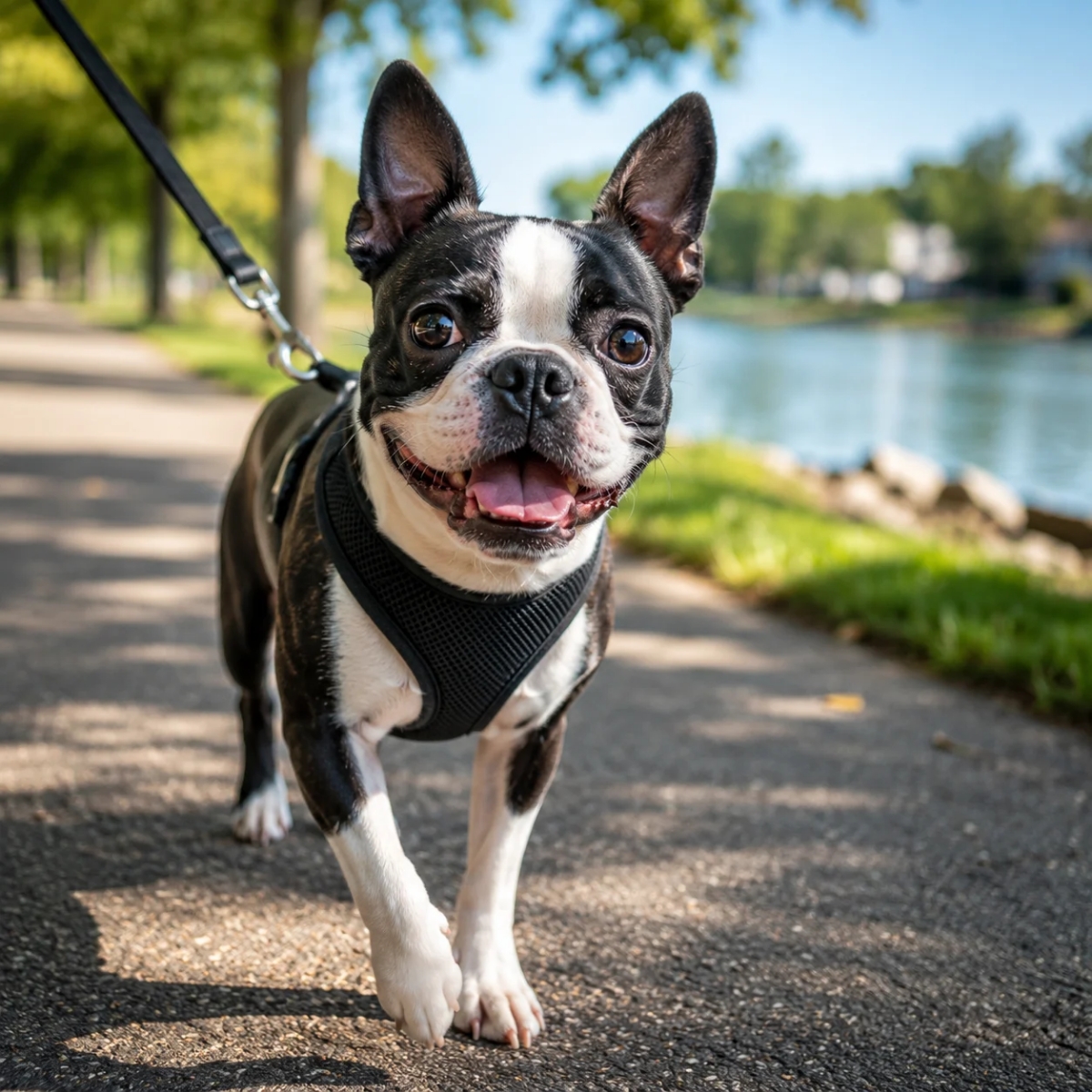
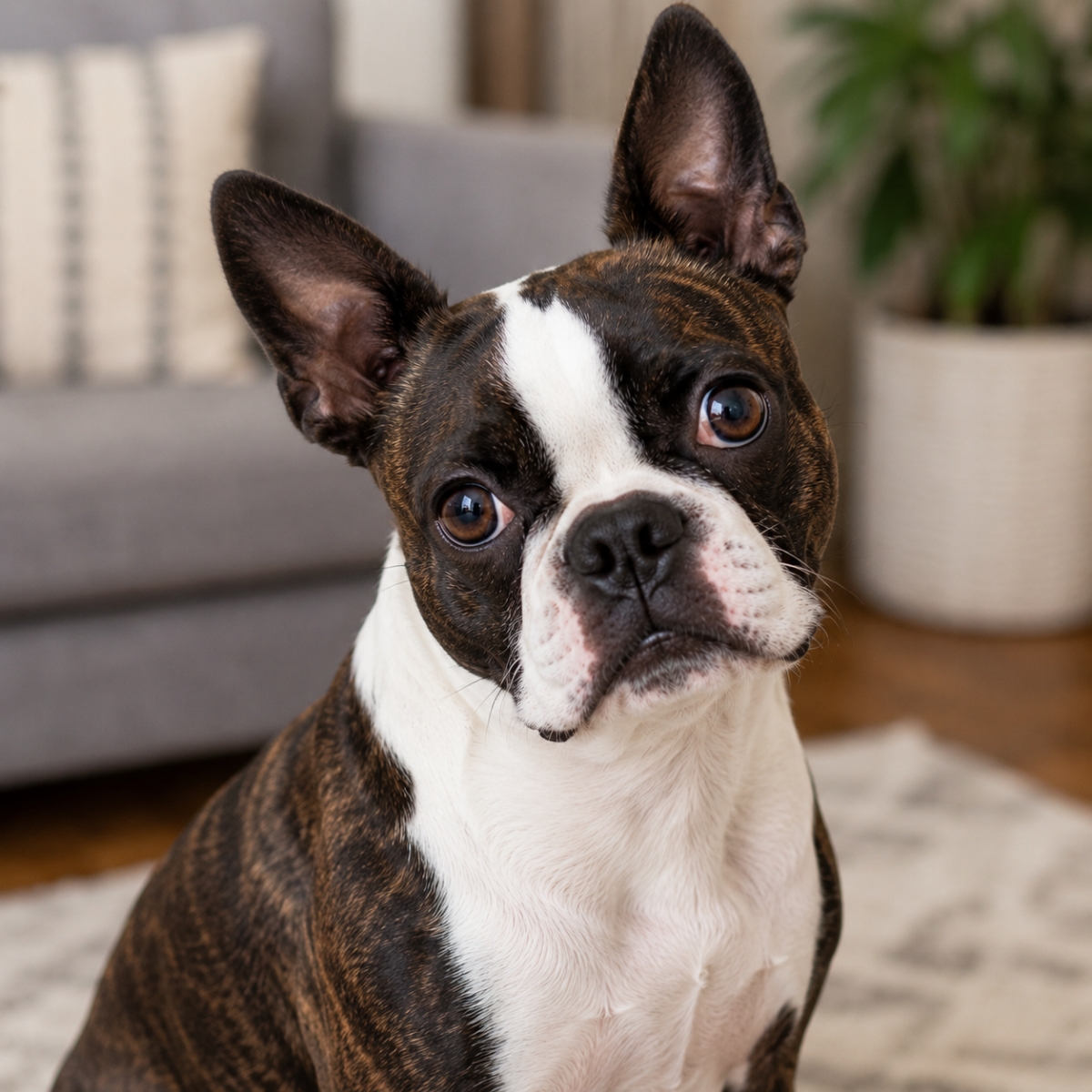
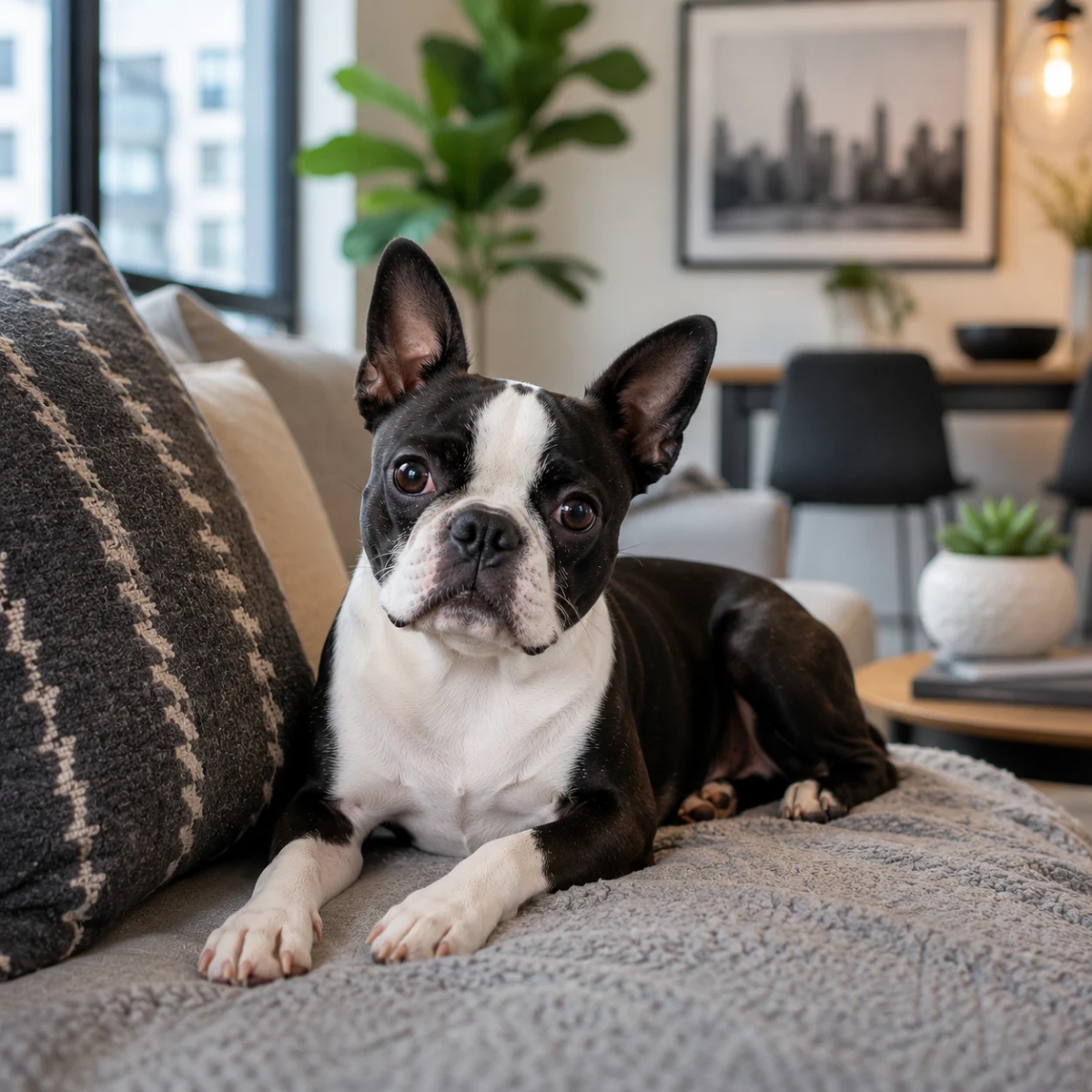



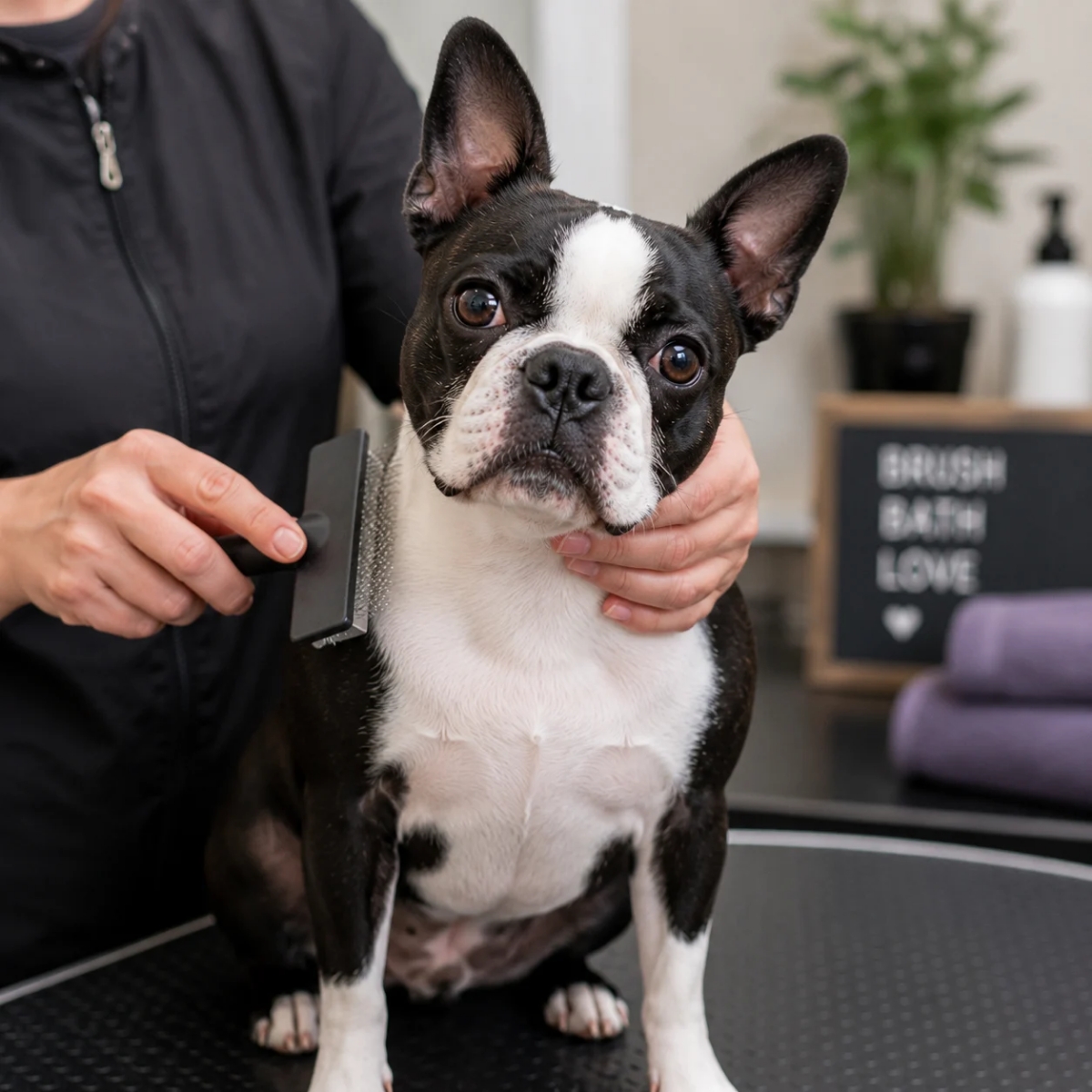
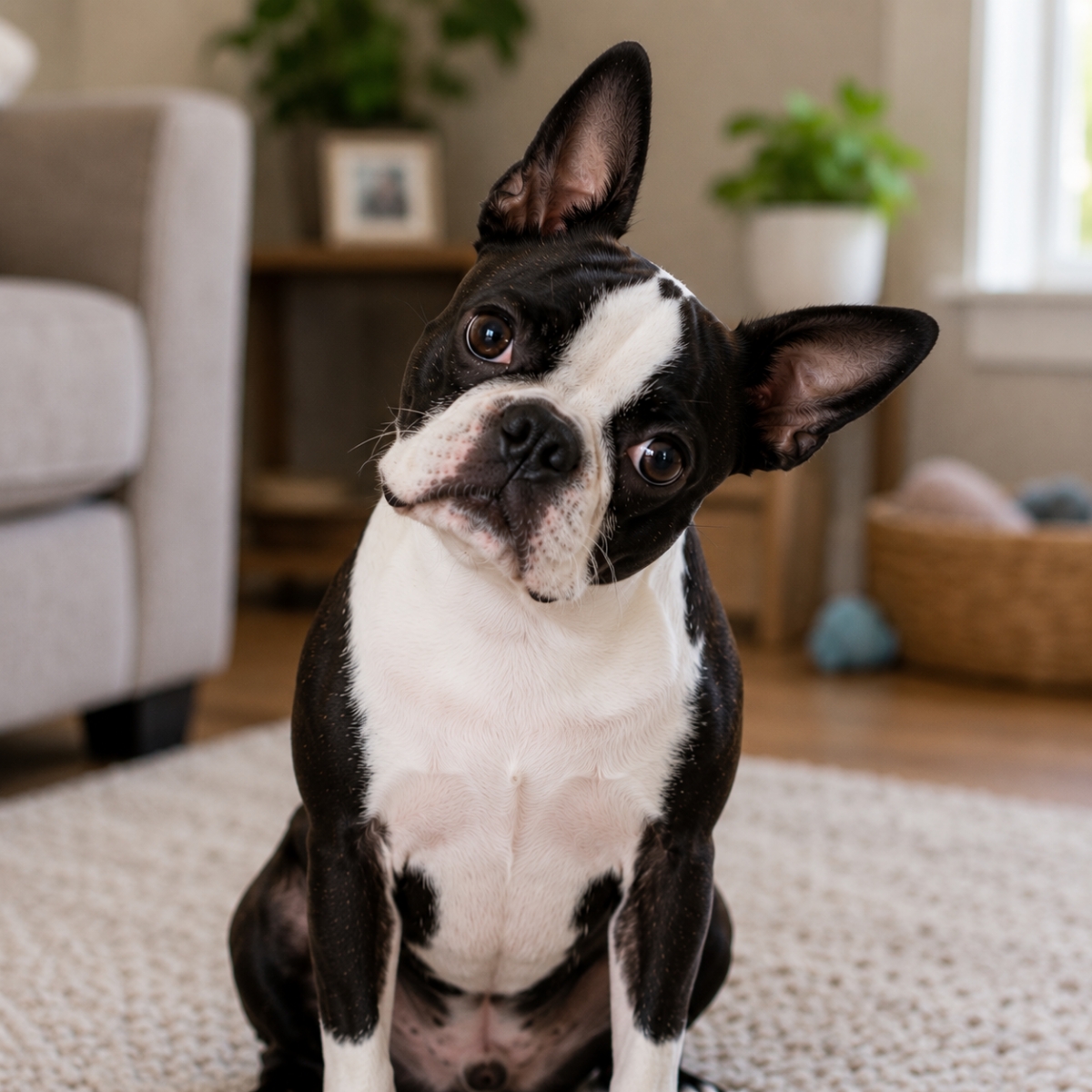
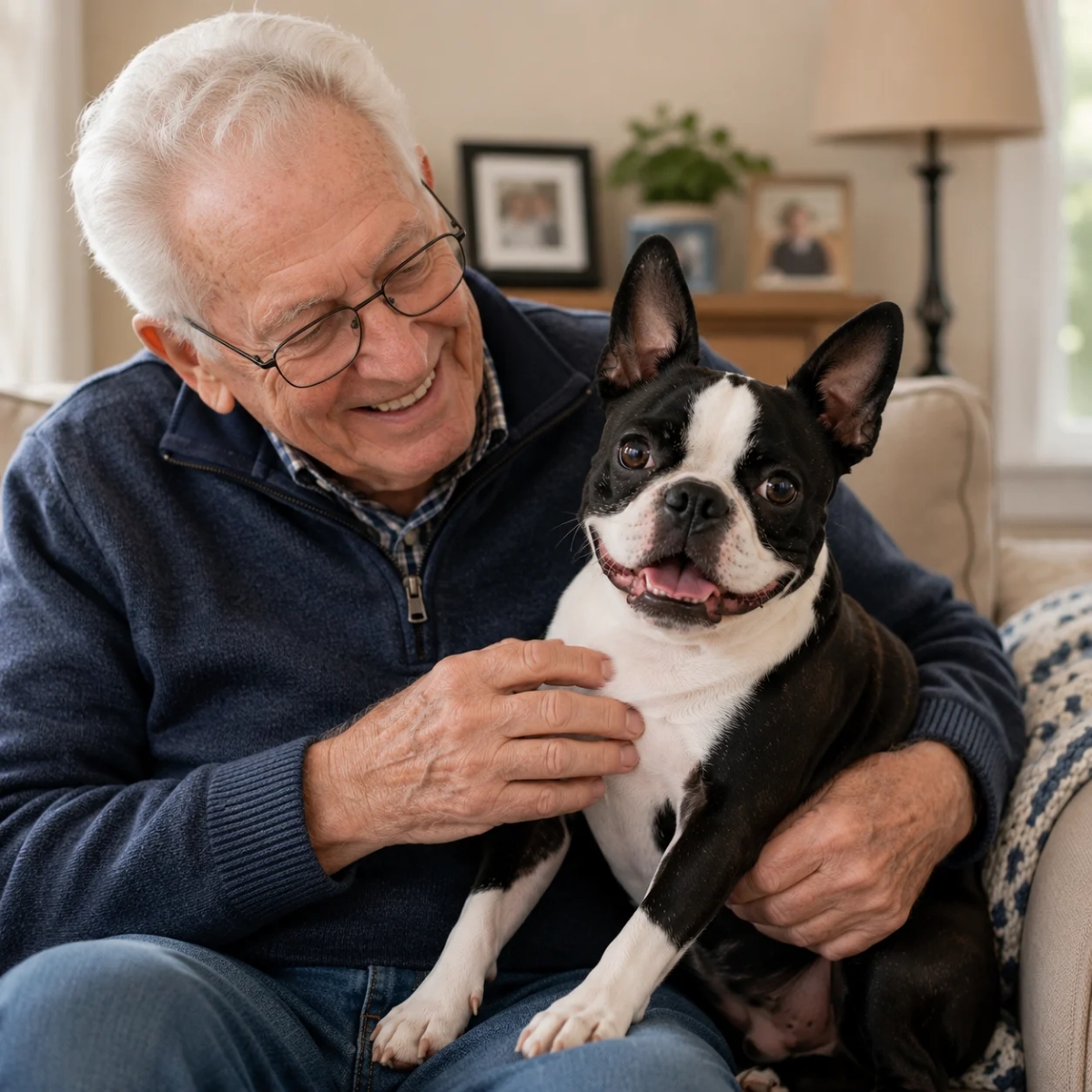

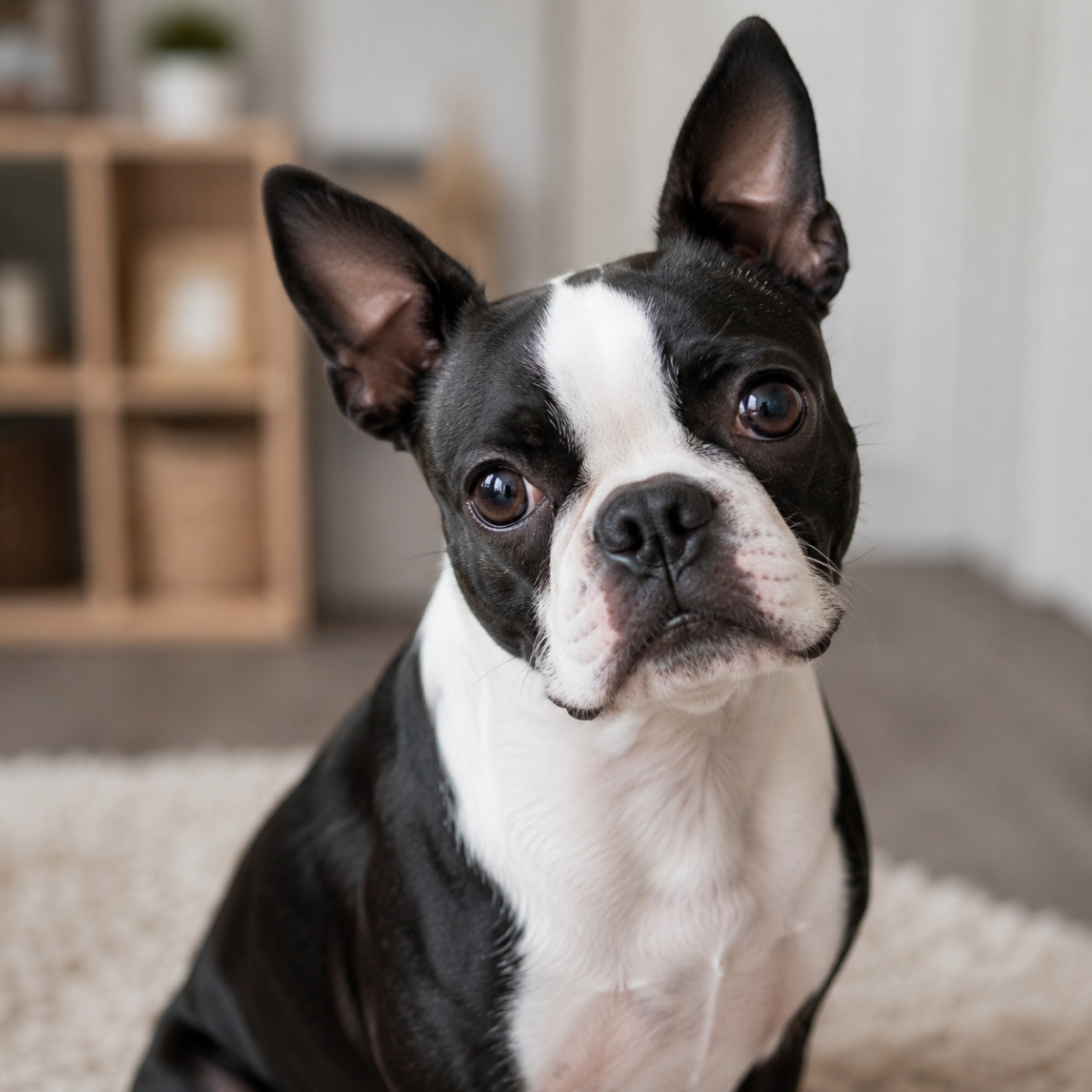
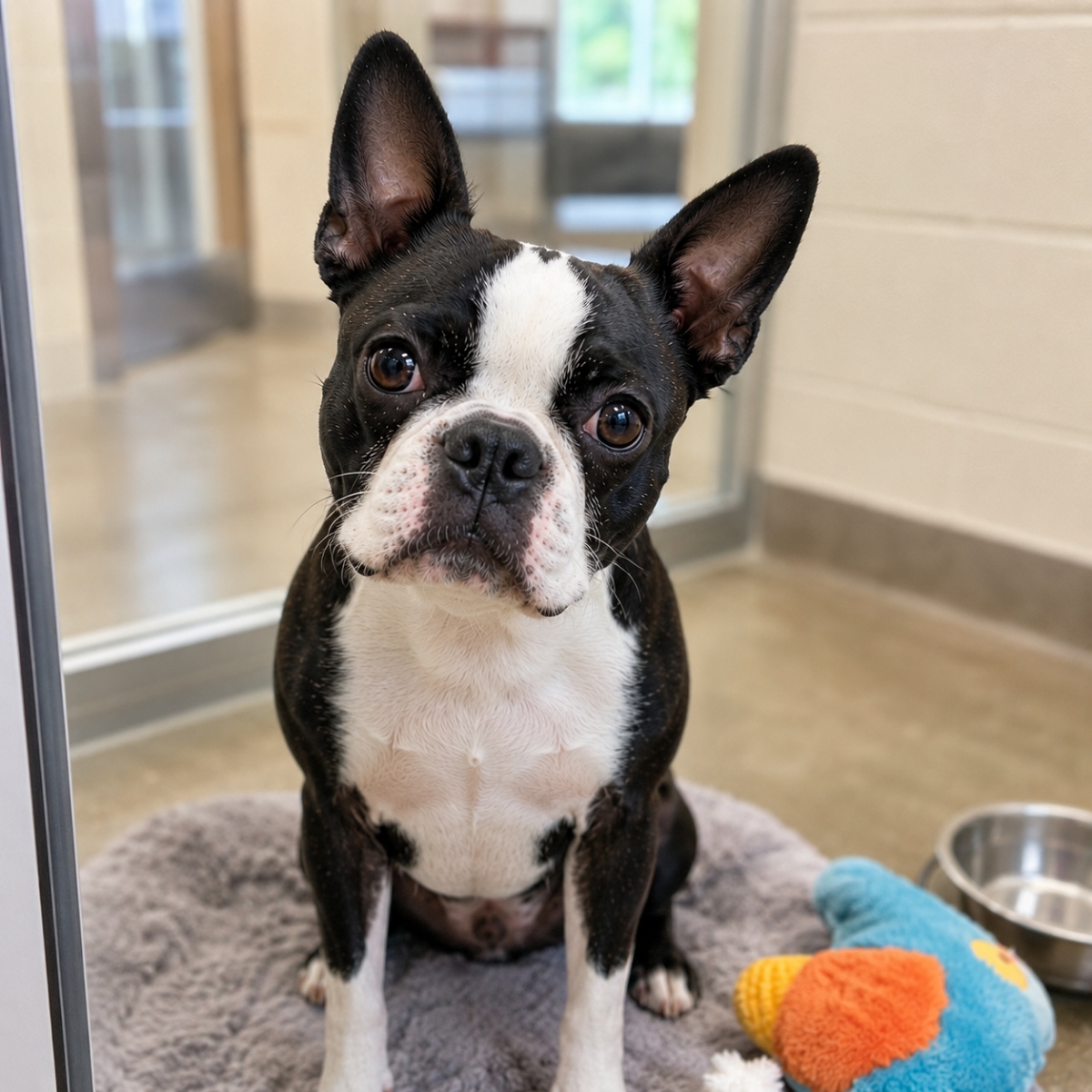

From playful puppies discovering the world for the first time to dignified seniors enjoying a well-earned nap, Boston Terriers have a unique way of turning ordinary moments into memorable ones. Their expressive faces, loving nature, and endless curiosity help explain why so many people fall in love with this remarkable little breed.
Boston Terrier Colors and Coat Types
Boston Terriers have a short, smooth, fine coat that is easy to maintain and pleasant to touch. Their coat lies close to the body, giving the breed its clean, polished appearance and helping showcase the distinctive markings that have earned Boston Terriers their famous “American Gentleman” nickname.
Unlike many breeds that come in a wide variety of coat textures and lengths, Boston Terriers have only one coat type. What makes them visually distinctive is their combination of color and markings. Most Boston Terriers display a dark body color paired with white markings on the chest, muzzle, neck, and forehead, creating the appearance of a tuxedo.
Although Boston Terriers do shed, shedding is generally considered low to moderate compared to many other breeds. Regular brushing can help remove loose hair and keep the coat looking healthy and glossy.
The three colors recognized by major breed organizations are black and white, brindle and white, and seal and white.
Black and White Boston Terrier

The black and white Boston Terrier is perhaps the most recognizable variety. These dogs have a glossy black coat paired with crisp white markings that create the classic tuxedo appearance associated with the breed.
The contrast between the dark coat and bright white markings often makes the breed’s expressive eyes and alert facial expressions stand out even more dramatically.
Brindle and White Boston Terrier

Brindle and white is actually the most common Boston Terrier coloration. Brindle coats feature dark striping over a lighter background color, creating subtle patterns that become especially visible in natural sunlight.
Many people initially mistake brindle Boston Terriers for black and white dogs until they notice the beautiful striping throughout the coat.
Brindle Boston Terriers share the same temperament, size, and overall characteristics as other color varieties.
Seal and White Boston Terrier
Seal and white Boston Terriers possess a unique coat color that often appears black at first glance. However, when viewed in bright sunlight, the coat reveals warm reddish or mahogany highlights.
This subtle color variation gives seal Boston Terriers a distinctive appearance that many breed enthusiasts find especially attractive.
Like black and brindle Boston Terriers, seal-colored dogs display the same characteristic white markings that contribute to the breed’s elegant appearance.
Required White Markings
One of the defining characteristics of the Boston Terrier is its white markings. Breed standards typically call for white on the muzzle, a blaze between the eyes, a white chest, and white on at least part of the forelegs.
These markings contribute significantly to the breed’s famous tuxedo-like appearance and help create the polished look that has earned the Boston Terrier its reputation as the “American Gentleman.”
What About Rare Colors?
In recent years, some breeders have marketed so-called “rare” colors including blue, lilac, champagne, merle, chocolate, and other unusual variations.
Prospective puppy buyers should approach these claims carefully. Responsible breeders generally focus on health, temperament, structure, breathing ability, and overall breed quality rather than unusual coat colors.
Some rare-color breeding programs may prioritize appearance over health, which can increase the risk of genetic problems and other concerns.
A healthy, well-socialized Boston Terrier with excellent temperament is far more valuable than an unusual color produced without regard for the dog’s wellbeing.
At the end of the day, the color of a Boston Terrier’s coat matters far less than the quality of the dog itself. Whether black, brindle, or seal, Boston Terriers remain beloved for their intelligence, affection, humor, and devotion to their families.
Boston Terrier Exercise Needs

Boston Terriers are energetic little dogs that enjoy being active, but they are not extreme athletes. Most are perfectly happy with a combination of daily walks, playtime, training activities, and opportunities to spend time with their favorite people.
Their exercise needs fall somewhere in the middle of the spectrum. They require more activity than some companion breeds but considerably less than high-energy working, sporting, or herding dogs.
A typical Boston Terrier exercise routine often includes:
- One or two daily walks
- Interactive play sessions
- Games of fetch
- Training exercises
- Puzzle toys and enrichment activities
- Safe opportunities to explore new environments
Boston Terriers are playful by nature and often enjoy bursts of activity throughout the day. Many owners become familiar with the famous “Boston Terrier zoomies” — sudden explosions of excitement during which the dog races enthusiastically around the house or yard before quickly settling down again as if nothing happened.
Although they enjoy exercise, Boston Terriers are generally more interested in spending time with their families than setting endurance records. Most would happily choose an activity that includes their favorite people over one that requires exercising alone.
Because Boston Terriers are a brachycephalic (short-muzzled) breed, owners should pay close attention to weather conditions and exercise intensity. Their shortened airways can make it more difficult for them to cool themselves efficiently during hot or humid weather.
During warm conditions, exercise should be adjusted accordingly. Early morning and evening walks are often safer than activity during the hottest parts of the day.
Signs that a Boston Terrier may be overheating include:
- Excessive panting
- Difficulty breathing
- Drooling more than usual
- Weakness or lethargy
- Bright red gums or tongue
- Disorientation or collapse
If these signs occur, the dog should be moved to a cooler environment immediately and veterinary assistance sought if needed.
Mental stimulation is every bit as important as physical exercise for this intelligent breed. Boston Terriers enjoy learning new things and often thrive when given opportunities to solve problems, practice training skills, and interact with their families.
Activities many Boston Terriers enjoy include:
- Basic obedience training
- Puzzle feeders
- Scent games
- Interactive toys
- Short training sessions
- Dog sports suited to their abilities
A bored Boston Terrier may become mischievous, vocal, or highly motivated to investigate activities that their owners would prefer remain uninvestigated.
The goal is not to exhaust your Boston Terrier. The goal is to maintain a healthy weight, provide mental stimulation, support physical fitness, and strengthen the bond between you and your dog.
For most Boston Terriers, a combination of moderate daily exercise, regular companionship, and engaging activities creates the perfect balance.
If you’re comparing apartment-friendly companion breeds, visit our guide to Best Small Dogs for Apartments.
Training a Boston Terrier

Boston Terriers are intelligent, eager to please, and highly people-oriented dogs, which generally makes them enjoyable training partners. They learn quickly, enjoy interacting with their owners, and often thrive when training is presented as a fun, rewarding activity rather than a chore.
One of the reasons Boston Terriers are so popular as companion dogs is their willingness to participate in family life. Most genuinely enjoy spending time with their people, and training sessions provide another opportunity for attention, praise, and interaction.
That said, Boston Terriers are not robots. They are intelligent enough to develop opinions of their own and occasionally decide that your instructions are merely suggestions worthy of further consideration.
In other words, a Boston Terrier is often willing to cooperate. They simply appreciate being asked politely.
Boston Terriers generally respond best to training that is:
- Positive and reward-based
- Consistent and predictable
- Fun and engaging
- Short enough to maintain attention
- Started early in life
Because they are sensitive and people-focused, harsh corrections, intimidation, or punishment-based methods are rarely necessary and can damage trust. Positive reinforcement using treats, praise, toys, and affection typically produces far better results.
Important skills every Boston Terrier should learn include:
- Coming when called
- Walking politely on leash
- Basic obedience commands
- Greeting visitors calmly
- Settling quietly when asked
- Comfort with grooming and veterinary handling
Early socialization is particularly important. Introducing your Boston Terrier puppy to a variety of people, places, sounds, surfaces, and experiences can help build confidence and encourage positive behavior throughout adulthood.
Well-socialized Boston Terriers often grow into friendly, adaptable adults who are comfortable in a wide range of situations.
House training is usually straightforward, although individual dogs vary. Consistency, supervision, frequent bathroom breaks, and positive reinforcement are the keys to success. Establishing a predictable routine helps most puppies learn more quickly.
Many Boston Terriers also excel in dog sports and activities such as:
- Obedience
- Rally
- Agility
- Scent work
- Trick training
- Canine fitness activities
The breed’s intelligence and athletic ability often surprise people who assume companion dogs are interested only in cuddling on the sofa. While Boston Terriers certainly appreciate comfort, many also enjoy having jobs to do and challenges to solve.
One of the most enjoyable aspects of training a Boston Terrier is their personality. They often approach learning with enthusiasm, curiosity, and a touch of humor. Some seem genuinely proud of themselves when they master a new skill and are more than happy to demonstrate it repeatedly if treats are involved.
Fortunately, their intelligence, food motivation, and desire to please usually make training a rewarding experience for both dog and owner. Keep sessions positive, maintain realistic expectations, and remember that learning should be enjoyable.
For additional training advice, visit our growing collection of small dog guides.
Boston Terrier Grooming Needs

Boston Terriers are often considered one of the easier dog breeds to groom. Their short, smooth coat requires no trimming, clipping, or professional styling, and their overall grooming needs are relatively modest compared to many other breeds.
That doesn’t mean Boston Terriers are maintenance-free, however. Regular grooming remains an important part of keeping your dog healthy, comfortable, and looking their best.
The good news is that most Boston Terrier owners can handle the majority of grooming tasks at home with a few basic tools and a consistent routine.
Basic Boston Terrier grooming includes:
- Weekly brushing
- Occasional bathing
- Regular nail trimming
- Ear inspections and cleaning
- Dental care
- Eye area monitoring
- Routine skin checks
The Boston Terrier’s short coat is relatively easy to maintain. Brushing once or twice a week helps remove loose hair, distribute natural skin oils, and keep the coat healthy and shiny. A soft-bristle brush, grooming mitt, or rubber curry brush is usually all that is required.
Although Boston Terriers are not considered heavy shedders, they do shed throughout the year. Regular brushing helps reduce the amount of hair that ends up on furniture, clothing, and floors.
Bathing is generally only needed when the dog becomes dirty or develops an odor. Overbathing can strip natural oils from the skin and may contribute to dryness or irritation. Most Boston Terriers do well with occasional baths using a gentle dog shampoo.
The breed’s large, prominent eyes deserve special attention. Because their eyes are more exposed than those of many breeds, owners should routinely check for:
- Redness
- Excessive tearing
- Discharge
- Squinting
- Signs of irritation or injury
Any sudden changes involving the eyes should be evaluated promptly by a veterinarian.
Ear care is usually straightforward. Weekly inspections can help identify wax buildup, irritation, or signs of infection before they become more serious problems. Healthy ears should appear clean and free of strong odors.
Nail trimming is another important part of routine care. Active dogs may naturally wear down their nails to some degree, but most Boston Terriers require regular trimming to prevent discomfort and changes in gait.
Dental care deserves special attention. Like many small and medium-sized breeds, Boston Terriers can be prone to dental disease as they age.
A good dental care routine includes:
- Regular tooth brushing
- Dental chews when appropriate
- Routine veterinary dental examinations
- Professional cleanings when needed
Healthy teeth and gums contribute to overall health and can help prevent more serious medical problems later in life.
Boston Terriers can occasionally develop skin sensitivities or allergies. Regular grooming sessions provide an excellent opportunity to check for:
- Dry or flaky skin
- Rashes
- Lumps or bumps
- Excessive scratching
- Hair loss
Many Boston Terriers enjoy grooming sessions because they provide additional opportunities for attention and interaction with their owners. When introduced positively at an early age, most become very cooperative during brushing, bathing, nail trimming, and routine handling.
The best grooming routine is a consistent one. A few minutes each week can help keep your Boston Terrier clean, comfortable, healthy, and looking every bit as polished as the little gentleman or lady they were born to be.
Boston Terrier Health Concerns

Boston Terriers are generally healthy companion dogs that often enjoy long, happy lives. However, like all purebred dogs, they are predisposed to certain health conditions that prospective owners should understand before bringing one home.
The good news is that many Boston Terriers live well into their teens. The not-so-good news is that responsible breeding, preventive veterinary care, sensible weight management, and a healthy lifestyle play important roles in helping them reach their full potential.
Because of their distinctive facial structure, prominent eyes, and genetic background, Boston Terriers may be more susceptible to certain health concerns than some other breeds.
Brachycephalic Airway Concerns
Boston Terriers are considered a brachycephalic breed, meaning they have a shortened muzzle and flattened facial structure.
While this contributes to their adorable appearance, it can also create breathing challenges in some dogs because the structures inside the airway are compressed into a smaller space.
Affected dogs may experience:
- Noisy breathing
- Snoring
- Exercise intolerance
- Heat sensitivity
- Difficulty recovering after exertion
Many Boston Terriers breathe normally and live active lives, but prospective owners should understand the breed’s increased risk for airway-related issues.
Heat Sensitivity
Because Boston Terriers may have reduced ability to cool themselves efficiently, they can be more vulnerable to overheating than longer-muzzled breeds.
Hot weather, humidity, vigorous exercise, and poorly ventilated environments can increase risk.
During warm weather:
- Exercise during cooler hours
- Provide unlimited access to fresh water
- Ensure access to shade and air conditioning
- Avoid strenuous activity in extreme heat
- Never leave a Boston Terrier in a parked vehicle
Heatstroke is a medical emergency and requires immediate veterinary attention.
Eye Problems
A Boston Terrier’s large, prominent eyes are one of the breed’s most recognizable features. Unfortunately, those same eyes are also more vulnerable to injury and certain medical conditions.
Potential eye concerns include:
- Corneal ulcers
- Dry eye
- Cataracts
- Cherry eye
- Eye trauma
- Glaucoma
Any redness, squinting, discharge, cloudiness, or signs of discomfort should be evaluated promptly by a veterinarian.
Patellar Luxation
Patellar luxation occurs when the kneecap slips out of its normal position. This condition is relatively common in many small breeds, including Boston Terriers.
Signs may include:
- Skipping or hopping while walking
- Sudden lameness
- Intermittent limping
- Difficulty rising or jumping
Mild cases may require little intervention, while more severe cases can sometimes require surgical correction.
Allergies and Skin Issues
Some Boston Terriers develop environmental or food-related allergies that can affect their comfort and quality of life.
Common signs include:
- Itchy skin
- Excessive licking or chewing
- Recurring ear infections
- Red or irritated skin
- Hair loss in affected areas
Many allergy-related conditions can be successfully managed with veterinary guidance.
Deafness
Congenital deafness occurs more frequently in Boston Terriers than in many other breeds, particularly in dogs with large amounts of white coloration.
Responsible breeders are aware of this possibility and may perform hearing evaluations on breeding stock or puppies when appropriate.
Many deaf dogs live happy, fulfilling lives when provided with proper training and communication methods.
Dental Disease
Like many small and medium-sized companion breeds, Boston Terriers can be prone to dental disease as they age.
Good dental care should include:
- Regular tooth brushing
- Routine veterinary examinations
- Professional cleanings when needed
- Monitoring for bad breath, loose teeth, or gum disease
Maintaining dental health can improve overall wellbeing and help prevent more serious medical issues.
The Importance of Responsible Breeding
Many hereditary health concerns can be reduced through careful breeding practices.
A reputable Boston Terrier breeder should prioritize:
- Health testing
- Sound temperament
- Breathing ability
- Structural correctness
- Overall health and longevity
The healthiest Boston Terriers are not necessarily those with the most exaggerated features. Responsible breeders focus on producing dogs that can breathe comfortably, move freely, see clearly, and enjoy an excellent quality of life.
With proper care, regular veterinary attention, sensible exercise, good nutrition, and thoughtful breeding, many Boston Terriers live long, happy lives filled with companionship, play, affection, and enough personality to keep their families smiling for years.
Feeding and Nutrition

Boston Terriers may be known for their tuxedo-like appearance and gentlemanly reputation, but when it comes to food, many are surprisingly enthusiastic diners. Most Boston Terriers have healthy appetites and rarely need much encouragement when mealtime arrives.
In fact, many owners quickly discover that their Boston Terrier can hear a treat bag being opened from distances that seem to defy the laws of physics.
While their enthusiasm for food can be helpful during training, it also means owners need to pay attention to portion sizes, treat intake, and overall nutrition.
Boston Terriers generally do best on a high-quality, nutritionally balanced dog food that is appropriate for their age, activity level, and health status. Puppies, adults, and senior dogs all have different nutritional requirements, and some dogs may benefit from diets recommended by their veterinarian.
Good feeding habits include:
- Choosing a high-quality dog food with balanced nutrition
- Measuring meals rather than guessing portions
- Limiting table scraps
- Using treats in moderation
- Providing fresh water at all times
- Monitoring body weight regularly
Boston Terriers are not generally considered one of the most obesity-prone breeds, but excess weight can still create significant health problems. Even a few extra pounds may place additional strain on joints, increase breathing difficulties, and reduce overall mobility.
Maintaining a healthy weight is particularly important for brachycephalic breeds such as the Boston Terrier because excess weight can worsen existing airway challenges.
Overweight Boston Terriers may be more likely to experience:
- Reduced exercise tolerance
- Breathing difficulties
- Joint strain
- Heat intolerance
- Decreased mobility
- Reduced quality of life
A healthy Boston Terrier should have a visible waist when viewed from above and a slight abdominal tuck when viewed from the side. You should be able to feel the ribs beneath a thin layer of tissue without having to press firmly.
Many Boston Terriers thrive on two measured meals per day as adults. Puppies typically require more frequent feedings while growing, and senior dogs may benefit from dietary adjustments depending on their health and activity levels.
Some Boston Terriers can be prone to food sensitivities or digestive issues. Common signs may include:
- Itchy skin
- Recurring ear infections
- Digestive upset
- Excessive gas
- Frequent licking or chewing of paws
If these symptoms occur, your veterinarian may recommend dietary modifications or additional testing to identify potential triggers.
Boston Terriers are often highly food-motivated, which can make training easier and more enjoyable. Treats can be powerful training tools, but owners should remember that calories from treats count toward the dog’s daily intake.
One challenge many Boston Terrier owners encounter is the breed’s tendency toward enthusiasm at mealtime. Some dogs eat quickly and may benefit from slow-feeder bowls, puzzle feeders, or food-dispensing toys that encourage slower eating and provide additional mental stimulation.
A well-balanced diet, proper portion control, regular exercise, and routine veterinary care all contribute to helping your Boston Terrier maintain a healthy weight throughout life.
The reward is a dog that is more energetic, more comfortable, better able to enjoy daily activities, and more likely to remain a happy companion for many years to come.
After all, while Boston Terriers may appreciate an occasional extra treat, what they truly want most is more time to spend with the people they love.
Are Boston Terriers Good Apartment Dogs?

Yes. Boston Terriers are generally excellent apartment dogs.
Their manageable size, moderate exercise needs, friendly temperament, and adaptable nature make them one of the most popular companion breeds for apartment, condo, townhouse, and city living.
Unlike many larger or high-energy breeds that require extensive outdoor space, Boston Terriers are usually quite content living in smaller homes as long as their physical, mental, and social needs are met.
In fact, many Boston Terriers seem perfectly happy as long as they have a comfortable place to nap and easy access to their favorite humans.
Boston Terriers are particularly well suited to apartment living because they are:
- Small enough to live comfortably in limited spaces
- Generally friendly and adaptable
- Moderately active rather than hyperactive
- Affectionate and people-oriented
- Typically less vocal than many small breeds
- Happy spending time indoors with their families
Unlike some small companion breeds that were developed primarily as watchdogs, Boston Terriers are not usually known for excessive barking. While individual dogs vary, many are relatively quiet and prefer greeting visitors with enthusiasm rather than sounding an alarm every time someone walks past the building.
Of course, apartment living with a Boston Terrier still requires responsible ownership.
A Boston Terrier living in an apartment should receive:
- Daily walks and exercise
- Mental stimulation and enrichment activities
- Regular bathroom breaks
- Social interaction and companionship
- A comfortable indoor environment
One of the breed’s greatest strengths is its adaptability. Many Boston Terriers quickly adjust to elevators, stairwells, sidewalks, busy neighborhoods, and other aspects of urban living. Their confidence and curiosity often make them excellent companions for people who enjoy exploring their communities.
Temperature management remains important. Because Boston Terriers are a brachycephalic breed, apartments without adequate cooling can become uncomfortable during hot weather. Access to air conditioning or cool indoor spaces is especially important during summer months.
Prospective owners should also consider the breed’s social nature. Boston Terriers thrive on companionship and generally enjoy being included in daily activities. They can tolerate reasonable periods alone, but most do not enjoy spending long hours isolated every day.
A Boston Terrier’s ideal apartment lifestyle includes regular exercise, plenty of interaction, mental stimulation, and opportunities to spend time with the people they love.
For many apartment dwellers, this combination makes the Boston Terrier an outstanding choice. They are small enough to fit comfortably into urban living while possessing enough personality, intelligence, and affection to make every day more entertaining.
If you’re comparing apartment-friendly companion breeds, be sure to visit our guide to Best Small Dogs for Apartments.
Are Boston Terriers Good Family Dogs?

Yes. Boston Terriers are often excellent family dogs.
Their affectionate nature, playful personality, manageable size, and genuine love of people have helped make them one of the most popular companion breeds for families throughout North America.
Boston Terriers thrive on human interaction and typically enjoy being included in family activities. Whether the family is enjoying a movie night, playing in the backyard, taking a walk around the neighborhood, or simply relaxing at home, most Boston Terriers are happiest when they are part of the experience.
One of the breed’s greatest strengths is its ability to combine playfulness with adaptability. Boston Terriers are energetic enough to enjoy active family life, yet they are usually content to settle down and relax when the excitement is over.
Many Boston Terriers are:
- Affectionate with family members
- Friendly and social
- Playful without being overly rough
- Generally good with respectful children
- Adaptable to busy households
- Eager to participate in family activities
Unlike some toy breeds that can be fragile and easily injured, Boston Terriers are relatively sturdy for their size. While they should always be handled gently and respectfully, they are often well-suited to households with children who have been taught how to interact appropriately with dogs.
Of course, no dog should ever be expected to tolerate rough handling, teasing, or inappropriate behavior. Children and dogs should always be supervised when interacting, particularly when either is very young.
Good family rules include:
- No pulling ears, tails, or whiskers
- No climbing on the dog
- No disturbing the dog while eating or sleeping
- Providing a quiet place where the dog can rest undisturbed
- Teaching gentle handling from an early age
Boston Terriers are often friendly toward visitors and may quickly assume that anyone entering the home has arrived specifically to admire them. While they are alert and aware of their surroundings, most are not serious guard dogs.
Many Boston Terriers also get along well with other pets when properly socialized. They often coexist peacefully with other dogs and can frequently adapt well to homes that include cats.
One thing prospective families should understand is that Boston Terriers form strong emotional bonds with their people. They generally do not enjoy being ignored or excluded from family life. These are companion dogs that genuinely want to participate in everyday activities and spend time with the people they love.
A Boston Terrier’s ideal family is one that enjoys companionship, interaction, and having a cheerful little shadow following them from room to room.
For many households, that combination is exactly what makes the breed so appealing. Boston Terriers bring affection, humor, loyalty, and endless entertainment to family life, often becoming cherished members of the household within a matter of days.
If you’re exploring other family-friendly breeds, visit our guide to Best Small Dogs for Families.
Are Boston Terriers Good Dogs for Seniors?

Yes. Boston Terriers can make wonderful companions for seniors.
Their manageable size, affectionate personality, moderate exercise needs, and strong desire for companionship make them an appealing choice for many older adults. For the right owner, a Boston Terrier can provide years of friendship, entertainment, routine, and unconditional love.
Unlike some breeds that require extensive daily exercise or constant activity, Boston Terriers are generally content with a few walks, some playtime, and plenty of opportunities to spend time with their favorite person.
Many seniors appreciate that Boston Terriers are:
- Small enough to live comfortably in apartments, condos, or smaller homes
- Affectionate and people-oriented
- Moderately active rather than high-energy
- Generally easy to groom
- Adaptable to quieter lifestyles
- Happy spending time indoors with their owners
One of the breed’s greatest strengths is its devotion to people. Boston Terriers often form strong emotional bonds with their owners and genuinely enjoy companionship. Many seem perfectly content spending the day following their favorite person from room to room, supervising household activities, and making sure no snack is enjoyed without proper observation.
For seniors living independently, this companionship can be especially meaningful. A Boston Terrier’s cheerful personality, affectionate nature, and daily routine often provide both emotional comfort and a sense of purpose.
The breed’s moderate exercise requirements are another advantage. Most Boston Terriers are satisfied with regular walks and play sessions without demanding hours of strenuous activity each day.
There are, however, a few considerations.
Boston Terriers are playful and sometimes energetic, particularly during puppyhood and adolescence. Prospective owners should be comfortable providing regular exercise, training, and social interaction.
Potential owners should also be aware that:
- Boston Terriers require routine veterinary care
- Health issues may become more common with age
- Heat sensitivity requires additional attention during warm weather
- Weight management is important throughout life
- They thrive on companionship and may not enjoy being alone for extended periods
For some seniors, adopting an adult or senior Boston Terrier can be an excellent option. Mature dogs often have established personalities, may already have basic training, and are frequently past the more demanding puppy stage.
Many older Boston Terriers make exceptional companions who are perfectly happy sharing a peaceful home, enjoying daily walks, receiving affection, and participating in regular routines.
A Boston Terrier may not help with yard work, household repairs, or carrying groceries, but they excel at companionship, comic relief, emotional support, and reminding their owners that every day is a little brighter when shared with a loyal friend.
For more senior-friendly breed ideas, visit our guide to Best Small Dogs for Seniors.
Boston Terrier Adoption

Boston Terrier adoption can be a wonderful way to welcome a loving companion into your life while giving a deserving dog a second chance.
Every year, Boston Terriers find themselves in need of new homes through breed-specific rescues, animal shelters, and private rehoming situations. Some are surrendered because of changes in their owner’s circumstances, while others may have been rescued from neglectful situations or found as strays.
Fortunately, Boston Terriers are resilient, adaptable little dogs that often adjust beautifully to loving new homes when given patience, consistency, and understanding.
One of the biggest advantages of adopting an adult Boston Terrier is that much of the guesswork has already been removed. Adult dogs often have established personalities, energy levels, and behavior patterns, making it easier to find a dog that fits your lifestyle.
When considering a Boston Terrier for adoption, ask about:
- Temperament and personality
- Comfort around children
- Experience with other dogs or cats
- House training status
- Medical history
- Breathing or airway concerns
- Exercise needs
- Allergies or skin issues
- Reason for rehoming
Because Boston Terriers can be prone to certain health conditions, it is especially important to understand any known medical concerns before adoption. Reputable rescues and rehoming organizations should be transparent about a dog’s health, behavior, and ongoing care requirements.
Newly adopted Boston Terriers may need time to adjust to their new surroundings. Some settle in within a few days, while others require several weeks to fully relax and develop trust.
Helpful ways to support a newly adopted Boston Terrier include:
- Maintaining a predictable daily routine
- Providing a comfortable sleeping area
- Using positive reinforcement training
- Allowing time to build trust
- Scheduling a veterinary examination
- Keeping introductions to new people and pets gradual
Many adopted Boston Terriers quickly reveal the qualities that have made the breed so popular: affection, intelligence, playfulness, and a remarkable ability to form strong bonds with their families.
Some owners even feel that rescue dogs seem especially appreciative of their second chance, rewarding their new families with extraordinary loyalty and devotion.
If you’re open to adoption, don’t overlook adult and senior Boston Terriers. Older dogs are often already house trained, may have basic manners, and are frequently past the more demanding puppy stage. Many make exceptional companions for families, singles, and seniors alike.
Whether you adopt a puppy, an adult dog, or a senior companion, providing a safe and loving home can be one of the most rewarding experiences of dog ownership.
If you’re considering other companion breeds as well, explore our Small Dog Breeds Hub for additional adoption-friendly options.
Finding a Reputable Boston Terrier Breeder

If you decide to purchase a Boston Terrier puppy, choosing the right breeder is one of the most important decisions you will make.
A well-bred Boston Terrier should be far more than adorable. Responsible breeders work to produce puppies with sound temperaments, good health, proper structure, and the best possible quality of life. They are passionate about preserving and improving the breed while ensuring every puppy receives the best possible start in life.
Unfortunately, the popularity of Boston Terriers has also attracted puppy mills, backyard breeders, and individuals who prioritize profit over the health and wellbeing of their dogs.
A reputable Boston Terrier breeder should:
- Prioritize health, temperament, and overall wellbeing
- Be knowledgeable about breed-specific health concerns
- Perform appropriate health testing on breeding dogs
- Provide health information about the puppy’s parents
- Raise puppies in a clean, safe, enriching environment
- Encourage questions from prospective owners
- Use written contracts and health guarantees
- Offer ongoing support after placement
- Care deeply about where their puppies ultimately live
A good breeder is not simply selling puppies. They are helping create successful lifelong relationships between dogs and families.
When speaking with a breeder, don’t be afraid to ask questions about:
- Breathing health and airway quality
- Eye health testing
- Patellar luxation screening
- Hearing evaluations
- Temperament and personality
- Socialization practices
- Veterinary care protocols
- The parents’ personalities and lifestyles
Because Boston Terriers are a brachycephalic breed, responsible breeders should place significant emphasis on producing dogs that can breathe comfortably and live active, healthy lives.
The healthiest Boston Terriers are not necessarily those with the most exaggerated features. Responsible breeders strive for balance, producing dogs that retain the breed’s distinctive appearance while maintaining good breathing ability, sound movement, and overall wellbeing.
Be cautious of breeders who:
- Focus heavily on “rare” colors
- Advertise merle, blue, lilac, chocolate, or other novelty colors as their primary selling point
- Always seem to have multiple litters available
- Refuse to answer questions
- Cannot provide health information
- Appear more interested in sales than in their dogs
- Pressure buyers into making quick decisions
A responsible breeder should be just as interested in evaluating you as you are in evaluating them. Expect questions about your lifestyle, work schedule, experience with dogs, living arrangements, and expectations for ownership.
Good breeders care deeply about the futures of their puppies and want to ensure they are being placed in suitable homes.
At DogPage.us, we believe prospective puppy buyers deserve more than a giant breeder directory filled with unknown programs. That’s why we are building a carefully curated collection of breeder spotlights featuring a select number of outstanding breeders who demonstrate a genuine commitment to health, responsible breeding practices, proper puppy socialization, and lifelong support.
Rather than listing hundreds of breeders, our goal is to introduce readers to a limited number of exceptional programs that consistently place the welfare of their dogs first.
You can learn more about our philosophy by visiting our Featured Small Dog Breeders Hub.
Whether you choose adoption or purchase a puppy from a breeder, take your time, ask questions, and focus on finding a healthy, well-adjusted Boston Terrier that is a good fit for your family and lifestyle.
Boston Terrier FAQ

Are Boston Terriers good pets?
Yes. Boston Terriers are affectionate, intelligent, friendly companion dogs that are known for their cheerful personalities and strong bonds with their families. Their adaptability and manageable size make them popular pets for a wide variety of households.
Do Boston Terriers shed a lot?
Boston Terriers are generally considered low to moderate shedders. While they do shed throughout the year, regular brushing can help control loose hair and keep the coat looking healthy.
Why are Boston Terriers called the American Gentleman?
Boston Terriers earned the nickname “The American Gentleman” because of their tuxedo-like coat markings and their friendly, well-mannered personalities. They are also one of the few dog breeds developed entirely in the United States.
Are Boston Terriers easy to train?
Yes. Boston Terriers are intelligent, eager to please, and generally responsive to positive reinforcement training. They often learn quickly, although some can occasionally display a stubborn streak.
Are Boston Terriers good with children?
Many Boston Terriers are excellent with respectful children. Their playful nature, sturdy build, and affectionate personality often make them wonderful family companions.
Can Boston Terriers be left alone?
Boston Terriers can tolerate reasonable periods alone, but they are highly social dogs that generally prefer companionship. Long periods of isolation may lead to boredom, anxiety, or undesirable behaviors.
Do Boston Terriers bark a lot?
Most Boston Terriers are not excessive barkers. While they may alert their owners to visitors or unusual sounds, they are generally quieter than many small companion breeds.
Can Boston Terriers swim?
Some Boston Terriers can swim, but many are not strong swimmers due to their body structure and brachycephalic facial anatomy. They should always be supervised around water and may benefit from wearing a properly fitted canine life jacket.
How much exercise do Boston Terriers need?
Most Boston Terriers do well with daily walks, playtime, training activities, and mental stimulation. They are moderately active dogs that enjoy exercise but typically do not require hours of strenuous activity each day.
Are Boston Terriers healthy dogs?
Boston Terriers can live long, happy lives, but they are predisposed to certain health concerns, including breathing difficulties, eye problems, heat sensitivity, allergies, and patellar luxation. Responsible breeding and proper care are important.
Do Boston Terriers get along with other pets?
Many Boston Terriers get along very well with other dogs and cats when properly socialized and introduced. Their generally friendly, sociable nature often helps them adapt well to multi-pet households.
Do Boston Terriers snore?
Some Boston Terriers snore because of their shortened muzzle and brachycephalic facial structure. Mild snoring is common, but significant breathing difficulties should always be evaluated by a veterinarian.
Are Boston Terriers good apartment dogs?
Yes. Boston Terriers are often excellent apartment dogs because of their manageable size, moderate exercise requirements, adaptability, and generally quiet nature.
Are Boston Terriers good dogs for seniors?
Many Boston Terriers make wonderful companions for seniors due to their affectionate personalities, moderate exercise needs, manageable size, and strong desire for companionship.
How long do Boston Terriers live?
Most Boston Terriers live between 11 and 13 years, although some may live longer with excellent care, proper weight management, routine veterinary attention, and good genetics.
Do Boston Terriers need a lot of grooming?
No. Boston Terriers are relatively easy to groom. Their short coat requires only regular brushing, occasional bathing, nail trimming, dental care, and routine ear and eye monitoring.
Are Boston Terriers good for first-time dog owners?
Yes. Boston Terriers are often recommended for first-time owners because they are affectionate, adaptable, relatively easy to train, and generally straightforward to care for when their exercise, social, and healthcare needs are met.
Related DogPage Guides
Thinking about adding a Boston Terrier to your family? The guides below can help you compare breeds, evaluate your lifestyle, and learn more about what it takes to be a successful small dog owner.
- Best Small Dogs for Apartments
- Best Small Dogs for Seniors
- Best Small Dogs for Families
- Best Small Dogs for First-Time Dog Owners
- Best Small Dogs That Don’t Shed
- French Bulldog Breed Guide
- Pug Breed Guide
- Chihuahua Breed Guide
- Small Dog Breeds Hub
- Small Dog Guides