
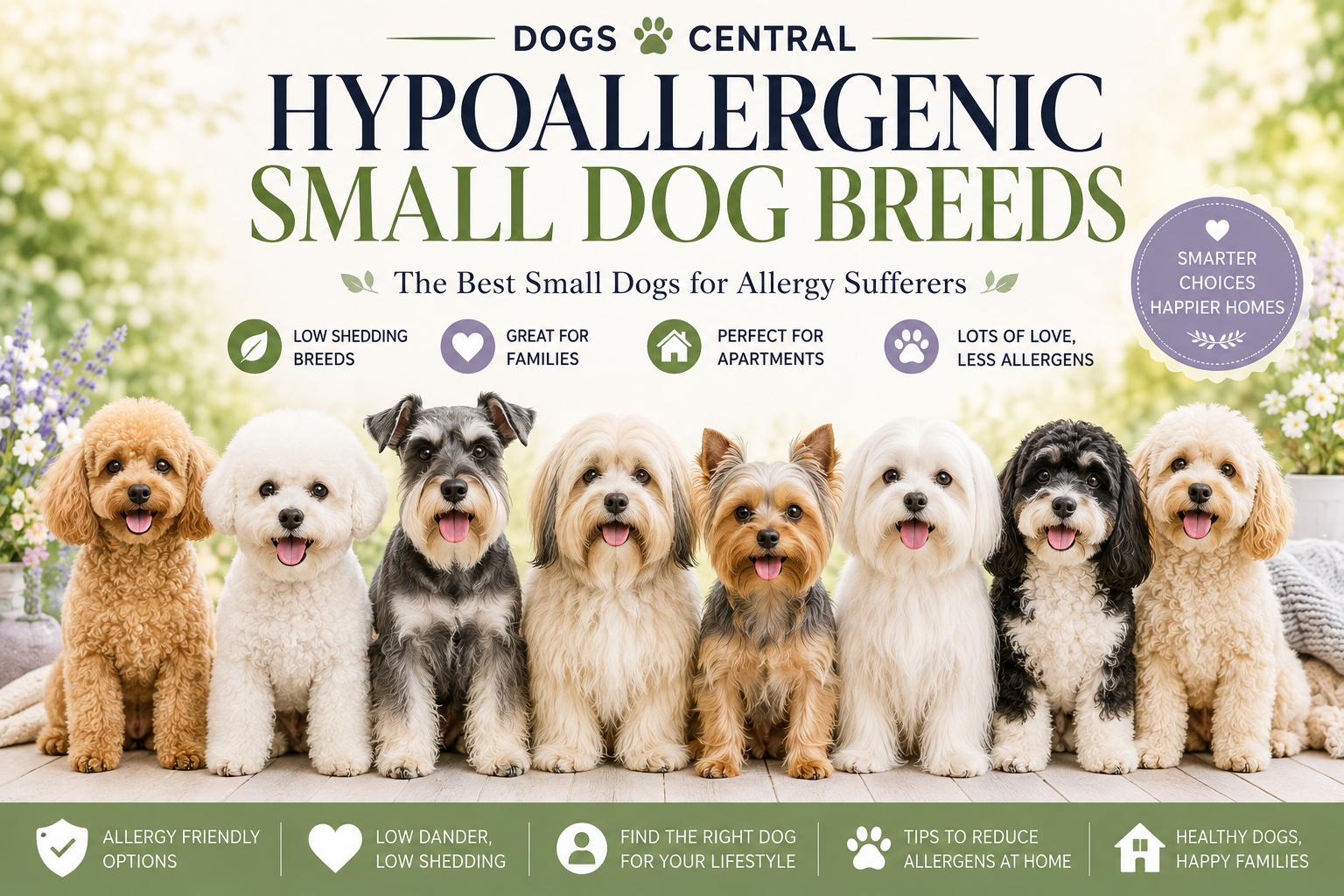
Love dogs but start sneezing, itching or wheezing around them? You are certainly not alone in searching for a small dog that may be easier to live with. Poodles, Bichon Frises, Maltese, Havanese, Yorkies and several other little dogs are routinely described as hypoallergenic small dog breeds because they tend to shed relatively little.
But there is something every prospective owner should understand before choosing a puppy:
No dog breed is truly allergy-free.
People with dog allergies generally react to allergenic proteins associated with dogs, including proteins found in dander, saliva and urine—not simply to dog hair. All dogs produce allergens. “Hypoallergenic” is therefore best treated as a useful everyday description for breeds that may work better for some allergy sufferers, rather than a promise that a dog cannot trigger an allergic reaction.
This Dogs Central guide explains what hypoallergenic really means, introduces some of the most popular small hypoallergenic dogs, compares coat and grooming needs, examines Poodles and Poodle mixes, and helps you think realistically about choosing a dog when someone in your household has allergies.
Hypoallergenic Small Dogs at a Glance
If you are beginning your research, these are some of the small breeds most commonly considered by people looking for a lower-shedding companion. Individual allergic reactions can still occur with every breed on this list.
| Breed | Shedding Tendency | Grooming | Worth Knowing |
|---|---|---|---|
| Toy Poodle | Very low | High | Tiny, brilliant and trainable; curly coat needs regular clipping. |
| Miniature Poodle | Very low | High | Smart, athletic and slightly more substantial than the Toy. |
| Bichon Frise | Low | High | Cheerful companion with a soft, continuously growing coat. |
| Maltese | Low | Moderate–High | Tiny companion with hair-like coat and strong people focus. |
| Havanese | Low | Moderate–High | Sociable, playful family companion with substantial coat care. |
| Yorkshire Terrier | Low | Moderate–High | Tiny terrier with silky hair and a bold personality. |
| Miniature Schnauzer | Low | Moderate–High | Sturdy, alert and trainable; needs clipping or hand stripping. |
| Coton de Tulear | Low | High | Affectionate companion with a soft cotton-like coat. |
| Chinese Crested | Low | Specialized | Hairless dogs still produce allergens; skin care is important. |
| Lhasa Apso | Low | High | Long-coated, sturdy and somewhat independent. |
| Shih Tzu | Low | High | Companion-focused; coat needs regular maintenance. |
“Low shedding” does not mean “low allergen,” and grooming estimates assume the coat is kept healthy and mat-free.
What Does “Hypoallergenic Dog” Really Mean?
The word hypoallergenic is widely used for breeds that shed relatively little or have coats thought to spread less loose hair and dander around a home. It is useful search language, but scientifically it can be misleading if interpreted as “cannot cause allergies.”
Dog allergies are reactions to proteins produced by dogs. These allergens can be associated with dander, saliva, hair and urine. Because every dog produces allergens, there is no breed that can honestly be guaranteed allergy-free.
Hair Is Not the Allergen
Dog hair can carry dander, dried saliva, pollen, dust and other material, but simply having hair rather than fur does not make a dog non-allergenic. A low-shedding coat may reduce the amount of loose hair distributed around a home, but it does not switch off the dog’s production of allergenic proteins.
Can You Still Be Allergic to a “Hypoallergenic” Dog?
Absolutely. One person may tolerate a particular Poodle reasonably well while reacting strongly to another dog. Another person may react to every dog they meet. Allergy severity and sensitivity vary from person to person, and allergen production varies among individual dogs.
That is why Dogs Central recommends thinking in terms of lower-shedding or potentially more allergy-compatible breeds, not “allergy-proof” dogs.
Best Hypoallergenic Small Dog Breeds to Consider
 Toy Poodle
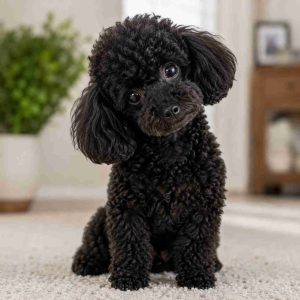 Toy Poodle
The Toy Poodle is one of the first breeds many allergy-conscious families investigate. Its dense curly coat sheds very little loose hair, but requires regular brushing and professional grooming. Toy Poodles are exceptionally intelligent, trainable and active for their tiny size.
Explore the Toy Poodle Breed Guide
Miniature Poodle
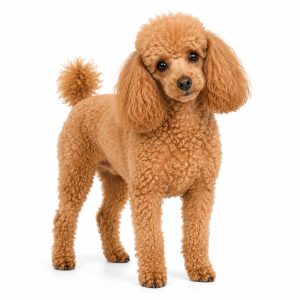 Miniature Poodle
Miniature Poodles share the low-shedding curly coat of the Toy while offering a slightly larger, often more robust package. They are energetic, clever dogs that generally thrive on training and mental stimulation.
Explore the Miniature Poodle Breed Guide
Bichon Frise
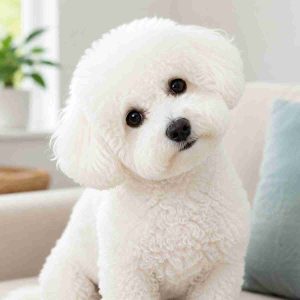 Bichon Frise
The cheerful Bichon Frise has a soft double coat in which shed hair tends to become caught rather than falling freely around the home. That means less loose hair—but also frequent brushing and regular professional grooming.
Explore the Bichon Frise Breed Guide
Maltese
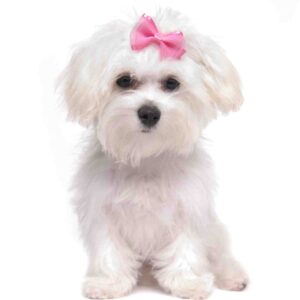 Maltese
Maltese are tiny companion dogs with long, silky hair and relatively little shedding. Their coat can be maintained long or kept in a practical puppy cut. They tend to bond closely with their people and can be delightful companions for owners prepared for coat care.
Explore the Maltese Breed Guide
Havanese
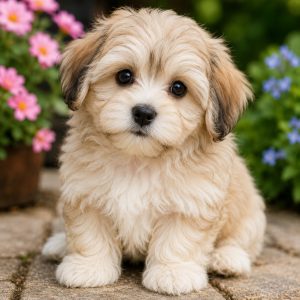 Havanese
Friendly, playful and deeply people-oriented, the Havanese has a long, soft coat that sheds relatively little. Regular brushing is essential, particularly if the coat is kept long.
Explore the Havanese Breed Guide
Yorkshire Terrier
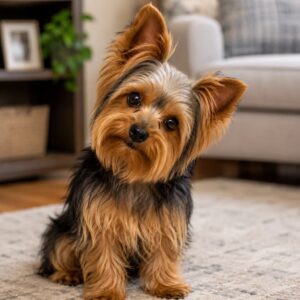 Yorkshire Terrier
The Yorkshire Terrier’s fine, silky coat is often compared with human hair and tends to shed relatively little. Yorkies are tiny but distinctly terrier-like: alert, confident and often surprisingly bold.
Explore the Yorkshire Terrier Breed Guide
Miniature Schnauzer
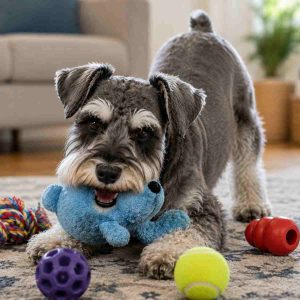 Miniature Schnauzer
Miniature Schnauzers are sturdy, bright little dogs with a wiry outer coat and softer undercoat. They shed relatively little but require regular grooming, clipping or hand stripping depending on the desired coat.
Explore the Miniature Schnauzer Breed Guide
Coton de Tulear
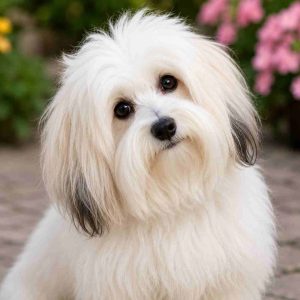 Coton de Tulear
The Coton is an affectionate companion known for its soft, cotton-like coat. Shedding tends to be low, but the coat can mat and needs diligent grooming.
Explore the Coton de Tulear Breed Guide
Chinese Crested
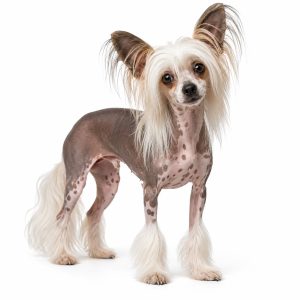 Chinese Crested
The mostly hairless variety may seem like the obvious allergy-friendly choice, but hairless does not mean allergen-free. Chinese Cresteds still produce dander and saliva. They also require specialized skin care and protection from weather and sun.
Explore the Chinese Crested Breed Guide
Shih Tzu
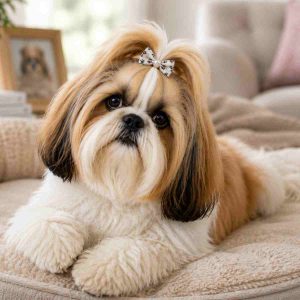 Shih Tzu
Shih Tzus have continuously growing coats and tend to release less loose hair than many breeds. Their grooming requirements are substantial, whether the coat is worn long or clipped short.
Explore the Shih Tzu Breed Guide
Lhasa Apso
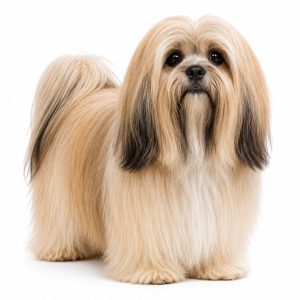 Lhasa Apso
The Lhasa Apso’s long coat sheds relatively little compared with many breeds, although it requires regular care. Lhasas are sturdy little dogs with a more independent personality than their glamorous appearance might suggest.
Are Poodles Hypoallergenic?
Poodles are probably the dogs most strongly associated with the word hypoallergenic. Toy, Miniature and Standard Poodles have dense curly coats that tend to retain shed hairs rather than releasing large quantities into the environment.
That makes Poodles an appealing breed to investigate when loose dog hair is a concern. It does not mean Poodles are incapable of causing allergies. Poodles still produce the allergenic proteins found in dogs.
Toy Poodle or Miniature Poodle?
For Dogs Central readers looking specifically for a small dog, both are excellent breeds to research. Toy Poodles offer the smallest package; Miniatures are more substantial while remaining compact. Both need considerable grooming and far more mental stimulation than their elegant appearance sometimes suggests.
If allergies are important to your decision, spend time with adult Poodles before committing to a puppy rather than assuming the breed label guarantees tolerance.
Are Poodle Mixes Hypoallergenic?
This is one of the most important misconceptions surrounding designer dogs.
A Poodle parent does not automatically make a mixed-breed puppy hypoallergenic or non-shedding.
Mixed-breed puppies inherit genes from both parents, and coat characteristics can vary even among littermates. A puppy may inherit a curlier Poodle-like coat, a straighter coat resembling the other parent, or something in between. Shedding can vary as well.
Are Havapoos Hypoallergenic?
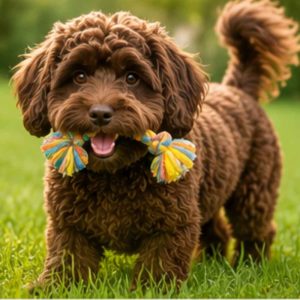 Are Havapoos Hypoallergenic?
Havapoos combine Havanese and Toy or Miniature Poodle ancestry—two relatively low-shedding breeds—so many Havapoos shed little. Individual coats and allergen reactions still vary.
Explore the Havapoo Breed Guide
Are Cavapoos Hypoallergenic?
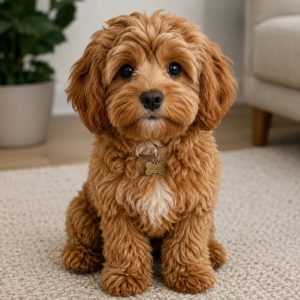 Are Cavapoos Hypoallergenic?
Cavapoos combine a Poodle with a Cavalier King Charles Spaniel. Because Cavaliers shed, Cavapoo coats can vary significantly. Some may shed very little; others may shed more than prospective owners expect.
Explore the Cavapoo Breed Guide
Are Maltipoos Hypoallergenic?
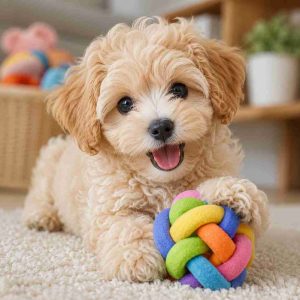 Are Maltipoos Hypoallergenic?
Both Maltese and Poodles are relatively low-shedding, which makes the Maltipoo particularly appealing to people concerned about shedding. Even so, no individual Maltipoo can be guaranteed allergy-free.
Explore the Maltipoo Breed Guide
Are Cockapoos Hypoallergenic?
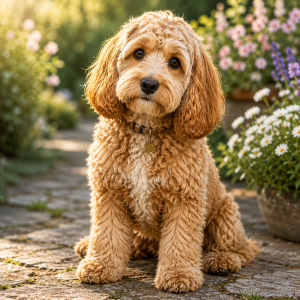 Are Cockapoos Hypoallergenic?
Cockapoos may inherit a low-shedding Poodle-like coat, but Cocker Spaniels shed and coat inheritance varies. Buyers should be cautious of breeders who guarantee that every Cockapoo puppy will be non-shedding or hypoallergenic.
Explore the Cockapoo Breed Guide
Other Small Poodle Mixes
Yorkipoos, Pomapoos, Shihpoos, Jackapoos and other small Poodle crosses may have low-shedding coats, but predictability varies. If allergies are a major concern, evaluate the actual dog rather than relying on the word “Doodle” or “Poo” in the breed name.
Explore Our Small Designer Dog Breeds Guide
Small Hypoallergenic Dogs That Don’t Shed Much
If your real goal is less dog hair around the house, low shedding may be a more useful characteristic to research than the word hypoallergenic.
Among small dogs, particularly low-shedding choices include Toy and Miniature Poodles, Bichon Frises, Maltese, Havanese, Yorkies, Cotons de Tulear and Miniature Schnauzers.
There is an important tradeoff: many low-shedding dogs need more grooming, not less. Hair that remains in the coat can tangle and mat. Poodles and Bichons generally need routine professional clipping; Maltese, Havanese and Cotons need regular brushing; Schnauzers need coat maintenance as well.
So “doesn’t shed much” should never be interpreted as “maintenance-free.”
Explore Small Dog Breeds That Don’t Shed Much
Hypoallergenic Dogs That Stay Small
If both compact size and lower shedding are priorities, several breeds deserve a closer look.
- Toy Poodle — tiny, athletic and highly trainable.
- Maltese — very small, affectionate and companion-oriented.
- Yorkshire Terrier — tiny with a silky low-shedding coat.
- Bichon Frise — small, sturdy and sociable.
- Havanese — compact and family-oriented.
- Coton de Tulear — small, cheerful and people-focused.
- Chinese Crested — very small, with hairless and Powderpuff varieties.
Be cautious with “teacup hypoallergenic dogs.” Teacup is a marketing term, not a separate breed classification. Breeding deliberately for extreme miniature size can introduce additional health and injury concerns.
Explore More Types of Small Dogs
Are There Low-Maintenance Hypoallergenic Small Dogs?
This is where expectations need adjusting. Many breeds marketed as hypoallergenic are low shedding but high grooming.
A Miniature Schnauzer in a practical clip may be relatively manageable. A Maltese or Havanese kept in a short puppy cut can be considerably easier than one in full coat. But Poodles, Bichons, Cotons and other continuously growing or mat-prone coats still need consistent care.
Also remember that maintenance includes much more than hair: exercise, training, dental care, nail care, veterinary care and companionship all matter.
If you dislike brushing and do not want regular professional grooming, a classic low-shedding breed may actually be a poor fit despite the appeal of less hair on the furniture.
Best Hypoallergenic Small Dogs for Families
For family homes, consider more than allergy concerns. The dog should also suit the children’s ages, household activity, exercise level and experience with dogs.
Havanese, Bichon Frises, Miniature Poodles and Cotons de Tulear can be excellent breeds to investigate for appropriate families. Toy Poodles, Maltese and Yorkies can also be wonderful companions but are physically smaller and may be vulnerable to accidental injury from rough handling.
No breed is automatically “good with kids.” Individual temperament, responsible breeding, early socialization, training and respectful supervision between children and dogs remain essential.
Explore the Best Small Dogs for Families
Best Hypoallergenic Small Dogs for Seniors
A small, low-shedding companion can appeal greatly to older adults, but the best choice depends on much more than coat.
Consider exercise needs, barking, trainability, grooming costs, physical sturdiness and how easily the dog can be handled. Maltese, Havanese, Bichon Frises, Toy Poodles and some Shih Tzus may suit many seniors, while a Miniature Poodle or Miniature Schnauzer may appeal to someone wanting a more active companion.
For anyone choosing a dog later in life, an adult dog can be particularly worth considering. Adult size, coat and temperament are already apparent, and an adult may require less intensive supervision than a young puppy.
Explore the Best Small Dogs for Seniors
Best Hypoallergenic Small Dogs for Apartments
Small size and low shedding can make apartment living easier, but barking and energy level matter enormously.
Maltese, Bichons, Havanese, Toy Poodles and Shih Tzus can all be worth investigating. However, every dog needs exercise, enrichment and training, and any breed can become disruptive when bored, anxious or inadequately exercised.
A quiet 15-pound dog may be a much better apartment neighbor than a highly vocal 6-pound dog. Choose for the complete temperament rather than size alone.
Explore Small Dogs for Apartment Living
Calm or Quiet Hypoallergenic Small Dogs
Searches for “hypoallergenic dogs that don’t bark” are understandable, but there is no non-barking hypoallergenic breed. Barking is influenced by breed tendencies, temperament, environment, training, exercise and emotional state.
Some companion breeds may be less intensely driven than working terriers, but individuals vary enormously. Havanese, Maltese, Bichons, Cotons and Shih Tzus may be worth exploring if you prefer a companion-oriented dog, while Poodles and Schnauzers can be more active and alert.
For noise-sensitive households, meet adult dogs, ask breeders about the temperaments of their lines, and prioritize good early socialization and training.
Explore Quiet Small Dog Breeds
Before Bringing Home a “Hypoallergenic” Dog
If someone in the household has a known or suspected dog allergy, do not choose a breed based solely on an online list.
1. Find Out What Is Causing the Allergy
An allergist can help determine whether symptoms are actually related to dogs and discuss appropriate management. Dog coats can also carry pollen and dust, so not every reaction occurring around a dog necessarily has the same trigger.
2. Spend Time With Adult Dogs
Whenever possible, spend meaningful time indoors with adult dogs of the breed you are considering. A quick outdoor meeting with a puppy is not a reliable allergy test.
3. If Possible, Meet the Actual Dog
Individual dogs vary. If adopting an adult, spending time with that particular dog may be especially informative.
4. Don’t Rely on a Breeder Guarantee
Be skeptical of anyone promising that a puppy is “100% hypoallergenic.” No responsible breeder can guarantee that an individual person will not react to an individual dog.
5. Think About the Consequences Before Committing
If allergies later make living with the dog impossible, the consequences affect both the family and the dog. Careful investigation before adoption or purchase is far kinder than hoping the problem will disappear afterward.
How to Reduce Dog Allergen Exposure at Home
If a person with dog allergies lives with a dog, reducing exposure may help as part of an individualized allergy-management plan.
- Keep the dog out of the allergic person’s bedroom.
- Use effective HEPA air filtration where appropriate.
- Vacuum and clean regularly using equipment designed to reduce airborne particles.
- Wash dog bedding regularly.
- Wash hands after close contact with the dog.
- Avoid allowing the dog to lick the allergic person’s face.
- Discuss bathing frequency with your veterinarian so skin and coat remain healthy.
- Talk with an allergist about diagnosis and treatment options rather than relying entirely on environmental changes.
For people with asthma or significant allergic reactions, professional medical guidance is especially important.
How to Choose the Best Hypoallergenic Small Dog for You
Once you’ve identified breeds you may tolerate, allergy considerations become only one part of choosing the right dog.
| Consider | Ask Yourself |
|---|---|
| Allergy response | Have I actually spent time around adult dogs of this breed? |
| Grooming | Can I brush regularly and budget for professional grooming? |
| Exercise | Do I want a lap companion or an active little athlete? |
| Training | How much time do I enjoy spending on training and enrichment? |
| Children | Is this dog physically and temperamentally suited to my household? |
| Other pets | Does the breed’s typical sociability or prey drive fit my home? |
| Alone time | Can I provide the companionship this breed needs? |
| Health | Do I understand the breed’s inherited health concerns? |
| Noise | Can I comfortably live with this breed’s alertness and vocal tendencies? |
There is no single “best hypoallergenic dog.” The right choice is the dog you can tolerate and whose temperament, needs and care requirements fit your life.
Compare Different Types of Small Dogs
Finding a Responsibly Bred Low-Shedding Puppy
If you decide to purchase a puppy, do not let the word “hypoallergenic” distract you from the fundamentals of responsible breeding.
Look for breeders who perform appropriate health testing for their breed, raise adult breeding dogs as genuine family members, raise puppies in an enriching home environment, provide thoughtful early socialization and carefully screen prospective homes.
For designer dogs, appropriate health screening should consider concerns relevant to both parent breeds. Be particularly cautious of breeders whose main sales pitch is a guaranteed “non-shedding,” “allergy-proof” or “100% hypoallergenic” puppy.
Explore the Dogs Central Small Dog Breeders Showcase
Hypoallergenic Small Dogs FAQ
Are hypoallergenic dogs real?
No dog is truly non-allergenic. The term “hypoallergenic” is commonly used for breeds that shed relatively little or are thought to be easier for some allergy sufferers to tolerate, but all dogs produce allergens.
Can you still be allergic to a hypoallergenic dog?
Yes. People can react to allergenic proteins associated with dog dander, saliva and urine. Low shedding does not eliminate those proteins, and individual reactions vary.
What are the best small hypoallergenic dogs?
Toy and Miniature Poodles, Bichon Frises, Maltese, Havanese, Yorkshire Terriers, Miniature Schnauzers and Cotons de Tulear are among the most popular small low-shedding breeds for allergy-conscious households to investigate.
What small hypoallergenic dogs stay small?
Toy Poodles, Maltese and Yorkshire Terriers are among the tiniest lower-shedding breeds. Bichons, Havanese and Cotons remain small while generally being somewhat more substantial.
Are Poodles hypoallergenic?
Poodles shed very little loose hair and are commonly described as hypoallergenic, but they still produce dog allergens and can trigger allergic reactions in susceptible people.
Are Poodle mixes hypoallergenic?
Not necessarily. Coat and shedding traits in Poodle mixes vary depending on the genes inherited from both parents. A Poodle-cross puppy cannot automatically be assumed to be non-shedding or allergy-friendly.
Do hypoallergenic dogs have dander?
Yes. All dogs produce skin material and allergenic proteins. Hairless and low-shedding dogs are not exempt.
Do hypoallergenic dogs shed?
Many breeds described as hypoallergenic shed relatively little, but no dog can be guaranteed never to release hair or skin particles.
Are there hypoallergenic dogs that don’t need grooming?
Most of the classic low-shedding small breeds require regular grooming. In fact, low shedding and high coat maintenance often go together because loose hair remains trapped in the coat and can contribute to matting.
What are the best hypoallergenic small dogs for families?
Havanese, Bichon Frises, Miniature Poodles and Cotons de Tulear are among the breeds worth researching for suitable family homes. The right choice depends on children’s ages, activity level, individual temperament and responsible supervision.
What are the best hypoallergenic small dogs for seniors?
Maltese, Havanese, Bichon Frises, Toy Poodles and some Shih Tzus may suit many older adults, but exercise needs, grooming, barking, physical handling and individual lifestyle should guide the decision.
Are there completely allergy-free dogs?
No. Major allergy organizations advise that a truly allergy-free dog breed does not exist.
Low Shedding Can Help With Hair — But It Isn’t an Allergy Guarantee
Hypoallergenic small dogs are enormously appealing, and breeds such as Poodles, Bichons, Maltese, Havanese and Yorkies may indeed be easier for some allergy-conscious households to live with. The key is understanding what the label can—and cannot—tell you.
Choose a dog, not a marketing promise. Investigate your allergies, spend time with dogs before committing, understand the grooming tradeoff, and then choose among the breeds you tolerate according to temperament, health, activity level and lifestyle compatibility.
That approach gives both you and your future dog a much better chance of enjoying a happy life together.
Types of Small Dogs | Small Dogs That Don’t Shed Much | Small Designer Dogs | Responsible Small Dog Breeders