
Small in size. Fearless in spirit. Overflowing with personality.
The Yorkshire Terrier may be one of the smallest dog breeds in the world, but don’t tell a Yorkie that. Inside that tiny body lives the heart of a confident adventurer, a loyal companion, and a dog that often believes it is ten times its actual size.
Originally developed in northern England to hunt rats in textile mills, the Yorkshire Terrier has evolved from hardworking terrier to one of the world’s most beloved companion dogs. Today’s Yorkies are just as bold and determined as their ancestors, but they’re equally happy curling up on a lap, accompanying their owners on errands, or proudly greeting visitors at the front door.
Intelligent, affectionate, curious, and endlessly entertaining, Yorkshire Terriers form incredibly close bonds with their families. They thrive on attention, enjoy being involved in everyday life, and often become devoted little shadows who insist on knowing exactly what their favorite humans are doing at all times.
Despite their glamorous appearance and luxurious silky coats, Yorkies are true terriers at heart. They are alert, courageous, energetic, and surprisingly fearless, qualities that often leave much larger dogs wondering how such a tiny companion developed such enormous confidence.
Whether you’re considering a Yorkshire Terrier puppy, thinking about adopting an adult Yorkie, or simply hoping to learn more about one of the most popular toy breeds in the world, this comprehensive guide will help you discover everything you need to know about living with these remarkable little dogs.
Yorkshire Terrier Quick Breed Snapshot
- Breed Group: Toy Group
- Height: 7 to 8 inches
- Weight: Around 7 pounds
- Life Expectancy: 11 to 15 years
- Energy Level: Moderate to high
- Shedding: Very low
- Apartment Friendly: Excellent
- Good for Seniors: Often yes
- Good with Children: Best with older, respectful children
- Best For: Singles, couples, seniors, apartment dwellers, and families looking for an affectionate companion with a big personality
About Yorkshire Terriers
Yorkshire Terriers, affectionately known as Yorkies, are among the most popular toy dog breeds in the world. Although they are famous today as affectionate lap dogs and stylish companions, their origins tell a very different story.
The breed was developed during the 19th century in Yorkshire and Lancashire, England, where they were bred to catch rats and other vermin in textile mills, factories, and mines. Their small size allowed them to squeeze into tight spaces, while their determination and courage made them remarkably effective working dogs.
Over time, the Yorkshire Terrier’s intelligence, beautiful silky coat, and lively personality won the hearts of dog lovers far beyond the mills. They soon became fashionable companion dogs among Victorian society, a role they continue to enjoy today.
Despite weighing only about seven pounds, Yorkies are true terriers through and through. They are bold, curious, alert, and often astonishingly fearless. Many seem completely unaware of their small stature and will confidently investigate unfamiliar situations, stand up to much larger dogs, and eagerly patrol their homes as though they are responsible for protecting the entire household.
One of the breed’s most distinctive features is its luxurious, silky coat. Unlike most dogs, a Yorkshire Terrier’s hair grows continuously and more closely resembles human hair than traditional dog fur. This means they shed very little, but it also means regular grooming is essential to prevent tangles and mats.
Yorkshire Terriers are devoted companion dogs that thrive on close relationships with their families. They enjoy being involved in everyday life and are happiest when they can accompany their owners from room to room, supervise household activities, and curl up beside them at the end of the day.
Although Yorkies are adaptable enough to live happily in apartments, condominiums, or larger homes, they are far from couch potatoes. They remain energetic, playful, and inquisitive throughout much of their lives and appreciate daily walks, games, training sessions, and opportunities to explore the world around them.
While their glamorous appearance sometimes causes people to underestimate them, Yorkshire Terriers are surprisingly intelligent and capable dogs. They enjoy learning new things, often excel in obedience and agility, and are quick to master routines when training is positive, consistent, and rewarding.
Prospective owners should also understand that Yorkies are delicate toy dogs. Their small size means they require gentle handling and are generally better suited to homes with older, respectful children than very young youngsters who may accidentally injure them during play.
For those willing to provide companionship, regular grooming, training, and plenty of affection, the Yorkshire Terrier rewards its family with unwavering loyalty, endless entertainment, and a personality that seems far too large to fit inside such a tiny dog.
If you’re comparing toy breeds, you may also enjoy our guides to Chihuahuas, Pomeranians, and our growing collection of small dog breeds.
Yorkshire Terrier Personality and Temperament
If you could describe the Yorkshire Terrier in just a few words, they would probably be confident, affectionate, intelligent, and fearless. Despite their tiny size, Yorkies possess enormous personalities and often carry themselves with the confidence of a much larger dog.
Originally bred as working terriers, Yorkies have retained much of the boldness, curiosity, and determination that made their ancestors such effective rat hunters. They are naturally alert, quick to investigate anything new, and always eager to know what’s happening around them.
One of the breed’s most endearing qualities is its devotion to family. Yorkshire Terriers form incredibly strong bonds with their people and often become loyal little shadows, happily following their favorite humans from room to room throughout the day.
Preparing dinner? Your Yorkie will probably supervise. Folding laundry? They’ll offer their expert opinion. Sitting down to relax? Expect a tiny companion to appear in your lap within seconds.
Although they love affection, Yorkies are far from passive lap dogs. They are lively, playful, and curious, always ready to explore, learn something new, or investigate an unfamiliar sound. Many retain a puppy-like enthusiasm well into their senior years.
A well-socialized Yorkshire Terrier is typically:
- Affectionate and devoted
- Confident and courageous
- Intelligent and quick to learn
- Alert and watchful
- Playful and entertaining
- Curious about everything
- Energetic without being overwhelming
Yorkies are often excellent watchdogs. They are naturally aware of their surroundings and usually won’t hesitate to let their owners know when someone is approaching the home. While this alertness can be a valuable trait, early training is important to prevent excessive barking from becoming a habit.
Because they are true terriers, Yorkshire Terriers sometimes display an independent streak. They are intelligent enough to understand what you’re asking, but they may occasionally pause to consider whether it aligns with their own plans for the day.
Fortunately, Yorkies are highly motivated by praise, treats, and spending time with their owners. Positive reinforcement and consistent training usually produce excellent results.
Most Yorkshire Terriers enjoy meeting new people when properly socialized, although some may initially be reserved around strangers. Early exposure to different people, places, sounds, and experiences helps puppies develop into confident, well-adjusted adults.
Because of their tiny size, Yorkies are generally best suited to homes with older, gentle children who understand how to handle a small dog respectfully. Many also get along well with other pets when introduced properly, though their fearless nature sometimes leads them to challenge dogs many times their size.
Perhaps the most remarkable thing about a Yorkshire Terrier is how much personality fits into such a small package. Their confidence, loyalty, intelligence, and affectionate nature make them unforgettable companions who often leave an impression far larger than their seven-pound frame would suggest.
Yorkshire Terrier Size and Appearance
Yorkshire Terriers may be one of the smallest members of the Toy Group, but their elegant appearance and confident posture give them a much larger presence than their size would suggest. Everything about the breed conveys refinement, from their silky coat to the way they carry themselves with unmistakable confidence.
Most adult Yorkshire Terriers stand between 7 and 8 inches tall at the shoulder and weigh no more than 7 pounds according to the breed standard. Despite their tiny stature, they are surprisingly sturdy little dogs with well-balanced, compact bodies.
One of the Yorkie’s most distinctive features is its luxurious coat. Unlike the fur of most dog breeds, a Yorkshire Terrier’s coat closely resembles human hair. It is long, silky, straight, and continuously growing, flowing gracefully down each side of the body when left in its natural show coat.
Many pet owners choose to keep their Yorkie’s coat trimmed into a shorter “puppy cut,” which is easier to maintain while still preserving the breed’s adorable appearance.
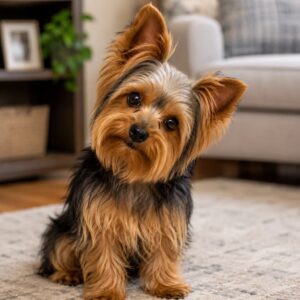
The breed’s head is small and refined, with a moderately short muzzle, dark nose, and bright, intelligent expression. Yorkshire Terriers have medium-sized, dark eyes that sparkle with curiosity and mischief, while their small, V-shaped ears stand erect, giving them an alert and attentive appearance.
Their tails are carried slightly higher than the level of the back, adding to their confident posture. Although tail docking was once common in some countries, many Yorkies today have natural tails, depending on local laws and breeding practices.
Common physical characteristics of the Yorkshire Terrier include:
- Compact, well-proportioned body
- Fine-boned yet sturdy build
- Luxurious silky coat
- Small, erect V-shaped ears
- Dark, sparkling eyes
- Black nose
- Confident, upright posture
- Graceful, free-flowing movement
One of the most fascinating aspects of the breed is how dramatically puppies change as they mature. Yorkshire Terrier puppies are born almost entirely black and tan. As they grow, the black portions of the coat gradually lighten into the beautiful steel-blue color that adult Yorkies are famous for, while the tan markings become richer and more vibrant.
Despite their glamorous appearance, Yorkshire Terriers remain true terriers beneath all that silky hair. Their alert expression, lively movement, and self-assured attitude serve as constant reminders that these tiny dogs were originally bred as determined working terriers rather than pampered lap dogs.
If you’re comparing toy breeds, you may also enjoy our guides to Maltese, Pomeranians, and our growing collection of small dog breeds.
Yorkshire Terrier Photo Gallery
Few toy breeds are as instantly recognizable as the Yorkshire Terrier. With their flowing silky coats, bright eyes, erect ears, and unmistakable confidence, Yorkies have captivated dog lovers for well over a century.
Yet while their elegant appearance often attracts attention first, it is their personality that truly wins people over. Bold, curious, affectionate, and endlessly entertaining, Yorkshire Terriers have an uncanny ability to make themselves the center of family life despite their tiny size.
From energetic puppies discovering the world for the first time to dignified seniors enjoying a quiet afternoon on the sofa, every stage of a Yorkie’s life showcases the intelligence, spirit, and charm that have made the breed one of the world’s most popular companion dogs.
Explore the gallery below to see Yorkshire Terriers of different ages, coat lengths, colors, and expressions, each highlighting another aspect of this remarkable little breed.
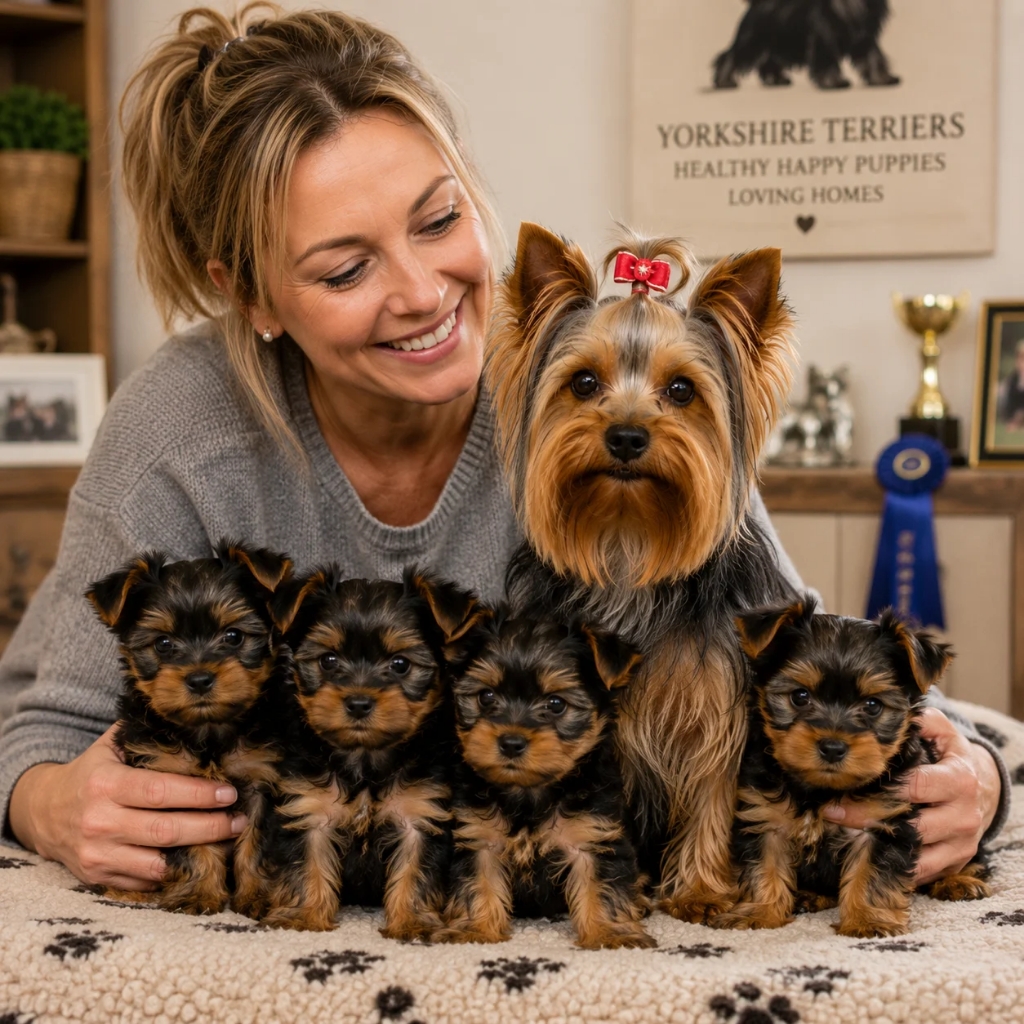
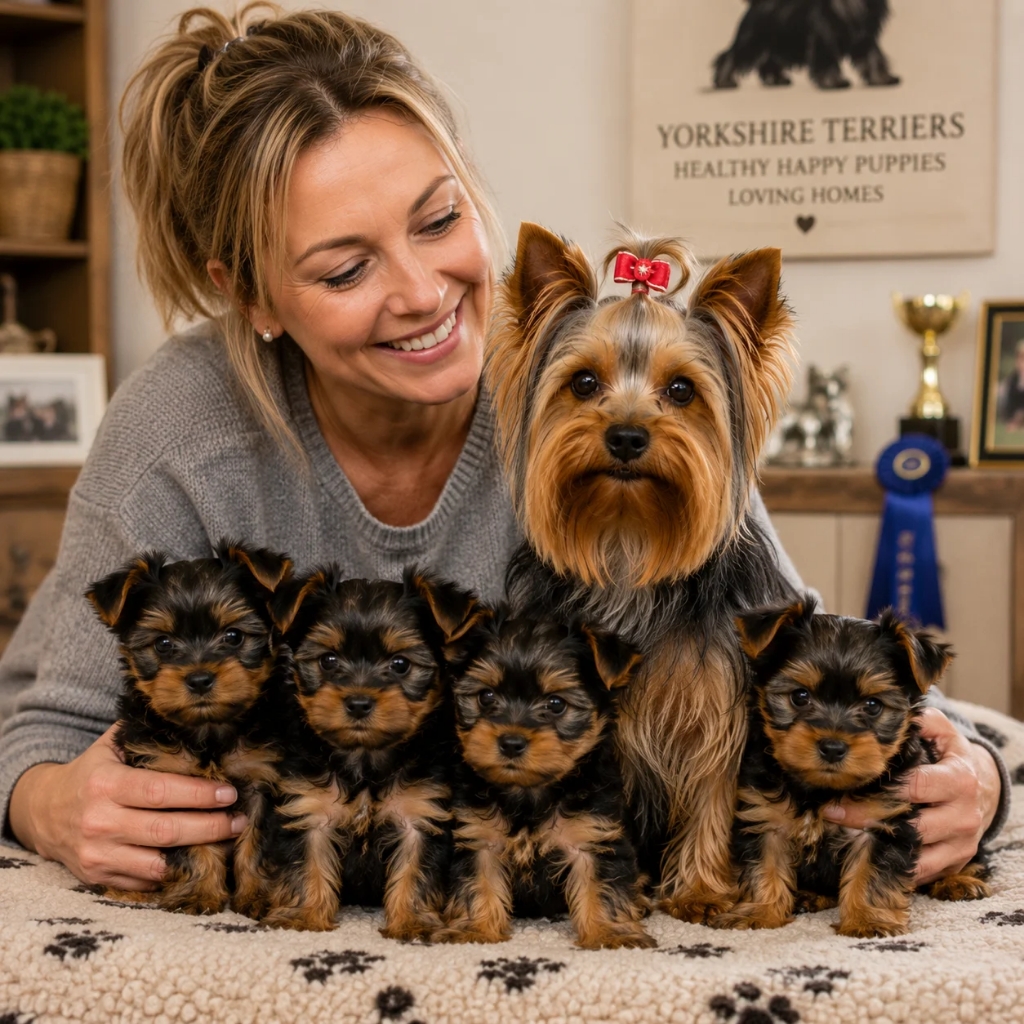
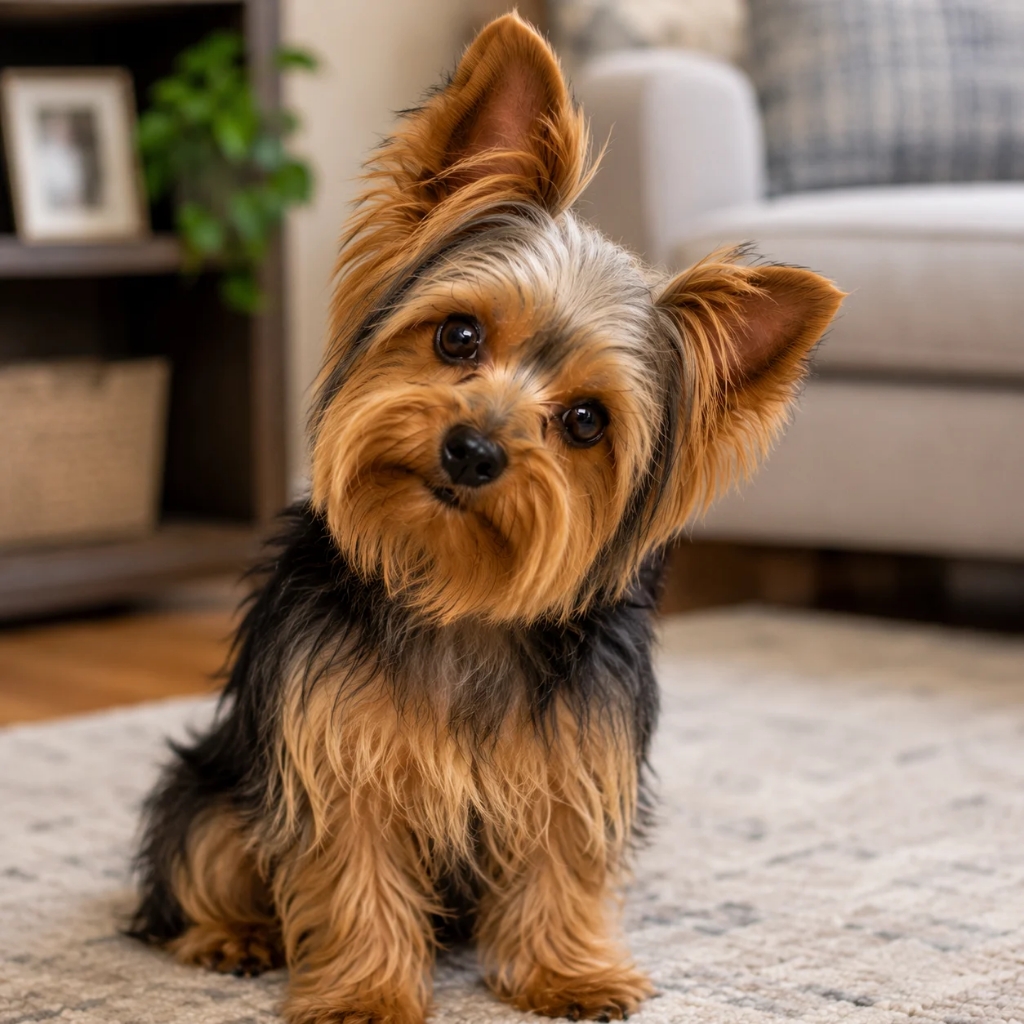
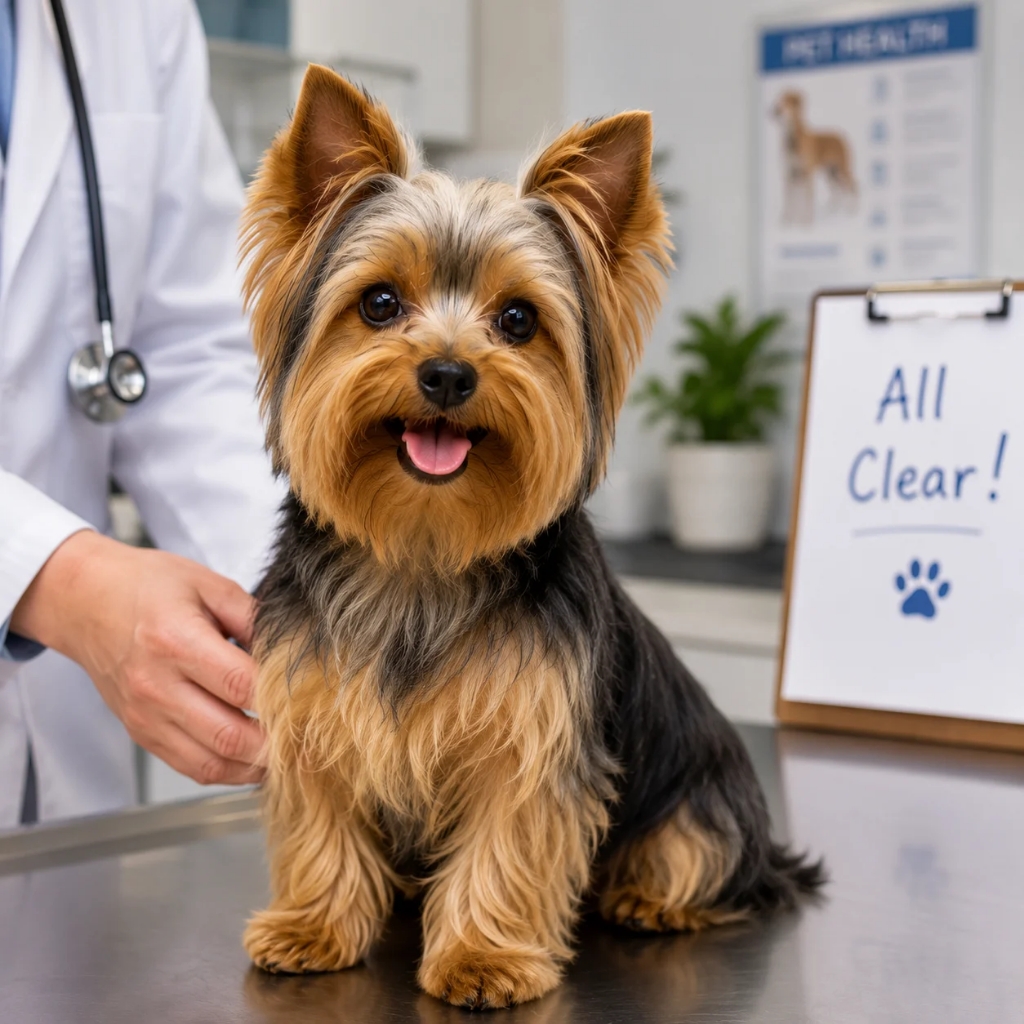
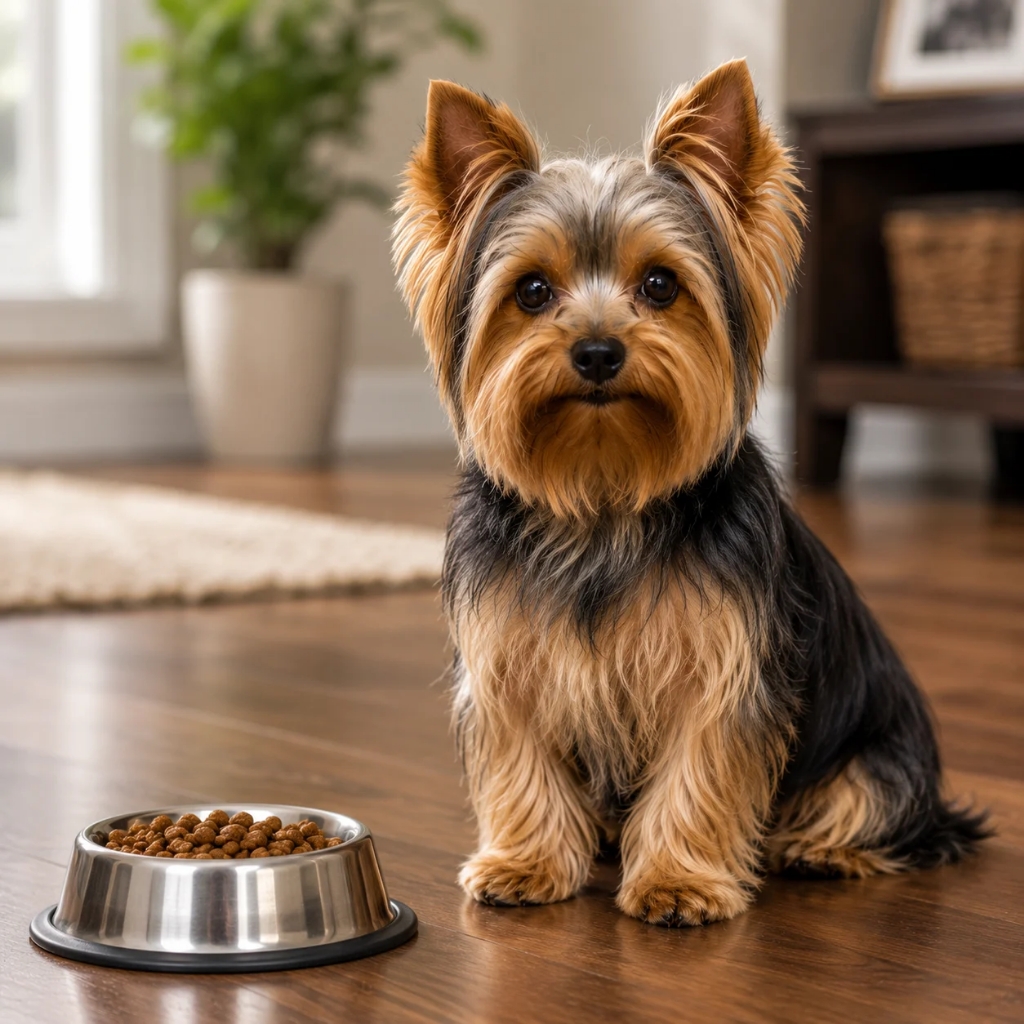
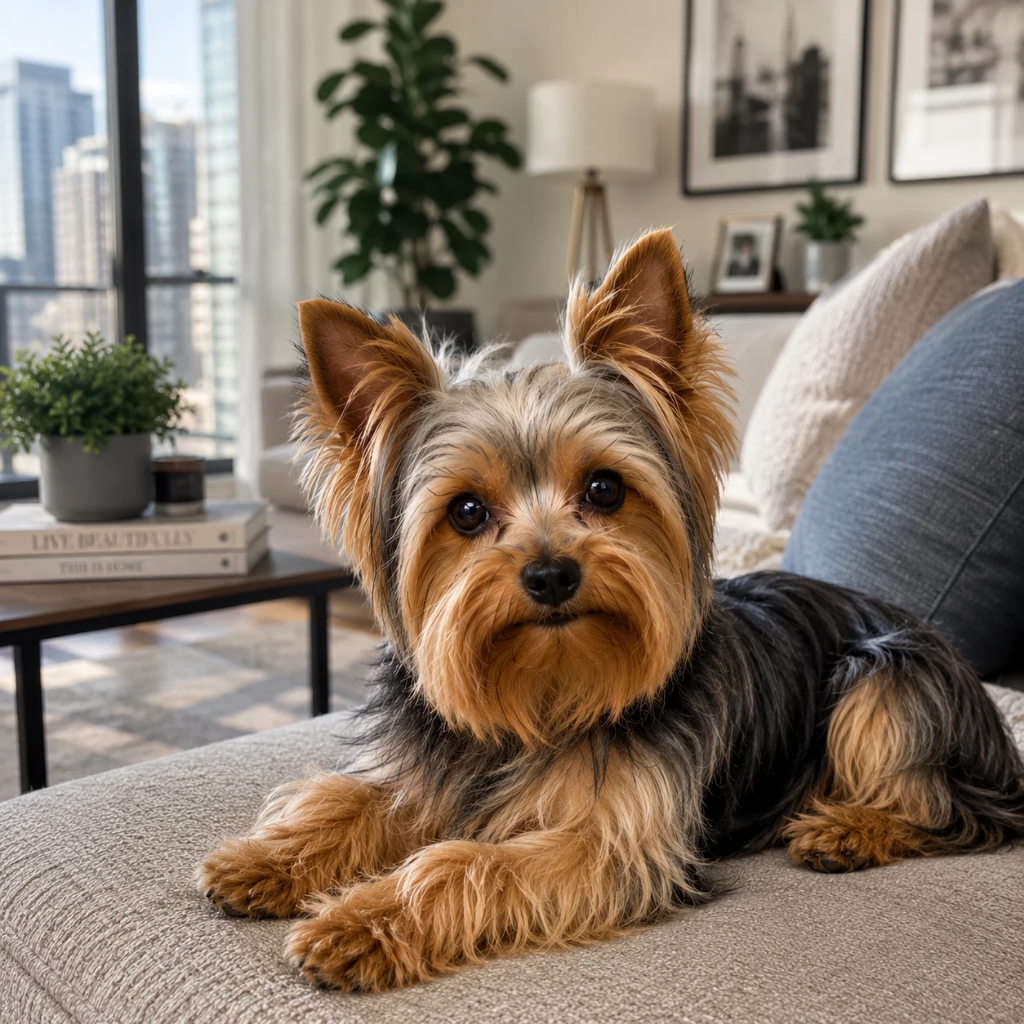
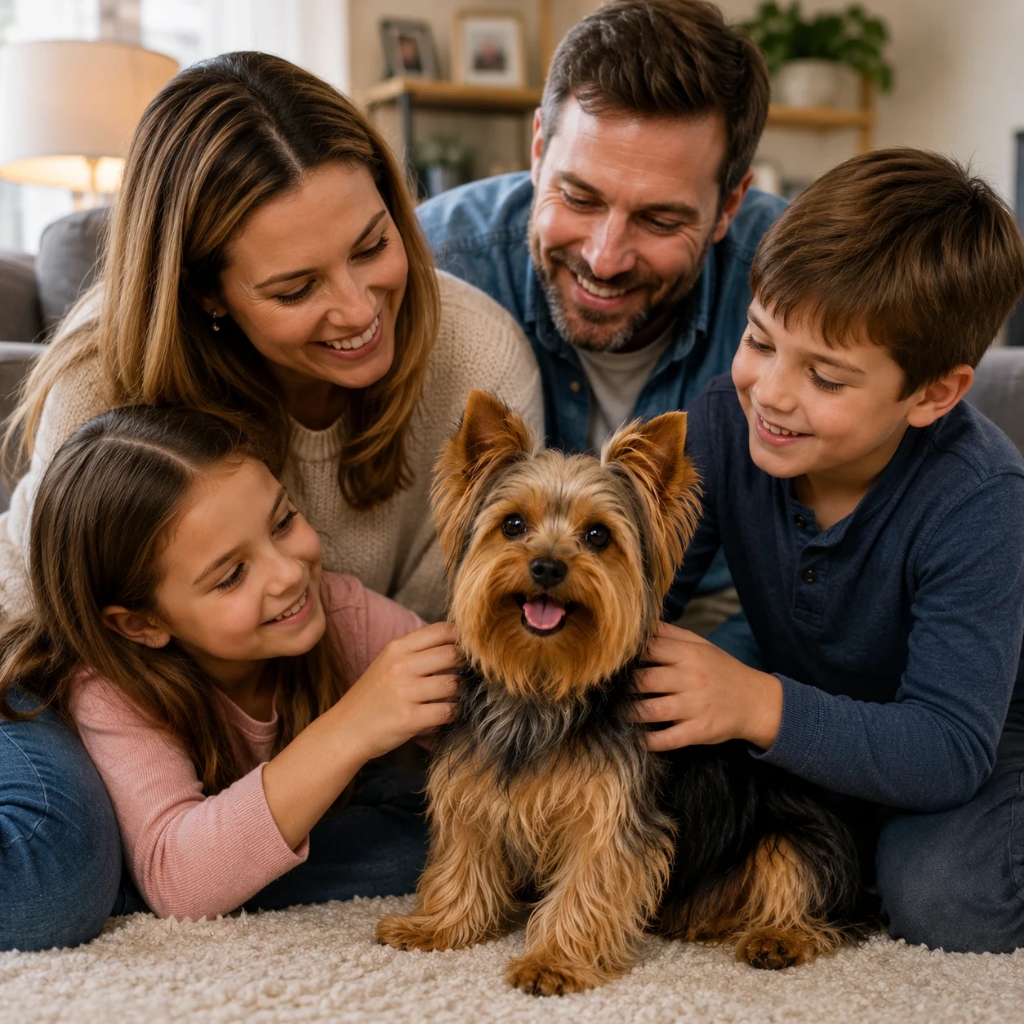
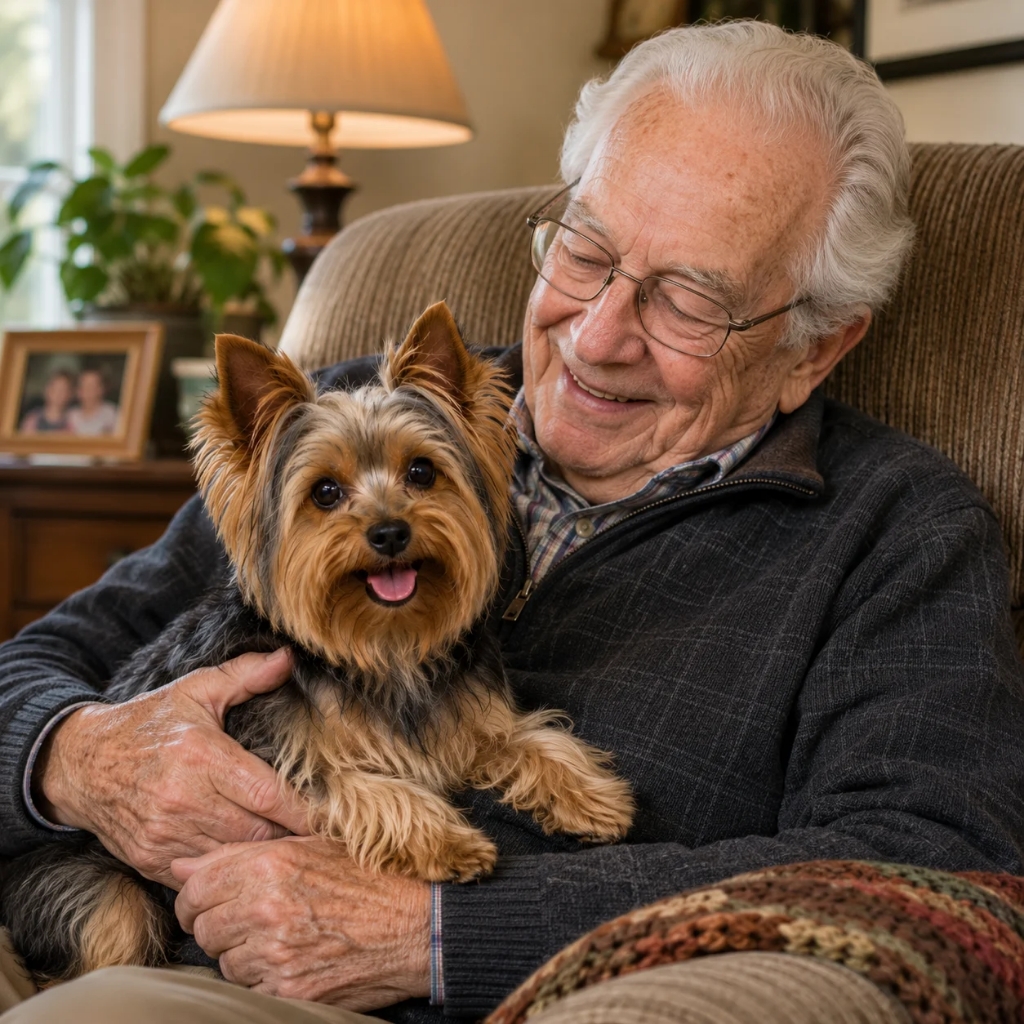
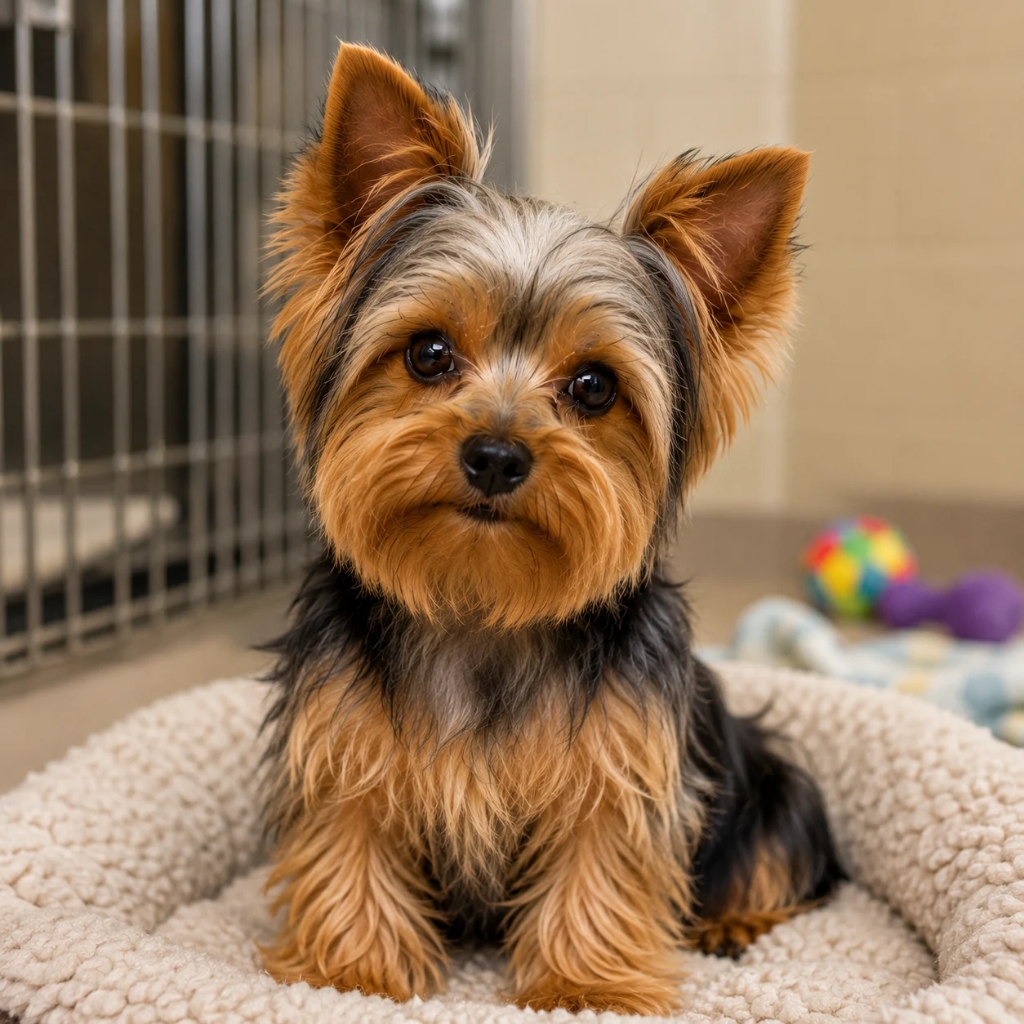
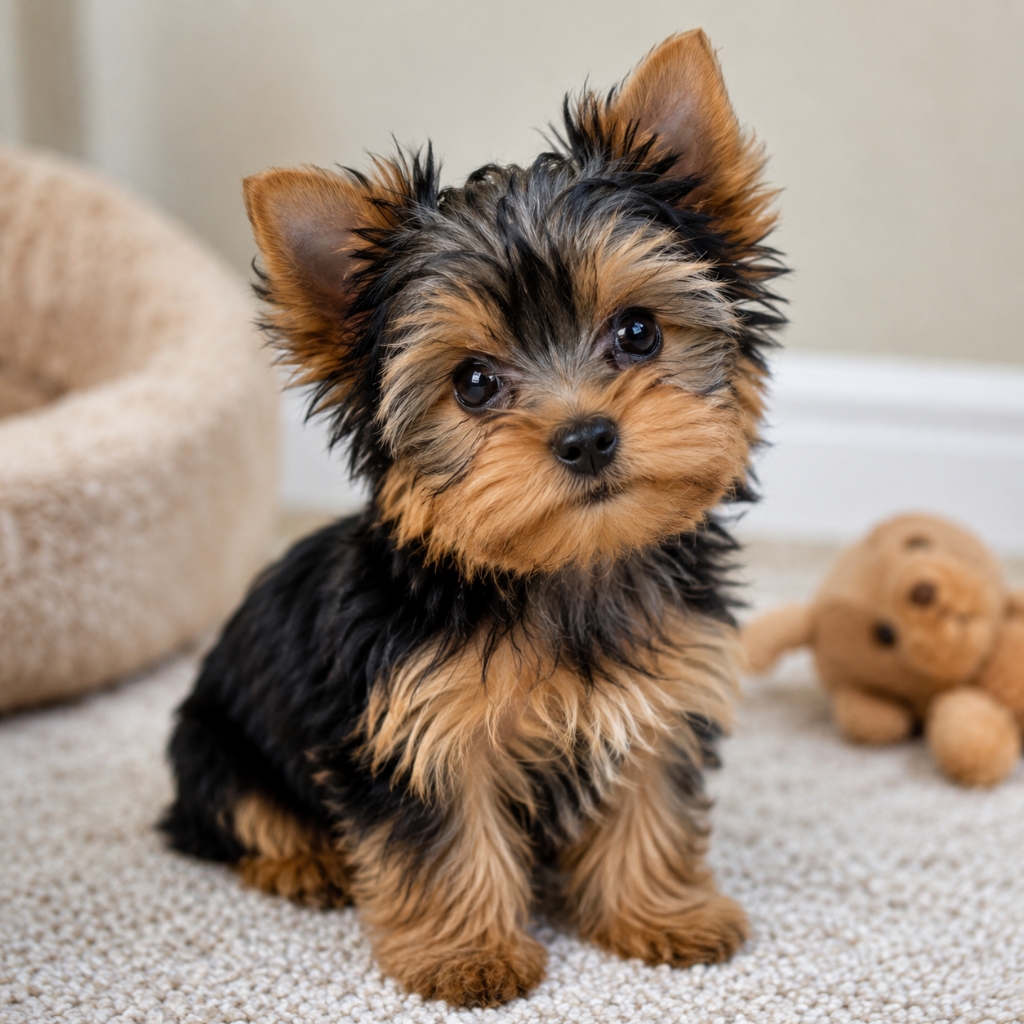
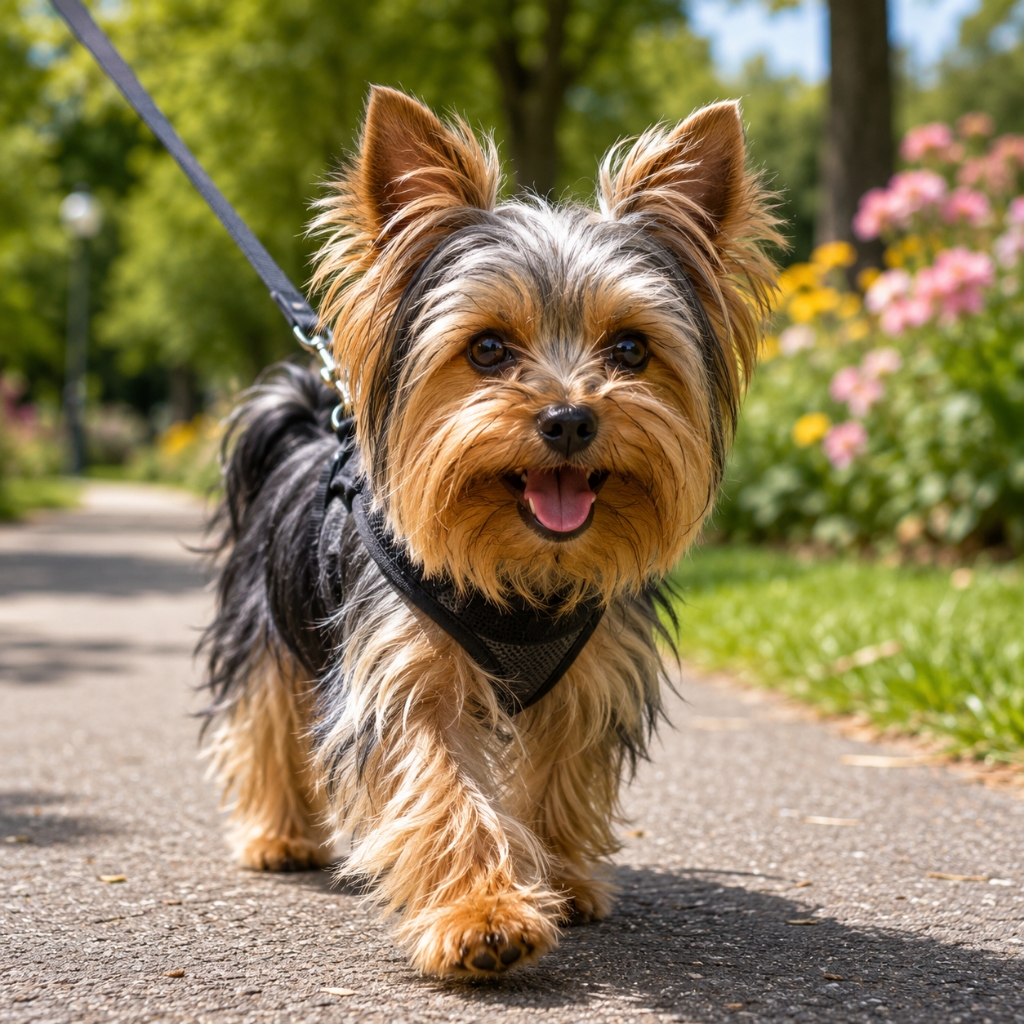
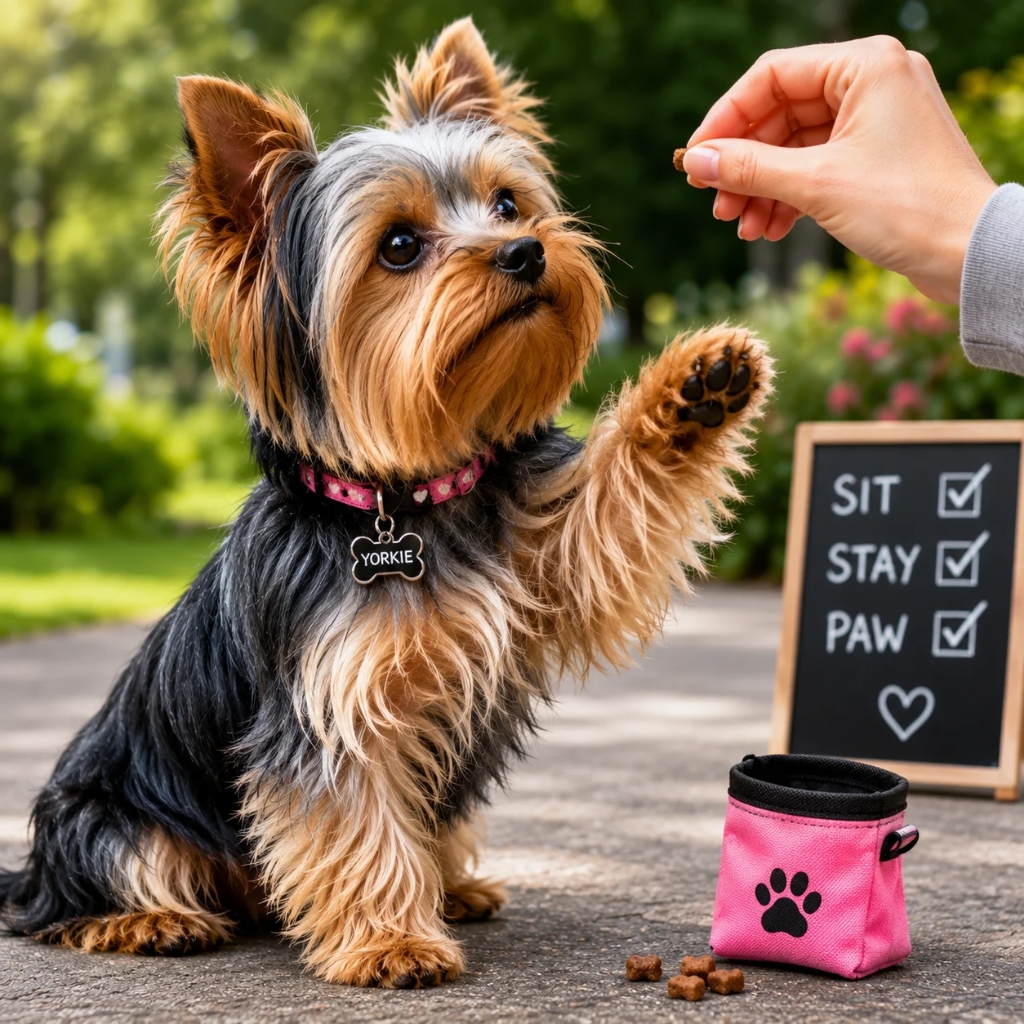
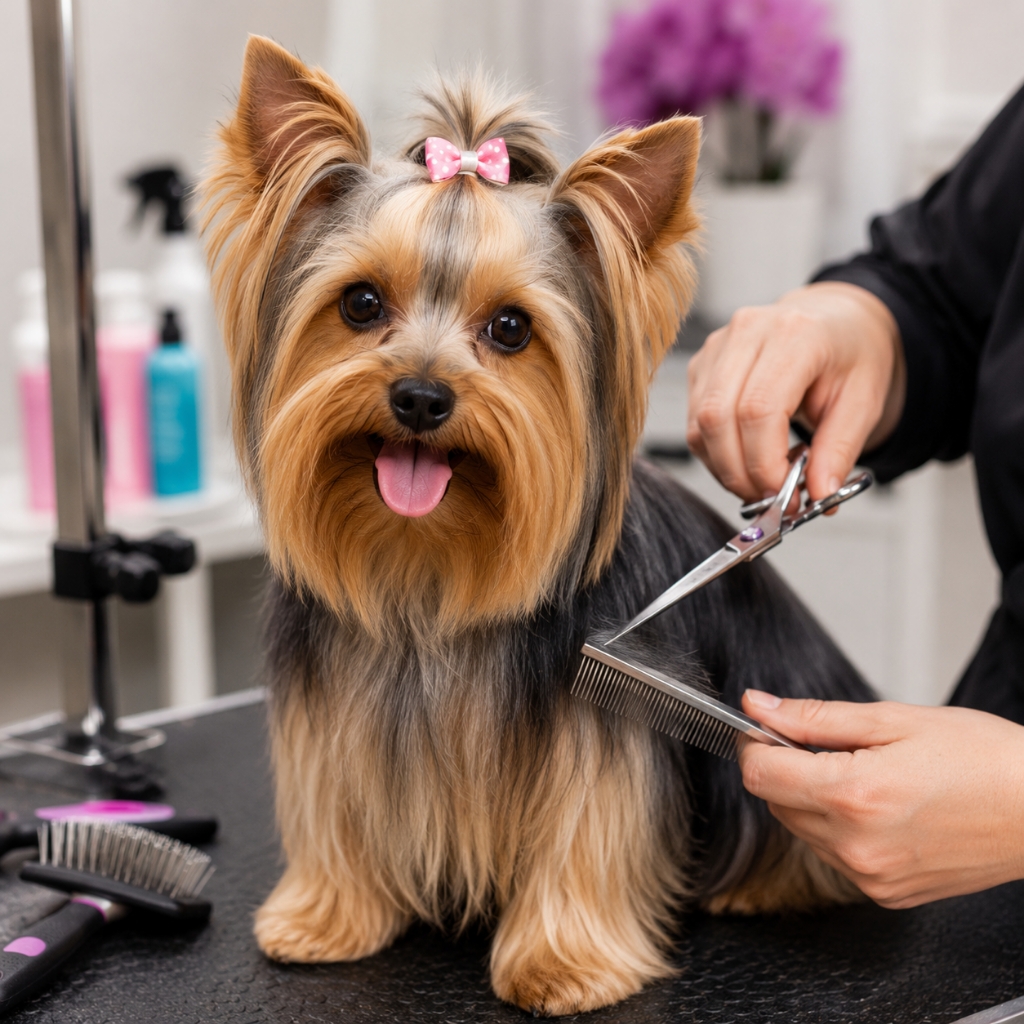
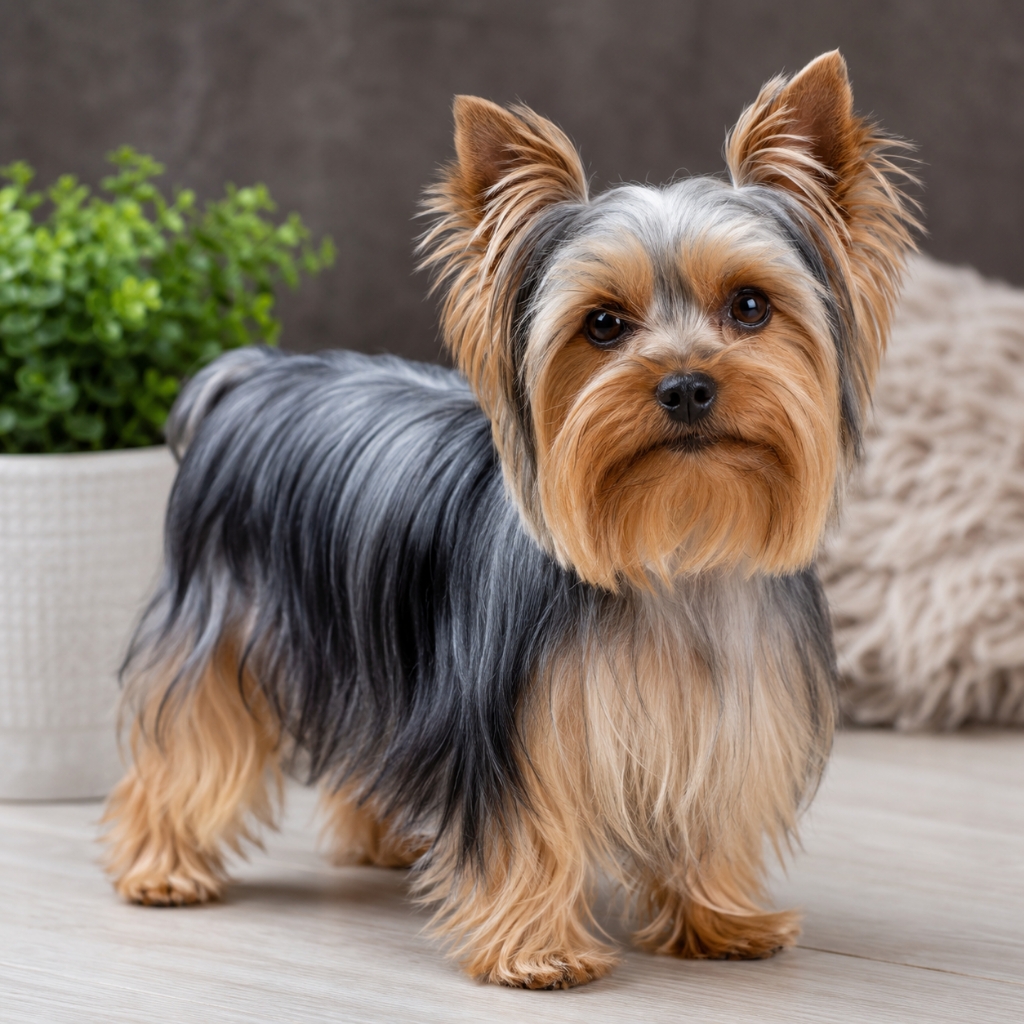
Whether they’re proudly leading the way on a neighborhood walk, showing off a freshly groomed coat, chasing a favorite toy, supervising household activities, or curling up in a warm lap after a busy day, Yorkshire Terriers have a way of making ordinary moments unforgettable.
Yorkshire Terrier Colors and Coat Types
One of the Yorkshire Terrier’s most striking features is its beautiful, silky coat. Long, straight, and fine in texture, it resembles human hair more than traditional dog fur. This distinctive coat contributes greatly to the breed’s elegant appearance while also making Yorkies one of the lowest-shedding dog breeds.
Unlike many breeds that come in a wide variety of coat textures and colors, Yorkshire Terriers have only one recognized coat type and one accepted color pattern. However, the shades within that pattern can vary slightly from dog to dog, giving each Yorkie its own unique look.
Because their hair grows continuously, Yorkshire Terriers require regular grooming to keep their coats healthy, tangle-free, and comfortable. Many owners choose to keep the coat trimmed short in a practical “puppy cut,” while others prefer the traditional long, flowing coat that has made the breed famous in the show ring.
Steel Blue and Tan Yorkshire Terrier
The classic Yorkshire Terrier coat consists of a rich steel-blue body with bright tan or golden markings on the head, chest, and legs. This elegant color combination is the hallmark of the breed and is recognized by major kennel clubs around the world.
The blue should appear as a clear steel-blue rather than silver or charcoal, while the tan markings should be rich, warm, and evenly distributed.
Yorkshire Terrier Puppies
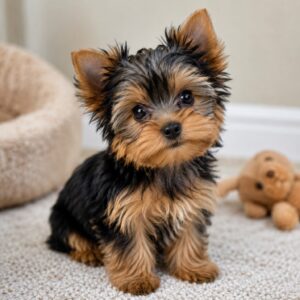
One of the most fascinating things about Yorkshire Terriers is that puppies are born with coats that look very different from those of adults.
Most Yorkie puppies are predominantly black with tan markings. As they mature, the black gradually lightens to the characteristic steel-blue, while the tan areas become brighter and richer. This color transformation usually occurs gradually over the first one to three years of life.
Because of this slow transition, it can be difficult to predict exactly how an individual puppy’s adult coat will develop.
The Silky Coat
The Yorkshire Terrier’s coat is unique among dog breeds. Rather than having a dense double coat that sheds seasonally, Yorkies have a single coat made up of fine, silky hair that continues growing throughout their lives.
This gives the coat its soft texture and flowing appearance, but it also means routine brushing and grooming are essential to prevent tangles and mats.
Many people with mild dog allergies find Yorkies easier to live with because they shed very little. However, no dog breed is truly hypoallergenic, and individual reactions can vary.
What About Rare Colors?
From time to time, you may see breeders advertising “rare” Yorkshire Terrier colors such as chocolate, parti, golden, blue, or merle.
While some of these color variations occur naturally through specific genetics, prospective puppy buyers should approach claims about rare colors with caution. Responsible breeders prioritize health, temperament, structure, and overall breed quality above unusual coat colors or marketing trends.
Some color-focused breeding programs may place appearance ahead of health, increasing the risk of inherited health problems.
A healthy, well-socialized Yorkshire Terrier with an excellent temperament is far more valuable than one bred primarily for an unusual coat color.
Whether wearing a flowing show coat or a practical puppy trim, Yorkshire Terriers remain one of the most elegant and recognizable toy breeds in the world. Their beautiful silky hair is only one part of their appeal—their confidence, intelligence, and affectionate personality are what truly make them unforgettable companions.
Yorkshire Terrier Exercise Needs
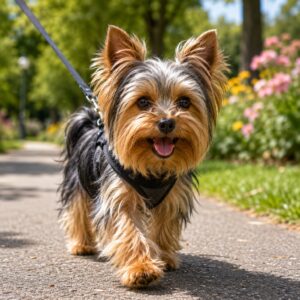
Yorkshire Terriers may be tiny, but they are surprisingly energetic little dogs. Bred originally as working terriers, they retain much of the curiosity, confidence, and enthusiasm that helped their ancestors hunt rats in textile mills over a century ago.
Fortunately, keeping a Yorkie physically and mentally satisfied doesn’t require hours of strenuous exercise. Most are perfectly happy with a combination of daily walks, playtime, training sessions, and opportunities to explore the world around them.
A typical Yorkshire Terrier exercise routine includes:
- One or two daily walks
- Indoor play sessions
- Games of fetch or chase
- Puzzle toys and food enrichment
- Short training sessions
- Safe opportunities to explore new environments
Although Yorkies are often seen being carried in handbags or riding comfortably in strollers, they are quite capable of walking and enjoy getting outside to investigate new sights, sounds, and smells. Many happily accompany their owners on neighborhood walks and are surprisingly adventurous for such a small breed.
Because of their compact size, however, they tire more quickly than larger dogs. Several shorter activity sessions throughout the day are usually more appropriate than one long period of exercise.
Yorkshire Terriers are intelligent and curious, making mental stimulation just as important as physical activity. Puzzle feeders, interactive toys, scent games, and obedience training help prevent boredom while strengthening the bond between dog and owner.
Many Yorkies also excel in activities such as:
- Obedience training
- Agility designed for small dogs
- Trick training
- Canine scent work
- Interactive games with their families
Despite their confidence, Yorkies should always be supervised outdoors. Their small size makes them vulnerable to larger dogs, birds of prey in some areas, and other hazards that bigger breeds rarely encounter.
Weather is another important consideration. Yorkshire Terriers have very little body insulation, especially those with shorter haircuts. Cold temperatures, rain, and snow can quickly make them uncomfortable, and many appreciate a warm dog sweater or coat during chilly weather.
On hot days, exercise should be limited to the cooler morning or evening hours, with plenty of fresh water and shade available.
A well-exercised Yorkshire Terrier is generally happier, calmer, and less likely to develop nuisance behaviors such as excessive barking or destructive chewing. The goal isn’t to wear them out completely—it’s to provide enough physical activity and mental enrichment to satisfy their active terrier minds.
After a fun walk or lively play session, most Yorkies are more than happy to curl up beside their favorite person for a well-earned nap.
For more apartment-friendly companion breeds, visit our guide to Best Small Dogs for Apartments.
Training a Yorkshire Terrier

Yorkshire Terriers are intelligent, eager to learn, and surprisingly quick to pick up new skills. Originally bred as working terriers, they possess keen problem-solving abilities and a natural curiosity that often makes training both enjoyable and rewarding.
That said, Yorkies also have an independent streak. They are bright enough to understand what you’re asking, but like many terriers, they occasionally prefer to evaluate whether your suggestion fits into their own plans before deciding to cooperate.
Fortunately, their strong desire to please their owners, combined with their love of treats and praise, makes positive reinforcement training highly effective.
Yorkshire Terriers respond best to training that is:
- Positive and reward-based
- Short and engaging
- Consistent and predictable
- Fun rather than repetitive
- Started early in puppyhood
Harsh corrections or punishment-based training methods are rarely successful and can damage the trust between dog and owner. Yorkies are sensitive little dogs that learn best when encouraged rather than intimidated.
Important skills every Yorkshire Terrier should learn include:
- Coming when called
- Walking politely on leash
- Basic obedience commands
- Greeting visitors calmly
- Being comfortable with grooming
- Settling quietly when asked
House training sometimes requires extra patience. Like many toy breeds, Yorkshire Terriers have small bladders and may need more frequent bathroom breaks than larger dogs, especially during puppyhood. Consistency, supervision, praise, and a regular schedule are the keys to success.
Early socialization is equally important. Exposing your Yorkie to different people, friendly dogs, sounds, places, and experiences while they are young helps build confidence and reduces the likelihood of fearfulness or excessive barking later in life.
Because Yorkies are naturally alert, they often make excellent little watchdogs. However, without proper training, that alertness can sometimes develop into nuisance barking. Teaching a reliable “quiet” cue early in life helps strike a healthy balance between awareness and unnecessary noise.
Many Yorkshire Terriers also excel in organized dog sports and activities, including:
- Obedience
- Agility
- Rally
- Trick training
- Scent work
One of the greatest joys of training a Yorkshire Terrier is watching their confidence shine. They genuinely enjoy learning new tricks, solving puzzles, and showing off their accomplishments, especially when treats or enthusiastic praise are involved.
With patience, consistency, and plenty of positive reinforcement, most Yorkies develop into well-mannered, confident companions who are every bit as enjoyable to live with as they are entertaining to watch.
For additional training advice, visit our growing collection of Small Dog Guides.
Yorkshire Terrier Grooming Needs
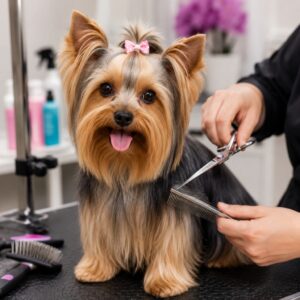
Yorkshire Terriers are often considered one of the most glamorous dog breeds in the world, and much of that reputation comes from their beautiful, silky coats. While their luxurious hair is certainly eye-catching, it also requires considerably more maintenance than the coats of many other small breeds.
The good news is that Yorkies shed very little. The trade-off is that their continuously growing hair must be brushed, trimmed, and cared for regularly to prevent tangles and mats.
Many owners choose to keep their Yorkshire Terrier in a shorter “puppy cut,” which is much easier to maintain while still preserving the breed’s adorable appearance. Others enjoy the elegance of a longer coat but should be prepared for significantly more grooming.
Basic Yorkshire Terrier grooming includes:
- Brushing several times each week (daily for long coats)
- Regular bathing with a gentle dog shampoo
- Routine hair trimming or professional grooming
- Cleaning around the eyes
- Checking and cleaning the ears
- Regular nail trimming
- Daily dental care
One advantage of the Yorkshire Terrier’s coat is that it produces relatively little shedding around the home. While no dog is truly hypoallergenic, many people with mild dog allergies find Yorkies easier to live with than heavier-shedding breeds.
Hair around the eyes should be kept neatly trimmed or secured with a small topknot if the coat is long. This helps prevent irritation and allows your Yorkie to see comfortably.
Dental care deserves special attention. Like many toy breeds, Yorkshire Terriers are particularly prone to dental disease and tartar buildup. Daily tooth brushing, dental chews recommended by your veterinarian, and routine professional cleanings can help maintain healthy teeth and gums throughout life.
Regular grooming sessions are also an excellent opportunity to check your Yorkie for:
- Skin irritation or parasites
- Ear infections
- Lumps or bumps
- Eye discharge or irritation
- Overgrown nails
- Changes in coat condition
Introducing grooming during puppyhood makes the process much easier as your dog matures. Gentle handling, patience, and positive reinforcement help Yorkies learn that brushing, bathing, and nail trims are simply part of everyday life.
Many professional groomers recommend appointments every six to eight weeks to keep the coat healthy and manageable, particularly for owners who prefer shorter trims.
Although Yorkshire Terriers require more grooming than many other toy breeds, most owners feel the effort is well worth it. A clean, well-groomed Yorkie not only looks beautiful but is also more comfortable, healthier, and less likely to develop painful mats or skin problems.
Yorkshire Terrier Health Concerns

Yorkshire Terriers are generally healthy little dogs and often enjoy long lifespans of 11 to 15 years or more. However, like all purebred dogs, they are predisposed to certain inherited and breed-related health conditions that prospective owners should understand.
The good news is that many Yorkies live long, active, and happy lives with proper nutrition, routine veterinary care, regular dental maintenance, and responsible breeding.
Being aware of the breed’s most common health concerns allows owners to recognize potential problems early and provide the best possible care.
Dental Disease
Dental problems are among the most common health concerns affecting Yorkshire Terriers. Their small mouths can become crowded, allowing plaque and tartar to build up quickly.
Good dental care should include:
- Daily tooth brushing
- Routine veterinary dental examinations
- Professional dental cleanings when needed
- Monitoring for bad breath, loose teeth, or inflamed gums
Maintaining good oral health can significantly improve your Yorkie’s comfort and overall wellbeing.
Luxating Patella
Luxating patella, or a slipping kneecap, is relatively common in toy breeds, including Yorkshire Terriers. Affected dogs may occasionally skip, hop, or briefly hold up one rear leg before returning to a normal gait.
Mild cases often require little treatment, while more severe cases may benefit from surgery.
Tracheal Collapse
Yorkshire Terriers are predisposed to tracheal collapse, a condition in which the windpipe weakens and partially flattens during breathing.
Common signs include:
- A dry, honking cough
- Coughing when excited
- Coughing while pulling on a collar
- Exercise intolerance
- Difficulty breathing in advanced cases
Using a well-fitted harness instead of attaching a leash to a collar can help reduce pressure on the trachea.
Hypoglycemia
Young Yorkshire Terrier puppies are particularly susceptible to hypoglycemia (low blood sugar), especially during periods of stress, illness, or if they miss meals.
Signs may include:
- Weakness
- Lethargy
- Shaking
- Confusion
- Collapse
Because hypoglycemia can become life-threatening, young puppies should eat frequent meals and be evaluated promptly by a veterinarian if symptoms develop.
Legg-Calvé-Perthes Disease
This orthopedic condition affects the hip joint and occurs more commonly in some toy breeds, including Yorkshire Terriers. It typically develops in young dogs and may cause limping, pain, or reluctance to bear weight on a rear leg.
Veterinary diagnosis and treatment are important for achieving the best outcome.
Eye Conditions
Although less common than in some breeds, Yorkshire Terriers may develop eye problems such as dry eye, cataracts, or progressive retinal atrophy (PRA). Regular veterinary examinations help identify changes early.
Liver Shunts
Yorkshire Terriers have a higher-than-average risk of congenital portosystemic shunts (liver shunts), a condition in which blood bypasses the liver instead of being properly filtered.
Symptoms may include:
- Poor growth
- Vomiting
- Behavioral changes
- Disorientation after eating
- Seizures in severe cases
Early diagnosis greatly improves treatment options and long-term outcomes.
The Importance of Responsible Breeding
Many inherited health conditions can be reduced through thoughtful breeding practices.
A reputable breeder should prioritize:
- Health testing
- Sound structure
- Excellent temperament
- Genetic diversity
- Overall health and longevity
Responsible breeders work to produce Yorkshire Terriers that are healthy, confident, and capable of enjoying long, active lives.
With routine veterinary care, proper nutrition, excellent dental hygiene, regular exercise, and plenty of love, many Yorkshire Terriers remain energetic companions well into their senior years, continuing to delight their families with their fearless personalities and boundless affection.
Feeding and Nutrition
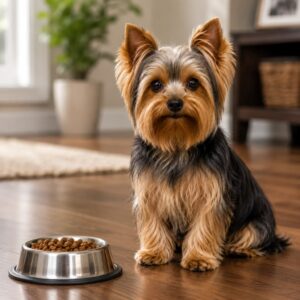
Yorkshire Terriers may be tiny, but many have surprisingly healthy appetites. Most Yorkies are enthusiastic eaters and quickly learn the sounds associated with opening a treat bag, filling a food bowl, or even unwrapping a snack.
While their enthusiasm for food can make training easier, it also means owners should pay close attention to portion sizes, treat intake, and overall nutrition.
Yorkshire Terriers generally thrive on a high-quality, nutritionally balanced dog food formulated for their age, activity level, and health needs. Puppies, adults, and senior dogs all have different nutritional requirements, and your veterinarian can help determine the best diet for your individual dog.
Good feeding habits include:
- Choosing a high-quality, balanced dog food
- Feeding measured meals instead of free-feeding
- Limiting table scraps and high-calorie treats
- Providing fresh water at all times
- Monitoring body weight regularly
- Using healthy treats during training
Because Yorkshire Terriers are such small dogs, even slight weight gain can have a noticeable impact on their health. Maintaining a lean body condition helps reduce stress on the joints and supports long-term mobility.
On the other hand, very young Yorkie puppies are prone to hypoglycemia (low blood sugar). Puppies should eat frequent, nutritious meals throughout the day and should never go for long periods without food. Owners should discuss appropriate feeding schedules with their breeder and veterinarian.
Some Yorkshire Terriers can also develop food sensitivities or digestive issues. Signs may include:
- Itchy skin
- Recurring ear infections
- Digestive upset
- Vomiting or diarrhea
- Excessive licking or chewing of the paws
If these symptoms occur, your veterinarian may recommend dietary changes or additional testing to identify potential food allergies or intolerances.
Dental health and nutrition go hand in hand. Because Yorkies are prone to dental disease, maintaining good oral hygiene and choosing an appropriate diet can help support healthy teeth and gums throughout life.
A healthy Yorkshire Terrier should have a visible waist when viewed from above and a slight abdominal tuck when viewed from the side. You should be able to feel the ribs easily beneath a thin layer of tissue without pressing firmly.
Many Yorkies are highly food-motivated, making treats an excellent training reward. Just remember that those tiny treats add up quickly in a seven-pound dog. Moderation is key.
A balanced diet, appropriate portion sizes, regular exercise, and routine veterinary care will help your Yorkshire Terrier maintain a healthy weight and enjoy a long, active life.
After all, your Yorkie may be small enough to fit comfortably on your lap—but they’ll happily convince you they’re large enough to deserve seconds at dinner if you let them.
Are Yorkshire Terriers Good Apartment Dogs?

Yes. Yorkshire Terriers are generally excellent apartment dogs.
Their tiny size, adaptable nature, and moderate exercise requirements make them one of the best breeds for apartment, condo, townhouse, and city living. As long as they receive daily exercise, mental stimulation, and plenty of companionship, most Yorkies thrive in smaller homes.
Unlike many larger breeds that require a spacious yard, Yorkshire Terriers are perfectly happy living indoors with their families. In fact, many seem to believe the entire home—no matter its size—is their personal kingdom to patrol and supervise.
Yorkshire Terriers are particularly well suited to apartment living because they are:
- Small enough to live comfortably in limited spaces
- Easy to exercise with short daily walks and indoor play
- Highly adaptable to urban lifestyles
- Affectionate and people-oriented
- Comfortable spending much of their time indoors
- Excellent companions for singles, couples, and retirees
One consideration for apartment dwellers is barking. Yorkshire Terriers are naturally alert and make excellent little watchdogs. They often notice visitors, delivery drivers, or unusual sounds before anyone else does.
Without proper training, that alertness can sometimes turn into excessive barking. Fortunately, early socialization and consistent positive reinforcement can help teach your Yorkie when it’s appropriate to sound the alarm—and when it’s time to settle down.
Apartment living with a Yorkshire Terrier should include:
- Daily walks
- Indoor play sessions
- Mental enrichment with puzzle toys and training games
- Regular bathroom breaks
- Plenty of social interaction and companionship
Because Yorkies are companion dogs, they generally do not enjoy spending long hours alone every day. They form strong emotional bonds with their families and are happiest when included in daily routines.
Weather is another important consideration. Their fine, silky coat offers little insulation against cold temperatures, so many Yorkshire Terriers appreciate a warm sweater or coat during chilly weather. Conversely, during hot weather they should have access to shade, fresh water, and air-conditioned spaces.
Although they are tiny, Yorkshire Terriers are surprisingly active and curious. Most enjoy exploring their neighborhoods, meeting friendly people, and accompanying their owners on errands whenever possible.
For people seeking an affectionate, intelligent companion that adapts well to smaller living spaces, the Yorkshire Terrier is often an outstanding choice. Their combination of portability, personality, and devotion has made them one of the world’s most popular apartment dogs.
If you’re comparing apartment-friendly breeds, be sure to visit our guide to Best Small Dogs for Apartments.
Are Yorkshire Terriers Good Family Dogs?
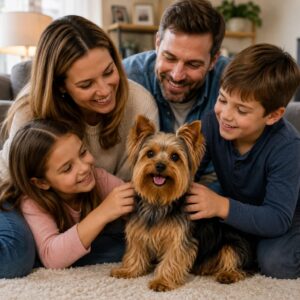
Yes—Yorkshire Terriers can make wonderful family dogs, but they are generally best suited to families with older, gentle, and respectful children.
Yorkies are affectionate, loyal, and people-oriented dogs that thrive on being included in everyday family life. They love spending time with their people, whether that means joining a family walk, curling up on the couch for movie night, or following their favorite person from room to room.
Despite their tiny size, Yorkshire Terriers have enormous personalities. They are playful, curious, and always eager to be involved in whatever is happening around the house. Many quickly become the center of attention with their entertaining antics and fearless attitude.
A well-socialized Yorkshire Terrier is often:
- Affectionate with family members
- Loyal and devoted
- Playful and entertaining
- Intelligent and eager to interact
- Confident and alert
- Adaptable to many family lifestyles
Because Yorkies are such small dogs, families with very young children should exercise extra caution. Rough play, accidental falls, or being stepped on can easily result in serious injuries. For this reason, many breeders and rescue organizations recommend Yorkshire Terriers for homes with older children who understand how to handle small dogs gently and respectfully.
Good family rules include:
- Always handle the dog gently.
- Never pull ears, tail, or coat.
- Avoid chasing or cornering the dog.
- Allow the dog to rest undisturbed.
- Supervise interactions with young children.
Yorkshire Terriers often get along well with other pets when properly socialized from an early age. However, their terrier instincts and fearless nature sometimes lead them to challenge dogs many times their own size. Careful introductions and supervision are always important.
One of the breed’s greatest strengths is the close bond it forms with its family. Yorkies genuinely enjoy companionship and usually prefer being where their people are. They are happiest when included in daily routines rather than left alone for long periods.
Families who can provide plenty of affection, gentle handling, regular exercise, training, and companionship are often rewarded with an incredibly devoted little companion whose confidence and personality far exceed their seven-pound frame.
For the right household, a Yorkshire Terrier can bring years of laughter, affection, and unwavering loyalty.
If you’re exploring other family-friendly breeds, visit our guide to Best Small Dogs for Families.
Are Yorkshire Terriers Good Dogs for Seniors?
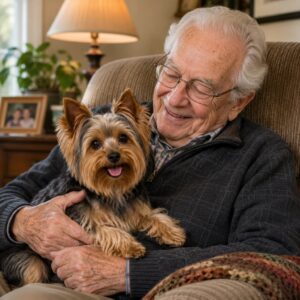
Yes. Yorkshire Terriers often make exceptional companions for seniors.
Their small size, affectionate personality, manageable exercise needs, and deep devotion to their owners make them one of the most popular toy breeds for older adults. For the right person, a Yorkie can provide years of companionship, entertainment, and unconditional love.
Unlike larger or high-energy breeds that require extensive daily exercise, Yorkshire Terriers are generally content with a couple of walks, indoor play sessions, and plenty of quality time with their favorite person.
Many seniors appreciate that Yorkies are:
- Small and easy to accommodate in apartments, condos, or smaller homes
- Light enough to pick up and carry when necessary
- Affectionate and devoted companions
- Low-shedding and relatively tidy around the home
- Alert without being intimidating
- Happy spending time indoors with their owners
One of the breed’s greatest strengths is the close bond it forms with its family. Yorkshire Terriers genuinely enjoy companionship and often become loyal little shadows, happily following their owners from room to room throughout the day.
For seniors who live alone, this constant companionship can provide comfort, routine, and a welcome sense of connection.
Yorkshire Terriers are also highly adaptable. They are just as content accompanying their owners on leisurely neighborhood walks as they are curling up beside them with a good book or while watching television.
There are, however, a few important considerations.
Yorkies require regular grooming, including brushing, coat maintenance, nail trimming, and dental care. Owners who prefer a lower-maintenance coat often choose a shorter puppy cut, which greatly reduces daily grooming time.
Potential owners should also be aware that:
- Yorkshire Terriers benefit from regular veterinary care
- Dental health requires ongoing attention
- Their delicate size means they must be handled carefully
- They thrive on companionship and do not enjoy being left alone for long periods
For many seniors, adopting an adult or senior Yorkshire Terrier can be an excellent choice. Mature dogs often have established personalities, may already be house trained, and are frequently past the more demanding puppy stage.
A senior Yorkie can bring just as much love, loyalty, and companionship as a puppy—sometimes with a little more patience and a little less mischief.
Although they may be small enough to fit comfortably on your lap, Yorkshire Terriers have enormous hearts and an endless capacity for affection. For many older adults, they become cherished companions who brighten each day with their intelligence, loyalty, and cheerful spirit.
For more senior-friendly breed ideas, visit our guide to Best Small Dogs for Seniors.
Yorkshire Terrier Adoption
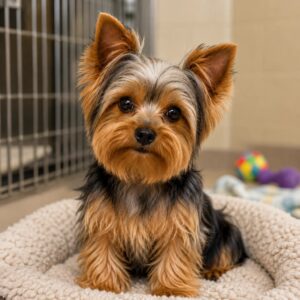
Adopting a Yorkshire Terrier can be one of the most rewarding ways to welcome a new companion into your life while giving a deserving dog a second chance.
Every year, Yorkies find themselves in need of new homes through breed-specific rescue organizations, animal shelters, and private rehoming situations. Some are surrendered because of changes in their owners’ circumstances, while others come from neglectful situations or commercial breeding operations.
Fortunately, Yorkshire Terriers are resilient little dogs that often adjust remarkably well to loving new homes. With patience, consistency, and plenty of affection, many quickly become devoted family members.
One of the biggest advantages of adopting an adult Yorkshire Terrier is that much of the guesswork has already been done. Adult dogs often have established personalities, energy levels, and behavior patterns, making it easier to find a companion that matches your lifestyle.
When considering a Yorkie for adoption, ask about:
- Temperament and personality
- Comfort around children
- Experience with other dogs or cats
- House-training status
- Medical history
- Dental health
- Any history of tracheal or orthopedic problems
- Reason for rehoming
Because Yorkshire Terriers are prone to several breed-specific health conditions, including dental disease, luxating patellas, and tracheal collapse, it’s helpful to understand any known medical concerns before bringing your new companion home.
Newly adopted Yorkies often need a little time to settle into their new surroundings. Some adjust within a few days, while others may take several weeks to fully relax and develop trust in their new family.
Helpful ways to support a newly adopted Yorkshire Terrier include:
- Maintaining a predictable daily routine
- Providing a quiet, comfortable sleeping area
- Using positive reinforcement training
- Introducing new people and pets gradually
- Scheduling a veterinary examination soon after adoption
Many adopted Yorkies prove to be affectionate, loyal, and endlessly entertaining companions. Their resilience and eagerness to bond often make them incredibly rewarding pets for families, couples, and seniors alike.
If you’re open to adoption, don’t overlook adult and senior Yorkshire Terriers. Older dogs are often already house trained, may have basic manners, and are frequently past the demanding puppy stage. Many still have years of love, companionship, and adventure to share.
Whether you adopt a playful puppy or a dignified senior, providing a safe, loving home to a Yorkshire Terrier in need can be one of the most fulfilling experiences of dog ownership.
If you’re considering other toy breeds as well, explore our Small Dog Breeds Hub for more adoption-friendly companions.
Finding a Reputable Yorkshire Terrier Breeder

If you decide to purchase a Yorkshire Terrier puppy, choosing the right breeder is one of the most important decisions you will make.
A well-bred Yorkie should be much more than adorable. Responsible breeders work to produce puppies with excellent temperaments, sound structure, good health, and the confidence needed to become wonderful lifelong companions.
Unfortunately, the popularity of Yorkshire Terriers has also attracted puppy mills, irresponsible breeders, and individuals who place profit ahead of the welfare of their dogs.
A reputable Yorkshire Terrier breeder should:
- Prioritize health, temperament, and overall wellbeing
- Perform appropriate health testing on breeding dogs
- Be knowledgeable about breed-specific health concerns
- Raise puppies in a clean, safe, enriching home environment
- Provide health information about the puppy’s parents
- Encourage questions from prospective owners
- Use written contracts and health guarantees
- Offer ongoing support after the puppy goes home
- Care deeply about where every puppy is placed
A responsible breeder is not simply selling puppies—they are preserving and improving the breed while helping create successful lifelong matches between dogs and families.
When speaking with a breeder, don’t hesitate to ask about:
- Dental health within their breeding lines
- Luxating patella screening
- Liver shunt history
- Tracheal health
- Temperament
- Early socialization practices
- Veterinary care
- The personalities and health of the puppy’s parents
Good breeders are happy to answer questions and are usually just as interested in learning about you. Expect them to ask about your lifestyle, previous dog experience, work schedule, family members, and expectations for owning a Yorkshire Terrier.
Be cautious of breeders who:
- Focus heavily on “teacup” or extremely tiny Yorkies
- Advertise unusually small sizes as a premium feature
- Always have multiple litters available
- Cannot provide health information
- Refuse to let you meet the puppies or their mother
- Pressure buyers into making quick decisions
- Appear more interested in making a sale than finding the right home
Prospective buyers should be especially cautious of breeders advertising “teacup” Yorkshire Terriers. While the term is widely used in marketing, it is not an officially recognized size. Extremely small puppies may face an increased risk of health problems and should never be bred solely for their tiny size.
At DogPage.us, we believe prospective puppy buyers deserve more than a massive breeder directory. That’s why we are building a carefully curated collection of breeder spotlights featuring a select number of outstanding breeders who demonstrate a genuine commitment to health, responsible breeding practices, proper puppy socialization, and lifelong support.
Rather than listing hundreds of breeders, our goal is to introduce readers to a limited number of exceptional programs that consistently place the welfare of their dogs first.
You can learn more about our philosophy by visiting our Featured Small Dog Breeders Hub.
Whether you choose adoption or purchase a puppy from a breeder, take your time, ask plenty of questions, and focus on finding a healthy, confident Yorkshire Terrier that is the right fit for your family and lifestyle.
Yorkshire Terrier FAQ
Are Yorkshire Terriers good pets?
Yes. Yorkshire Terriers are affectionate, intelligent, and loyal companion dogs that form close bonds with their families. Their small size and adaptable nature make them excellent pets for many households.
Do Yorkshire Terriers shed a lot?
No. Yorkies are considered very low shedders. Their silky coat grows continuously, much like human hair, which means they shed far less than most other dog breeds.
Are Yorkshire Terriers hypoallergenic?
No dog is truly hypoallergenic, but Yorkshire Terriers are often recommended for people with mild dog allergies because they produce relatively little shedding and dander compared to many other breeds.
Are Yorkshire Terriers easy to train?
Yes. Yorkies are intelligent and eager to learn, although they can sometimes be independent. Positive reinforcement, consistency, and patience usually produce excellent results.
Do Yorkshire Terriers bark a lot?
Yorkshire Terriers are naturally alert and often make excellent watchdogs. Without proper training, some may bark excessively at unfamiliar people or noises, but early socialization and training can help manage this behavior.
Are Yorkshire Terriers good with children?
Yorkies generally do best with older, respectful children who understand how to handle small dogs gently. Their tiny size makes them more vulnerable to accidental injury during rough play with very young children.
Can Yorkshire Terriers be left alone?
Yorkshire Terriers can tolerate reasonable periods alone, but they are highly social companion dogs that generally prefer spending time with their families. Long hours of isolation may lead to boredom or separation anxiety.
Do Yorkshire Terriers get along with other pets?
Many Yorkies live happily with other dogs and cats when properly socialized. However, their fearless terrier personality sometimes leads them to challenge much larger dogs, so supervision is important.
How much exercise do Yorkshire Terriers need?
Most Yorkies do well with one or two daily walks, indoor play sessions, training activities, and mental enrichment. Despite their small size, they enjoy staying active.
How often do Yorkshire Terriers need grooming?
Yorkshire Terriers require regular grooming. Long coats should be brushed daily, while shorter puppy cuts require less maintenance. Professional grooming every six to eight weeks is common for many pet Yorkies.
Are Yorkshire Terriers healthy dogs?
Yorkies are generally healthy and often live 11 to 15 years or longer. However, they can be predisposed to conditions such as dental disease, luxating patellas, tracheal collapse, liver shunts, and hypoglycemia in puppies.
Are Yorkshire Terriers good apartment dogs?
Yes. Their small size, adaptability, and moderate exercise needs make Yorkshire Terriers excellent companions for apartment and condo living.
Are Yorkshire Terriers good dogs for seniors?
Many Yorkies make wonderful companions for seniors thanks to their manageable size, affectionate personalities, and desire for close companionship.
How long do Yorkshire Terriers live?
Most Yorkshire Terriers live between 11 and 15 years, although many enjoy even longer lives with excellent veterinary care, proper nutrition, and responsible breeding.
What is the average size of a Yorkshire Terrier?
Most adult Yorkshire Terriers stand about 7 to 8 inches tall and weigh approximately 7 pounds or less according to the breed standard.
Are Yorkshire Terriers good for first-time dog owners?
Yes. Yorkies are often an excellent choice for first-time owners who are prepared to meet their grooming needs and provide regular training, companionship, and veterinary care.
Related DogPage Guides
- Small Dog Breeds Hub
- Small Dog Lifestyle Guides
- Best Small Dogs for Apartments
- Best Small Dogs for Seniors
- Best Small Dogs for Families
- Dog Breeder Spotlights
Yorkshire Terrier Resources
- American Kennel Club (AKC)
- Yorkshire Terrier Club of America
- Orthopedic Foundation for Animals (OFA)
- American Veterinary Medical Association (AVMA)