

Maltese Dogs: Tiny White Companions with Enormous Charm
Elegant, affectionate, playful, and surprisingly fearless for their size, Maltese dogs have been winning hearts for thousands of years. With their flowing white coats, expressive dark eyes, and deeply people-oriented personalities, these tiny companion dogs are beloved around the world for good reason.
Originally treasured by royalty and aristocrats, the Maltese was bred first and foremost to be a close human companion — and they still excel at that job today. These little dogs thrive on attention, affection, conversation, cuddles, and being involved in daily life. A Maltese does not simply live in your home. They become part of your routine, your family, and often your lap.
But beneath all that silky glamour is a surprisingly lively little dog. Maltese dogs are intelligent, curious, playful, and often hilariously confident. Many seem completely unaware that they weigh less than a housecat.
For people seeking a loving small companion dog with beauty, personality, portability, and deep emotional attachment to their humans, the Maltese remains one of the dog world’s timeless classics.
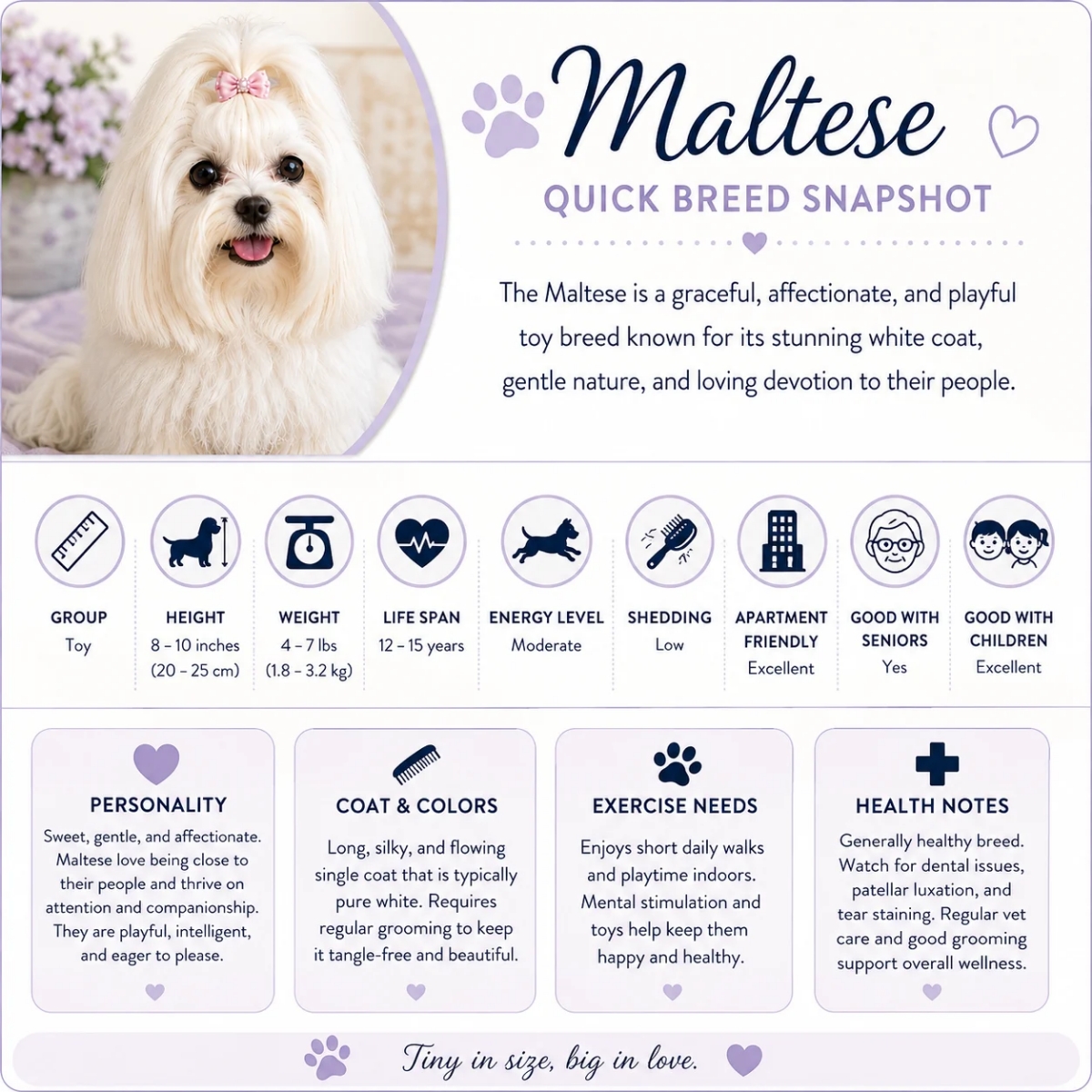
Maltese Quick Breed Snapshot
- Breed Group: Toy Group
- Height: 7 to 9 inches
- Weight: Under 7 pounds
- Life Expectancy: 12 to 15+ years
- Energy Level: Moderate
- Shedding: Very low
- Apartment Friendly: Excellent
- Good with Children: Often yes, with gentle handling
- Good for Seniors: Excellent
- Best For: Companion homes, apartments, seniors, and affectionate owners
 Quick Maltese Guide
 Quick Maltese Guide
- About the Maltese
- Maltese Personality & Temperament
- Maltese Size & Appearance
- Maltese Photo Gallery
- Maltese Colors & Coat
- Maltese Exercise Needs
- Training a Maltese
- Maltese Grooming Needs
- Maltese Health Concerns
- Feeding & Nutrition
- Are Maltese Good Apartment Dogs?
- Are Maltese Good Family Dogs?
- Are Maltese Good Dogs for Seniors?
- Is a Maltese Right for You?
- Maltese Adoption
- Finding a Reputable Maltese Breeder
- Maltese FAQ
- Related DogPage Guides
- Trusted References & Further Reading
About Maltese Dogs
 Elegant, affectionate, intelligent, and full of personality, the Maltese has been winning hearts for more than 2,000 years. Despite weighing less than seven pounds, this tiny white companion carries itself with remarkable confidence and dignity. Beneath its luxurious silky coat lies a playful, curious little dog that thrives on companionship and forms exceptionally close bonds with its family.
Few breeds can match the Maltese when it comes to adapting to modern life. Whether you live in a downtown apartment, a suburban home, or a country cottage, these adaptable little dogs are happiest wherever their favourite people happen to be. Their moderate exercise needs, compact size, and affectionate nature make them one of the world’s most popular companion breeds—and one of our top recommendations for first-time dog owners, seniors, and apartment dwellers.
The Maltese belongs to the Toy Group and is believed to be one of the oldest toy breeds in existence. Ancient artwork and historical writings suggest that dogs resembling today’s Maltese were treasured companions by the Greeks, Romans, and Egyptian nobility. Throughout history they have been admired for their beauty, gentle temperament, and unwavering devotion to their owners.
Although their exact origins remain the subject of debate, most historians agree that the breed developed in the Mediterranean region, particularly on the island of Malta, from which the breed takes its name. Merchants and travellers helped spread these charming little dogs throughout Europe, where they became favourites among royalty and aristocrats. Paintings dating back hundreds of years often depict elegant white lap dogs resting comfortably beside queens, noblewomen, and wealthy families.
Fortunately, today’s Maltese isn’t reserved for royalty. While they still possess the graceful appearance of a noble companion, they are also playful, adaptable family pets that fit comfortably into modern households. Their cheerful personalities and eagerness to spend time with people make them wonderful companions for singles, couples, families with respectful children, and retirees alike.
One of the breed’s greatest strengths is its versatility. The Maltese is just as happy accompanying you on a leisurely neighbourhood walk as it is curling up on the couch for a relaxing evening. Their small size makes travelling easy, and many owners appreciate how comfortably these little dogs fit into apartment and condominium living. They don’t require a large yard to be happy; instead, they flourish when given regular walks, interactive playtime, mental stimulation, and, most importantly, plenty of companionship.
The Maltese is also well known for its intelligence. These dogs learn routines quickly, enjoy interactive games, and often excel in obedience, trick training, and canine sports designed for toy breeds. While they occasionally display a stubborn streak, they generally respond extremely well to positive reinforcement, praise, and reward-based training methods.
Of course, no breed is perfect for everyone. The Maltese’s beautiful white coat requires regular brushing and grooming to remain healthy and free of mats. They also thrive on human companionship and generally prefer not to spend long hours alone every day. Families considering the breed should be prepared to invest time not only in coat care but also in providing plenty of affection, interaction, and mental enrichment.
Despite these considerations, the Maltese continues to rank among the finest companion dogs in the world. Their affectionate nature, manageable size, adaptability, and remarkable devotion make them excellent pets for many different lifestyles. Whether you’re looking for your first dog, searching for an apartment-friendly companion, or simply hoping to share your life with a loyal little shadow that wants to be wherever you are, the Maltese deserves a place near the top of your shortlist.
In the sections below, we’ll explore every aspect of living with a Maltese, including personality, exercise needs, grooming, health, nutrition, training, adoption, and much more, helping you decide whether this delightful little dog is the perfect companion for your home and lifestyle.
Maltese Personality & Temperament
 If there’s one word that perfectly describes the Maltese, it’s devoted. These little dogs don’t simply enjoy being around their people—they genuinely want to share every part of your day. Whether you’re answering emails, cooking dinner, reading a book, or relaxing on the couch, your Maltese will almost certainly be nearby, happily keeping you company.
For more than two thousand years, the Maltese has been bred primarily as a companion dog. Unlike herding dogs, hunting dogs, or livestock guardians, they weren’t expected to perform demanding jobs. Their purpose was far simpler—and arguably far more important—to bring comfort, affection, and companionship to the people they loved. That heritage remains wonderfully intact today.
Maltese are affectionate without being needy, playful without being hyperactive, and intelligent without being difficult to manage. They strike an impressive balance between enjoying daily adventures and happily spending a quiet afternoon curled up beside their favourite person. This adaptability is one of the many reasons they consistently rank among the world’s most popular toy breeds.
A Little Dog with a Big Personality
Don’t mistake their tiny size for timidity. Beneath that elegant white coat lives a confident, curious little explorer who approaches life with enthusiasm and optimism. Maltese are naturally inquisitive and enjoy investigating new places, meeting friendly people, and learning new games. Their cheerful attitude is remarkably contagious, and many owners say it’s almost impossible to have a bad day when a Maltese is around.
They also possess a delightful sense of humour. Whether they’re racing around the living room during an unexpected burst of excitement, proudly carrying a toy nearly as large as themselves, or tilting their head as if carefully considering every word you say, Maltese have an uncanny ability to make people smile.
Deeply Loyal Companions
One of the breed’s defining characteristics is its extraordinary loyalty. Maltese often develop incredibly close bonds with their families and genuinely enjoy being included in everyday activities. They aren’t the type of dog that’s content to spend hours alone in another room while life happens elsewhere. Instead, they prefer to be wherever you are, quietly supervising everything from household chores to movie nights.
This strong attachment makes them exceptional emotional companions for people who live alone, retirees, remote workers, and anyone seeking a dog that thrives on close relationships. Many owners affectionately describe their Maltese as a tiny shadow that follows them from room to room throughout the day.
Friendly but Sensible
Well-socialized Maltese are generally friendly, outgoing, and polite with visitors. Most enjoy meeting new people and are happy to accept attention from anyone willing to offer a kind word or gentle scratch under the chin. They’re not typically aggressive, although they may initially bark to announce someone at the door.
Early socialization plays an important role in helping Maltese puppies grow into confident adults. Introducing them to different people, places, sounds, and experiences from a young age helps prevent unnecessary fearfulness and builds confidence that lasts a lifetime.
Intelligent and Eager to Learn
The Maltese is an intelligent little dog that genuinely enjoys learning. They quickly pick up household routines, respond well to positive reinforcement, and often surprise owners with their ability to master tricks and obedience exercises. Many also excel in canine sports such as rally obedience and agility designed for toy breeds.
Because they respond so well to praise, treats, and encouragement, training sessions should always be fun, short, and rewarding. Harsh corrections are rarely necessary and may actually undermine the trusting relationship that makes this breed so special.
Living with a Maltese
Life with a Maltese is rarely dull. They’re playful enough to keep you entertained, affectionate enough to make every day a little brighter, and adaptable enough to fit comfortably into a wide variety of lifestyles. They don’t demand endless hours of exercise, yet they still appreciate daily walks, interactive games, and opportunities to explore the world alongside their favourite humans.
Their greatest challenge is often their devotion. Maltese thrive on companionship and generally dislike being left alone for long periods. Families where someone is home for much of the day—or where arrangements can be made for regular interaction—are often rewarded with an exceptionally happy, confident, and well-adjusted dog.
DogPage’s Verdict
The Maltese possesses one of the most appealing personalities in the dog world. Affectionate, intelligent, adaptable, cheerful, and deeply loyal, they fit beautifully into apartments, family homes, and retirement lifestyles alike. If you’re looking for a loving companion that wants to share every chapter of your life, it’s difficult to imagine a better choice.
Maltese Size & Appearance
The Maltese is the very definition of elegance in miniature. Although this charming little breed weighs less than many house cats, it carries itself with remarkable confidence and grace. With its sparkling dark eyes, jet-black nose, flowing white coat, and proud carriage, the Maltese has an unmistakable appearance that’s instantly recognizable around the world.
Don’t let their dainty looks fool you, however. Beneath that luxurious coat is a surprisingly athletic, agile little dog that enjoys playtime, brisk walks, and exploring its surroundings. While the Maltese has long been associated with royalty and luxury, it’s also a sturdy companion that was bred to share everyday life with people rather than simply sit on a velvet cushion.
How Big Does a Maltese Get?
The Maltese belongs to the Toy Group and remains one of the smallest dog breeds recognized by the American Kennel Club.
- Height: 7–9 inches (18–23 cm)
- Weight: Under 7 pounds (3.2 kg), with 4–6 pounds often considered ideal
- Life Expectancy: 12–15 years, with many living even longer with excellent care
Their tiny size makes them exceptionally easy to carry, travel with, and accommodate in apartments, condominiums, RVs, and smaller homes. Despite their compact stature, Maltese should never appear fragile or weak. A healthy Maltese is well-proportioned, balanced, and surprisingly energetic.
The Famous White Coat
The Maltese is best known for its breathtaking white coat. Unlike many breeds that have fur, the Maltese has hair that continues growing throughout its life in much the same way as human hair. When left untrimmed and properly cared for, the coat can grow all the way to the floor, creating the glamorous appearance often seen in dog shows.
Fortunately, most family pets don’t require this level of maintenance. Many owners choose an adorable “puppy cut,” which keeps the coat much shorter while making brushing, bathing, and everyday care significantly easier. Regardless of coat length, the silky texture remains one of the breed’s defining characteristics.
Although pure white is the preferred colour according to the breed standard, you may occasionally notice very light lemon or tan shading around the ears, particularly in puppies. This is considered normal in many dogs and often fades as they mature.
Facial Expression
Few breeds possess a sweeter expression than the Maltese. Their large, round, dark eyes radiate curiosity and intelligence, while their black nose and dark eye rims create a beautiful contrast against the brilliant white coat. Combined with their constantly alert expression and gentle head tilt, it’s easy to understand why so many people fall in love with the breed at first sight.
The ears are feathered and hang close to the head, blending naturally into the flowing coat. Their expression should always appear bright, cheerful, and engaged rather than timid or anxious.
Body Structure
Although hidden beneath abundant hair, the Maltese has a surprisingly compact, balanced body. The back is level, the chest is reasonably deep for such a small breed, and the legs are straight and proportionate. The tail is carried gracefully over the back, adding to the breed’s elegant silhouette.
Good overall balance is one of the hallmarks of a well-bred Maltese. Nothing about the dog should appear exaggerated or awkward. Instead, every feature contributes to an overall impression of refinement, agility, and effortless grace.
Movement
The Maltese moves with a smooth, flowing gait that’s both effortless and surprisingly lively. They carry themselves proudly, with their head held high and tail curved gracefully over their back. Despite their tiny size, they are capable of moving quickly when excited, often breaking into playful bursts of energy affectionately known by many owners as the “zoomies.”
Watching a happy Maltese trot confidently across a room—with its silky coat gently swaying—is one of the breed’s most charming sights.
How the Maltese Compares to Other Toy Breeds
Compared with other popular toy breeds, the Maltese combines elegance with practicality. They are generally slightly larger than many Chihuahuas but smaller than most Shih Tzus. Their flowing white coat gives them a more refined appearance than the compact Pug or Boston Terrier, while their athletic build makes them surprisingly agile despite their glamorous looks.
Unlike fluffy double-coated breeds such as the Pomeranian, the Maltese’s silky single coat sheds very little, making it a popular choice for owners who appreciate a cleaner home. Their small size also makes them one of the easiest breeds to travel with, whether by car or on pet-friendly vacations.
DogPage’s Verdict
The Maltese is proof that beauty and practicality can go hand in hand. Their compact size, elegant appearance, expressive face, and low-shedding coat have made them beloved companions for centuries. Whether wearing a flowing show coat or an easy-care puppy trim, the Maltese remains one of the most beautiful, recognizable, and charming toy breeds in the world.
Maltese Photo Gallery
The Maltese is one of the world’s most photogenic dog breeds. From playful puppies to elegant adults, these charming little companions are beautiful in almost every setting. Browse our gallery to see the breed’s silky white coat, expressive dark eyes, cheerful personality, and adaptable lifestyle. Whether relaxing at home, enjoying a walk, or spending time with family, the Maltese is truly a picture-perfect companion.



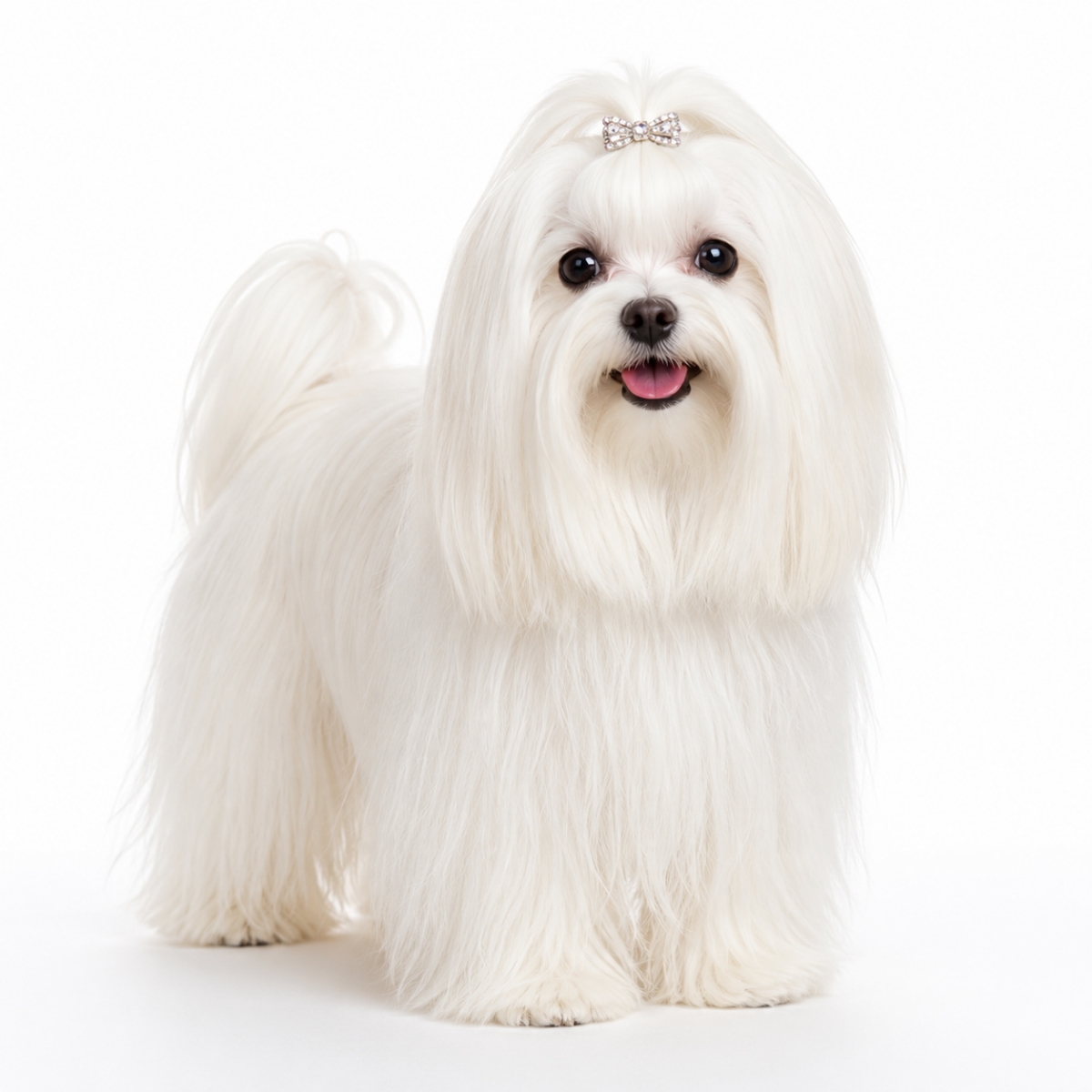
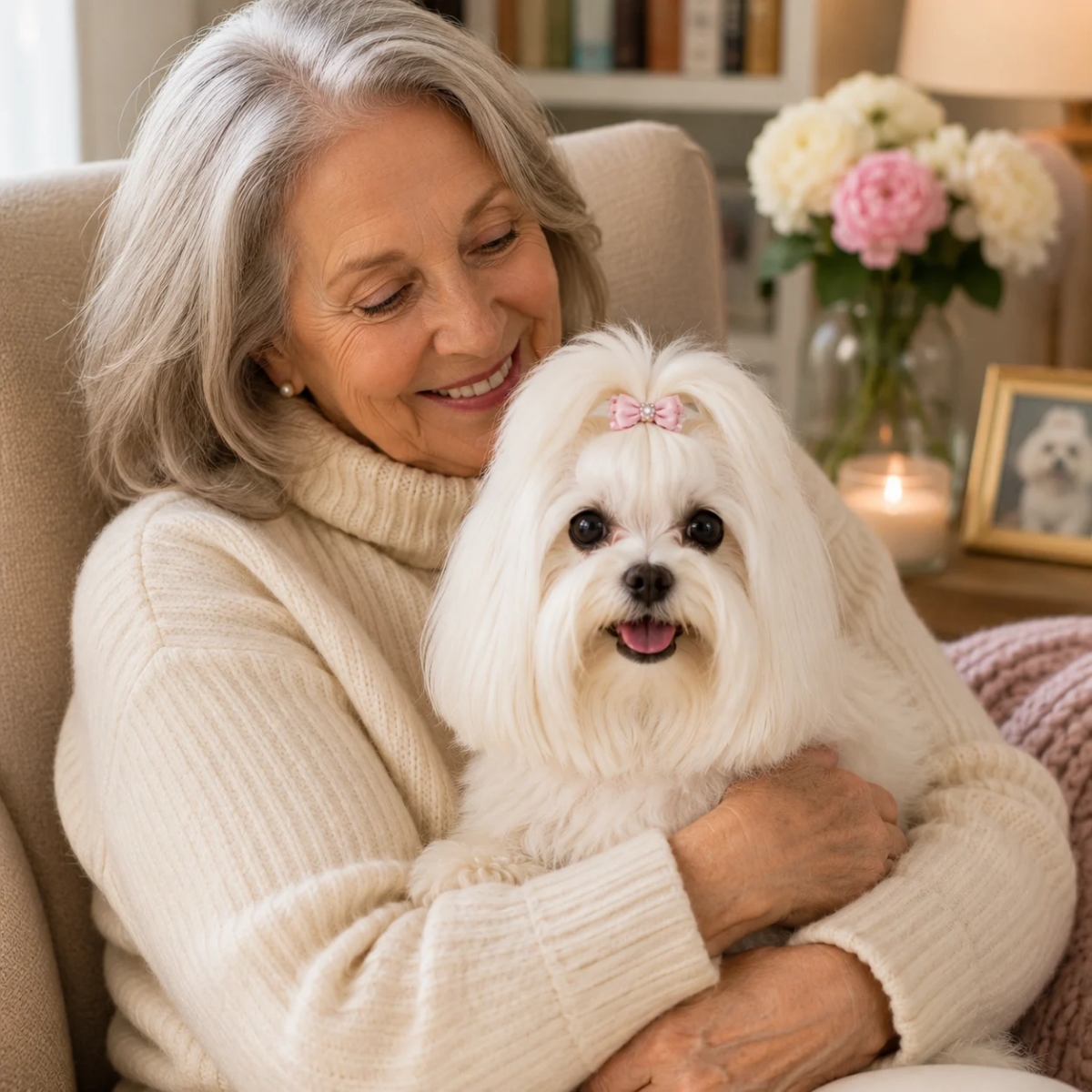

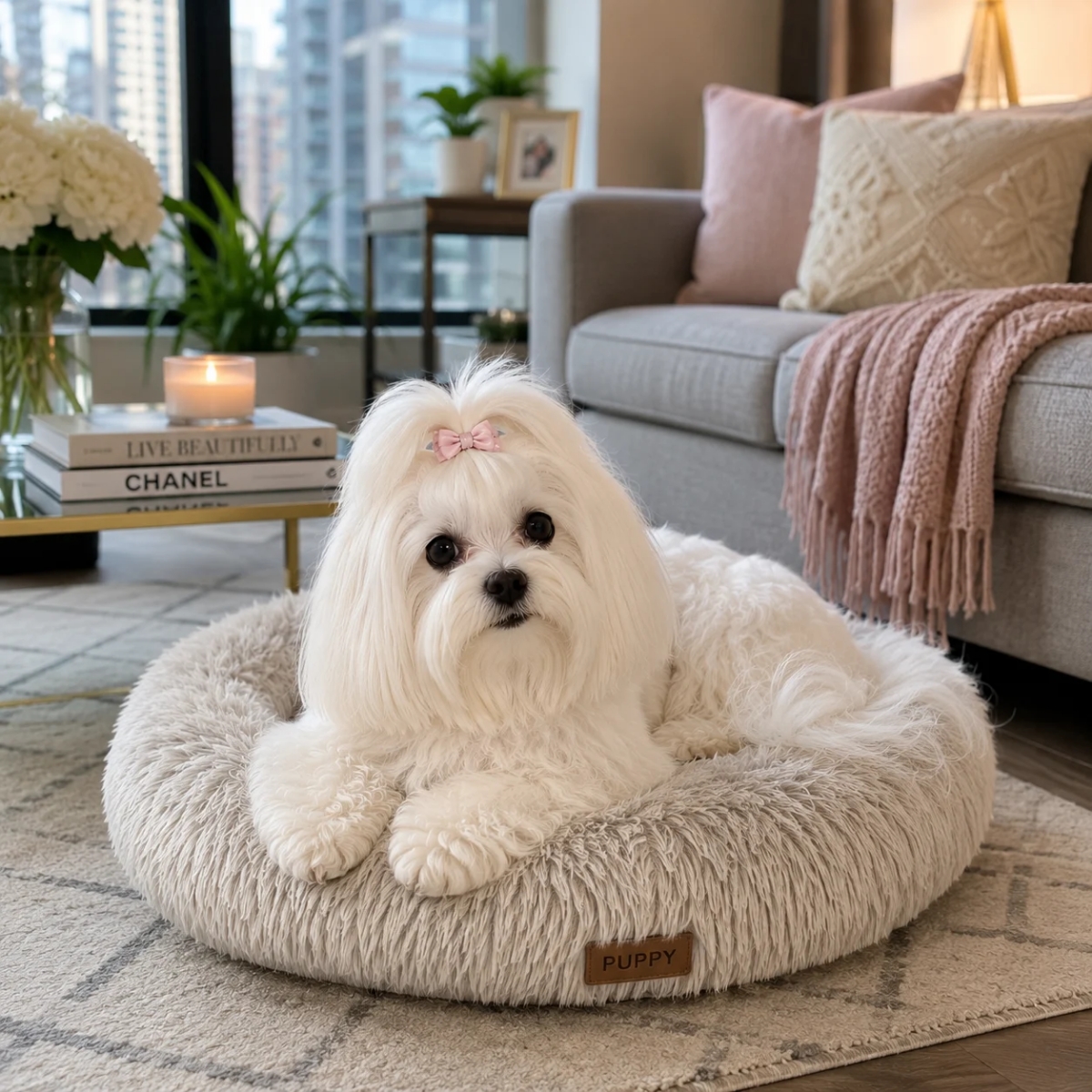


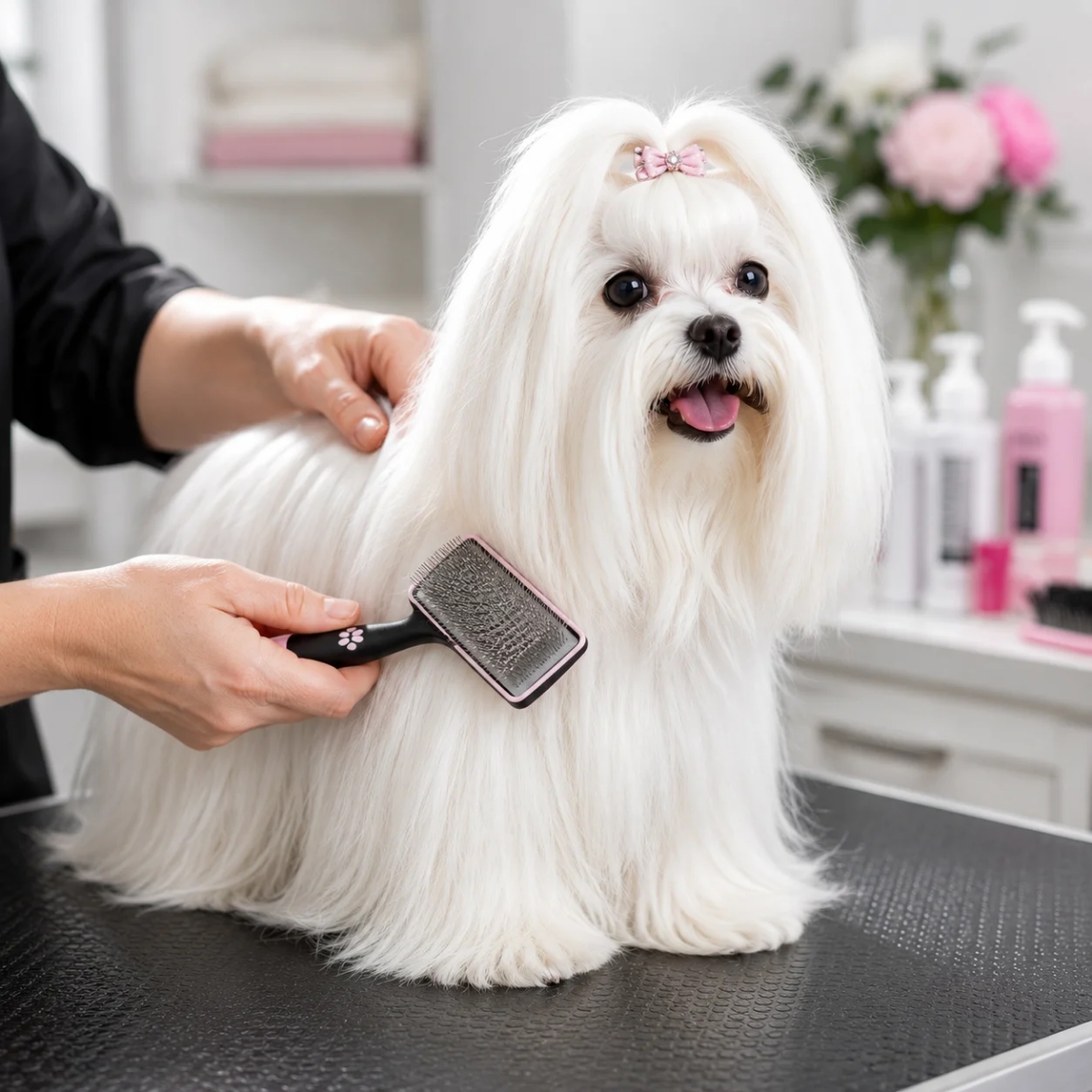

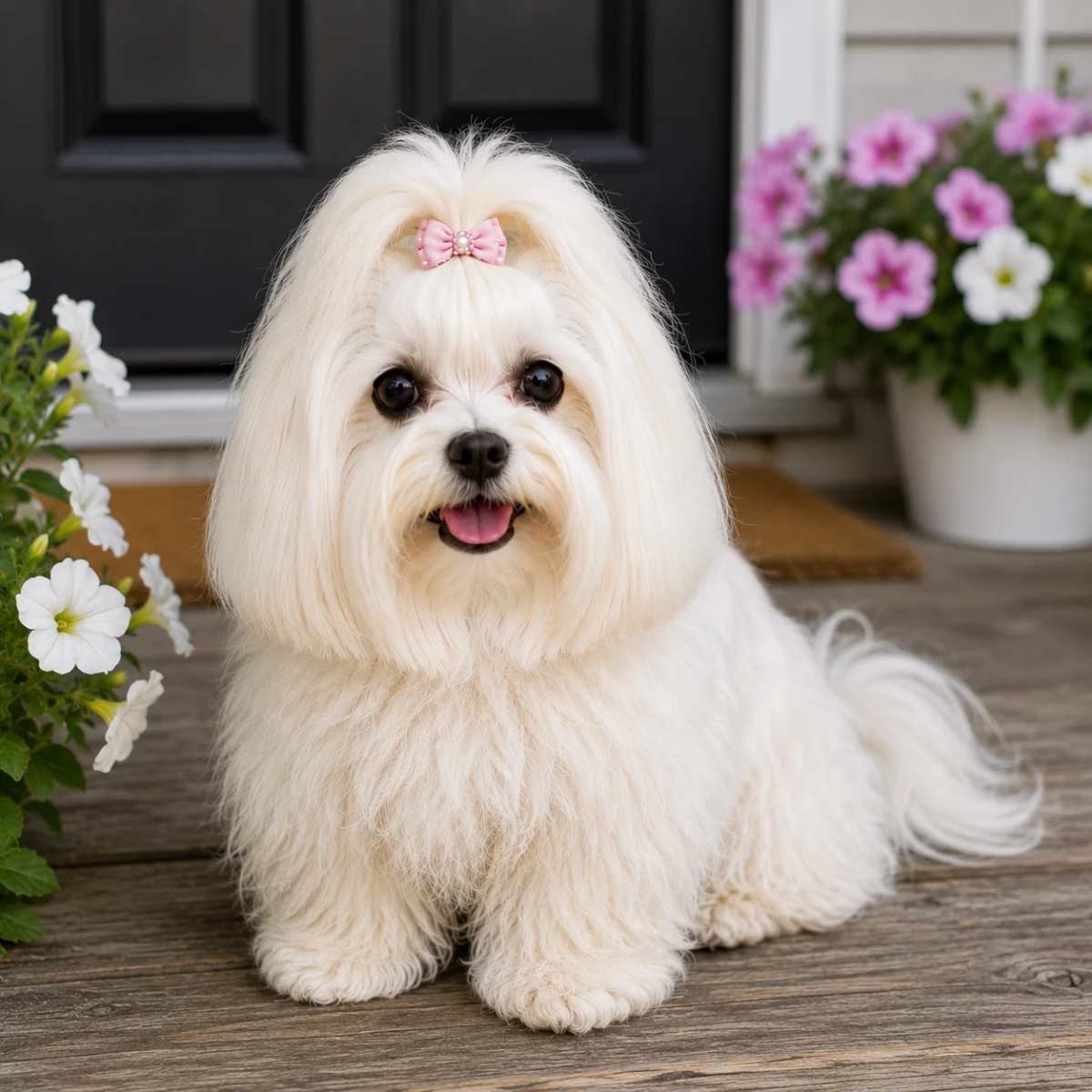
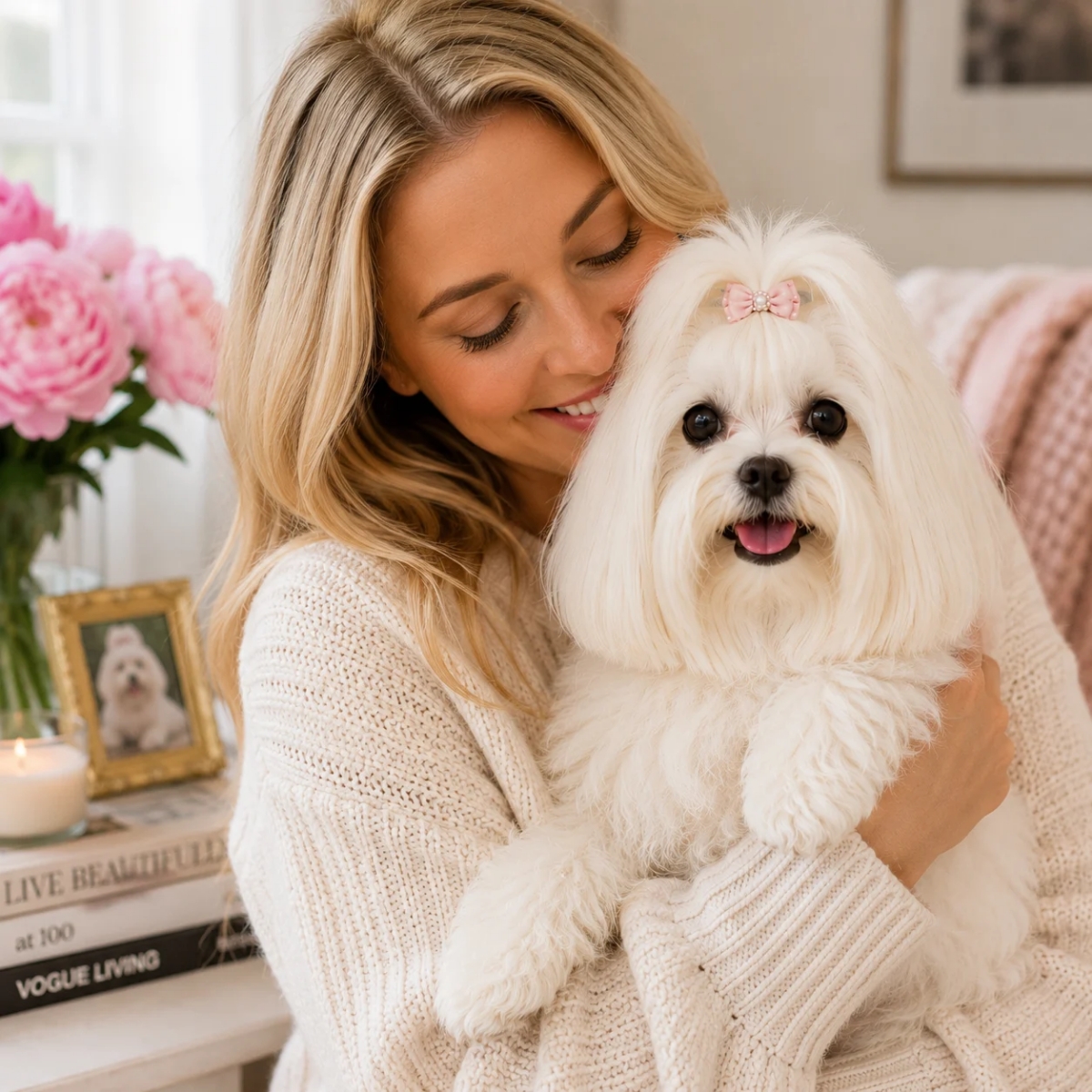
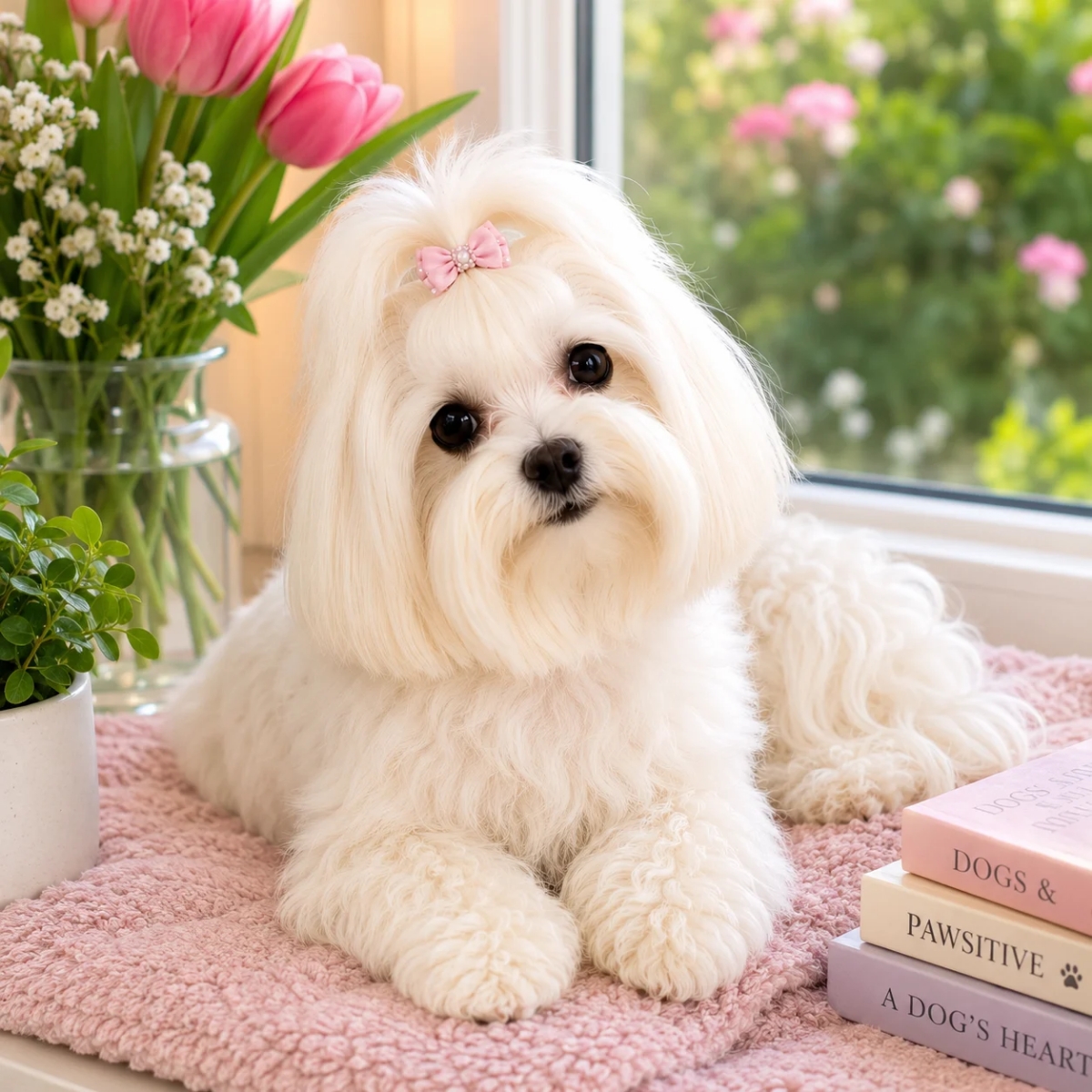
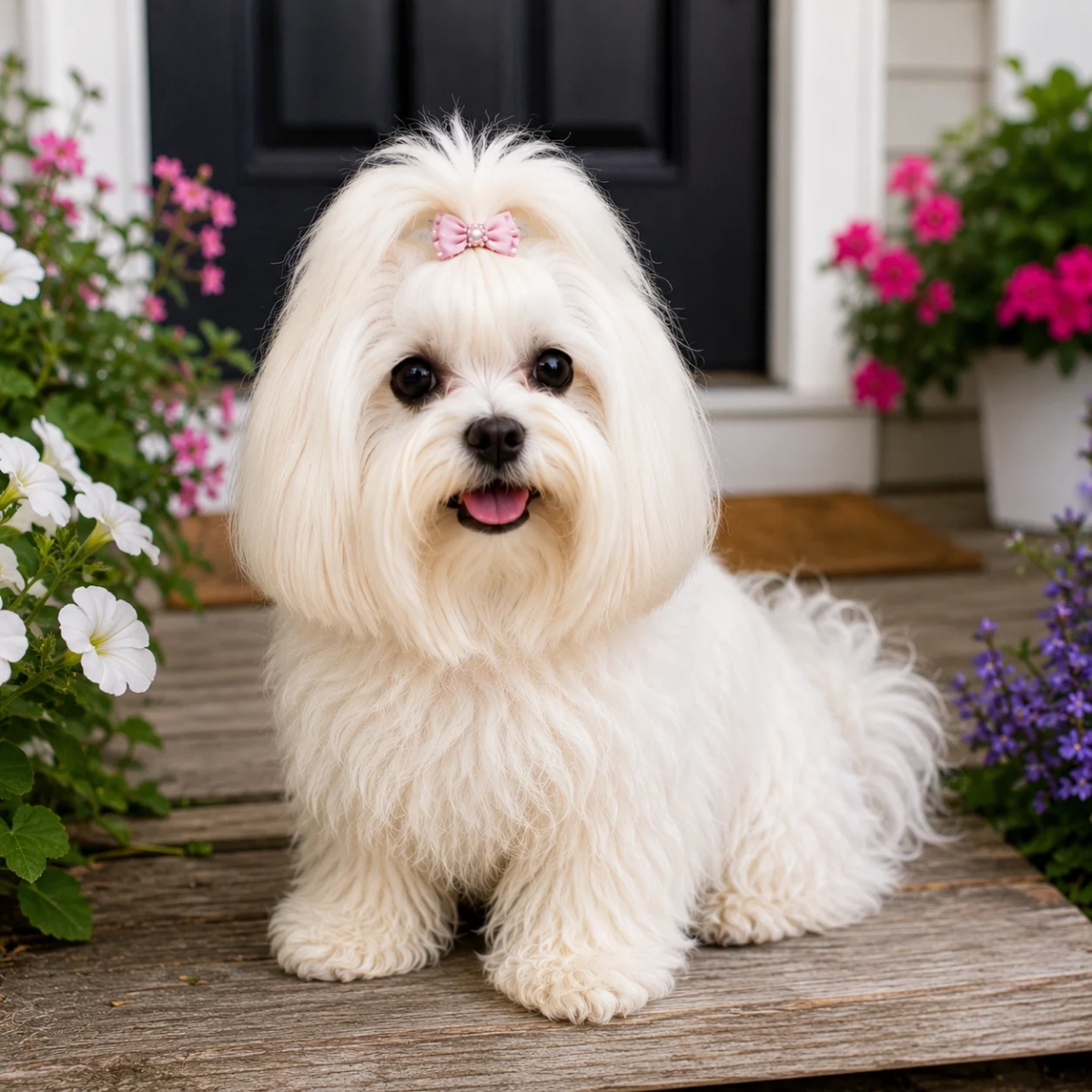
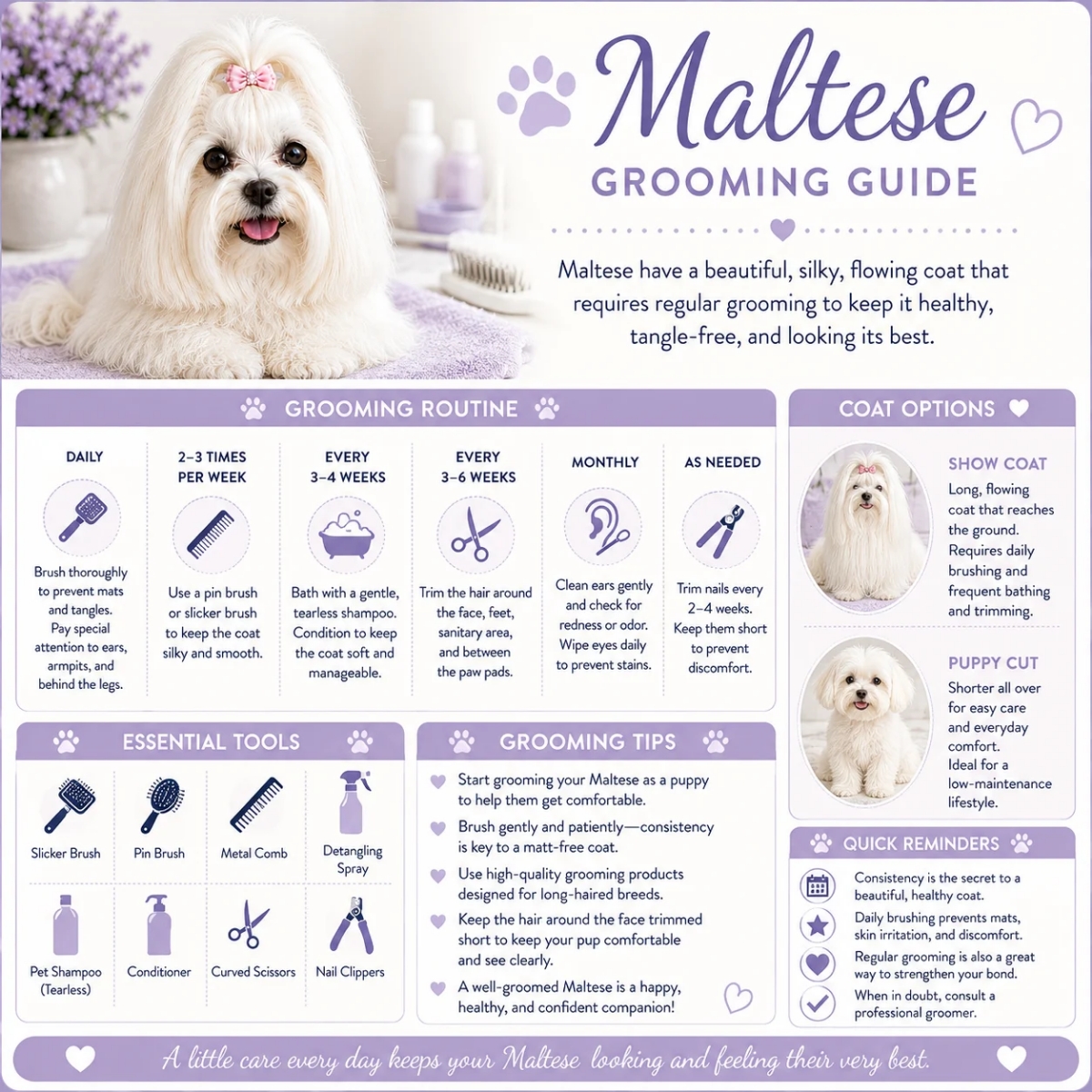

Whether you’re researching the breed or simply enjoying these beautiful little dogs, we hope this gallery gives you a realistic look at everyday life with a Maltese. If you’re considering adding one to your family, continue reading below to learn about grooming, training, health, exercise needs, and what it’s really like to share your life with this affectionate companion.
Types of Maltese Dogs
If you’ve spent any time researching Maltese dogs online, you’ve probably come across terms like Teacup Maltese, Toy Maltese, Korean Maltese, or Imperial Maltese. It can be confusing, especially for first-time dog owners trying to understand whether these are officially recognized varieties or simply marketing terms.
The truth is much simpler: according to major kennel clubs such as the American Kennel Club (AKC), there is only one recognized Maltese breed. Healthy Maltese may vary slightly in size, coat length, and facial features, but they all belong to the same breed. Many of the names you’ll encounter online are descriptive terms used by breeders rather than separate varieties.
Standard Maltese
The standard Maltese is the breed recognized by kennel clubs around the world. Adults typically stand 7 to 9 inches (18–23 cm) tall and weigh under 7 pounds (3.2 kg), with many healthy adults weighing between 4 and 6 pounds. They have a compact, balanced body, a flowing white coat, dark expressive eyes, and a cheerful, confident personality.
If you purchase a well-bred Maltese from a responsible breeder, this is the type of dog you should expect.
Teacup Maltese
“Teacup Maltese” is one of the most popular search terms associated with the breed, but it is not an officially recognized variety. The term is generally used to describe unusually small Maltese, often weighing less than four pounds as adults.
While tiny dogs may certainly be adorable, prospective owners should approach “teacup” marketing with caution. Extremely small dogs can be more susceptible to injury and may face additional health challenges associated with their size. Responsible breeders focus on producing healthy, well-structured puppies rather than the smallest possible dogs.
Imperial Maltese
Like “teacup,” the term “Imperial Maltese” is primarily a marketing description rather than an officially recognized classification. It usually refers to particularly small adult Maltese. There is no separate breed standard for Imperial Maltese, and reputable kennel clubs do not recognize them as a distinct variety.
Korean Maltese
You may also encounter the term “Korean Maltese,” particularly on social media. These dogs are still purebred Maltese. The description generally refers to a grooming style or breeding preference that emphasizes a shorter muzzle, large round eyes, a teddy bear expression, and a beautifully groomed coat. It is not a separate breed.
Show Coat vs. Puppy Cut
Although they are not different types of Maltese, you’ll often see the breed presented in two very different coat styles.
Show Coat: In the show ring, the Maltese wears a spectacular floor-length white coat that requires meticulous daily care. This elegant appearance is breathtaking but also time-consuming to maintain.
Puppy Cut: Most pet owners choose a shorter “puppy cut,” which keeps the coat neat, comfortable, and much easier to brush. The puppy cut preserves the Maltese’s adorable appearance while greatly reducing grooming time.
Are There Different Colors?
The classic Maltese is famous for its brilliant white coat. According to the breed standard, white is the preferred colour. Very pale lemon or light tan shading around the ears may occasionally occur, particularly in puppies, but these subtle markings often fade as the dog matures.
If you see advertisements for black, chocolate, blue, merle, or other unusually coloured “Maltese,” the dogs are almost certainly mixed breeds rather than purebred Maltese.
DogPage’s Verdict
While you’ll encounter many names used to describe Maltese dogs, there is only one officially recognized Maltese breed. Focus on finding a healthy puppy or adult dog from a responsible breeder or reputable rescue rather than being influenced by marketing terms like “teacup” or “imperial.” A well-bred Maltese—regardless of its exact size—is far more likely to reward you with the affectionate personality, excellent health, and long lifespan that have made this breed a beloved companion for centuries.
Maltese Exercise Needs
 One of the reasons the Maltese has remained a beloved companion for more than 2,000 years is that it doesn’t demand an intense exercise routine to stay happy and healthy. While these little dogs certainly enjoy daily adventures, they’re far from marathon runners. A Maltese is perfectly content with moderate exercise, plenty of playtime, and, most importantly, spending time with the people they love.
This makes the breed an outstanding choice for apartment dwellers, seniors, busy professionals, and families looking for a dog that fits comfortably into everyday life without requiring hours of strenuous activity. Don’t mistake “low exercise needs” for “no exercise,” however. Like every dog, the Maltese benefits enormously from daily physical activity and mental enrichment.
How Much Exercise Does a Maltese Need?
Most healthy adult Maltese need between 30 and 45 minutes of exercise each day. This doesn’t have to happen all at once. In fact, many owners find that two shorter walks combined with indoor play sessions suit the breed perfectly.
A typical day might include:
- A 15-20 minute morning walk.
- A short afternoon game indoors or in the backyard.
- A second 15-20 minute evening walk.
- Several brief play sessions throughout the day.
Because the Maltese is so people-oriented, almost any activity becomes enjoyable if you’re participating too.
Indoor Exercise Is Often Enough
Unlike many sporting or working breeds, Maltese don’t need acres of space to burn off energy. A game of fetch down the hallway, chasing a favourite toy across the living room, or learning a few new tricks can provide surprisingly good exercise.
This adaptability is one reason the Maltese consistently ranks among the best apartment dogs. Bad weather, busy schedules, or condominium living rarely prevent them from getting the activity they need.
Many owners are surprised by the famous “Maltese zoomies”—those hilarious moments when their little companion suddenly races around the house at top speed before collapsing happily onto the nearest lap.
Mental Exercise Matters Too
The Maltese isn’t just physically active—they’re intelligent, curious little dogs that enjoy solving problems and learning new things. Mental stimulation is every bit as important as physical exercise.
Excellent enrichment activities include:
- Food puzzle toys.
- Hide-and-seek games.
- Basic obedience practice.
- Learning new tricks.
- Scent games using treats.
- Interactive toys that encourage problem-solving.
Just ten or fifteen minutes of training or enrichment each day helps prevent boredom while strengthening the bond between you and your dog.
Social Walks Build Confidence
Daily walks provide far more than simple exercise. They expose your Maltese to new sights, sounds, people, dogs, and environments that help build confidence throughout life.
Well-socialized Maltese are generally calmer, friendlier, and better adjusted than dogs that rarely leave home. Exploring new neighbourhoods, visiting dog-friendly parks, or stopping at an outdoor café can all become enjoyable adventures for this curious little breed.
Exercise Through Every Stage of Life
Puppies have plenty of energy but tire quickly. Several short play sessions each day are much more appropriate than long walks while their growing bones and joints are still developing.
Adult Maltese typically enjoy regular walks, play sessions, and opportunities to learn new skills. This is when they’re most active and adaptable.
Senior Maltese still benefit from daily exercise, although walks may become shorter and slower as they age. Gentle activity helps maintain muscle tone, joint mobility, healthy weight, and mental sharpness well into their golden years.
Hot Weather Requires Extra Care
Although the Maltese doesn’t have the breathing difficulties seen in flat-faced breeds, their beautiful white coat can still leave them uncomfortable during hot, humid weather. During summer, plan walks during the cooler morning and evening hours, carry fresh water, and avoid hot pavement that could burn sensitive paw pads.
In winter, many Maltese appreciate wearing a lightweight sweater or coat, especially in colder climates where their small size makes them lose body heat more quickly.
Signs Your Maltese Needs More Activity
A well-exercised Maltese is generally calm and content indoors. If your dog begins barking excessively, chewing inappropriate objects, demanding constant attention, or becoming restless throughout the day, they may simply need a little more physical or mental stimulation.
Fortunately, because the breed’s exercise requirements are modest, adding another short walk, introducing a puzzle toy, or spending ten minutes practicing new tricks is often enough to restore balance.
DogPage’s Verdict
The Maltese offers one of the easiest exercise routines of any companion breed. Daily walks, interactive play, and a little mental enrichment are usually all that’s needed to keep these cheerful little dogs happy and healthy. Their adaptable nature makes them ideal companions for apartment dwellers, retirees, families, and anyone looking for a dog that’s active enough to enjoy life’s adventures but relaxed enough to curl up beside you at the end of the day.
Training a Maltese
 Despite their elegant appearance and reputation as pampered lap dogs, Maltese are surprisingly intelligent, curious, and eager to learn. For more than two thousand years, they have lived closely alongside people, making them highly attuned to human emotions and routines. This natural desire to please, combined with their quick minds, makes the Maltese one of the easier toy breeds to train—provided you use patience, consistency, and positive reinforcement.
Training isn’t just about teaching your Maltese to sit or stay. It’s about building a strong relationship based on trust, communication, and mutual respect. A well-trained Maltese is happier, more confident, easier to live with, and welcome almost anywhere you choose to take them.
Are Maltese Easy to Train?
For most owners, the answer is yes. Maltese are bright little dogs that quickly recognize routines and enjoy earning praise from their favourite people. They generally respond very well to reward-based training using treats, toys, praise, and affection.
However, like many toy breeds, they can also have an independent streak. If training becomes repetitive or boring, your Maltese may decide they’d rather do something more interesting. Keeping sessions short, upbeat, and enjoyable is the key to success.
Start Training Early
The best time to begin training is the day your puppy comes home. Even at eight weeks of age, Maltese puppies are capable of learning their names, responding to simple cues, and beginning house-training.
Early training should focus on:
- Learning their name.
- Coming when called.
- Sitting politely for attention.
- Walking comfortably on a leash.
- Gentle handling and grooming.
- Building confidence around new people and places.
These early lessons create a strong foundation for everything that follows.
House Training Requires Patience
One area where some Maltese owners encounter challenges is house-training. Because of their tiny bladders, puppies simply can’t “hold it” as long as larger breeds. Frequent trips outside, especially after sleeping, eating, drinking, or playing, help prevent accidents and speed the learning process.
Consistency is essential. Establish a predictable routine, reward successful bathroom trips immediately, and avoid punishment for accidents. Most Maltese become reliably house-trained with patience and positive reinforcement.
Some apartment owners also teach their Maltese to use indoor potty systems or pee pads, particularly in high-rise buildings or during harsh winter weather. While this can be a practical solution, regular outdoor walks remain important for exercise, socialization, and mental stimulation.
Positive Reinforcement Works Best
Maltese are sensitive little dogs that respond much better to encouragement than correction. Reward the behaviours you want to see, ignore minor mistakes whenever possible, and avoid harsh discipline or yelling.
Training should feel like a fun game rather than a chore. Five to ten minutes of focused practice several times each day is usually far more productive than one long session.
Socialization Is Just as Important
One of the greatest gifts you can give your Maltese is confidence. Introduce your puppy to a wide variety of people, friendly dogs, sounds, surfaces, vehicles, parks, and everyday experiences during their first year of life.
Well-socialized Maltese typically grow into calm, friendly adults that adapt easily to travel, visitors, cafés, veterinary visits, and busy neighbourhoods. Early positive experiences also reduce the likelihood of fear-based barking or nervous behaviour later in life.
Managing Barking
Maltese make surprisingly good little watchdogs. They’ll often alert you when someone approaches the front door or when they hear unfamiliar noises nearby. While this alertness is useful, it can become excessive if barking is unintentionally rewarded.
Teaching a reliable “Quiet” cue, rewarding calm behaviour, and ensuring your dog receives enough exercise and mental stimulation are usually the most effective ways to prevent nuisance barking.
Fun Tricks and Activities
The Maltese genuinely enjoys learning. Beyond basic obedience, many owners teach their dogs a variety of entertaining tricks, including:
- Shake paws.
- Spin.
- Roll over.
- High five.
- Fetch toys by name.
- Jump through a hoop.
- Ring a bell to go outside.
Many Maltese also enjoy rally obedience, scent games, trick dog titles, and beginner agility, proving that these elegant little companions are much more athletic than many people realize.
Common Training Mistakes
Because Maltese are irresistibly cute, owners sometimes allow behaviours that would never be acceptable in a larger dog. Jumping on guests, barking for attention, begging at the table, or refusing to walk on a leash may seem harmless when a six-pound dog does it, but these habits can quickly become frustrating.
Setting clear, consistent boundaries from the beginning helps your Maltese become a polite, confident companion that’s welcome almost anywhere.
DogPage’s Verdict
The Maltese is an intelligent, eager-to-please breed that responds beautifully to kind, consistent training. Their desire to spend time with their people makes learning enjoyable for both dog and owner. Start early, keep lessons positive, socialize generously, and you’ll be rewarded with a cheerful, well-mannered companion that’s a pleasure to live with for many years.
Maltese Grooming Needs
 The Maltese is one of the most beautiful dog breeds in the world, and much of that beauty comes from its stunning silky white coat. Unlike many breeds that shed heavily throughout the year, the Maltese has a single coat of continuously growing hair that resembles human hair more than traditional dog fur. This means you’ll find very little loose hair around your home—but it also means regular grooming is essential to keep your companion looking and feeling their best.
Fortunately, grooming doesn’t have to be overwhelming. Whether you choose a glamorous show coat or an easy-care puppy cut, a consistent grooming routine will keep your Maltese comfortable, healthy, and looking absolutely adorable.
Do Maltese Shed?
The Maltese is considered a low-shedding breed. Rather than shedding seasonally like many double-coated dogs, loose hairs are usually caught within the surrounding coat until they’re brushed out.
This makes the Maltese a popular choice for owners who prefer less dog hair around the house. Although no dog is truly hypoallergenic, many people with mild dog allergies find they tolerate the Maltese better than heavier-shedding breeds.
The Famous White Coat
The breed’s silky white coat is undoubtedly its signature feature. In the show ring, the coat is allowed to grow until it reaches the floor, creating an elegant curtain of flowing white hair. While undeniably beautiful, maintaining a full show coat requires daily brushing, frequent bathing, careful wrapping of the hair, and a significant time commitment.
Fortunately, most pet owners choose a much more practical option.
The Popular Puppy Cut
For family companions, the puppy cut is by far the most popular grooming style. In this trim, the coat is clipped short over the body while leaving the Maltese looking soft, fluffy, and irresistibly cute.
A puppy cut offers several advantages:
- Much easier daily maintenance.
- Far fewer tangles and mats.
- Less dirt and debris trapped in the coat.
- Greater comfort during warm weather.
- More time enjoying your dog and less time brushing.
Many owners schedule professional grooming every six to eight weeks to maintain this style.
Daily Brushing
Even with a shorter puppy cut, regular brushing remains important. Brushing removes loose hairs, prevents tangles, distributes natural skin oils, and allows you to check for skin problems, parasites, or small injuries.
Pay particular attention to areas where mats commonly form, including:
- Behind the ears.
- Under the front legs.
- Around the collar or harness.
- Between the back legs.
- Under the tail.
A pin brush and a quality metal comb are usually all that’s needed for routine coat care.
Bathing
The Maltese’s brilliant white coat benefits from regular bathing—typically every two to four weeks, depending on coat length and lifestyle. Always use a gentle dog shampoo followed by a moisturizing conditioner to help keep the hair soft, silky, and easy to manage.
After bathing, thoroughly dry the coat before brushing. Damp hair tangles more easily and can contribute to skin irritation if left wet for extended periods.
Tear Stains
One of the most common grooming concerns in white-coated breeds is tear staining. The reddish-brown marks that sometimes develop beneath the eyes can have many causes, including normal tear production, blocked tear ducts, allergies, eye irritation, diet, or mineral content in drinking water.
Gently cleaning around the eyes each day with a soft, damp cloth can help reduce staining and keep the face looking bright and clean. If excessive tearing develops suddenly or is accompanied by redness or discomfort, consult your veterinarian to rule out an underlying eye problem.
Nail, Ear, and Dental Care
Complete grooming involves much more than coat care.
- Nails: Trim every three to four weeks, or whenever you hear them clicking on hard floors.
- Ears: Check weekly for redness, odour, excessive wax, or signs of infection.
- Teeth: Brush daily whenever possible. Small breeds are particularly prone to dental disease, making regular dental care one of the most important parts of maintaining long-term health.
Professional Grooming
Even owners who brush regularly often appreciate the help of a professional groomer. Regular appointments every six to eight weeks help maintain coat condition, trim nails, clean ears, and keep your Maltese looking neat and comfortable.
Introducing puppies to grooming at an early age helps them become relaxed and cooperative throughout their lives.
Seasonal Grooming
Unlike many breeds, the Maltese doesn’t “blow” its coat seasonally. Grooming requirements remain fairly consistent throughout the year. During winter, however, many owners allow the coat to grow slightly longer for warmth, while shorter puppy cuts are often preferred during the summer months.
DogPage’s Verdict
The Maltese requires more grooming than many small breeds, but the effort is rewarded with one of the most beautiful coats in the canine world. Whether you choose a stunning show coat or an easy-care puppy cut, regular brushing, bathing, dental care, and professional grooming will keep your companion looking elegant, feeling comfortable, and enjoying excellent skin and coat health for years to come.
Maltese Health Concerns
 One of the many reasons the Maltese has remained a beloved companion for centuries is its reputation as a generally healthy and long-lived breed. With responsible breeding, proper nutrition, regular veterinary care, and a healthy lifestyle, many Maltese live well into their teens, with some reaching 16 years of age or even older.
Like every purebred dog, however, the Maltese is predisposed to certain inherited health conditions. Knowing what to watch for doesn’t mean your dog will develop these problems—it simply allows you to make informed decisions, recognize early warning signs, and choose breeders who prioritize health testing.
Life Expectancy
The average Maltese lives between 12 and 15 years, although many enjoy even longer lives. Their longevity depends on genetics, nutrition, preventative healthcare, exercise, dental care, and maintaining a healthy body weight.
Regular veterinary examinations play an important role in identifying potential health concerns before they become serious.
Dental Disease
Dental disease is one of the most common health issues affecting small breeds, including the Maltese. Their tiny mouths can become crowded, allowing plaque and tartar to build up more quickly than in larger dogs.
Without proper dental care, gum disease can eventually lead to painful tooth loss and may even affect the heart, liver, and kidneys.
You can help protect your Maltese by:
- Brushing their teeth daily whenever possible.
- Providing veterinarian-approved dental chews.
- Scheduling regular professional dental cleanings when recommended.
- Having your veterinarian examine your dog’s mouth during routine wellness visits.
Patellar Luxation
Patellar luxation, or a kneecap that slips out of place, is relatively common in toy breeds. Mild cases may cause only occasional skipping or hopping, while more severe cases can result in discomfort and require surgical correction.
Maintaining a healthy weight and purchasing a puppy from a breeder who screens breeding dogs for orthopedic problems can help reduce the risk.
Progressive Retinal Atrophy (PRA)
Progressive Retinal Atrophy is an inherited eye disease that gradually affects vision over time. Responsible breeders screen their breeding dogs whenever appropriate to help reduce the likelihood of producing affected puppies.
Regular eye examinations can also help identify other eye conditions that may occur as your Maltese ages.
Tear Staining
Although primarily a cosmetic concern, tear staining is extremely common in white-coated breeds. Excessive tearing may be associated with blocked tear ducts, allergies, eye irritation, or other underlying conditions.
Keeping the face clean and discussing persistent tearing with your veterinarian can help identify and address the underlying cause.
Collapsed Trachea
Some Maltese develop weakening of the windpipe (trachea), which can cause a dry, honking cough, especially during excitement or when pressure is placed on the neck.
Using a properly fitted harness instead of attaching a leash to a collar can reduce unnecessary pressure on the airway and is generally recommended for small breeds.
Hypoglycemia in Puppies
Very young Maltese puppies can occasionally experience low blood sugar (hypoglycemia), particularly if they miss meals, become chilled, or experience significant stress.
Responsible breeders educate new owners about feeding schedules and warning signs, including weakness, lethargy, trembling, or disorientation. Fortunately, most puppies outgrow this risk as they mature.
Allergies and Skin Sensitivities
Some Maltese are prone to environmental or food allergies that may cause itching, licking, ear infections, or skin irritation. If your dog develops persistent scratching or recurring skin problems, your veterinarian can help determine the underlying cause and recommend an appropriate treatment plan.
Choosing a Responsible Breeder
Many inherited health problems can be reduced through careful breeding practices. Responsible breeders perform recommended health testing, carefully select breeding dogs, and openly discuss the strengths and weaknesses of their breeding program.
A reputable breeder should happily answer your questions, provide health information about the puppy’s parents, and remain available as a resource throughout your dog’s life.
Preventative Healthcare
The healthiest Maltese are those receiving consistent preventative care throughout their lives.
- Annual (or more frequent) veterinary examinations.
- Core vaccinations as recommended by your veterinarian.
- Parasite prevention.
- Routine dental care.
- Weight management.
- Regular exercise.
- High-quality nutrition.
- Prompt treatment of illness or injury.
Preventative care is almost always less expensive—and far easier on your dog—than treating advanced disease.
DogPage’s Verdict
The Maltese is generally one of the healthiest toy breeds and often enjoys a long, active life. Most serious health problems can be minimized through responsible breeding, regular veterinary care, excellent dental hygiene, proper nutrition, and maintaining a healthy weight. By choosing a reputable breeder or rescue, scheduling routine wellness examinations, and paying attention to your dog’s changing needs as they age, you’ll greatly improve the chances of enjoying many happy years together with your devoted little companion.
Remember: This guide is intended for educational purposes and should never replace professional veterinary advice. If you notice changes in your Maltese’s behaviour, appetite, breathing, vision, mobility, or overall health, consult your veterinarian promptly.
Feeding & Nutrition
 Proper nutrition is one of the most important investments you can make in your Maltese’s long-term health. Although these tiny dogs don’t eat very much, every bite counts. A balanced, high-quality diet supports healthy growth, a strong immune system, excellent dental health, a silky white coat, healthy skin, and the energy your Maltese needs to enjoy life to the fullest.
Because the Maltese is a small breed with a relatively fast metabolism, feeding habits differ somewhat from those of larger dogs. Puppies require more frequent meals, while adults thrive on carefully measured portions that help maintain an ideal body condition. Overfeeding—even by a small amount—can quickly lead to obesity in such a tiny breed, increasing the risk of joint problems, diabetes, heart disease, and reduced mobility later in life.
Choosing a High-Quality Dog Food
Whether you choose dry kibble, canned food, fresh food, or a veterinarian-approved homemade diet, the most important consideration is nutritional balance. Look for foods formulated to meet the standards established by the Association of American Feed Control Officials (AAFCO) for your dog’s life stage.
A quality diet should include:
- High-quality animal protein as the primary ingredient.
- Healthy fats for skin, coat, and brain function.
- Digestible carbohydrates for energy.
- Essential vitamins and minerals.
- Omega-3 and Omega-6 fatty acids to support skin and coat health.
Small-breed formulas are often an excellent choice because the kibble size is designed specifically for tiny mouths and the nutrient balance supports the higher energy requirements of toy breeds.
How Much Should a Maltese Eat?
The amount your Maltese needs depends on age, weight, activity level, metabolism, and the calorie content of the food you’re feeding.
As a general guideline:
- Puppies: Three to four small meals each day.
- Adults: Two measured meals each day.
- Seniors: Two smaller meals daily, adjusted to maintain a healthy weight and activity level.
Always use the feeding guide provided by the food manufacturer as a starting point, then adjust portions based on your veterinarian’s recommendations and your dog’s body condition.
Maintaining a Healthy Weight
Because the Maltese is so small, even a few extra ounces can have a significant impact on overall health. You should be able to feel your dog’s ribs without pressing hard, and they should have a visible waist when viewed from above.
If your Maltese begins gaining weight, reduce treats, measure meals carefully, and increase daily exercise rather than simply guessing at portion sizes.
Healthy Treats
Treats are a valuable training tool, but they should make up no more than about 10% of your dog’s daily calorie intake.
Healthy treat options include:
- Small commercial training treats.
- Tiny pieces of cooked chicken.
- Freeze-dried meat treats.
- Small pieces of carrot or cucumber (if your dog enjoys them).
Remember that your Maltese doesn’t care about the size of the reward nearly as much as receiving it. Tiny treats are usually just as motivating as larger ones.
Fresh Water Is Essential
Your Maltese should always have access to clean, fresh drinking water. Proper hydration supports healthy digestion, kidney function, temperature regulation, and overall wellbeing. Refresh the water bowl daily and clean it regularly to prevent bacteria from building up.
Foods to Avoid
Some human foods can be dangerous—or even deadly—for dogs. Never intentionally feed your Maltese:
- Chocolate.
- Grapes or raisins.
- Onions, garlic, or chives.
- Xylitol (often found in sugar-free gum and candy).
- Macadamia nuts.
- Alcohol.
- Coffee, tea, or other caffeinated products.
- Cooked bones.
If you suspect your dog has eaten something toxic, contact your veterinarian or an emergency animal poison hotline immediately.
Nutrition Throughout Life
Puppies need calorie-dense food formulated specifically for growth and development. Frequent meals help reduce the risk of low blood sugar during the first few months of life.
Adult Maltese thrive on a balanced maintenance diet combined with regular exercise and portion control.
Senior dogs may benefit from diets that support joint health, healthy weight management, and cognitive function. Your veterinarian can help determine when it’s appropriate to transition to a senior formula.
Supplements
Most healthy Maltese eating a complete and balanced commercial diet do not require additional supplements. However, some dogs may benefit from products that support joint health, skin and coat condition, or digestive health. Always consult your veterinarian before adding supplements to your dog’s diet, as unnecessary supplementation can sometimes do more harm than good.
DogPage’s Verdict
The Maltese doesn’t require an elaborate feeding plan, but they do deserve high-quality nutrition that’s appropriate for their age, size, and activity level. Measure meals carefully, limit treats, provide fresh water at all times, and schedule regular veterinary checkups to monitor your dog’s weight and overall health. Combined with regular exercise and preventative healthcare, proper nutrition will help your Maltese enjoy a long, healthy, and active life as your devoted companion.
Are Maltese Good Apartment Dogs?
 If you were designing the perfect companion dog for apartment living, you’d probably end up describing the Maltese. Small, affectionate, adaptable, intelligent, and happy with moderate exercise, the Maltese checks almost every box for people living in apartments, condominiums, townhomes, or other smaller homes. In fact, here at DogPage, we consider the Maltese to be one of the very best apartment dogs in the world.
Unlike breeds that require acres of space to burn off energy, the Maltese was developed to live closely alongside people. For more than two thousand years, these charming little dogs have been treasured companions, happiest when they’re spending time with their families rather than patrolling a large backyard. As long as they receive regular walks, opportunities to play, and plenty of love and attention, they’re perfectly content living in surprisingly small spaces.
Why the Maltese Excels in Apartments
The Maltese possesses several qualities that make apartment life easy for both dog and owner.
- Compact Size: Weighing just 4 to 7 pounds, a Maltese requires very little living space. They can comfortably exercise indoors during bad weather and are easy to carry when necessary.
- Moderate Exercise Needs: Two short daily walks, indoor games, and interactive play are usually enough to keep a healthy adult Maltese happy and fit.
- Low-Shedding Coat: Their silky coat sheds very little, helping keep apartments cleaner than many heavier-shedding breeds.
- Adaptable Personality: Whether you live in a downtown high-rise or a quiet suburban condo, the Maltese adjusts remarkably well to different living environments.
- Easy to Travel With: Their tiny size makes them excellent companions for road trips, pet-friendly hotels, and visits with family and friends.
These qualities consistently place the Maltese among the top-ranked breeds in our guide to the Best Small Dog Breeds for Apartment Living.
Exercise Still Matters
Although Maltese don’t require vigorous daily exercise, apartment owners shouldn’t assume that indoor living alone provides enough activity. Daily walks remain essential for both physical and mental health.
Walks allow your Maltese to:
- Explore new sights and smells.
- Meet people and other dogs.
- Practice good leash manners.
- Burn energy in a healthy way.
- Build confidence through positive experiences.
Even a twenty-minute walk around the neighbourhood provides far more enrichment than simply opening a back door.
Managing Barking in Shared Buildings
Like many small dogs, Maltese can be alert little watchdogs. They may bark when someone walks down the hallway, rings the doorbell, or knocks on your apartment door. Fortunately, this behaviour is usually very manageable with early training.
Teaching a reliable “Quiet” cue, rewarding calm behaviour, providing enough exercise, and avoiding long periods of boredom all help prevent nuisance barking. Most well-trained Maltese become considerate neighbours that bark only when there’s a genuine reason.
They’re Happiest with Company
One thing prospective owners should understand is that the Maltese thrives on companionship. These little dogs genuinely enjoy being involved in family life and don’t particularly like spending long hours alone every day.
If you work from home, are retired, or have a flexible schedule, the Maltese often proves to be an outstanding companion. Owners who work long hours away from home should consider arranging for a midday dog walker, a trusted family member, or occasional doggy daycare to help break up the day.
Apartment Living Tips for Maltese Owners
- Establish a consistent daily routine.
- Take two enjoyable walks every day.
- Provide puzzle toys and interactive games.
- Brush the coat regularly to prevent mats.
- Use a harness rather than attaching a leash to the collar.
- Practice calm behaviour around visitors and hallway noises.
- Introduce your Maltese to elevators, stairs, and different environments while they’re young.
These simple habits help your dog become a confident, polite apartment companion that’s welcome almost anywhere.
How the Maltese Compares to Other Apartment Dogs
Compared with other popular apartment breeds, the Maltese offers an excellent balance of affection, adaptability, and manageable care requirements. They generally require less exercise than a Rat Terrier, shed less than a Pomeranian, and are easier to travel with than many larger companion breeds. They also share many of the apartment-friendly qualities that make the Cavalier King Charles Spaniel, Pug, and Shih Tzu such popular choices for urban living.
DogPage’s Verdict
The Maltese earns one of the highest apartment-living ratings of any dog breed. Their compact size, moderate exercise requirements, low-shedding coat, adaptable personality, and deep devotion to their people make them exceptional companions for apartment dwellers. If you’re looking for a loving little dog that’s just as happy exploring the neighbourhood as curling up beside you at the end of the day, it’s hard to imagine a better choice than the delightful Maltese.
Are Maltese Good Family Dogs?
 For many families, the Maltese is close to the ideal companion dog. Affectionate, playful, intelligent, and deeply devoted to the people they love, these charming little dogs thrive on being part of family life. Whether they’re greeting children after school, curling up for family movie night, or happily following everyone from room to room, the Maltese wants nothing more than to be included.
That said, the Maltese isn’t necessarily the right choice for every family. Because of their tiny size and delicate build, they require gentle handling and respectful interactions. Families with older children who understand how to treat small dogs appropriately often find the Maltese to be an exceptional companion. Households with very young children may need closer supervision to ensure both child and dog remain safe.
Affectionate and People-Oriented
The Maltese was bred to be a companion, and it shows in everything they do. These little dogs form incredibly strong bonds with their families and genuinely enjoy spending time together. Unlike some more independent breeds that are content entertaining themselves, the Maltese prefers to be wherever the action is.
They happily join family walks, relax while homework is being completed, supervise meal preparation from a safe distance, and eagerly settle in for an evening of cuddles on the sofa. Their affectionate nature makes them wonderful companions for families who view their dog as a true member of the household.
Excellent with Respectful Children
Well-socialized Maltese are generally friendly, gentle, and patient with children who understand how to interact with dogs appropriately. They enjoy playing games, learning tricks, and receiving plenty of attention from older children who can handle them carefully.
Because a Maltese typically weighs only four to seven pounds, accidental injuries are a greater concern than with larger breeds. Dropping a Maltese, stepping on them, or handling them roughly can cause serious injuries.
For that reason, parents should always teach children to:
- Pick up the dog only with adult supervision.
- Never pull ears, tail, or coat.
- Avoid disturbing the dog while sleeping or eating.
- Sit on the floor when cuddling or holding the dog.
- Respect the dog’s need for quiet time.
These simple rules help create a trusting relationship that benefits both children and dog.
Playful Without Being Overwhelming
One of the Maltese’s greatest strengths is its balanced energy level. They’re playful enough to enjoy chasing toys, learning games, and joining family activities, yet calm enough to relax quietly indoors afterward.
Unlike some high-energy breeds that require hours of exercise every day, the Maltese is usually satisfied with two daily walks, indoor games, and spending quality time with the people they love.
Friendly Visitors Welcome
Most well-socialized Maltese enjoy meeting visitors. They may bark briefly to announce someone at the door, but they’re generally friendly once properly introduced. Their cheerful personality often makes them a favourite among friends and extended family members.
Early socialization helps ensure your Maltese grows into a confident adult that’s comfortable around visitors, children, and everyday household activity.
Living with Other Pets
The Maltese usually gets along well with other friendly dogs, especially when introductions are handled carefully. Many happily share their homes with other small breeds and even cats.
Because of their tiny size, interactions with much larger dogs should always be supervised. Even well-meaning large dogs can accidentally injure a toy breed during enthusiastic play.
A Wonderful Dog for Family Life
The Maltese adapts beautifully to many different family situations. They’re equally happy living with active couples, retirees, or families with respectful children. They don’t require a large yard to be happy, making them excellent companions for apartment dwellers and suburban families alike.
Their greatest happiness comes from simply being included. Whether you’re heading out for a walk, relaxing in the backyard, or enjoying a quiet evening together, your Maltese will want to be part of the experience.
DogPage’s Verdict
The Maltese is an outstanding family dog for households that understand the needs of a small companion breed. Their affectionate personality, playful spirit, intelligence, and adaptable nature make them wonderful companions for families with older, respectful children. While they may not be the best choice for homes with very young or overly rambunctious children, families willing to teach gentle handling will be rewarded with one of the most loving, loyal, and entertaining little dogs in the canine world.
Are Maltese Good Dogs for Seniors?
 If you’re looking for a loyal, affectionate companion to share your retirement years, it’s difficult to find a better match than the Maltese. In fact, here at DogPage, we consider the Maltese to be one of the finest dog breeds for seniors. Their compact size, gentle nature, moderate exercise needs, and deep devotion to their people make them exceptional companions for older adults seeking friendship, routine, and unconditional love.
For thousands of years, the Maltese has been bred primarily for one purpose—to provide companionship. That heritage shines through today. These little dogs don’t need acres of space or hours of strenuous exercise. What they truly crave is spending time with the people they love, making them ideal companions for retirees who have the time to enjoy life with a devoted four-legged friend.
Wonderful Companions for Retirement
Many seniors find that retirement offers the perfect opportunity to enjoy dog ownership. Daily walks become a pleasant part of the routine, quiet afternoons are made brighter by constant companionship, and every day begins and ends with a cheerful little friend who’s genuinely happy to see you.
The Maltese thrives in this type of lifestyle. They enjoy leisurely walks, relaxing together at home, and simply following their favourite person from room to room. Their affectionate personality helps reduce feelings of loneliness while providing comfort, purpose, and countless reasons to smile.
Easy to Exercise
Unlike high-energy sporting or working breeds, the Maltese requires only moderate daily exercise. Two leisurely walks each day, combined with indoor play and mental stimulation, are usually enough to keep a healthy adult happy.
This manageable activity level makes the breed particularly appealing for seniors who enjoy staying active but don’t want the physical demands of exercising a much larger or more energetic dog.
A Comfortable Size
Weighing just four to seven pounds, the Maltese is one of the easiest breeds to lift, carry, and transport. Whether you’re visiting the veterinarian, travelling to see family, or simply helping your dog onto the sofa, their lightweight build makes everyday life much easier than it would be with a larger breed.
Their small size also makes them ideal companions for apartment living, retirement communities, condominiums, and smaller homes.
Companionship That Makes Every Day Better
One of the Maltese’s greatest gifts is its unwavering devotion. These little dogs genuinely enjoy spending time with their owners and often become constant companions throughout the day.
Many seniors appreciate having a dog that:
- Provides daily companionship.
- Encourages regular walks and healthy routines.
- Offers comfort during quiet moments.
- Greets every morning with enthusiasm.
- Brings laughter through playful antics and affectionate behaviour.
For people living alone, this companionship can be especially meaningful.
Things Seniors Should Consider
Although the Maltese is an excellent choice for many retirees, prospective owners should also understand the breed’s care requirements.
- The beautiful white coat requires regular brushing or professional grooming.
- Daily dental care is important for long-term health.
- These dogs prefer company and don’t enjoy spending long hours alone.
- Because of their small size, they should be protected from rough handling and accidental falls.
Fortunately, many seniors find that grooming sessions become enjoyable bonding time, strengthening the relationship they share with their dog.
Health Benefits of Dog Ownership
Numerous studies have shown that responsible dog ownership can encourage regular physical activity, reduce feelings of isolation, provide emotional comfort, and help establish healthy daily routines. While every person’s situation is different, many seniors report that caring for a dog gives each day added purpose and companionship.
The Maltese is particularly well suited to this role because of its affectionate temperament and moderate care requirements.
How the Maltese Compares to Other Senior-Friendly Breeds
The Maltese consistently ranks among our favourite breeds for retirees, alongside the Cavalier King Charles Spaniel, Shih Tzu, and Pug. Compared with more energetic breeds such as the Rat Terrier, the Maltese requires less exercise while still providing all the affection and companionship most owners are looking for.
If you’d like to compare several excellent options, be sure to visit our guide to the Best Small Dog Breeds for Seniors.
DogPage’s Verdict
The Maltese is one of the very best dogs for seniors. Their gentle personality, manageable exercise needs, compact size, and remarkable devotion make them ideal companions for retirement. For older adults seeking a loyal little friend who offers unconditional love, daily companionship, and years of joyful memories, the Maltese is an outstanding choice.
Is a Maltese Right for You?
 Choosing a dog is a decision that will shape your daily life for the next 12 to 15 years or more. While the Maltese is one of the most affectionate and adaptable companion breeds you’ll ever meet, no breed is perfect for everyone. Before bringing home a puppy or adopting an adult dog, it’s worth taking an honest look at your lifestyle, schedule, and expectations.
The good news is that the Maltese fits beautifully into many different households. Their compact size, gentle personality, moderate exercise needs, and love of human companionship make them excellent pets for a wide variety of owners. However, they do have specific needs that should be carefully considered before making your decision.
A Maltese May Be the Perfect Dog for You If…
- You want a loving companion that enjoys spending time with you.
- You live in an apartment, condominium, townhouse, or smaller home.
- You can provide daily companionship and don’t leave your dog alone for long periods.
- You enjoy regular walks and interactive play.
- You’re willing to brush your dog regularly or schedule professional grooming.
- You prefer a low-shedding breed.
- You’re looking for a dog that’s easy to travel with.
- You want a breed that’s well suited to first-time dog ownership.
- You’re retired or work from home.
- You appreciate a cheerful dog with a playful but manageable energy level.
If several of these describe your lifestyle, there’s an excellent chance you’ll love sharing your life with a Maltese.
A Maltese May Not Be the Best Choice If…
- Your dog will regularly be left alone for eight to ten hours every day.
- You don’t have time for routine grooming or professional grooming appointments.
- You want a dog that can keep up on long hikes or strenuous outdoor adventures.
- You have very young children who haven’t yet learned how to handle small dogs gently.
- You prefer a highly independent dog that doesn’t seek constant companionship.
- You don’t enjoy regular brushing, coat care, or dental care.
These factors don’t automatically rule out owning a Maltese, but they do deserve careful consideration before bringing one home.
Ideal Owner Profile
The ideal Maltese owner enjoys having a dog that’s involved in everyday life. Whether you’re reading, gardening, working from home, watching television, or going for a leisurely walk, your Maltese will happily join you. They aren’t demanding or overly energetic—they simply enjoy sharing life with the people they love.
Owners who appreciate close companionship often describe the Maltese as a little shadow that follows them from room to room. If that sounds appealing rather than annoying, you’re probably an excellent match for the breed.
Time Commitment
Although the Maltese doesn’t require hours of exercise each day, they do require regular attention.
- Exercise: 30–45 minutes daily.
- Training and mental enrichment: 10–15 minutes daily.
- Brushing: Several times each week (daily for longer coats).
- Companionship: As much as possible—they thrive on human interaction.
Fortunately, much of this time is enjoyable and helps strengthen the bond you’ll share with your dog.
Estimated Monthly Costs
The actual cost of owning a Maltese varies depending on where you live and the choices you make, but owners should budget for:
- High-quality dog food.
- Routine veterinary care.
- Pet insurance (optional but recommended).
- Professional grooming every 6–8 weeks if desired.
- Toys, treats, grooming supplies, and parasite prevention.
Planning ahead financially helps ensure your Maltese receives excellent care throughout its life.
Our Recommendation
If you’re looking for a loyal, affectionate, intelligent companion that adapts beautifully to apartment living, enjoys moderate exercise, and wants nothing more than to be part of your family, the Maltese is one of the finest choices you can make. Their cheerful personality, elegant appearance, and unwavering devotion have made them beloved companions for centuries—and it’s easy to understand why.
If possible, spend time with several adult Maltese before making your decision. Talk with responsible breeders, meet rescue dogs, and ask plenty of questions. Finding the right dog is never about choosing the most popular breed—it’s about finding the companion whose personality and needs are the best match for your lifestyle.
Maltese Adoption
Bringing a Maltese into your life is an exciting decision, and one of the first questions you’ll face is whether to adopt or purchase a puppy from a responsible breeder. While many people immediately begin searching for puppies, thousands of wonderful Maltese and Maltese mixes are also waiting for loving homes through shelters, rescue organizations, and breed-specific rescue groups.
Whether you choose adoption or purchase a puppy from an ethical breeder, the goal should always be the same: finding a healthy, well-socialized companion whose personality and needs are a good match for your lifestyle.
Why Consider Adoption?
Adopting a Maltese can be one of the most rewarding experiences a dog lover will ever have. Dogs find themselves in rescue for many reasons that have nothing to do with their behaviour. Family illness, financial hardship, moving, allergies, divorce, or changes in living arrangements are among the most common reasons owners are forced to make the heartbreaking decision to rehome a beloved pet.
Many adopted Maltese have already lived happily in family homes. Some are house-trained, understand basic commands, walk nicely on a leash, and have wonderful manners, making the transition into your home much easier than raising a young puppy.
The Benefits of Adopting an Adult Maltese
While puppies are undeniably adorable, adult dogs offer many advantages.
- You already know their adult size and appearance.
- Their personality is usually well established.
- Many are already house-trained.
- Basic obedience training may already be in place.
- The energetic puppy stage has often passed.
- Rescue organizations usually provide valuable information about temperament and behaviour.
For first-time owners, seniors, and busy families, adopting an adult Maltese can often be an easier and more predictable experience than raising a young puppy.
Finding a Maltese Through Rescue
Begin your search with your local animal shelter, humane society, or breed-specific rescue organization. Many excellent rescue groups carefully evaluate each dog before adoption, helping match prospective owners with dogs whose personalities and energy levels fit their homes.
Be patient. Purebred Maltese are highly sought after, so you may need to join a waiting list or check regularly for new arrivals.
Questions to Ask Before Adopting
Responsible rescue organizations are happy to answer questions about the dogs in their care. Before making your decision, consider asking:
- Why was the dog surrendered?
- Has the dog lived with children or other pets?
- Is the dog house-trained?
- How does the dog behave when left alone?
- Does the dog have any known medical conditions?
- What type of home would be the best match?
- Has the dog been spayed or neutered?
- Are vaccinations and parasite prevention current?
The more you know before bringing your new companion home, the smoother the transition is likely to be.
Preparing Your Home
Whether you’re adopting a puppy or an adult Maltese, preparation is key. Before your new companion arrives, gather the essentials:
- Food recommended by the rescue or breeder.
- Food and water bowls.
- A comfortable dog bed.
- A properly fitted harness and lightweight leash.
- Identification tags.
- Safe chew toys and interactive puzzle toys.
- Brush, comb, and grooming supplies.
- A secure crate or exercise pen if needed.
Creating a calm, predictable environment helps your Maltese settle into their new home more quickly.
Give Your New Dog Time to Adjust
Even the friendliest Maltese needs time to settle into unfamiliar surroundings. Some dogs adjust within a day or two, while others need several weeks to fully relax and show their true personality.
Keep routines consistent, introduce family members gradually, and allow your new companion to explore at their own pace. Patience during the first few weeks often leads to a stronger bond for years to come.
Considering a Maltese Mix
If you’re open to mixed breeds, you’ll often find delightful Maltese crosses available through shelters and rescue groups. Popular mixes such as the Maltipoo (Maltese × Poodle), Morkie (Maltese × Yorkshire Terrier), and Malshi (Maltese × Shih Tzu) frequently appear in rescue and can make wonderful family companions.
Remember that mixed-breed dogs may inherit characteristics from either parent breed, so personality, grooming requirements, and exercise needs can vary.
DogPage’s Recommendation
If you’re considering adding a Maltese to your family, we encourage you to explore adoption before purchasing a puppy. Rescue organizations are filled with wonderful dogs looking for a second chance, and many become deeply devoted companions. If you decide a puppy is the right choice, work only with a responsible breeder who prioritizes health, temperament, and lifelong support for both puppies and owners.
No matter which path you choose, take your time, ask questions, and look for a dog whose personality matches your lifestyle. The right Maltese will reward you with years of unconditional love, loyal companionship, and countless happy memories.
🐾 DogPage Tip:
Thinking about adoption? Visit your local shelter, humane society, or Maltese rescue before contacting breeders. You may discover the perfect companion waiting patiently for a loving home.
Finding a Reputable Maltese Breeder
 If you’ve decided that a Maltese puppy is the right fit for your family, choosing the right breeder is every bit as important as choosing the right breed. A responsible breeder does much more than produce beautiful puppies—they work to improve the breed by carefully selecting healthy parents with excellent temperaments, providing outstanding early care and socialization, and supporting puppy buyers throughout the dog’s lifetime.
Unfortunately, the popularity of the Maltese has also attracted puppy mills, backyard breeders, and online scammers who prioritize profit over the welfare of their dogs. Taking the time to research breeders carefully will greatly increase your chances of bringing home a healthy, well-adjusted companion.
What Makes a Responsible Maltese Breeder?
Ethical breeders are passionate about the Maltese and genuinely care where their puppies go. They breed only occasionally, know each puppy’s personality, and want every dog to become a cherished family member.
A reputable breeder should:
- Welcome your questions and answer them honestly.
- Provide health information on both parents.
- Complete recommended health testing for breeding dogs.
- Raise puppies in a clean, safe, family environment.
- Begin early socialization with people and everyday household experiences.
- Allow you to meet the mother (and often the father if available).
- Provide a written contract and health guarantee.
- Ask you questions to ensure you’re a good match for one of their puppies.
- Agree to take the dog back at any stage of its life if you can no longer care for it.
Responsible breeders are selective because they care deeply about the future of every puppy they produce.
Health Testing Matters
No breeder can guarantee that every puppy will remain healthy throughout its life, but responsible breeders work hard to reduce inherited health problems through careful screening and thoughtful breeding decisions.
Ask prospective breeders what health testing has been performed on the puppy’s parents. Depending on their breeding program, this may include evaluations for conditions such as patellar luxation, eye disorders, cardiac health, and other inherited diseases that can affect the breed.
Good breeders are proud to discuss the strengths and weaknesses of their lines and will gladly explain why they chose a particular breeding pair.
Visit Whenever Possible
If practical, visit the breeder in person before making a commitment. Healthy puppies should be bright, curious, clean, and eager to interact with people. Their environment should be clean, spacious, and free from strong odours.
Observe the temperament of the adult dogs as well. Friendly, confident parents often produce puppies with similar personalities when properly socialized.
Questions to Ask a Breeder
Before placing a deposit, consider asking:
- How long have you been breeding Maltese?
- What health testing has been completed on the parents?
- How are your puppies socialized?
- What food are the puppies currently eating?
- Have they begun basic grooming and handling?
- What vaccinations and veterinary care have they received?
- Do you provide lifetime support to puppy buyers?
- Will you take the dog back if circumstances change?
A good breeder will appreciate thoughtful questions and will likely have plenty of questions for you as well.
Warning Signs to Watch For
Walk away if you encounter any of these red flags:
- Multiple litters or many different breeds available year-round.
- Reluctance to answer questions or provide health information.
- Refusal to let you see where the puppies are raised.
- Puppies offered at unusually young ages.
- Pressure to send a deposit immediately.
- Advertising “teacup,” “micro,” or “rare coloured” Maltese at inflated prices.
- No written contract or health guarantee.
- Unwillingness to take a puppy back if needed.
If something doesn’t feel right, trust your instincts. There will always be another litter from a responsible breeder.
Avoid Puppy Mills and Pet Stores
Many puppies sold through pet stores or large online marketplaces originate from commercial breeding facilities commonly known as puppy mills. Dogs in these operations are often bred repeatedly with little regard for health, temperament, or welfare.
Whenever possible, purchase directly from a responsible breeder or consider adopting through a rescue organization instead.
Be Prepared to Wait
Excellent breeders often have waiting lists. While it can be tempting to choose the first available puppy, patience usually pays off. Waiting a few extra months for a healthy, well-socialized Maltese from an ethical breeder is almost always worth it.
Remember, you’ll hopefully spend the next 12 to 15 years—or even longer—with your new companion. Choosing wisely at the beginning can make all the difference.
DogPage’s Recommendation
Whether you adopt or purchase a puppy, always put health, temperament, and responsible breeding practices ahead of convenience or price. A reputable breeder will become an invaluable source of advice throughout your dog’s life and will genuinely care about your puppy long after adoption day.
If you aren’t in a hurry, consider contacting several breeders, joining a waiting list, and taking the time to find the puppy that’s the best match for your family. Your patience will be rewarded with a healthier, happier companion and many wonderful years together.
🐾 DogPage Tip:
A responsible breeder is interviewing you just as much as you’re interviewing them. The very best breeders care deeply about where their puppies go and are committed to finding lifelong homes, not simply making a sale.
Maltese Frequently Asked Questions
The Maltese is one of the world’s most popular toy breeds, and prospective owners often have many of the same questions before bringing one home. Below you’ll find answers to some of the most frequently asked questions about Maltese dogs. If you don’t see your question here, feel free to contact us—we’re always happy to help.
Are Maltese good family dogs?
Yes. Maltese are affectionate, playful, and deeply devoted to their families. They generally do best with older children who understand how to handle small dogs gently. With proper supervision and socialization, they make wonderful family companions.
Are Maltese good apartment dogs?
Absolutely. Their small size, moderate exercise needs, and adaptable personality make them one of the very best apartment dogs. Two daily walks, indoor play, and plenty of companionship are usually all they need to thrive.
How big do Maltese get?
Most adult Maltese stand 7 to 9 inches (18–23 cm) tall and weigh between 4 and 7 pounds (1.8–3.2 kg). Their tiny size makes them easy to travel with and ideal for smaller homes.
Do Maltese shed?
Maltese are considered a low-shedding breed. Their silky coat grows continuously like human hair, so you’ll usually find far less loose hair around the home than with many other breeds.
Are Maltese hypoallergenic?
No dog is completely hypoallergenic. However, because the Maltese sheds very little, many people with mild dog allergies find they tolerate the breed better than heavier-shedding dogs.
How much exercise does a Maltese need?
Most healthy adult Maltese need about 30 to 45 minutes of exercise each day. Two short walks combined with indoor play and mental enrichment are usually sufficient.
Are Maltese easy to train?
Yes. Maltese are intelligent, eager to please, and respond very well to positive reinforcement. Short, fun training sessions using praise and rewards generally produce excellent results.
Do Maltese bark a lot?
Maltese can be alert little watchdogs and may bark when someone approaches the door or they hear unfamiliar sounds. Early training and proper socialization usually prevent excessive barking.
How long do Maltese live?
The average Maltese lives between 12 and 15 years, although many live well into their mid-to-late teens with excellent care, proper nutrition, regular exercise, and routine veterinary attention.
Do Maltese get along with other pets?
Most Maltese get along very well with other friendly dogs and can also live peacefully with cats when introduced properly. Because of their small size, interactions with much larger dogs should always be supervised.
How often should a Maltese be groomed?
Maltese require regular brushing to prevent tangles and mats. Most pet owners choose a puppy cut and schedule professional grooming every six to eight weeks to keep the coat neat and easy to maintain.
Are Maltese good dogs for seniors?
Yes. Their gentle temperament, manageable exercise needs, compact size, and love of companionship make the Maltese one of our favourite breeds for retirees and older adults.
Can Maltese be left alone during the day?
Maltese prefer company and generally don’t enjoy being left alone for long periods on a regular basis. If you work full-time away from home, consider arranging for a dog walker, family member, or pet sitter to visit during the day.
Should I adopt a Maltese or buy from a breeder?
Both can be excellent options. Adoption gives a deserving dog a second chance, while a responsible breeder can help you find a healthy, well-socialized puppy. Whichever path you choose, always work with ethical organizations that prioritize the welfare of their dogs.
Is the Maltese the right breed for me?
If you’re looking for a loving, intelligent, low-shedding companion that thrives on human interaction and adapts beautifully to apartment or family life, the Maltese could be an outstanding choice. They do, however, require regular grooming and plenty of companionship.
Related DogPage Guides
- Small Dog Breeds Hub
- Small Dog Lifestyle Guides
- Best Small Dogs for Apartments
- Best Small Dogs for Seniors
- Best Small Dogs for Families
- Dog Breeder Spotlights
Trusted References & Further Reading
At DogPage, our goal is to provide accurate, practical, and trustworthy information to help you become a knowledgeable and responsible dog owner. Every Maltese breed guide is carefully researched using respected veterinary organizations, breed clubs, scientific resources, and decades of practical dog ownership experience.
If you’re considering adding a Maltese to your family—or simply want to learn more about this wonderful breed—the following organizations offer reliable, evidence-based information on breed standards, health testing, responsible breeding, nutrition, training, and lifelong care.
- American Kennel Club (AKC) – Maltese Breed Information
Official breed standard, history, temperament, care recommendations, and responsible breeder resources. - American Kennel Club (AKC)
General information on responsible dog ownership, puppy care, training, canine sports, and health. - American Veterinary Medical Association (AVMA)
Trusted veterinary guidance covering preventative healthcare, vaccinations, nutrition, parasite prevention, dental care, and pet wellness. - Orthopedic Foundation for Animals (OFA)
Health screening databases and genetic testing resources used by responsible breeders to help reduce inherited disease. - Canine Health Information Center (CHIC)
Breed-specific health screening recommendations developed in partnership with participating breed clubs.
Continue Exploring DogPage
If you’re still deciding whether the Maltese is the right breed for your lifestyle, we invite you to explore our growing collection of detailed breed guides and small dog resources.
- Small Dog Breeds Hub
- Best Small Dog Breeds for Apartment Living
- Best Small Dog Breeds for Seniors
- Best Small Dog Breeds for First-Time Owners
- Chihuahua Breed Guide
- Yorkshire Terrier Breed Guide
- Pomeranian Breed Guide
- Rat Terrier Breed Guide
Editorial Note
Every dog is an individual. While breed characteristics provide helpful guidance, factors such as genetics, early socialization, training, health, and environment all influence a dog’s personality and behaviour. We encourage prospective owners to spend time with adult Maltese, speak with responsible breeders or rescue organizations, and consult their veterinarian before making important decisions about their dog’s care.
Our mission at DogPage is simple: to help you choose the right dog for your lifestyle and become the best dog owner you can be. Whether you’re researching your first puppy or comparing several breeds before making a decision, we hope this guide has provided the knowledge and confidence you need to make an informed choice.
Thank You for Visiting DogPage!
We hope you’ve enjoyed learning about the charming Maltese. Be sure to explore our growing library of breed guides, dog care articles, and lifestyle resources designed to help you raise a happy, healthy canine companion for many years to come.