
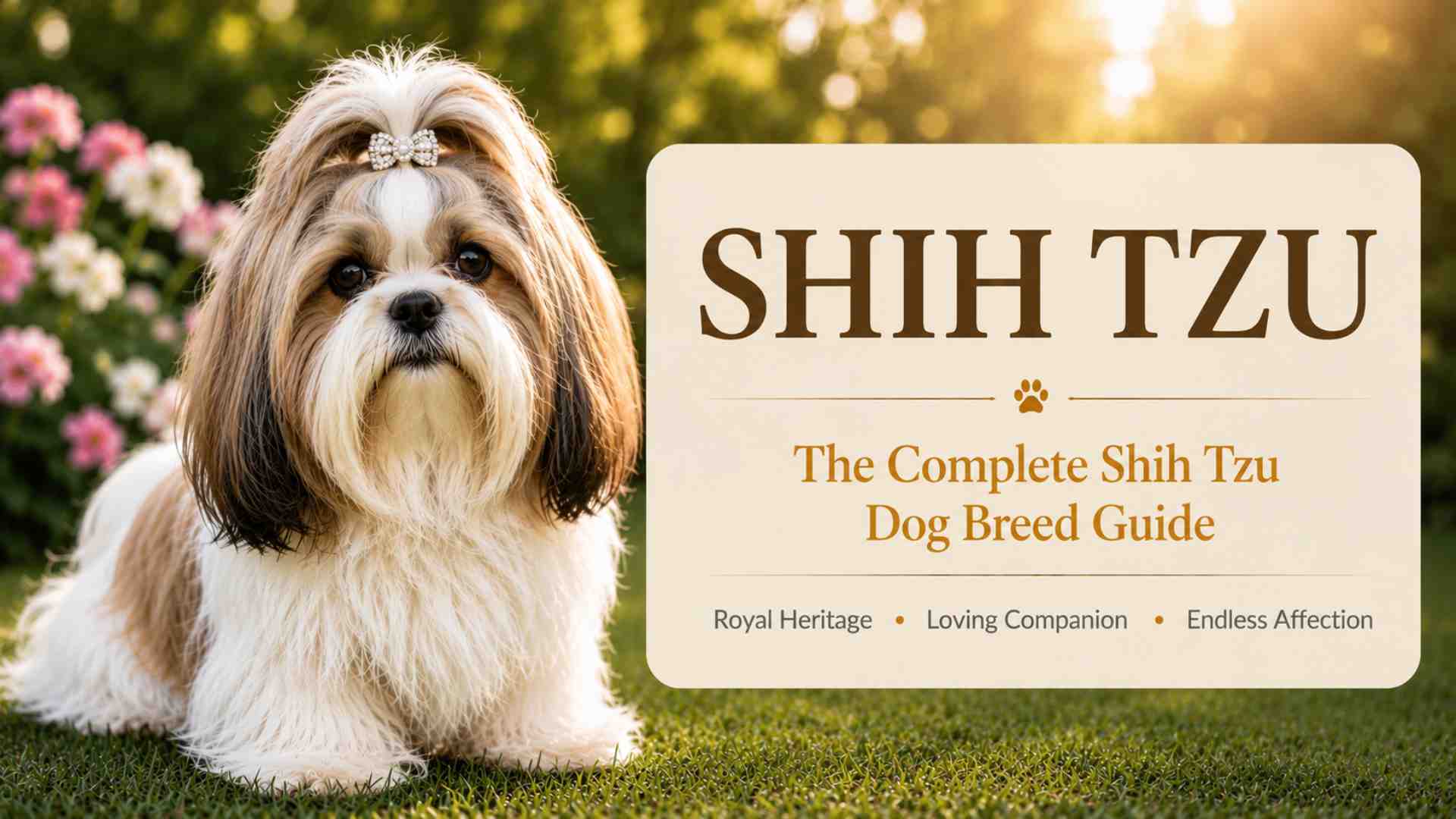
Few dog breeds have a history as rich—or a personality as charming—as the Shih Tzu. Originally bred to be cherished companions of Chinese royalty, these affectionate little dogs have spent centuries doing exactly what they do best: bringing joy, comfort, and unwavering companionship to the people who love them. With their flowing coat, expressive eyes, and cheerful disposition, it’s easy to see why the Shih Tzu remains one of the world’s most popular companion breeds.
Despite their regal heritage, Shih Tzus are remarkably down-to-earth family dogs. They thrive on human companionship and are happiest when they’re included in everyday life, whether that’s greeting visitors at the front door, joining you for a leisurely stroll, playing with children, or curling up on your lap after a busy day. Their adaptable nature allows them to flourish in apartments, condominiums, and larger homes alike.
The Shih Tzu’s calm temperament, moderate exercise needs, and friendly personality make it an excellent choice for first-time dog owners, families, retirees, and anyone looking for a devoted companion. They generally get along well with children, other dogs, and even cats when properly socialized, and they have a wonderful ability to brighten even the quietest household.
Like every breed, however, the Shih Tzu has unique care requirements. Their luxurious coat requires regular grooming, and prospective owners should understand the health considerations associated with this brachycephalic (short-muzzled) breed. With proper care, excellent nutrition, routine veterinary attention, and plenty of love, Shih Tzus often enjoy long, happy lives filled with affection and companionship.
In this comprehensive guide, you’ll discover everything you need to know about the Shih Tzu, including personality, appearance, grooming, training, exercise, nutrition, health, apartment living, adoption, and how to choose a responsible breeder. Whether you’re considering adding one to your family or simply want to learn more about this delightful breed, you’ve come to the right place.
Quick Breed Snapshot
| Breed Group | Toy Group |
|---|---|
| Height | 9–10.5 inches (23–27 cm) |
| Weight | 9–16 pounds (4–7 kg) |
| Life Expectancy | 10–18 years |
| Energy Level | Low to Moderate ⭐⭐⭐☆☆ |
| Exercise Needs | 20–40 minutes daily |
| Trainability | Very Good ⭐⭐⭐⭐☆ |
| Affection Level | Exceptional ⭐⭐⭐⭐⭐ |
| Good with Children | Excellent ⭐⭐⭐⭐⭐ |
| Good with Other Pets | Excellent ⭐⭐⭐⭐⭐ |
| Apartment Friendly | Excellent ⭐⭐⭐⭐⭐ |
| Good for Seniors | Excellent ⭐⭐⭐⭐⭐ |
| Shedding | Low ⭐⭐☆☆☆ |
| Grooming Needs | High ⭐⭐⭐⭐⭐ |
| Barking | Low to Moderate ⭐⭐☆☆☆ |
| Best For | Families, seniors, apartment dwellers, first-time dog owners, and anyone seeking a loving, affectionate companion. |
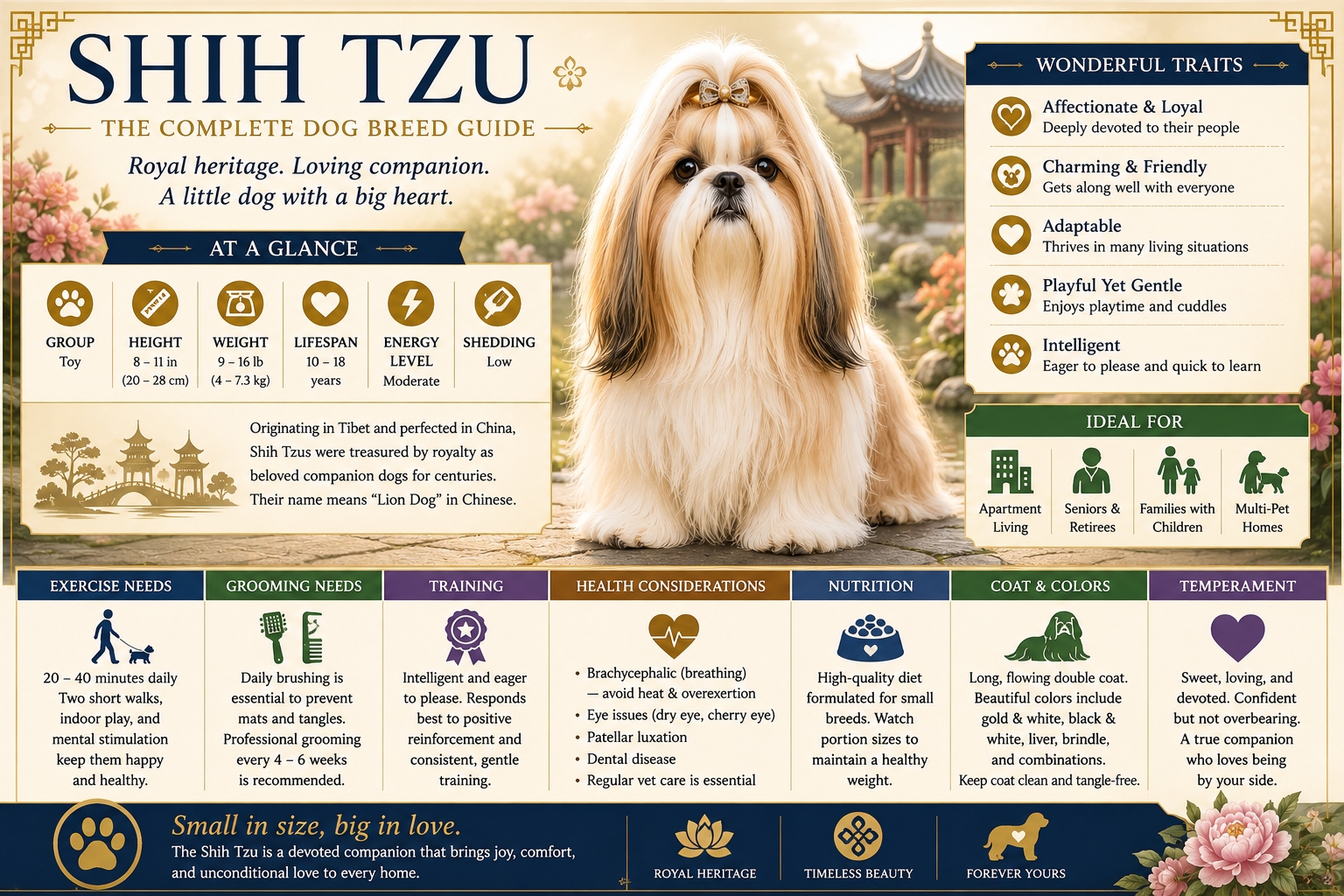
At a Glance: The Shih Tzu is a friendly, affectionate companion that was bred to be a lap dog for Chinese royalty. Calm, adaptable, and wonderfully people-oriented, this charming breed thrives in apartments and family homes alike, provided it receives regular grooming, loving companionship, and routine veterinary care.
Page Menu
About the Shih Tzu

The Shih Tzu is one of the oldest and most beloved companion dog breeds in the world. Bred centuries ago to live alongside Chinese emperors and nobility, these charming little dogs were never intended to hunt, herd, or guard. Their purpose was much simpler—and far more rewarding—to provide companionship, affection, and unwavering devotion to the people they loved. Today, they continue to excel in that role, earning a reputation as one of the finest companion breeds available.
Compact, sturdy, and full of personality, the Shih Tzu combines elegance with an easygoing nature. They are equally content accompanying their owners on a leisurely walk through the neighborhood or spending the afternoon relaxing on the sofa. Their adaptable temperament allows them to thrive in apartments, condominiums, suburban homes, and even larger rural properties, provided they receive plenty of attention and companionship.
One of the Shih Tzu’s greatest strengths is its exceptionally friendly disposition. These dogs are naturally affectionate and generally enjoy meeting new people, making friends with visitors, and spending time with children and other pets. Unlike some toy breeds that become intensely attached to a single owner, Shih Tzus often form close bonds with everyone in the household, happily sharing their love with the entire family.
The breed’s luxurious double coat and distinctive “chrysanthemum face” make it instantly recognizable. Their long, flowing hair can be grown into a stunning show coat or trimmed into a practical puppy cut that greatly reduces daily grooming requirements. Regardless of hairstyle, the Shih Tzu’s expressive dark eyes and cheerful personality are impossible to miss.
Although they are playful and curious, Shih Tzus are not high-energy dogs. Their moderate exercise needs make them ideal for busy families, retirees, and first-time dog owners who want an affectionate companion without the demands of a highly active breed. A couple of short walks, indoor play sessions, and plenty of interaction with their family are usually enough to keep them happy and healthy.
Prospective owners should understand that, like many brachycephalic (short-muzzled) breeds, Shih Tzus can be sensitive to hot weather and may be predisposed to certain health conditions. Choosing a puppy from a responsible breeder—or adopting through a reputable rescue—and providing regular veterinary care are important steps toward helping your Shih Tzu enjoy a long, comfortable life.
For people seeking a loving, adaptable, and endlessly devoted companion, few breeds can match the warmth, charm, and joyful personality of the Shih Tzu.
Shih Tzu Personality & Temperament
 The Shih Tzu was bred for one purpose above all else—to be a devoted companion—and it shows in every aspect of the breed’s personality. Affectionate, friendly, and delightfully charming, Shih Tzus genuinely enjoy being around people and thrive when they are included in everyday family life. Whether they’re following you from room to room, greeting visitors at the door, or curling up beside you for an evening on the couch, these little dogs simply love being close to their people.
Unlike some toy breeds that can be nervous or overly protective, the Shih Tzu is generally confident, outgoing, and welcoming. Most are happy to meet new people and quickly make friends with visitors. Their cheerful disposition makes them wonderful companions for families, singles, retirees, and first-time dog owners alike.
Shih Tzus are playful without being hyperactive. They enjoy interactive games, short walks, and spending time outdoors, but they don’t require hours of vigorous exercise to stay happy. After a little activity, they’re usually more than content to relax indoors, making them ideal companions for apartment living or quieter households.
One of the breed’s greatest strengths is its adaptability. Shih Tzus typically get along well with respectful children and usually coexist peacefully with other dogs and even cats when properly introduced. Their easygoing nature allows them to adjust well to many different lifestyles, provided they receive the love and attention they crave.
Although intelligent, Shih Tzus also have an independent streak that reflects their royal heritage. They sometimes prefer to do things on their own timetable, so patience and positive reinforcement are essential during training. Fortunately, their desire to please and love of treats usually make training both enjoyable and rewarding.
Because they form strong emotional bonds with their families, Shih Tzus don’t enjoy being left alone for long periods. Extended isolation can lead to boredom or separation anxiety in some individuals. They are happiest in homes where someone is present for much of the day or where they can accompany their owners on outings whenever possible.
Personality Highlights
- Exceptionally affectionate and people-oriented.
- Friendly with strangers and visitors.
- Gentle and patient with respectful children.
- Generally gets along well with other pets.
- Playful but not overly energetic.
- Adaptable to apartments and many different lifestyles.
- Loves companionship and dislikes being left alone for long periods.
For anyone seeking a loyal, cheerful, and loving companion with a gentle personality and centuries of experience as a lap dog, the Shih Tzu is difficult to surpass. Their affectionate nature and happy outlook on life make them one of the most rewarding small breeds to share your home with.
Shih Tzu Size & Appearance
 The Shih Tzu is a compact, sturdy toy breed with a surprisingly solid build beneath its luxurious coat. Although small enough to fit comfortably on your lap, these little dogs are well-balanced and confident, carrying themselves with a proud, dignified gait that reflects their royal heritage.
Adult Shih Tzus typically stand between 9 and 10.5 inches (23–27 cm) at the shoulder and weigh between 9 and 16 pounds (4–7 kg). They should feel sturdy and well-proportioned rather than delicate, making them more robust than many people expect from a toy breed.
One of the Shih Tzu’s most recognizable features is its distinctive face. Large, round, dark eyes radiate warmth and intelligence, while the breed’s short muzzle and characteristic “chrysanthemum face”—created by facial hair growing outward in multiple directions—give the breed its unmistakable expression. Long, heavily feathered ears blend seamlessly into the surrounding coat, adding to the breed’s elegant appearance.
The Shih Tzu’s double coat is long, dense, and silky when properly maintained. In the show ring, the coat flows gracefully to the ground, but many pet owners choose a practical “puppy cut” that is easier to care for while still preserving the breed’s adorable appearance. Regardless of coat length, regular grooming is essential to keep the coat healthy and free of mats.
One of the delightful characteristics of the Shih Tzu is the tremendous variety of coat colors. Nearly every color and color combination is accepted, including:
- Gold and White
- Black and White
- Liver and White
- Brindle and White
- Solid Gold
- Solid Black
- Solid White
- Blue
- Silver
- Numerous beautiful combinations of these colors
The breed’s tail is another distinctive feature. Set high and carried gracefully over the back, it is heavily feathered and contributes to the Shih Tzu’s proud, elegant silhouette. Combined with their flowing coat and confident movement, Shih Tzus possess an unmistakable presence that has captivated dog lovers for centuries.
Whether dressed in a full show coat or a low-maintenance trim, the Shih Tzu remains one of the most attractive and recognizable companion breeds in the world. Their charming expression, luxurious coat, and sturdy little body perfectly complement their affectionate personality.
Shih Tzu Photo Gallery
With their flowing coat, expressive eyes, and unmistakable “chrysanthemum face,” Shih Tzus are among the most recognizable and photogenic of all small dog breeds. Their cheerful personality shines through in every expression, whether they’re relaxing at home, enjoying a walk, or happily greeting family and friends.
The gallery below highlights the beauty, versatility, and charm of the Shih Tzu in a variety of everyday situations. You’ll also see the incredible diversity of coat colors that makes this breed so unique. From elegant show coats to practical puppy cuts, every Shih Tzu shares the same affectionate temperament and love of human companionship.
Throughout this guide you’ll find photographs featuring many aspects of Shih Tzu life, including:
- Beautiful adult Shih Tzus in a variety of coat colors
- Adorable Shih Tzu puppies
- Everyday family life
- Apartment living
- Training sessions
- Professional grooming
- Routine veterinary care
- Daily exercise and walks
- Life with seniors
- Responsible breeding and adoption
- Close-up portraits highlighting the breed’s distinctive expression
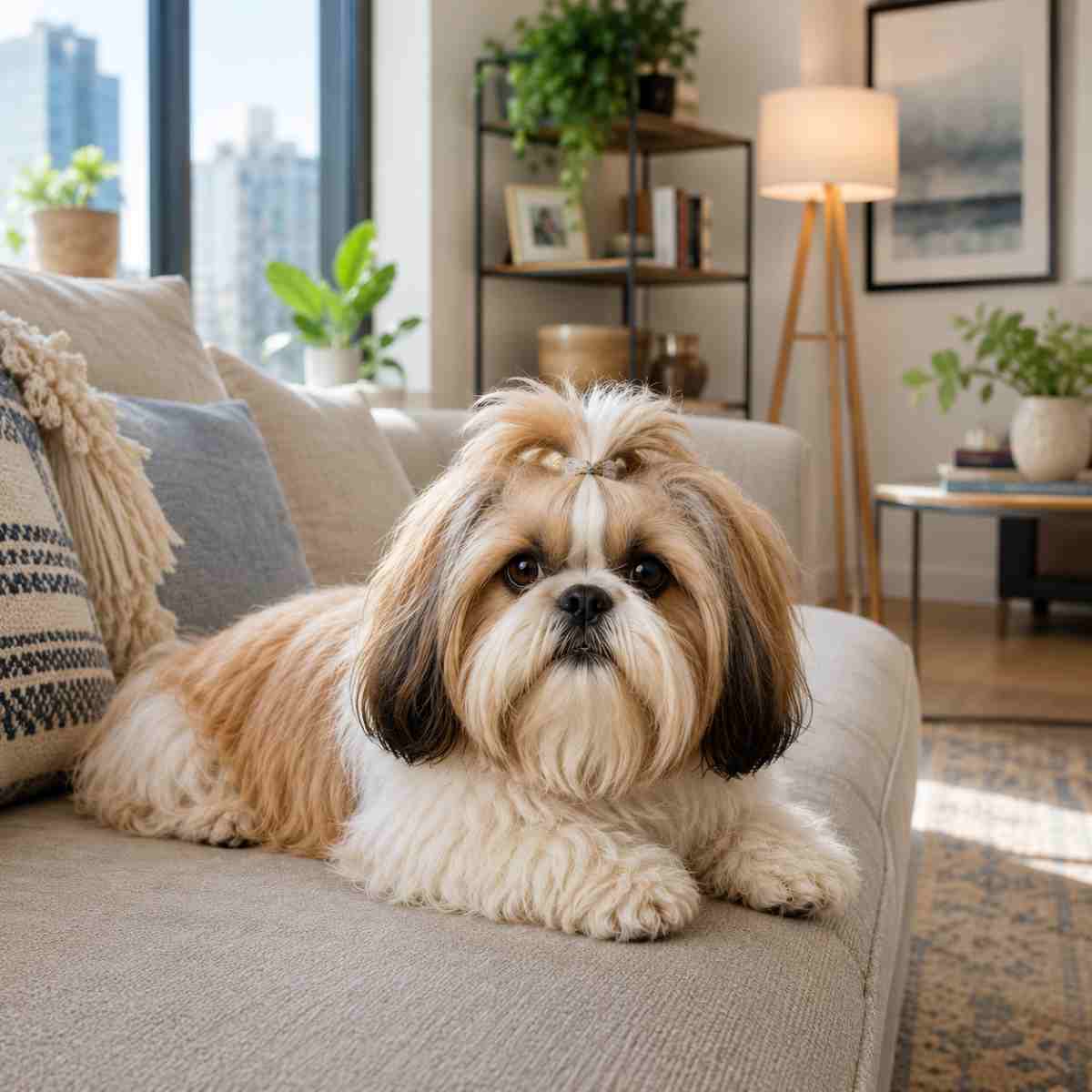
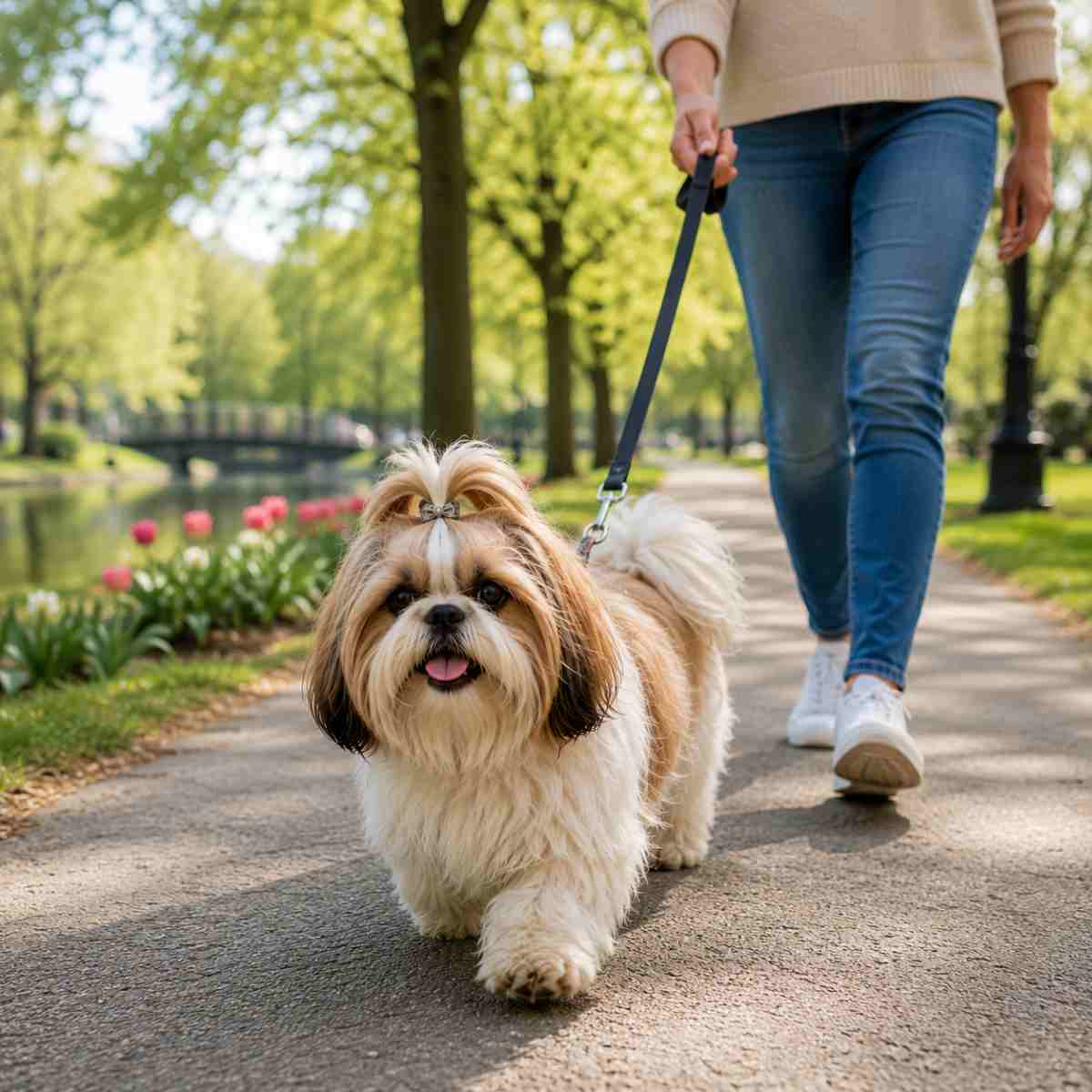
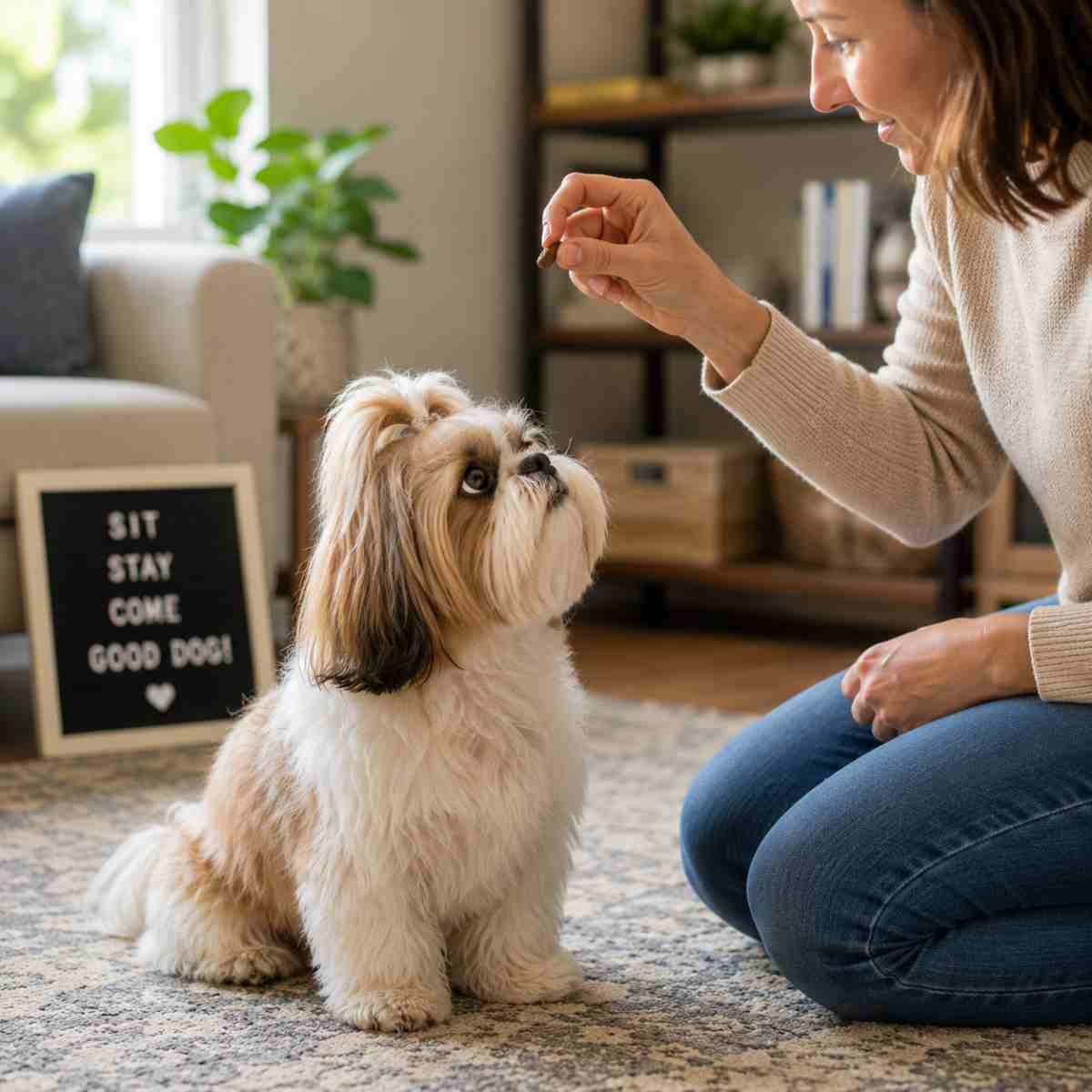
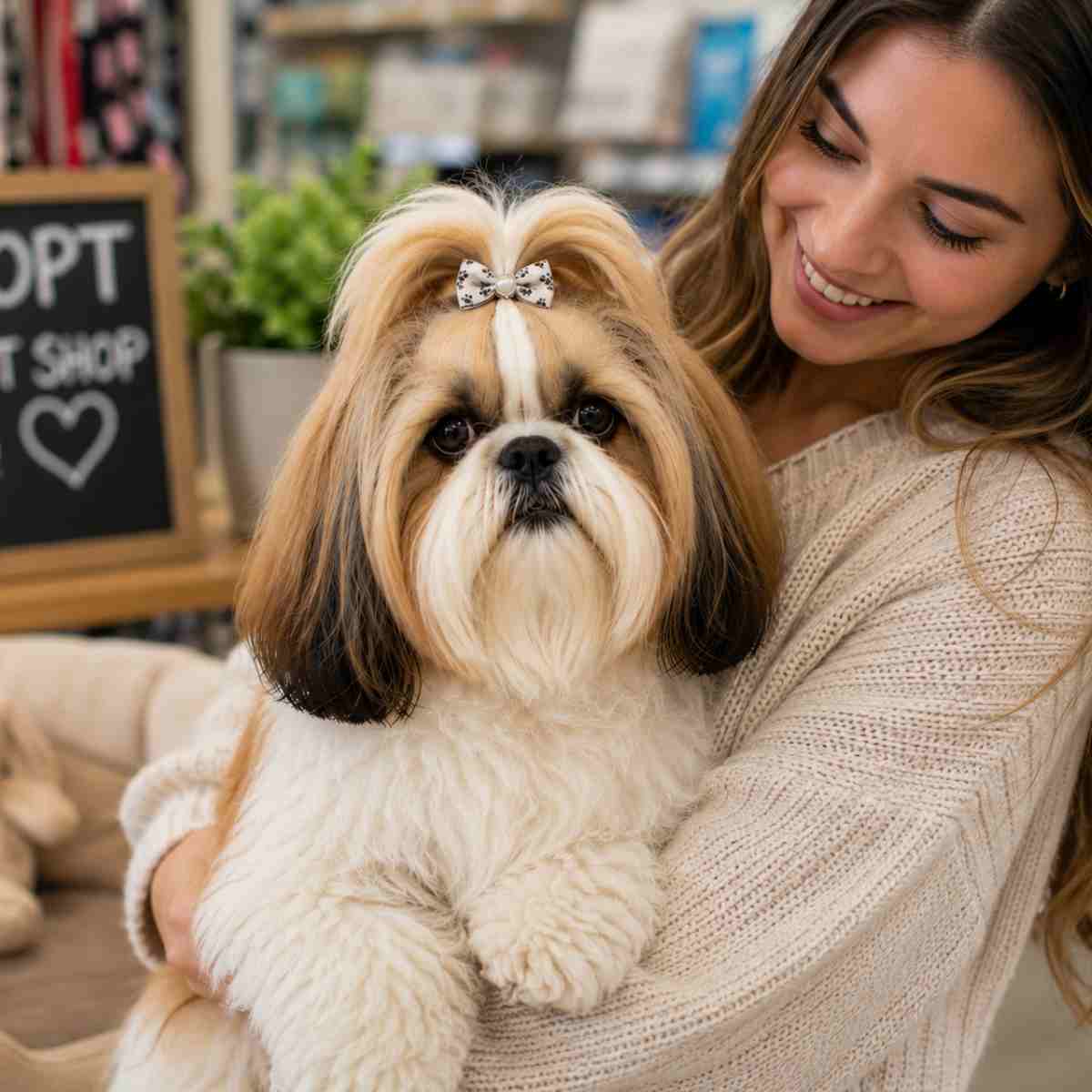
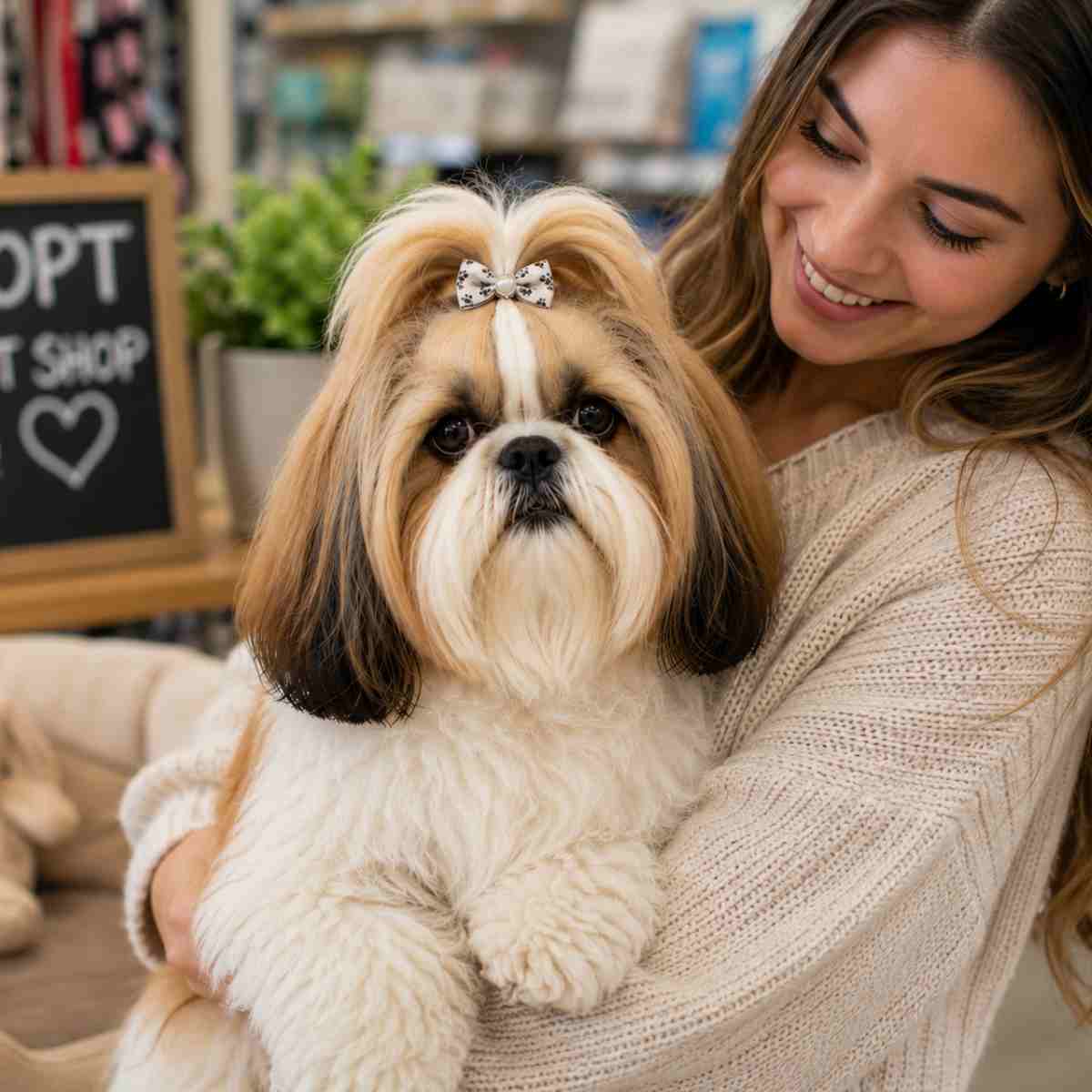
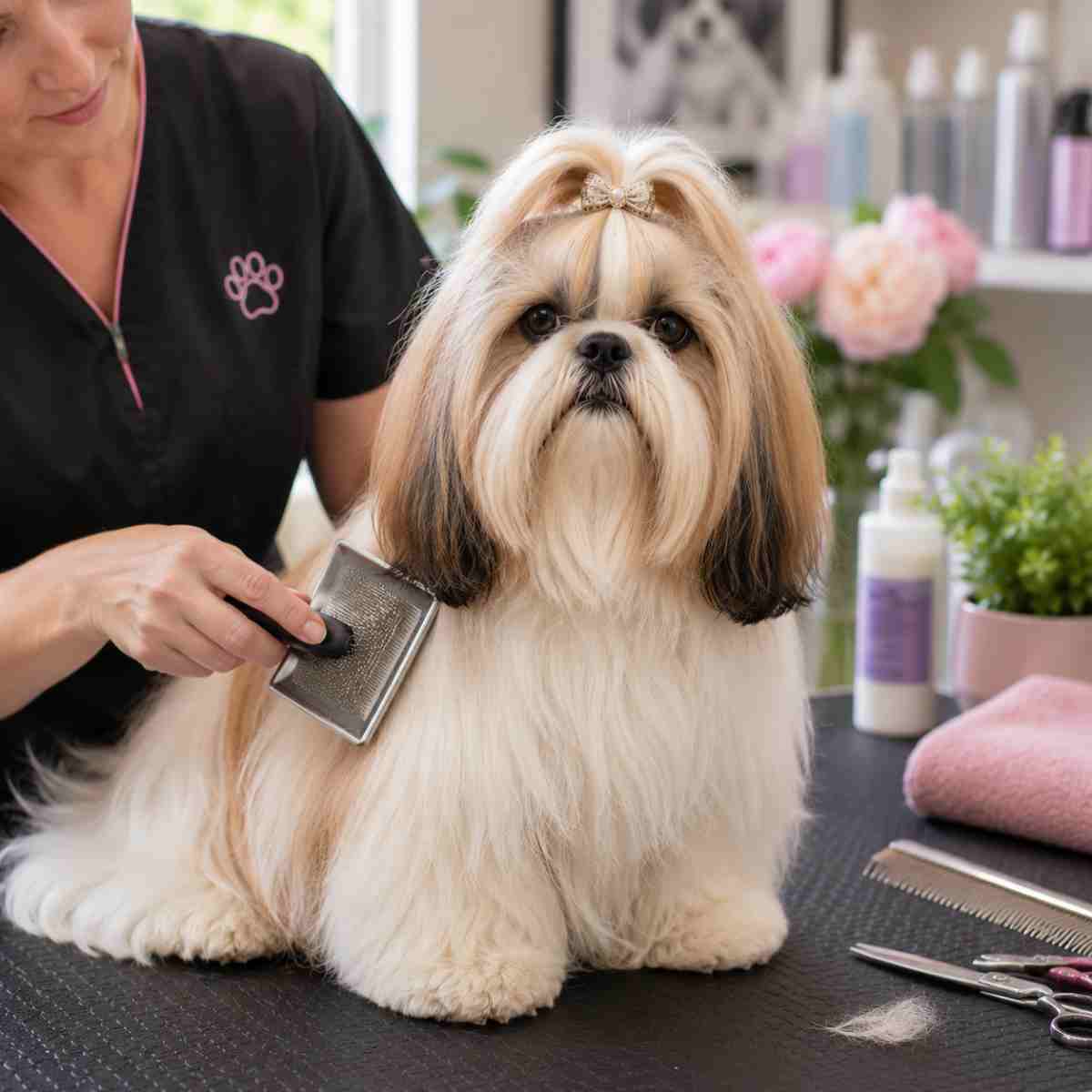
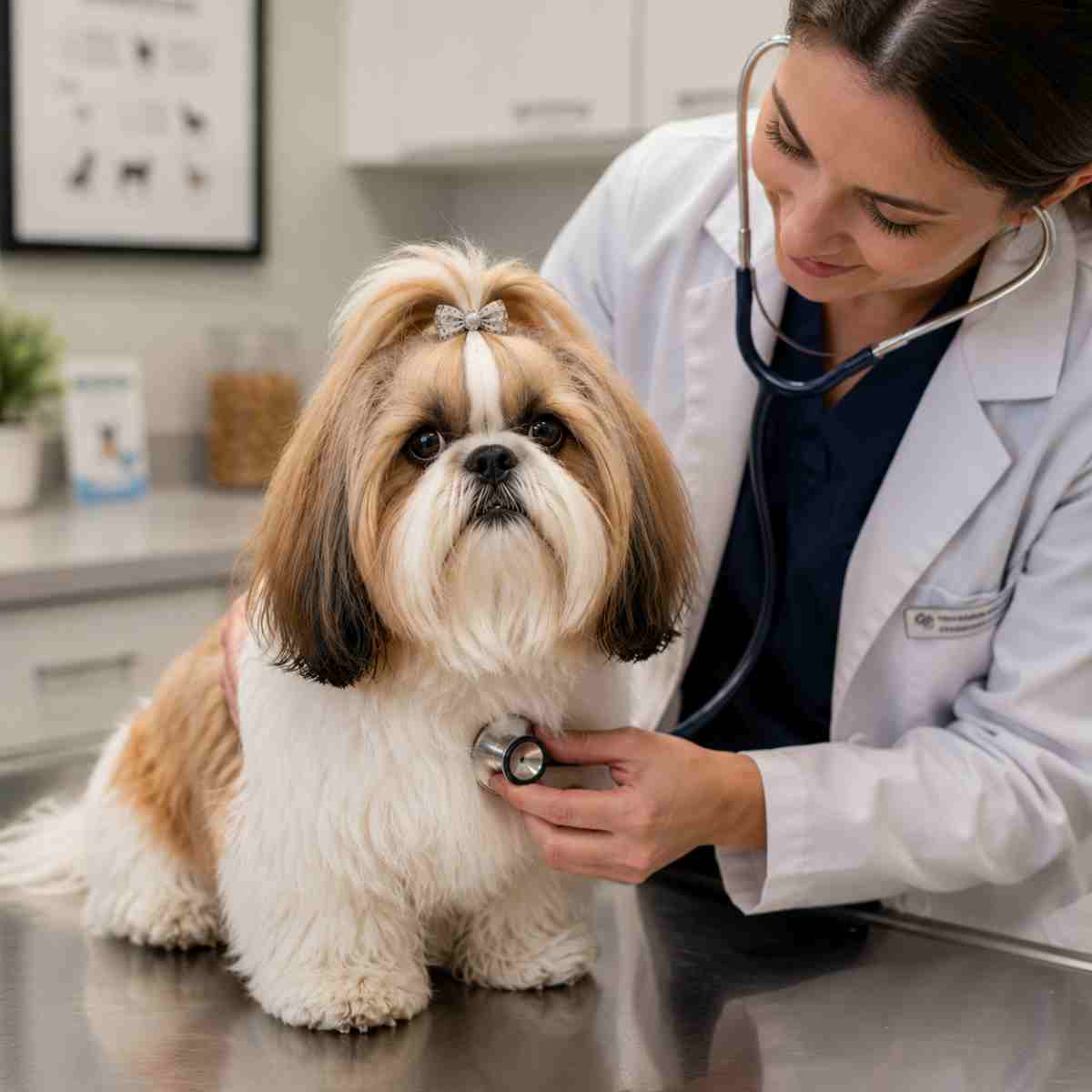
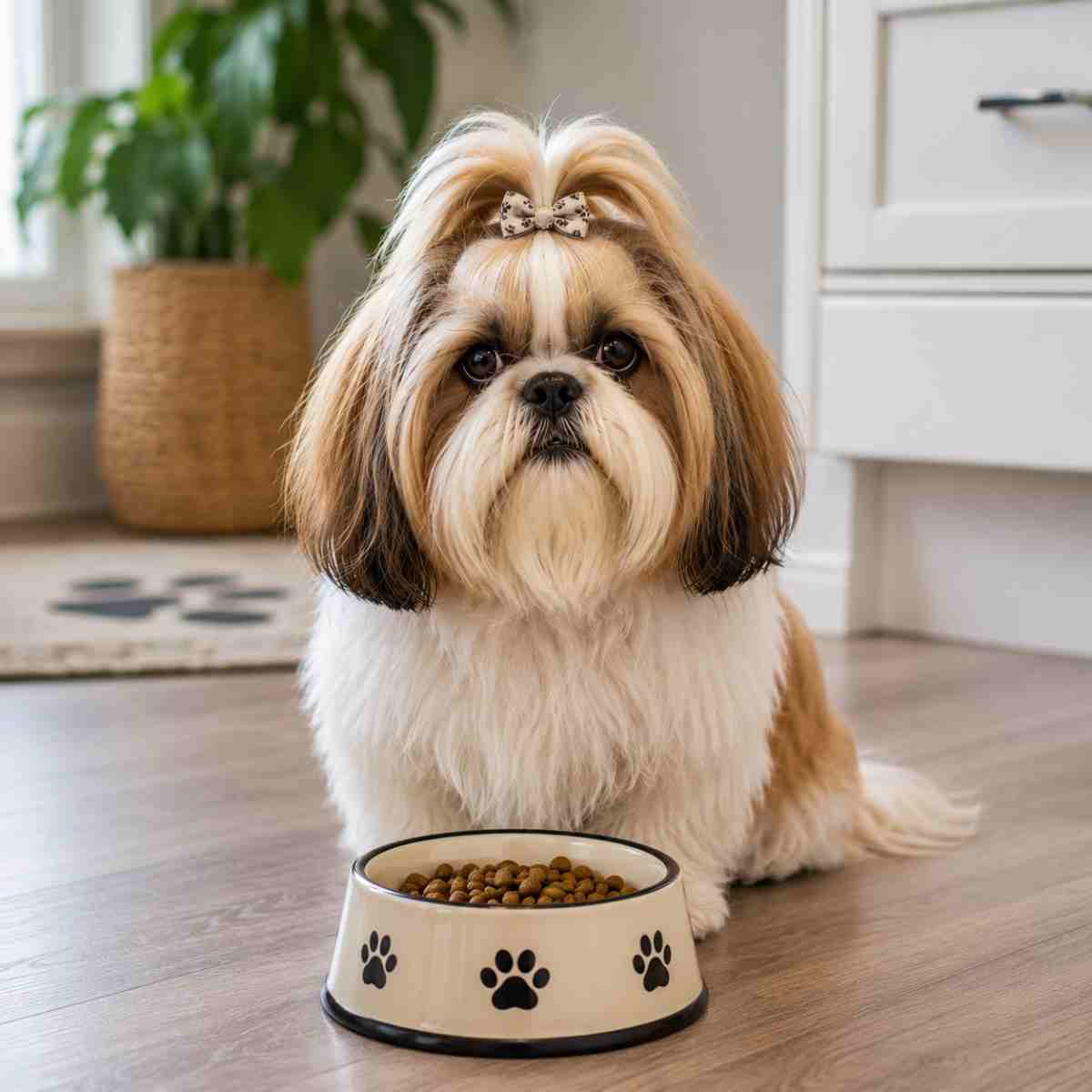
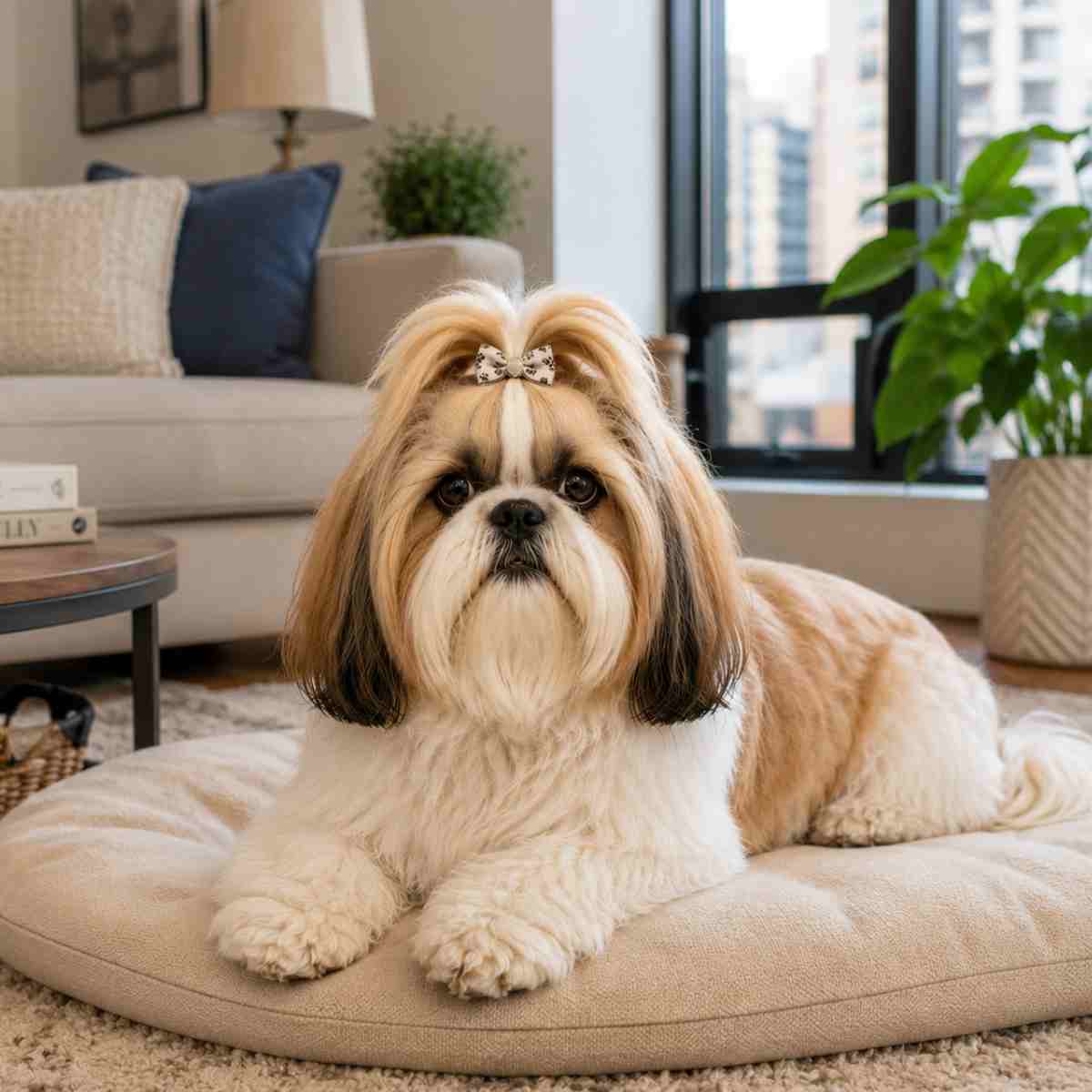
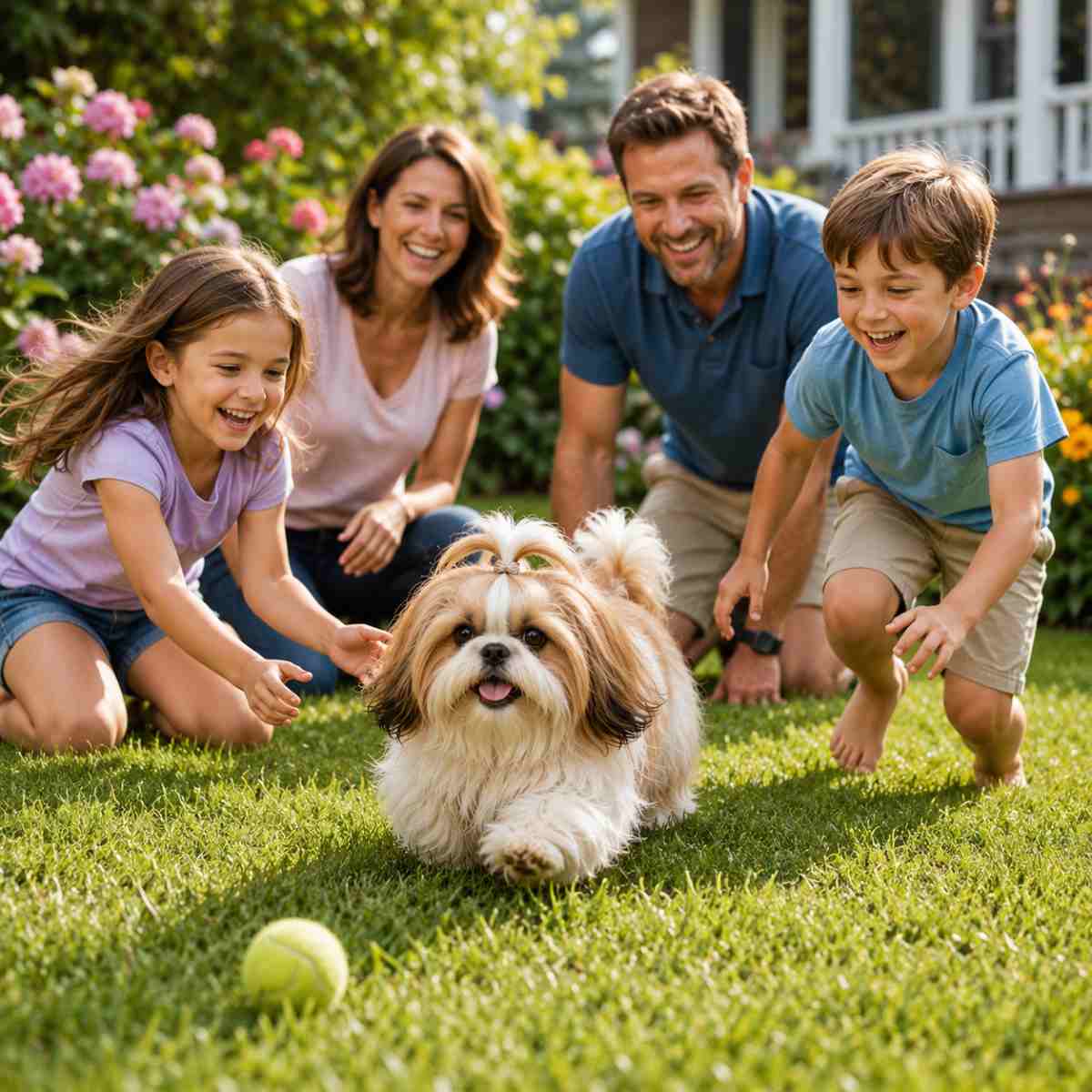
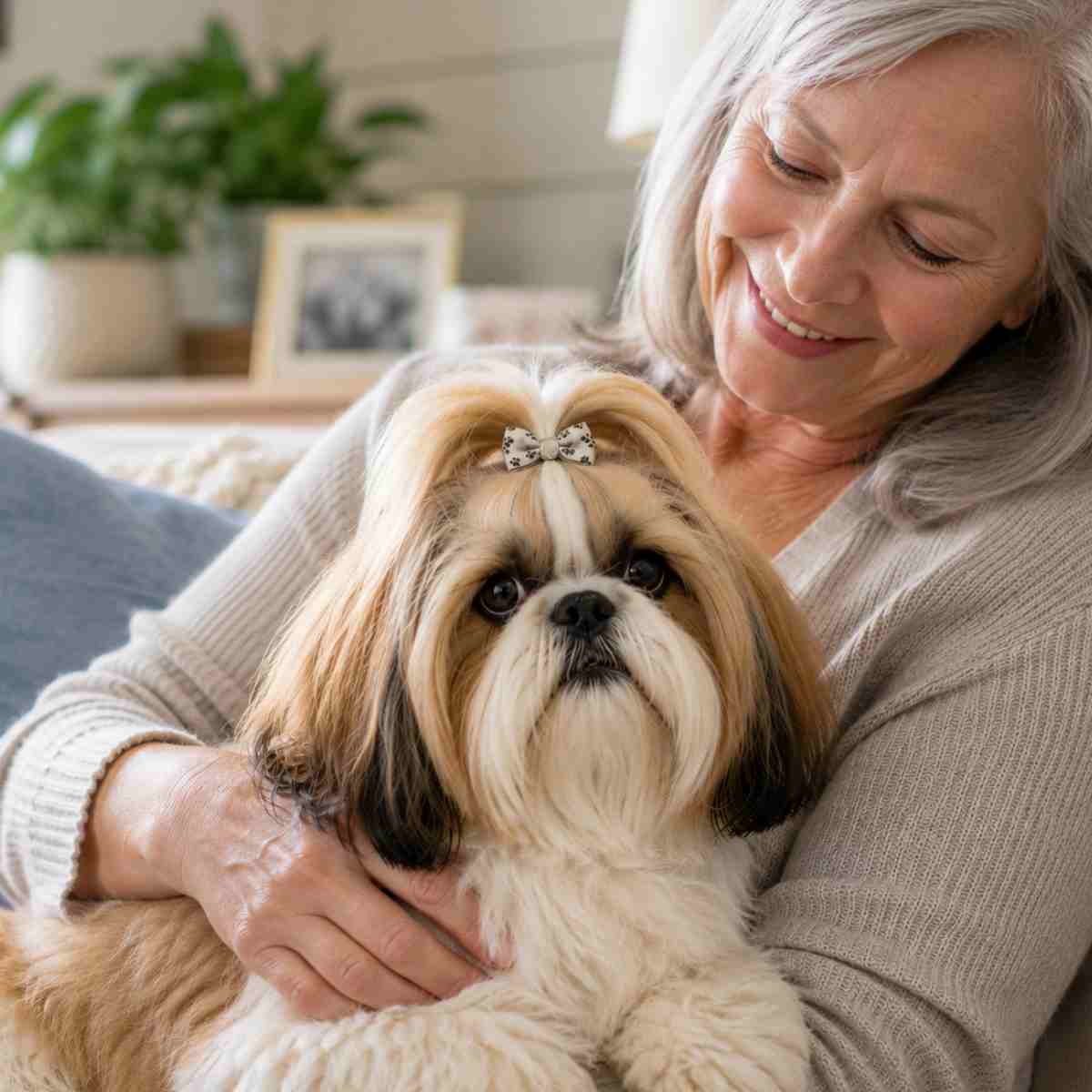
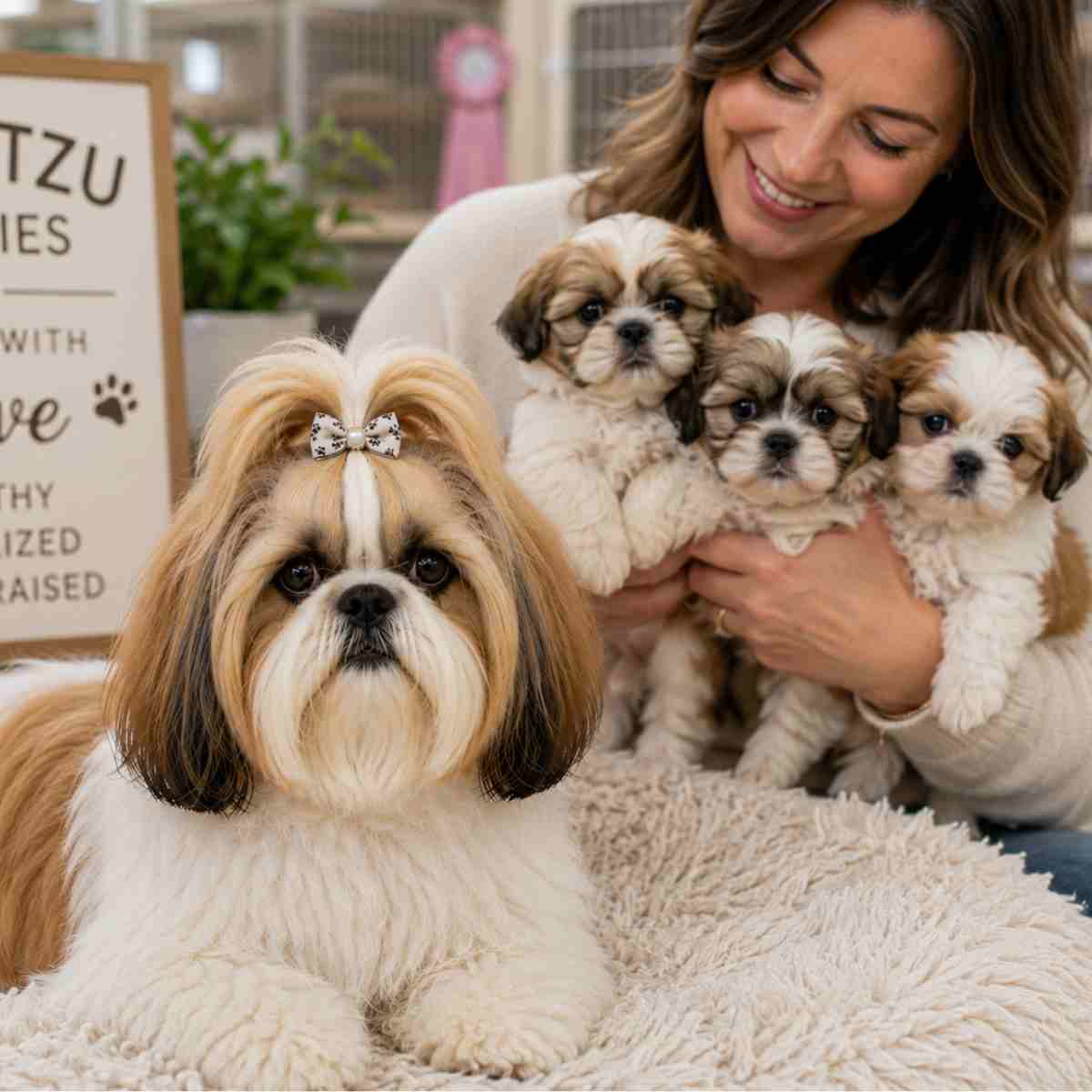
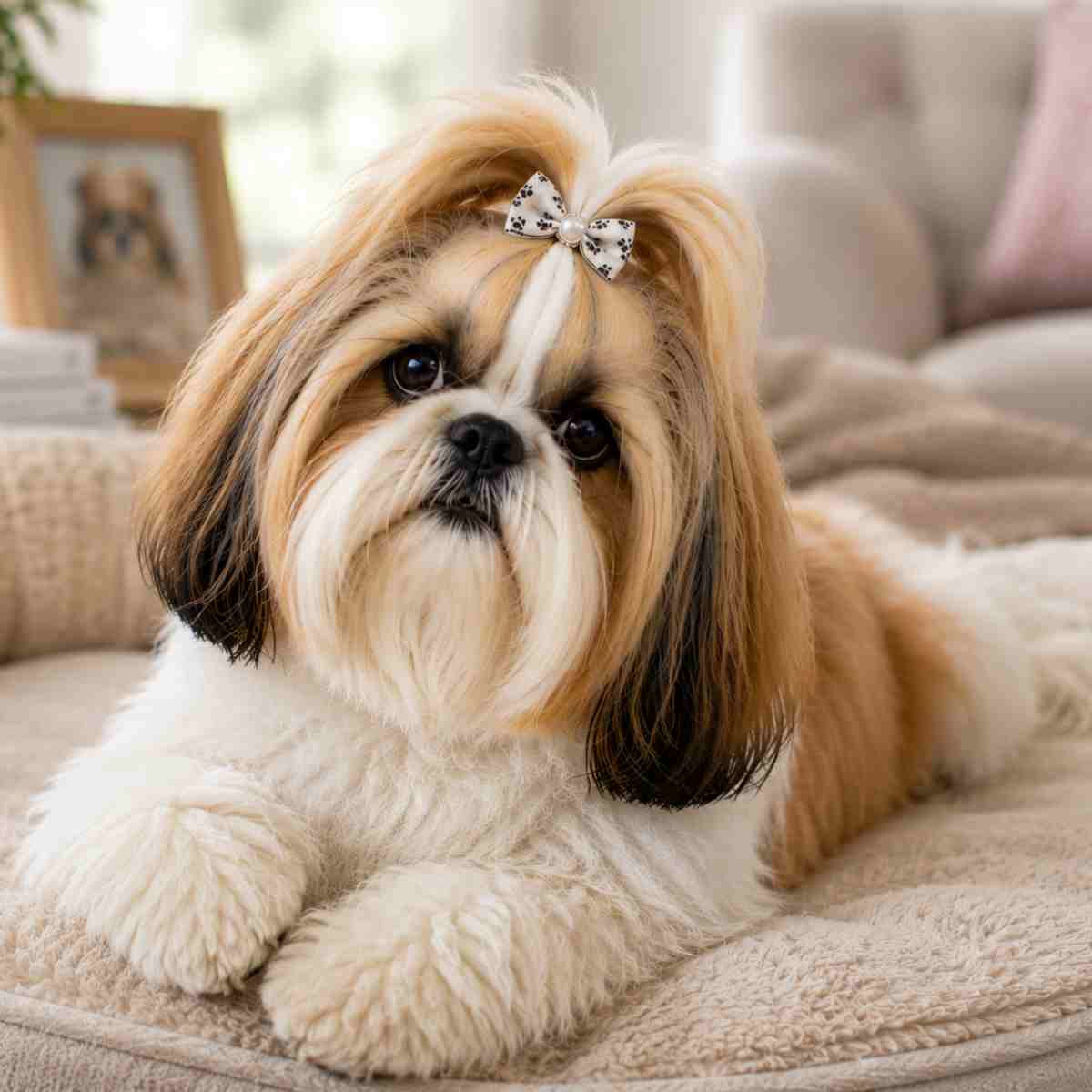
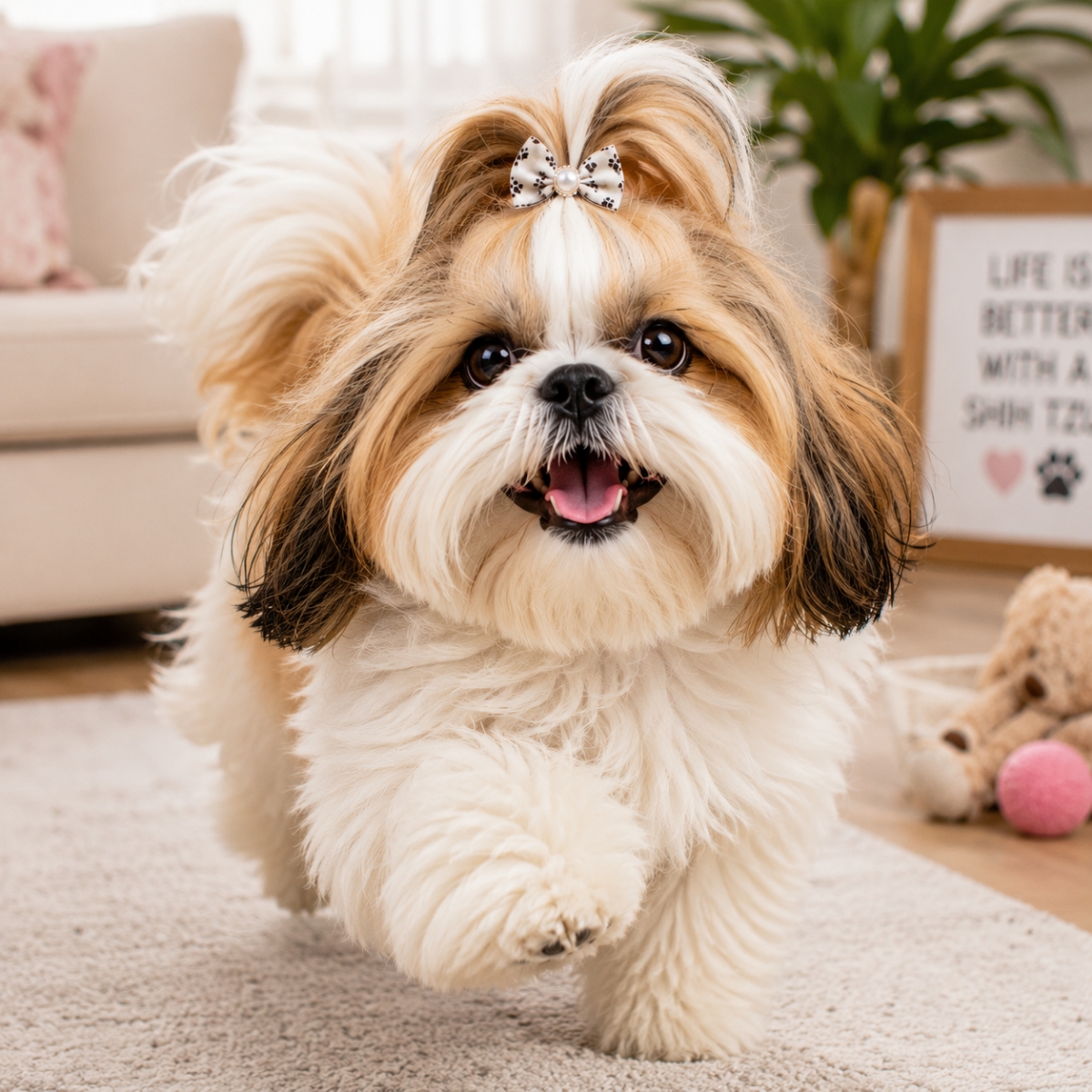
Although coat colors, hairstyles, and individual personalities vary from dog to dog, every Shih Tzu shares the qualities that have made this breed a treasured companion for centuries: affection, confidence, adaptability, and an unwavering devotion to the people they love.
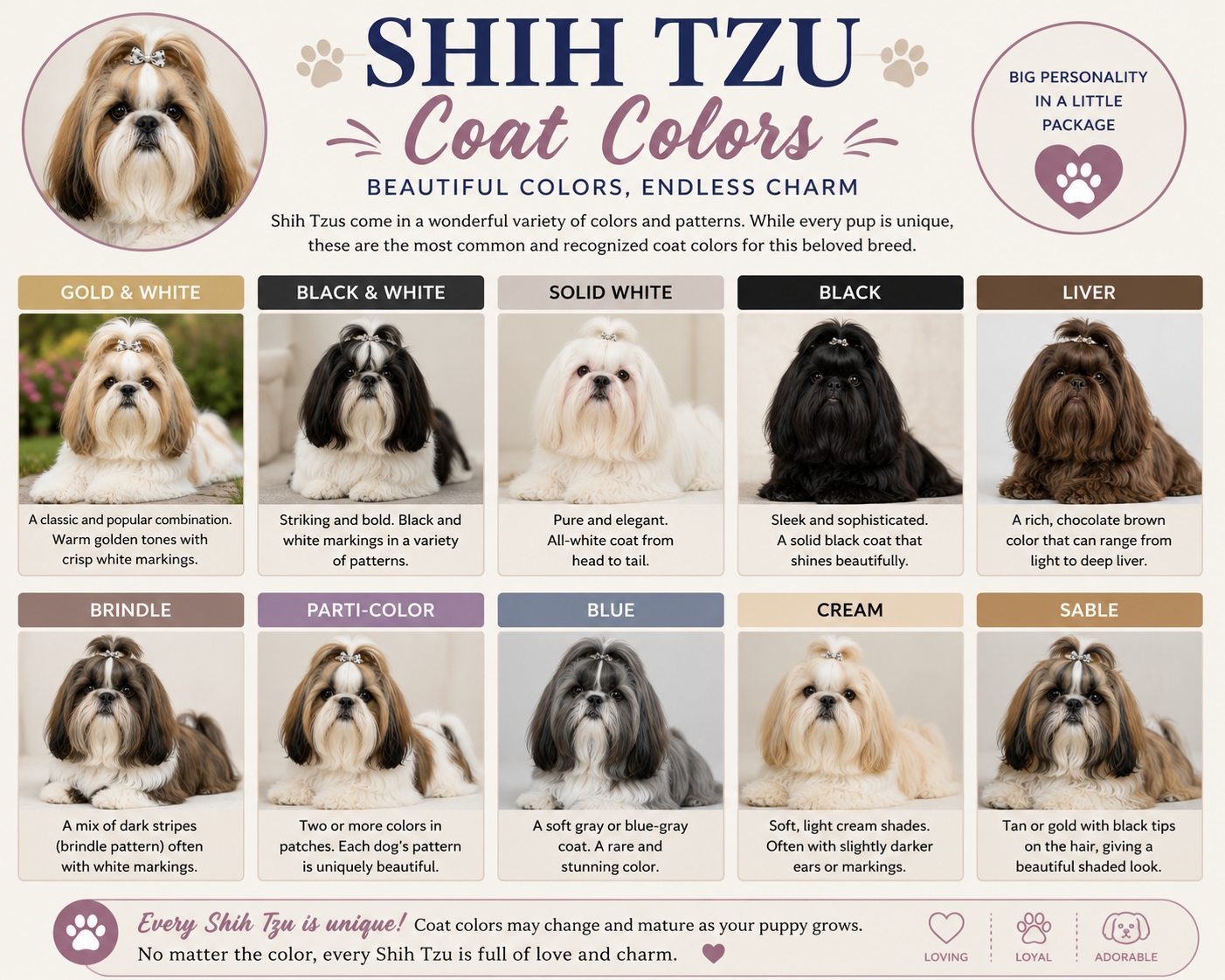
Shih Tzu Colors & Coat Types
One of the Shih Tzu’s most striking features is its luxurious double coat. Long, flowing, and silky, the coat was originally developed to protect these little companion dogs from the cool mountain climate of Tibet before the breed became a treasured favorite in the imperial courts of China. Today, it remains one of the breed’s defining characteristics and one of the reasons Shih Tzus are admired around the world.
The Shih Tzu has a dense double coat consisting of a soft undercoat and a longer, silky outer coat. When left to grow naturally, the coat can reach the floor, creating the elegant appearance seen in show dogs. Many pet owners, however, choose a practical puppy cut or teddy bear trim, which is much easier to maintain while still preserving the breed’s adorable expression.
Unlike many breeds that have only a handful of accepted colors, the Shih Tzu comes in an astonishing variety of coat colors and patterns. Virtually every color and combination is accepted by major kennel clubs, making each Shih Tzu beautifully unique.
Common Shih Tzu Coat Colors
- Gold and White
- Black and White
- Brindle and White
- Liver and White
- Silver and White
- Red and White
- Solid Gold
- Solid Black
- Solid White
- Solid Liver
- Blue
- Numerous multicolored combinations
Many Shih Tzus also have distinctive facial markings that give each dog its own unique character. Puppies often change color as they mature, with coats becoming lighter or developing richer tones during the first few years of life. This gradual color change is completely normal and adds to the breed’s charm.
Coat Care
Because the Shih Tzu’s hair grows continuously, regular grooming is essential. Daily brushing is recommended for dogs kept in a full coat to prevent tangles and mats. Dogs in a puppy cut usually require brushing several times per week, making coat maintenance much more manageable for many families.
Professional grooming every six to eight weeks helps maintain a neat appearance while keeping the coat comfortable and healthy. Regular bathing, careful drying, and trimming around the eyes, feet, and sanitary areas also contribute to the breed’s overall health and wellbeing.
Despite their abundant coat, Shih Tzus are considered a relatively low-shedding breed. Loose hairs often become trapped within the coat rather than falling onto furniture and clothing, which is one reason the breed is often recommended for people seeking a cleaner household. However, no dog breed is truly hypoallergenic, and people with allergies should spend time around the breed before making a decision.
Whether dressed in a magnificent show coat or a practical puppy trim, the Shih Tzu’s luxurious hair remains one of the breed’s most recognizable and admired features. Combined with their sweet expression and cheerful personality, it gives them an elegance that few other companion breeds can match.
Shih Tzu Exercise Needs
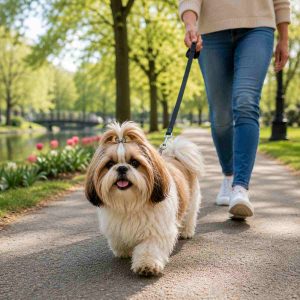 Although the Shih Tzu was bred to be a companion rather than a working dog, regular exercise is still essential for maintaining good physical health, mental stimulation, and a healthy weight. Fortunately, the breed’s exercise requirements are modest, making the Shih Tzu an excellent choice for busy families, apartment dwellers, and seniors alike.
Most healthy adult Shih Tzus do well with approximately 20 to 40 minutes of exercise each day. This can be divided into two short walks combined with indoor play sessions, games of fetch, or interactive toys. Unlike high-energy breeds, Shih Tzus don’t require long runs or vigorous workouts to stay content.
While they enjoy exploring outdoors, Shih Tzus are equally happy entertaining themselves indoors with toys or spending time with their families. Their playful personality often shines during short bursts of activity followed by long periods of relaxation. This balanced energy level is one of the reasons they adapt so well to apartment living.
Because Shih Tzus are a brachycephalic (short-muzzled) breed, owners should take special care during warm weather. Their shortened airways make them less efficient at cooling themselves, increasing the risk of overheating. During hot or humid conditions, walks should be scheduled during the cooler morning or evening hours, and strenuous exercise should be avoided.
Mental stimulation is just as important as physical activity. Shih Tzus enjoy learning simple tricks, solving puzzle toys, scent games, and participating in short training sessions. These activities help prevent boredom while strengthening the bond between dog and owner.
Puppies benefit from several short play sessions throughout the day rather than prolonged walks, while senior Shih Tzus often appreciate slower-paced outings that accommodate aging joints and changing energy levels.
Great Activities for Shih Tzus
- Short neighborhood walks
- Indoor games and interactive play
- Puzzle feeders and treat-dispensing toys
- Basic obedience and trick training
- Gentle games of fetch
- Exploring safely fenced yards
- Dog-friendly social outings
- Short sniffing adventures that encourage natural curiosity
With moderate daily exercise, plenty of companionship, and opportunities to engage both their body and mind, the Shih Tzu remains a happy, healthy, and well-balanced companion throughout every stage of life.
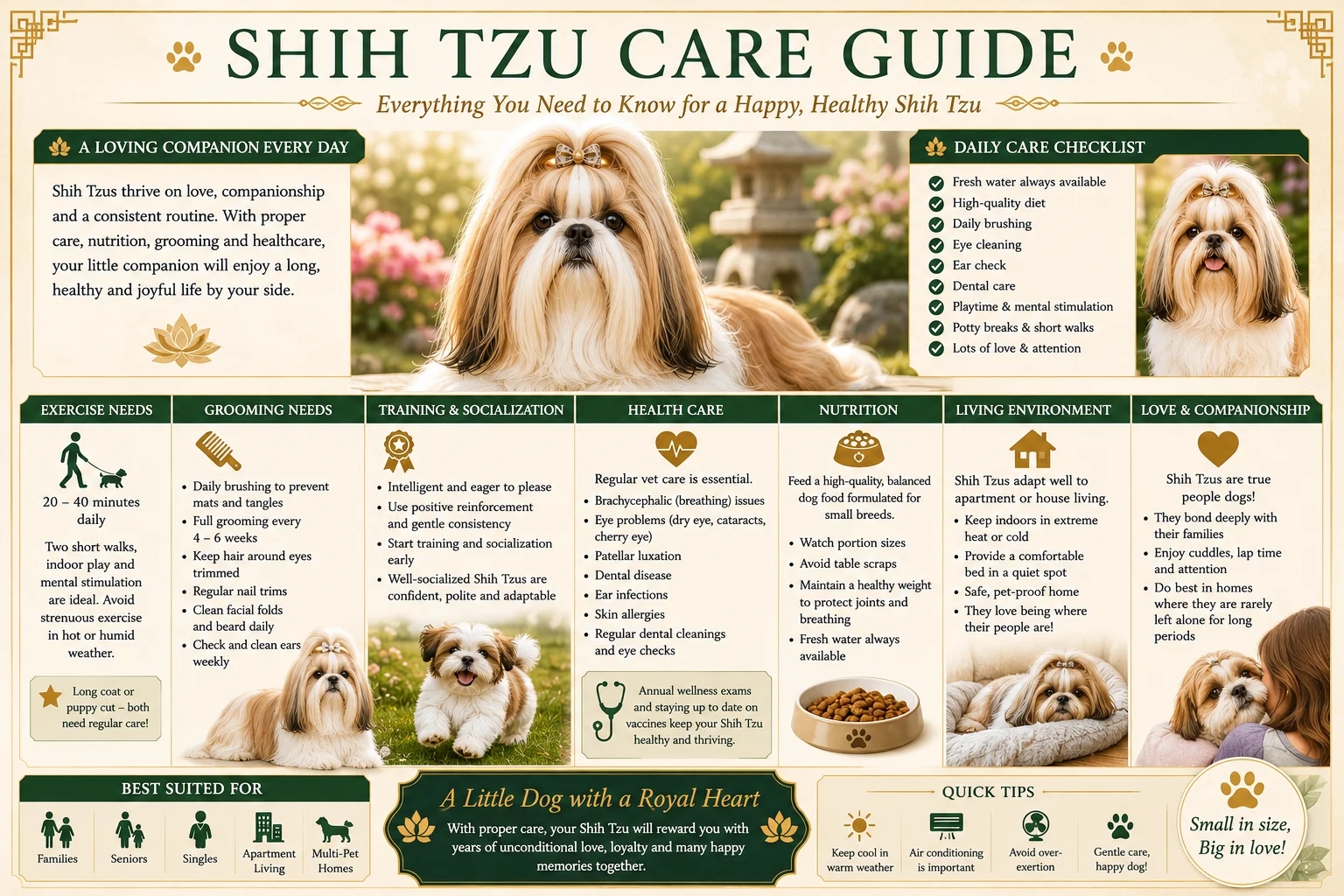
Training a Shih Tzu
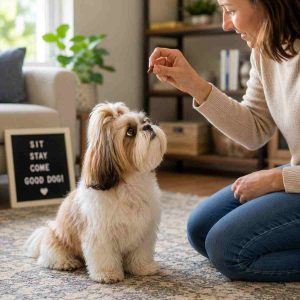 The Shih Tzu is an intelligent and affectionate breed that generally enjoys learning, especially when training is positive, rewarding, and fun. Although they were bred as companion dogs rather than working dogs, Shih Tzus are capable learners that respond well to patience, consistency, and plenty of praise.
One characteristic owners quickly discover is the Shih Tzu’s independent streak. After centuries of being pampered by royalty, these little dogs sometimes have their own ideas about how—and when—they’d like to do something. Rather than viewing this as stubbornness, it’s helpful to think of the breed as confident and self-assured. Gentle persistence and positive reinforcement almost always produce better results than force or punishment.
Training should begin as soon as your puppy comes home. Early lessons should focus on house training, crate training, leash manners, basic obedience, and positive socialization. Exposing your puppy to a variety of people, sounds, environments, and friendly dogs helps build confidence and encourages a well-adjusted adult companion.
House training can occasionally take a little longer than with some larger breeds, so consistency is essential. Frequent trips outdoors, predictable meal schedules, and generous praise for success help establish good habits. Crate training can also provide your puppy with a safe, comfortable place to relax while supporting the house-training process.
Shih Tzus are highly motivated by treats, toys, and enthusiastic praise. Short training sessions of five to ten minutes are usually more productive than longer lessons, as they keep your dog’s attention focused while preventing boredom. Ending each session on a positive note helps maintain enthusiasm for future learning.
Although Shih Tzus are naturally friendly, continued socialization throughout adulthood remains important. Regular positive experiences with visitors, children, other dogs, and new environments help reinforce the calm, confident temperament for which the breed is known.
Training Tips
- Begin training and socialization at an early age.
- Use positive reinforcement with treats, praise, and play.
- Keep sessions short, enjoyable, and consistent.
- Be patient during house training.
- Introduce your Shih Tzu to a variety of people and environments.
- Avoid harsh corrections or punishment.
- Continue training throughout your dog’s life for valuable mental stimulation.
With kindness, consistency, and a little patience, most Shih Tzus become delightful, well-mannered companions. Their eagerness to spend time with their families makes training an enjoyable experience that strengthens the lifelong bond between dog and owner.
Shih Tzu Grooming Needs
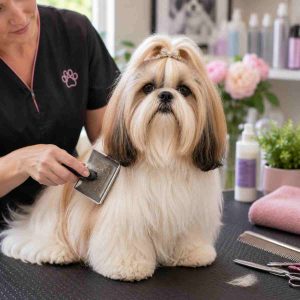 The Shih Tzu’s luxurious coat is one of the breed’s most recognizable features, but it also represents the greatest commitment for prospective owners. Whether you choose to keep your Shih Tzu in a full show coat or opt for a practical puppy cut, regular grooming is essential to keep your dog comfortable, healthy, and looking its best.
Unlike many breeds that shed their fur seasonally, the Shih Tzu’s hair grows continuously, much like human hair. This contributes to the breed’s relatively low-shedding reputation but also means the coat can quickly become tangled or matted if not brushed regularly.
Dogs kept in a full-length coat should be brushed every day using a quality pin brush and metal comb to prevent mats from forming close to the skin. Pay particular attention to the ears, chest, legs, belly, armpits, and behind the collar, where tangles commonly develop.
Many pet owners choose a shorter “puppy cut,” which dramatically reduces grooming time while still preserving the Shih Tzu’s adorable appearance. Even with a shorter trim, brushing several times each week is recommended to keep the coat healthy and free of knots.
Bathing every three to four weeks helps maintain a clean, healthy coat. Always use a gentle shampoo formulated for dogs and thoroughly dry the coat afterward, as trapped moisture can contribute to skin irritation and matting.
The Shih Tzu’s facial hair requires special attention. Hair around the eyes should be kept clean and neatly trimmed—or secured with a topknot—to prevent irritation and allow clear vision. Daily wiping of the eyes and facial folds helps remove tear staining and debris that can accumulate around the muzzle.
Routine ear care is equally important. Check the ears weekly for redness, odor, or excess wax, and clean them using a veterinarian-approved ear cleaner when needed.
Dental care should also be part of your grooming routine. Like many small breeds, Shih Tzus are prone to periodontal disease. Brushing their teeth daily—or at least several times per week—can significantly improve long-term dental health.
Finally, trim your dog’s nails every three to four weeks or whenever you hear them clicking on hard floors. Long nails can affect your dog’s gait and eventually lead to discomfort.
Shih Tzu Grooming Checklist
- Brush daily (full coat) or several times weekly (puppy cut).
- Bathe every 3–4 weeks.
- Clean around the eyes daily.
- Check and clean ears weekly.
- Brush teeth daily whenever possible.
- Trim nails every 3–4 weeks.
- Schedule professional grooming every 6–8 weeks if desired.
Although grooming requires commitment, many Shih Tzu owners find it becomes an enjoyable bonding experience. With consistent care, your Shih Tzu’s beautiful coat will remain healthy, comfortable, and one of the breed’s most admired features.
Shih Tzu Health Concerns
 The Shih Tzu is generally a long-lived breed, with many individuals enjoying a lifespan of 10 to 18 years. While they are often healthy companions, prospective owners should be aware of several health conditions that occur more frequently in the breed. Choosing a puppy from a responsible breeder who performs recommended health testing—or adopting through a reputable rescue organization—can help reduce the risk of inherited disorders.
Routine veterinary examinations, a balanced diet, regular exercise, good dental care, and maintaining a healthy body weight all play an important role in helping your Shih Tzu live a long and comfortable life.
Brachycephalic Airway Syndrome
Like other flat-faced (brachycephalic) breeds, Shih Tzus can experience breathing difficulties due to their shortened muzzle and airway structure. Some dogs may snore, snort, or tire more quickly during exercise, particularly in hot or humid weather. Owners should avoid strenuous activity during high temperatures and always provide access to shade and fresh water.
Eye Problems
The Shih Tzu’s large, prominent eyes are one of the breed’s most charming features, but they also make the breed more susceptible to eye injuries and disorders. Common conditions include dry eye (keratoconjunctivitis sicca), corneal ulcers, cataracts, progressive retinal atrophy (PRA), and excessive tear staining. Routine eye examinations and prompt veterinary attention for redness, squinting, or discharge are important.
Patellar Luxation
Patellar luxation occurs when the kneecap slips out of its normal position. Mild cases may require little treatment, while more severe cases can occasionally require surgery. Maintaining a healthy weight helps reduce stress on the joints.
Hip Dysplasia
Although less common than in large breeds, hip dysplasia can occur in Shih Tzus. Responsible breeders screen breeding dogs whenever appropriate to help reduce the incidence of inherited joint disease.
Dental Disease
Small breeds like the Shih Tzu are especially prone to plaque buildup and periodontal disease. Daily tooth brushing, regular veterinary dental examinations, and professional cleanings when recommended are among the best ways to protect your dog’s oral health.
Ear Infections
The Shih Tzu’s long, hairy ears can trap moisture and reduce airflow, creating an environment where infections are more likely to develop. Weekly ear inspections and routine cleaning help minimize this risk.
Skin Allergies
Some Shih Tzus are prone to allergies affecting the skin or ears. Symptoms may include itching, redness, licking the paws, or recurrent ear infections. Your veterinarian can help identify the underlying cause and recommend appropriate treatment.
Keeping Your Shih Tzu Healthy
- Choose a breeder who performs recommended health testing.
- Schedule regular veterinary wellness examinations.
- Maintain a healthy body weight.
- Brush your dog’s teeth regularly.
- Keep vaccinations and parasite prevention up to date.
- Avoid overheating during warm weather.
- Seek veterinary care promptly if you notice breathing difficulties, eye problems, limping, persistent scratching, or changes in appetite or behavior.
Although the list of potential health concerns may seem daunting, it’s important to remember that many Shih Tzus enjoy long, active, and happy lives. Responsible breeding, preventative healthcare, good nutrition, and attentive owners go a long way toward helping these affectionate little companions thrive for many years.
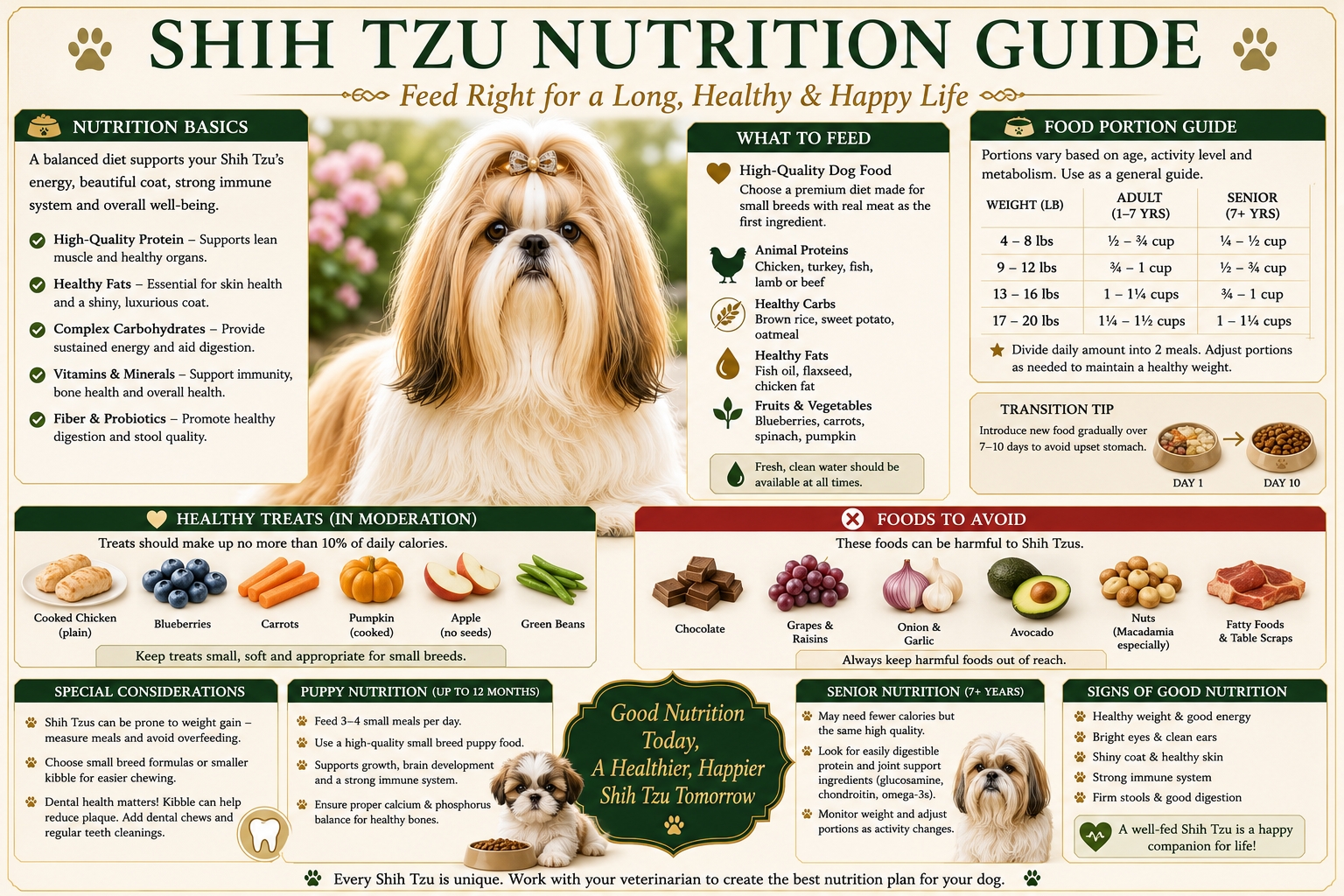
Feeding & Nutrition
 A nutritious, balanced diet is one of the most important factors in helping your Shih Tzu enjoy a long, healthy, and active life. Proper nutrition supports healthy growth, maintains a beautiful coat, promotes strong muscles and bones, supports the immune system, and helps prevent obesity, which can worsen joint problems and make breathing more difficult in this brachycephalic breed.
Shih Tzus generally thrive on a high-quality commercial dog food formulated to meet the nutritional requirements for their age, size, and activity level. Whether you choose dry kibble, canned food, or a veterinarian-approved fresh diet, look for complete and balanced nutrition made with quality ingredients.
Adult Shih Tzus typically do best when fed two measured meals each day, while puppies usually require three or four smaller meals until they reach maturity. Feeding on a consistent schedule also makes house training easier and allows you to monitor your dog’s appetite and overall health.
Because Shih Tzus are small dogs with relatively modest calorie requirements, it’s easy to accidentally overfeed them. Even a small amount of excess weight can place additional stress on their joints and respiratory system. Measure meals carefully, monitor your dog’s body condition, and limit treats to no more than about 10% of daily calorie intake.
Fresh, clean drinking water should always be available. During warm weather, encourage your Shih Tzu to drink regularly and avoid vigorous activity immediately after eating.
Foods to Avoid
Many common household foods are toxic to dogs and should never be fed, including:
- Chocolate
- Grapes and raisins
- Onions, garlic, and chives
- Xylitol (found in many sugar-free products)
- Macadamia nuts
- Alcohol
- Cooked bones
- Foods high in fat, salt, or sugar
Helpful Feeding Tips
- Feed a complete, high-quality diet appropriate for your dog’s life stage.
- Measure meals rather than free-feeding.
- Maintain a healthy body weight.
- Provide fresh drinking water at all times.
- Limit treats and avoid excessive table scraps.
- Consult your veterinarian before adding supplements or changing diets.
Every Shih Tzu is unique, and nutritional needs vary depending on age, activity level, metabolism, and overall health. Your veterinarian can help you choose the most appropriate diet and feeding plan to keep your companion healthy for many years to come.
Are Shih Tzus Good Apartment Dogs?
 Yes. The Shih Tzu is widely considered one of the very best dog breeds for apartment living. Originally bred as an indoor companion for Chinese royalty, these little dogs are perfectly content sharing a condominium, apartment, townhouse, or smaller home with the people they love. They don’t require a large yard to be happy—in fact, they much prefer spending time with their family indoors.
One of the breed’s greatest advantages is its moderate energy level. While Shih Tzus enjoy daily walks and playtime, they don’t need extensive exercise to remain healthy and content. A couple of short walks each day, along with indoor games and companionship, usually provide all the activity they need.
Shih Tzus are also relatively quiet compared to many small breeds. Although they may bark to announce visitors or unfamiliar sounds, excessive barking is not typically a characteristic of the breed when they receive proper training, socialization, and enough mental stimulation.
Their affectionate, easygoing personality makes them excellent neighbors in apartment buildings. Most Shih Tzus are friendly with visitors and generally adapt well to elevators, shared hallways, and urban environments. Their small size also makes them easy to transport for trips to the veterinarian, groomer, or local park.
Because they were bred specifically for companionship, Shih Tzus do not enjoy being left alone for long periods. Owners who work extended hours away from home should consider arranging for a dog walker, pet sitter, or family member to provide companionship during the day. This helps prevent boredom and reduces the likelihood of separation anxiety.
Shih Tzus are also sensitive to excessive heat because of their short muzzle. Apartment owners without air conditioning should take extra precautions during hot summer weather by providing plenty of fresh water, shade, and limiting outdoor activity during the hottest parts of the day.
Why Shih Tzus Excel in Apartments
- Compact size that’s ideal for smaller homes.
- Moderate exercise requirements.
- Generally quiet indoors.
- Friendly, adaptable personality.
- Comfortable relaxing inside after short walks.
- Excellent companions for people living alone or with families.
Apartment Living Tips
- Provide two short walks each day.
- Keep your home cool during hot weather.
- Offer toys and puzzle games for mental enrichment.
- Avoid leaving your Shih Tzu alone for long periods.
- Maintain a regular grooming schedule to keep your dog comfortable.
For people looking for a loving, adaptable, and low-exercise companion, the Shih Tzu is one of the finest apartment dogs available. Their affectionate nature, manageable size, and calm indoor demeanor make them an outstanding choice for city living.
Are Shih Tzus Good Family Dogs?
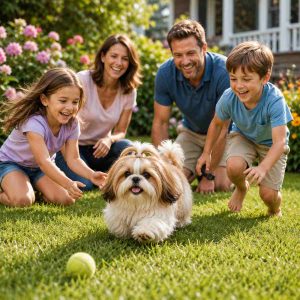 Yes. The Shih Tzu is one of the best small dog breeds for families. Friendly, affectionate, and remarkably adaptable, these charming little dogs thrive on human companionship and genuinely enjoy being involved in everyday family life. Whether they’re playing with children, greeting visitors at the front door, or cuddling on the sofa at the end of the day, Shih Tzus are happiest when they’re surrounded by the people they love.
Originally bred as companion dogs for Chinese royalty, Shih Tzus have spent centuries perfecting the art of being devoted family pets. Unlike some toy breeds that bond primarily with one person, Shih Tzus usually develop strong relationships with everyone in the household. Their outgoing personality makes them wonderful companions for couples, singles, growing families, and multi-generational homes.
The breed’s moderate energy level is another reason it fits so well into family life. Shih Tzus enjoy games, short walks, and interactive play sessions, but they don’t require hours of vigorous exercise to remain happy. They’re just as content joining family activities as they are relaxing nearby while everyone unwinds together.
Shih Tzus generally get along well with respectful children and often coexist peacefully with other dogs and cats when properly introduced. Their sturdy build, compared with many toy breeds, also helps them tolerate gentle play a little better, although young children should always be taught how to handle small dogs carefully and respectfully.
As with every breed, interactions between dogs and young children should always be supervised. Teaching children to avoid rough play, pulling ears or tails, or disturbing a dog while eating or sleeping helps build safe, positive relationships for everyone.
Why Shih Tzus Make Great Family Dogs
- Exceptionally affectionate and people-oriented.
- Usually bonds with the entire family.
- Gentle with respectful children.
- Generally gets along well with other pets.
- Playful without being overly energetic.
- Adaptable to apartments and larger homes alike.
Family Tips
- Teach children to handle small dogs gently.
- Supervise interactions with toddlers and young children.
- Provide daily companionship and moderate exercise.
- Keep up with regular grooming appointments.
- Use consistent, positive training methods throughout the household.
For families looking for a loving, cheerful, and adaptable companion, the Shih Tzu is an outstanding choice. Their affectionate personality, friendly disposition, and desire to be part of everything the family does have made them beloved household companions for generations.
Are Shih Tzus Good for Seniors?
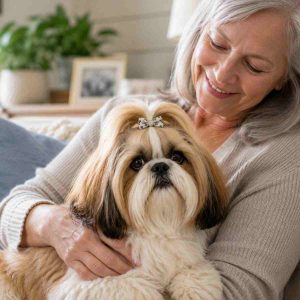 Yes. The Shih Tzu is widely regarded as one of the best companion dogs for seniors. Their gentle temperament, manageable size, moderate exercise requirements, and deep affection for their owners make them wonderful pets for retirees and older adults looking for loyal, loving companionship.
Bred specifically to be companion animals, Shih Tzus are happiest when they can spend their days close to the people they love. Whether they’re accompanying you on a leisurely neighborhood walk, sitting beside you while you read or watch television, or quietly following you from room to room, these little dogs thrive on companionship rather than constant activity.
Unlike many high-energy breeds, Shih Tzus don’t require strenuous exercise. Most are perfectly satisfied with two short walks each day, some gentle indoor play, and plenty of opportunities to cuddle with their owners. This moderate activity level makes them ideal for seniors who enjoy regular walks but may not be able to keep up with a more athletic breed.
Their small size also makes Shih Tzus easy to lift, transport, and travel with when necessary. They generally adapt well to apartments, condominiums, retirement communities, and smaller homes, provided they receive plenty of love and attention.
One consideration for seniors is the breed’s grooming requirements. A Shih Tzu kept in a full coat requires daily brushing, while a shorter puppy cut significantly reduces maintenance. Many owners schedule professional grooming every six to eight weeks to keep coat care manageable.
Because Shih Tzus form strong bonds with their families, they do not enjoy spending long hours alone. Retirees who spend much of the day at home often provide exactly the kind of companionship these affectionate little dogs crave.
Why Shih Tzus Are Excellent for Seniors
- Extremely affectionate and loyal companions.
- Comfortable size for handling and travel.
- Moderate exercise requirements.
- Generally quiet and easygoing indoors.
- Excellent apartment and condominium dogs.
- Friendly with visitors and grandchildren.
Things Seniors Should Consider
- Requires regular grooming and coat maintenance.
- Needs routine veterinary care, particularly for eyes, teeth, and respiratory health.
- Should not be left alone for extended periods.
- Needs protection from excessive heat because of its short muzzle.
For seniors seeking a cheerful, affectionate, and devoted companion, the Shih Tzu is an outstanding choice. Their calm demeanor, adaptable nature, and lifelong devotion have made them beloved companions for generations, and they continue to bring comfort and joy to older adults around the world.
Is a Shih Tzu Right for You?
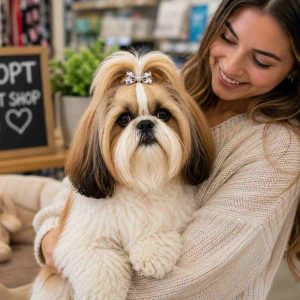 The Shih Tzu has earned its place as one of the world’s most beloved companion dogs. Affectionate, adaptable, and wonderfully people-oriented, this charming breed is an excellent choice for individuals and families seeking a loyal companion rather than a highly athletic or independent dog. Whether you live in an apartment, a suburban home, or a retirement community, a Shih Tzu can fit comfortably into your lifestyle—as long as it’s treated as a cherished member of the family.
Shih Tzus thrive on companionship. They love being wherever their people are, whether that’s relaxing on the couch, greeting guests, riding in the car, or accompanying you on a leisurely walk. If you’re looking for a dog that enjoys spending time with you rather than entertaining itself outdoors, the Shih Tzu is difficult to beat.
However, prospective owners should also be prepared for the breed’s grooming requirements. A long, flowing coat requires daily brushing and regular professional grooming, while a shorter puppy cut still needs routine maintenance to keep the coat healthy and comfortable. Regular eye care, dental care, and veterinary visits are also important aspects of responsible ownership.
Because the Shih Tzu is a brachycephalic breed, owners should be mindful of hot weather and avoid excessive exercise during warm or humid conditions. Air-conditioned environments, fresh water, and moderate activity help these little dogs remain comfortable year-round.
A Shih Tzu May Be Perfect for You If You:
- Want an affectionate, people-loving companion.
- Live in an apartment, condominium, or smaller home.
- Can provide regular grooming and coat care.
- Have time to spend with your dog each day.
- Prefer a breed with moderate exercise requirements.
- Want a dog that generally gets along well with children and other pets.
- Are looking for a loyal lap dog that enjoys close companionship.
You May Want to Consider Another Breed If You:
- Are away from home for long hours every day.
- Prefer a very low-maintenance grooming routine.
- Want a jogging or hiking companion for long distances.
- Need a watchdog or protection dog.
- Live in an environment where keeping your dog cool during hot weather would be difficult.
For owners who can provide love, companionship, regular grooming, and attentive healthcare, the Shih Tzu offers years of unwavering loyalty and affection. Their cheerful personality, adaptable nature, and genuine love of people have made them treasured companions for centuries—and it’s easy to understand why so many families continue to fall in love with this delightful little breed.
Shih Tzu Rehoming & Adoption
Life doesn’t always go according to plan. Changes in health, housing, finances, or family circumstances sometimes mean that keeping a beloved Shih Tzu is no longer possible. If you find yourself in this situation, responsible rehoming is one of the kindest choices you can make.
Unlike surrendering a dog to a shelter, home-to-home rehoming allows your Shih Tzu to remain with you until a carefully screened new family is found. This reduces stress for your dog and gives you peace of mind knowing they’re going to a safe, loving home.
If you need help rehoming your Shih Tzu—or if you’re hoping to adopt one—we recommend the Pet Rehoming Network’s Shih Tzu Adoption & Rehoming Service. Their experienced team helps match dogs with suitable adopters across the United States and Canada while supporting owners throughout the entire process.
Whether you’re searching for a new companion or making the difficult decision to rehome a cherished pet, choosing a reputable rehoming service helps ensure every Shih Tzu has the opportunity to enjoy a safe, happy, and loving home.
Finding a Responsible Shih Tzu Breeder
 If you’ve decided that a Shih Tzu puppy is the right fit for your family, choosing a responsible breeder is one of the most important decisions you’ll make. Ethical breeders are committed to improving the breed by prioritizing health, temperament, and proper socialization rather than simply producing puppies for sale.
Because Shih Tzus can be predisposed to inherited health conditions—including brachycephalic airway syndrome, eye disorders, patellar luxation, hip dysplasia, and dental disease—responsible breeders carefully select breeding dogs and perform appropriate health screening whenever possible. They are open about the health history of their dogs and are happy to answer questions about their breeding program.
A reputable breeder raises puppies in a clean, home-based environment where they receive plenty of human interaction, early socialization, and excellent veterinary care. Puppies should be curious, confident, clean, and accustomed to normal household sounds before they leave for their new homes.
Expect a responsible breeder to ask you questions as well. They want to know about your home, family, lifestyle, and previous experience with dogs because they genuinely care about matching each puppy with the right family. Many remain available throughout the dog’s lifetime to provide advice and support whenever needed.
Be cautious of breeders who always have puppies available, refuse to discuss health testing, won’t allow you to see where the puppies are raised, or pressure you to make a quick purchase. Likewise, avoid purchasing puppies from pet stores, puppy mills, or anonymous online sellers.
Questions to Ask a Breeder
- What health testing has been performed on the parents?
- Can you provide veterinary records and health certificates?
- How are the puppies socialized before going to their new homes?
- What vaccinations and deworming have the puppies received?
- Do you provide a written health guarantee and purchase contract?
- Will you accept the dog back if circumstances change in the future?
- What grooming routine have the puppies already been introduced to?
Signs of a Responsible Breeder
- Performs recommended health screening.
- Raises puppies in a clean, loving home environment.
- Provides complete veterinary documentation.
- Encourages prospective owners to ask questions.
- Allows you to meet the puppies and, when appropriate, the mother.
- Offers lifelong advice and support.
- Belongs to recognized breed clubs and follows their code of ethics.
Taking the time to find a responsible breeder greatly improves the likelihood of bringing home a healthy, well-socialized Shih Tzu that will become a cherished member of your family for many years. A little extra research at the beginning can make all the difference for both you and your future companion.
Frequently Asked Questions

Are Shih Tzus good family dogs?
Yes. Shih Tzus are affectionate, gentle, and friendly companions that generally do very well with respectful children, adults, and other household pets. Their adaptable personality makes them one of the best small family dogs.
Are Shih Tzus good apartment dogs?
Absolutely. Their compact size, moderate exercise needs, and calm indoor nature make Shih Tzus one of the best breeds for apartment and condominium living.
Do Shih Tzus bark a lot?
No. While they will alert their owners to visitors or unusual sounds, Shih Tzus are generally quieter than many other small breeds and are not known for excessive barking when properly trained and socialized.
How much exercise does a Shih Tzu need?
Most healthy adult Shih Tzus need about 20 to 40 minutes of exercise each day. Two short walks combined with indoor play and mental stimulation are usually enough to keep them happy and healthy.
Do Shih Tzus shed?
Shih Tzus are considered low-shedding dogs because loose hairs tend to become trapped within their long coat. However, regular brushing is necessary to prevent mats and tangles.
Are Shih Tzus hypoallergenic?
No dog is truly hypoallergenic. However, because Shih Tzus shed relatively little, they may be a better choice for some people with mild allergies. Spending time with the breed before bringing one home is always recommended.
Are Shih Tzus easy to train?
Yes. Shih Tzus are intelligent and eager to please, although they can occasionally have an independent streak. Positive reinforcement, patience, and consistency usually produce excellent results.
What health problems are common in Shih Tzus?
Common concerns include brachycephalic airway syndrome, eye disorders, patellar luxation, hip dysplasia, dental disease, ear infections, and skin allergies. Regular veterinary care and responsible breeding help reduce many of these risks.
How long do Shih Tzus live?
Most Shih Tzus live between 10 and 18 years. Proper nutrition, routine veterinary care, maintaining a healthy weight, and regular grooming all contribute to a long, healthy life.
Should I adopt or buy from a breeder?
Both are excellent options. Adoption gives a deserving dog a second chance, while purchasing from a responsible breeder allows you to learn your puppy’s health history and receive ongoing support. Whichever path you choose, always avoid puppy mills and irresponsible sellers.
Related Guides
If you enjoyed learning about the Shih Tzu, you may also find these DogPage.us breed guides and resources helpful as you continue your search for the perfect canine companion.
- Best Small Dog Breeds – Compare ten of the world’s most popular small companion breeds.
- Best Small Dogs for Apartments – Discover which breeds thrive in apartments, condos, and smaller homes.
- Cavalier King Charles Spaniel Breed Guide – Learn about one of the world’s most affectionate companion dogs.
- Maltese Breed Guide – Discover the elegant, loving Maltese and its care requirements.
- Pomeranian Breed Guide – Meet the fluffy, outgoing Pomeranian.
- Boston Terrier Breed Guide – Learn why the “American Gentleman” is such a popular family companion.
- Pug Breed Guide – Explore another charming companion breed with a playful personality.
DogPage.us is continually growing with comprehensive breed guides, puppy care articles, grooming advice, training tips, nutrition information, and responsible dog ownership resources designed to help you make informed decisions and enjoy a lifetime with your canine companion.
Trusted Resources
When researching the Shih Tzu, it’s important to rely on trusted organizations that provide accurate, evidence-based information about breed standards, health testing, veterinary care, and responsible breeding.
- American Kennel Club (AKC)
- Orthopedic Foundation for Animals (OFA)
- American Veterinary Medical Association (AVMA)
- American Animal Hospital Association (AAHA)
- American Shih Tzu Club (ASTC) – Breed information, responsible ownership, and breeder resources.
While online resources can provide valuable guidance, they should never replace professional veterinary advice. If you have questions about your Shih Tzu’s health, behavior, nutrition, or overall wellbeing, consult your veterinarian.
At DogPage.us, our goal is to provide practical, trustworthy, and easy-to-understand information that helps you choose the right breed and become the best dog owner you can be.

Popular Shih Tzu Mixes
The Shih Tzu has become one of the world’s most popular companion dogs and has been crossed with many other breeds to create affectionate, family-friendly designer dogs. While every crossbreed inherits different characteristics, these are some of the best-known Shih Tzu mixes.
- Malshi (Maltese × Shih Tzu)
- Shih-Poo (Poodle × Shih Tzu)
- Shichon (Teddy Bear Dog) (Bichon Frise × Shih Tzu)
- Shorkie (Yorkshire Terrier × Shih Tzu)
- Shi-Chi (Chihuahua × Shih Tzu)
- Cava-Tzu (Cavalier King Charles Spaniel × Shih Tzu)
- Schnau-Tzu (Miniature Schnauzer × Shih Tzu)
- Pug-Zu (Pug × Shih Tzu)
- Lhasa Apso × Shih Tzu
- Jack Tzu (Jack Russell Terrier × Shih Tzu)
If you’re considering a Shih Tzu mix, remember that puppies may inherit traits from either parent breed. Learning about both breeds will help you better understand their potential temperament, exercise needs, grooming requirements, and health considerations.