
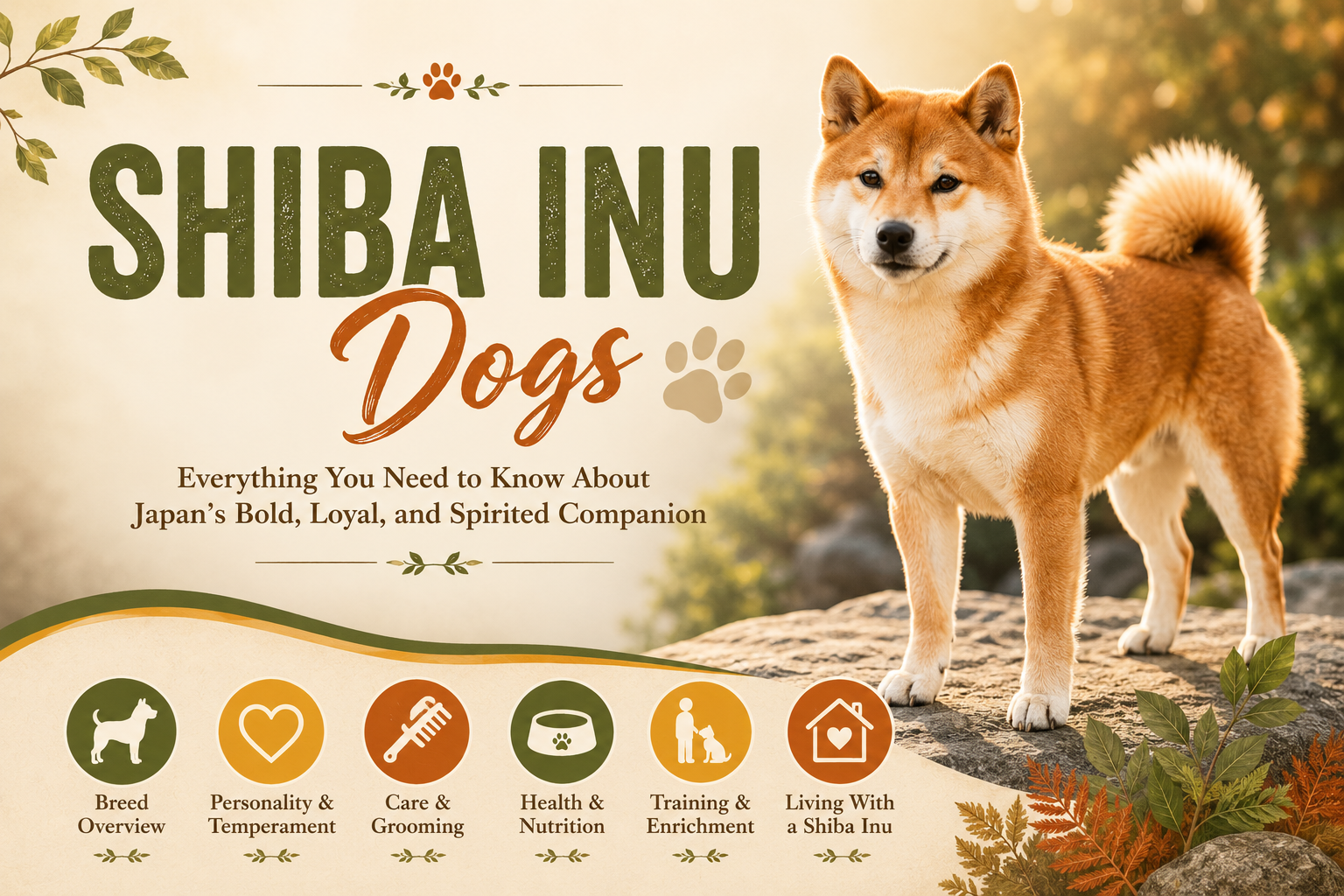
Shiba Inu Breed Guide
With their fox-like face, spirited personality, and unmistakable confidence, the Shiba Inu has become one of the world’s most recognizable dog breeds. Originally developed in Japan as a skilled hunting dog, today’s Shiba combines intelligence, agility, and remarkable independence in a compact, athletic package. Their clean habits and cat-like mannerisms have earned them devoted fans, while their strong will and independent nature can surprise first-time owners who expect a typical companion dog.
Whether you’re thinking about bringing home a Shiba Inu puppy, adopting a rescue dog, or simply learning more about this fascinating breed, this comprehensive guide will walk you through everything you need to know. We’ll explore their temperament, exercise needs, grooming requirements, training challenges, health concerns, nutrition, and what daily life with a Shiba Inu is really like.
Although Shiba Inus are affectionate and deeply loyal to their families, they are not the right breed for everyone. Their intelligence comes with a healthy dose of independence, and many retain a strong prey drive, an adventurous spirit, and a tendency to make their own decisions. With patient, positive training and early socialization, however, they can become wonderful companions for active individuals and families who appreciate their unique personality.
Our goal is to help you make an informed decision before welcoming a Shiba Inu into your home. Throughout this guide you’ll also find practical advice on choosing a responsible breeder, adopting through a rescue organization, understanding common health concerns, and deciding whether this remarkable Japanese breed truly matches your lifestyle.
Ready to discover whether the Shiba Inu is your perfect canine companion? Let’s begin.
Meet the Shiba Inu
With a fox-like face, alert expression, curled tail, and unmistakable confidence, the Shiba Inu is one of the world’s most recognizable dog breeds. Originally developed in Japan as a capable hunting dog, the modern Shiba combines intelligence, agility, courage, and remarkable independence in a compact, athletic body.
Shiba Inus often form strong bonds with their families, but they are rarely clingy or eager to obey simply for the sake of pleasing their owners. Their clean habits, quiet dignity, and independent behaviour are frequently described as cat-like. These qualities can make the Shiba a fascinating companion, but they can also surprise people expecting a more cooperative or openly affectionate dog.
Although Shiba Inus are intelligent, their intelligence comes with a strong desire to make their own decisions. Many retain a high prey drive, a talent for escaping, and a selective attitude toward training. Early socialization, secure fencing, patient handling, and consistent reward-based training are especially important for this breed.
This comprehensive Shiba Inu breed guide explores temperament, history, size, coat colours, shedding, grooming, exercise, training, health, nutrition, puppies, breeders, rescue, adoption, and responsible rehoming. It is designed to help prospective owners understand what life with a Shiba is really like—not merely what this beautiful breed looks like.
Whether you are researching Shiba Inu puppies, considering adopting an adult dog, or deciding whether this spirited Japanese breed suits your household, you will find practical guidance throughout this page.
Ready to discover whether this clever, fox-like companion is your perfect match? Let’s dive in.
In This Guide You’ll Discover
Whether you are researching the breed, preparing for a puppy, considering rescue or adoption, or simply curious about these remarkable Japanese dogs, this guide covers every major aspect of Shiba Inu ownership.
- Shiba Inu temperament, personality, and intelligence
- Breed origins, history, and fascinating facts
- Adult size, weight, appearance, and coat colours
- Grooming, seasonal shedding, and coat care
- Exercise, play, and mental-enrichment needs
- Training challenges and reward-based techniques
- Common health concerns, lifespan, and preventive care
- Feeding, nutrition, and healthy weight management
- Living with children, cats, and other dogs
- Shiba Inu puppies and developmental stages
- Choosing a responsible Shiba Inu breeder
- Rescue, adoption, and responsible rehoming
- Advice for deciding whether a Shiba Inu fits your lifestyle
Shiba Inu at a Glance
The Shiba Inu is Japan’s smallest native dog breed and one of its oldest. Intelligent, athletic, and famously independent, Shibas are known for their fox-like appearance, spirited personality, and unwavering confidence. While they can be affectionate and loyal companions, they thrive with owners who appreciate their strong will, provide consistent training, and enjoy an active lifestyle.
Breed Snapshot
The Shiba Inu is a confident, intelligent, and spirited companion with a personality unlike almost any other breed. Originally developed in Japan for hunting small game, today’s Shiba combines athletic ability, keen intelligence, and remarkable independence in a compact, fox-like package. While deeply loyal to their families, they are not naturally eager to please and often prefer to think for themselves, making patient, reward-based training essential.
Shiba Inus are clean, quiet around the home, and surprisingly cat-like in many of their habits. They thrive with owners who appreciate their independent nature, provide daily exercise and mental stimulation, and understand the importance of early socialization. Although they can adapt well to apartment living when their exercise needs are met, their strong prey drive and reputation as skilled escape artists mean secure fencing and leash safety are essential.
For active individuals or families looking for an intelligent, loyal companion with plenty of personality, the Shiba Inu offers a rewarding relationship unlike any other. Prospective owners should be prepared for a dog that values partnership over obedience and rewards patience with years of companionship, entertainment, and unwavering devotion.
Breed Report Card
| Characteristic | Rating |
|---|---|
| Affection with Family | ★★★★☆ |
| Good with Children | ★★★★☆ |
| Good with Other Dogs | ★★★☆☆ |
| Good with Cats | ★★★☆☆ |
| Friendly Toward Strangers | ★★★☆☆ |
| Trainability | ★★★☆☆ |
| Intelligence | ★★★★★ |
| Energy Level | ★★★★☆ |
| Exercise Needs | ★★★★☆ |
| Playfulness | ★★★★☆ |
| Grooming Requirements | ★★★☆☆ |
| Shedding | ★★★★★ |
| Barking Tendency | ★★☆☆☆ |
| Apartment Friendly | ★★★★☆ |
| Good for First-Time Owners | ★★☆☆☆ |
| Suitable for Seniors | ★★★☆☆ |
| Adaptability | ★★★★☆ |
| Overall Health | ★★★★☆ |
Dogs Central Verdict
9.1/10 – Highly Recommended for the Right Owner
The Shiba Inu is one of the most intelligent, clean, and charismatic companion breeds in the world. While their independent nature and strong prey drive make them better suited to owners who appreciate a dog that thinks for itself, those willing to invest in early training and socialization are rewarded with a loyal, entertaining, and remarkably devoted companion. If you’re looking for an active, fox-like dog with plenty of personality, the Shiba Inu is an outstanding choice—but first-time owners should be prepared for a learning curve.
About the Shiba Inu
The Shiba Inu is one of the oldest and most iconic dog breeds to emerge from Japan. Originally bred to flush birds and small game from dense mountain brush, these agile hunters developed exceptional athleticism, intelligence, and confidence that remain hallmarks of the breed today. Despite their compact size, Shibas possess remarkable determination and are often described as “big dogs in a small package.”
With their alert expression, triangular ears, tightly curled tail, and fox-like face, Shiba Inus are instantly recognizable. Their thick double coat protects them in a wide range of weather conditions, while their naturally clean habits have earned them a reputation as one of the tidiest dog breeds. Many owners compare a Shiba’s fastidious grooming habits and independent personality to those of a cat.
Although devoted to their families, Shiba Inus are not typically eager to please in the same way as breeds such as Golden Retrievers or Cavalier King Charles Spaniels. They prefer to think for themselves, making patient, reward-based training and early socialization essential. Their intelligence allows them to learn quickly, but their independent nature means they may choose whether—or not—to follow instructions.
Today, the Shiba Inu is admired around the world for its striking appearance, spirited personality, and adaptability. Whether living in a suburban home, an apartment with adequate daily exercise, or an active household that enjoys hiking and outdoor adventures, the breed thrives when given clear boundaries, regular mental stimulation, and opportunities to explore the world with its family.
For owners willing to embrace the Shiba Inu’s unique character, few breeds offer such an engaging combination of intelligence, loyalty, confidence, and enduring charm.
History & Origin
The Shiba Inu is one of Japan’s oldest and most treasured native dog breeds, with a history stretching back thousands of years. Archaeological evidence suggests that dogs resembling today’s Shiba Inu accompanied Japan’s earliest settlers as far back as 300 BC, although the breed’s ancestors may be considerably older. Over centuries, these compact, agile dogs became invaluable hunting companions, expertly flushing birds and small game from dense undergrowth while also tracking larger quarry through Japan’s rugged mountain forests.
The name “Shiba Inu” has several possible meanings. “Inu” simply means “dog” in Japanese, while “Shiba” is commonly translated as “brushwood,” referring either to the dense shrubs where the dogs hunted or the reddish autumn brush that resembles the breed’s beautiful red coat. Regardless of its exact origin, the name has become synonymous with one of the world’s most recognizable dog breeds.
Unlike many modern breeds developed through selective crosses, the Shiba Inu evolved naturally over centuries in different regions of Japan. These regional hunting dogs eventually formed the foundation of the modern breed. During the early twentieth century, increasing crossbreeding with imported European dogs threatened the Shiba’s survival. Concerned breeders launched preservation efforts in the 1920s, carefully selecting pure examples to rebuild the breed. In 1936, the Japanese government officially designated the Shiba Inu a National Natural Monument, recognizing its cultural and historical importance.
World War II nearly devastated the breed through food shortages, bombing, and disease, leaving only a handful of breeding lines. Dedicated enthusiasts once again rebuilt the population using the remaining bloodlines, preserving the Shiba Inu for future generations.
The breed gradually gained popularity outside Japan during the latter half of the twentieth century. The first Shiba Inu arrived in the United States in the 1950s, and the American Kennel Club officially recognized the breed in 1992. Today, Shiba Inus are admired around the world for their striking fox-like appearance, spirited personality, intelligence, and remarkable adaptability. Although they are now cherished family companions rather than hunting dogs, many still retain the alertness, confidence, and independent thinking that made them exceptional hunters centuries ago.
Temperament & Personality
The Shiba Inu possesses one of the most distinctive personalities in the canine world. Confident, intelligent, curious, and fiercely independent, these dogs often approach life on their own terms. While many breeds eagerly seek constant direction from their owners, the Shiba Inu prefers a partnership built on mutual trust and respect. This independent streak is part of the breed’s charm, but it also explains why experienced owners often describe living with a Shiba as sharing their home with a clever roommate rather than a dog.
Shiba Inus form deep bonds with their families and are exceptionally loyal, although they typically express affection in subtle ways. Rather than constantly demanding attention, many Shibas prefer simply being close to the people they love. Their reserved nature with strangers makes them excellent watchdogs, though they are rarely aggressive without reason.
Intelligence is one of the breed’s greatest strengths. Shibas learn new commands quickly, but their willingness to obey depends largely on whether they see value in the request. Positive reinforcement, consistency, and engaging training sessions produce the best results, while harsh corrections often damage trust and reduce cooperation.
The breed retains a strong prey drive inherited from generations of hunting. Squirrels, rabbits, birds, and other small animals can quickly trigger their instinct to chase, making reliable recall challenging in unfenced areas. Secure fencing and leash walks are strongly recommended throughout the dog’s life.
Shiba Inus are naturally clean dogs and frequently groom themselves much like cats. They are generally quiet around the home, although many owners eventually experience the famous “Shiba scream”—a loud, dramatic vocalization most often heard when the dog strongly objects to something, such as nail trims or veterinary visits. While startling to first-time owners, this unique behaviour is usually harmless and has become one of the breed’s most recognizable quirks.
With proper socialization beginning in puppyhood, Shiba Inus usually become confident, well-mannered companions. They often do best with owners who appreciate an intelligent dog capable of making its own decisions rather than expecting unquestioning obedience. For the right family, the Shiba Inu’s unique combination of loyalty, confidence, humour, and spirited independence creates a truly unforgettable companion.
Size, Coat & Appearance
The Shiba Inu is Japan’s smallest native dog breed, but don’t let its compact size fool you. This sturdy, athletic dog is remarkably agile and surprisingly powerful for its stature. Originally bred to navigate steep mountain terrain while hunting birds and small game, the Shiba combines strength, endurance, and balance in a beautifully proportioned body.
Adult Shiba Inus typically stand between 13.5 and 16.5 inches (34–42 cm) at the shoulder and weigh approximately 17 to 23 pounds (8–10.5 kg), with males generally larger than females. Their compact frame makes them well suited to a variety of homes, provided they receive sufficient daily exercise.
The breed’s fox-like appearance is one of its defining characteristics. A broad forehead, dark almond-shaped eyes, erect triangular ears, and a tightly curled tail combine to create the alert, intelligent expression for which the breed is famous. Every feature serves a purpose, reflecting centuries of natural development as a versatile hunting dog.
Shiba Inus have a dense double coat consisting of a soft, insulating undercoat beneath a straight, coarse outer coat that helps repel dirt, moisture, and harsh weather. Their naturally clean coat requires surprisingly little maintenance compared to many long-haired breeds.
The breed moves with confidence and effortless athleticism. Their light, smooth gait reflects excellent balance and coordination, allowing them to navigate rough terrain with ease. Combined with their alert posture and confident demeanor, the Shiba Inu carries itself with quiet dignity and unmistakable presence.
Coat Colors & Patterns
The American Kennel Club recognizes four acceptable Shiba Inu coat colors: red, black and tan, sesame (red with black-tipped hairs), and cream. Regardless of color, quality Shiba Inus should display the characteristic urajiro markings—a cream to white pattern found on the cheeks, muzzle, throat, chest, abdomen, underside of the tail, and insides of the legs. These contrasting markings are an important feature of correct breed type.
Red is by far the most common and recognizable coat color. Rich, vibrant shades ranging from golden-red to deep orange-red beautifully highlight the breed’s fox-like appearance and are especially popular among pet owners.
Black and tan Shibas display a striking combination of black, tan, and cream markings. Their dramatic coloration creates bold facial markings and gives the breed an especially elegant appearance.
Sesame is the rarest accepted color and is highly prized by many enthusiasts. True sesame coats feature an even mixture of red fur with black tipping distributed throughout the coat, producing a distinctive peppered appearance without large black patches.
Cream Shibas are beautiful family companions but are generally considered less desirable in the conformation show ring because the pale coat makes the required urajiro markings difficult to distinguish.
Regardless of coat color, healthy Shiba Inus should have a dense, weather-resistant coat with a natural sheen that reflects good nutrition and overall health.
Grooming
Despite their plush appearance, Shiba Inus are relatively easy to groom. They are naturally clean dogs that frequently groom themselves much like cats and rarely develop the strong “doggy odor” associated with some breeds. Their dirt-resistant coat also sheds debris surprisingly well once dry.
Weekly brushing is usually sufficient for most of the year to remove loose hair, distribute natural skin oils, and keep the coat healthy. During the heavy seasonal shedding periods—often called “blowing coat”—daily brushing may be needed to keep loose fur under control.
Baths are only necessary every few months or when the dog becomes particularly dirty. Overbathing can strip the coat of its natural oils and reduce its weather-resistant qualities.
Routine nail trimming, ear cleaning, and regular dental care should also be part of every Shiba Inu’s grooming routine. Beginning these procedures during puppyhood helps dogs become comfortable with handling and makes lifelong grooming much easier.
Dogs Central Tip: Introduce grooming sessions early using treats and praise. Shiba Inus appreciate routines established during puppyhood and are far more likely to cooperate as adults when grooming has always been a positive experience.
Shedding & Allergies
Prospective owners should be prepared for one undeniable fact: Shiba Inus shed—a lot. Although their coat remains fairly tidy for much of the year, they typically experience two major seasonal sheds, during which enormous amounts of undercoat are released over several weeks.
Regular brushing dramatically reduces the amount of loose hair that ends up on furniture and clothing, but no grooming routine will completely eliminate shedding. A high-quality slicker brush, undercoat rake, or grooming comb can make seasonal coat changes much more manageable.
Because of their heavy double coat, Shiba Inus are not considered hypoallergenic. They produce dander and shed enough hair that they may trigger allergy symptoms in sensitive individuals. Anyone with dog allergies should spend time around adult Shiba Inus before bringing one home.
Although heavy shedding can surprise first-time owners, many people find that the breed’s naturally clean coat, minimal odor, and relatively simple grooming requirements more than compensate for the extra brushing required during shedding season.
Dogs Central Verdict: If you don’t mind vacuuming a little more often a couple of times each year, the Shiba Inu rewards you with one of the cleanest, healthiest, and easiest-to-maintain double coats in the dog world.
Exercise & Enrichment
Despite their compact size, Shiba Inus are energetic, athletic dogs that require regular physical activity and mental stimulation to stay happy and well-behaved. Originally bred to hunt through Japan’s rugged mountains, they possess impressive endurance and enjoy having a job to do. Without sufficient exercise, boredom can quickly lead to unwanted behaviours such as digging, chewing, escaping, or excessive independence.
Most healthy adult Shiba Inus benefit from 60 to 90 minutes of exercise each day, divided between walks, play sessions, and opportunities to explore. Brisk walks, hiking, scent games, agility, and interactive play all help satisfy both their physical and mental needs. While they enjoy running, they should only be allowed off leash in securely fenced areas due to their strong prey drive and unreliable recall.
Mental enrichment is every bit as important as physical exercise. Puzzle toys, food-dispensing toys, hide-and-seek games, trick training, and scent work provide valuable outlets for the Shiba’s intelligent and curious mind. Rotating toys regularly also helps prevent boredom.
Shiba Inus generally appreciate having time to relax after a good workout. They are not hyperactive indoors when their daily needs are met and often spend the evening quietly near their family after an active day.
Dogs Central Tip: A tired Shiba Inu is usually a well-behaved Shiba Inu. Combining physical exercise with mentally challenging activities creates a happier, calmer companion than exercise alone.
Training a Shiba Inu
Training a Shiba Inu requires patience, consistency, and realistic expectations. These highly intelligent dogs learn new commands quickly, but unlike breeds that live to please their owners, Shibas often decide for themselves whether following a command is worth the effort. Their independence should never be mistaken for a lack of intelligence.
Positive reinforcement is the most effective training approach. High-value treats, toys, praise, and short, engaging sessions keep training enjoyable while strengthening the bond between dog and owner. Harsh corrections or punishment frequently damage trust and may cause a Shiba Inu to become even more stubborn or avoid training altogether.
Early socialization is essential. Puppies should be safely introduced to a wide variety of people, friendly dogs, environments, sounds, and experiences during their critical developmental period. A well-socialized Shiba Inu is far more likely to mature into a confident, adaptable adult.
Reliable recall is one of the breed’s greatest training challenges. Because many Shiba Inus instinctively chase wildlife, owners should never assume they can be trusted off leash in unfenced areas, regardless of their level of obedience training.
House training is often straightforward because Shiba Inus naturally prefer to keep their living space clean. However, consistency, regular routines, and positive reinforcement remain important for puppies.
Dogs Central Recommendation: Enrolling in a positive reinforcement puppy training class is one of the best investments new Shiba Inu owners can make. It provides structured learning, valuable socialization, and helps establish good habits that last a lifetime.
Nutrition & Feeding
Proper nutrition plays a vital role in keeping a Shiba Inu healthy, active, and maintaining its beautiful double coat. Choose a high-quality commercial dog food that meets the nutritional standards established by the Association of American Feed Control Officials (AAFCO) for your dog’s life stage, whether puppy, adult, or senior. Some owners also choose carefully balanced home-prepared or raw diets under veterinary guidance.
Adult Shiba Inus generally thrive on two measured meals per day. Portion sizes vary depending on age, activity level, metabolism, and the calorie density of the food, so follow the manufacturer’s feeding guidelines as a starting point and adjust as needed to maintain a healthy body condition.
Healthy treats can be valuable training rewards, but they should make up no more than about 10% of your dog’s daily calorie intake. Fresh drinking water should always be available.
Shiba Inus can be selective eaters, while others happily clean every bowl placed in front of them. Monitoring body condition is more reliable than relying solely on weight. You should be able to feel—but not easily see—your dog’s ribs, and your Shiba should have a visible waist when viewed from above.
Foods that are toxic to dogs, including chocolate, grapes, raisins, onions, garlic, xylitol, alcohol, and cooked bones, should never be fed. If you are considering supplements or significant dietary changes, consult your veterinarian first.
Dogs Central Tip: A shiny coat, healthy skin, steady energy levels, and an ideal body condition are among the best indicators that your Shiba Inu’s diet is meeting its nutritional needs.
Health & Lifespan
The Shiba Inu is generally a healthy, hardy breed with a life expectancy of 13 to 16 years. Responsible breeding, proper nutrition, regular exercise, preventive veterinary care, and maintaining a healthy body weight all contribute to helping Shiba Inus enjoy long, active lives.
Like all purebred dogs, however, Shiba Inus can be predisposed to certain inherited health conditions. Prospective owners should choose puppies from reputable breeders who perform recommended health testing on their breeding dogs.
Common Health Concerns
- Hip Dysplasia – A developmental condition affecting the hip joint that may lead to arthritis and reduced mobility.
- Patellar Luxation – A kneecap that slips out of place, ranging from mild to severe.
- Progressive Retinal Atrophy (PRA) – An inherited eye disease that gradually causes vision loss.
- Glaucoma – Increased pressure within the eye that requires prompt veterinary treatment to preserve vision.
- Allergies – Environmental and food allergies may cause itchy skin, ear infections, or chronic licking.
- Hypothyroidism – An underactive thyroid gland that can contribute to weight gain, lethargy, and coat changes.
Routine veterinary examinations, vaccinations, parasite prevention, dental care, and regular health screenings help detect many problems before they become serious. Maintaining a lean body condition also reduces stress on the joints and may improve both quality of life and longevity.
Dogs Central Recommendation: Ask breeders for Orthopedic Foundation for Animals (OFA) hip evaluations and current eye examination results before purchasing a puppy. Responsible breeders are happy to discuss the health of their breeding dogs.
Shiba Inus & Children
Well-socialized Shiba Inus can make wonderful family companions, but they are generally best suited to families with respectful older children who understand how to interact appropriately with dogs. Their independent personality means they are often less tolerant of rough handling than some traditionally family-oriented breeds.
Most Shibas enjoy playing games, going for walks, and spending time with their family. However, they usually appreciate having a quiet place where they can retreat when they want to relax. Children should always be taught to respect a dog’s space, avoid disturbing them while eating or sleeping, and never pull ears, tails, or fur.
As with every breed, interactions between dogs and young children should always be supervised by a responsible adult. Early socialization and positive experiences with children during puppyhood greatly increase the likelihood of developing into a confident, well-mannered family dog.
For active families who teach children how to behave respectfully around dogs, the Shiba Inu can become a loyal, entertaining, and affectionate companion for many years.
Dogs Central Verdict: The Shiba Inu is generally a better choice for families with school-aged children than households with very young toddlers, although every dog’s temperament and upbringing play an important role.
Shiba Inus & Other Pets
Whether a Shiba Inu gets along with other pets depends largely on early socialization, individual temperament, and careful introductions. Many Shibas live happily with other dogs, particularly those they are raised with from puppyhood, but some can be selective about canine companions of the same sex.
The breed’s strong hunting instincts mean caution is advised around smaller animals such as rabbits, guinea pigs, hamsters, ferrets, and pet birds. These pets may trigger the Shiba Inu’s natural prey drive, making unsupervised interactions unsafe.
Many Shiba Inus also live successfully with cats, especially if introduced while young. Adult Shibas introduced to resident cats may require a slower, carefully managed introduction, but many eventually learn to coexist peacefully. Individual personality is often more important than breed alone.
Early socialization, reward-based introductions, and allowing all pets to have their own safe spaces contribute greatly to long-term harmony in multi-pet households.
Dogs Central Tip: Never assume a Shiba Inu’s prey drive has been completely trained away. Even well-trained adults should be supervised around unfamiliar small animals, and off-leash freedom should only be allowed in securely fenced areas.
Apartment Living
Although originally bred as mountain hunting dogs, Shiba Inus can adapt surprisingly well to apartment living. Their compact size, naturally clean habits, and relatively quiet nature make them better apartment companions than many people expect. However, successful apartment living depends far more on meeting the breed’s exercise and mental stimulation needs than on the size of the home itself.
A Shiba Inu that receives daily walks, interactive play, training sessions, and opportunities to explore will often settle down quietly indoors. Conversely, a bored or under-exercised Shiba may become destructive, vocal, or attempt to escape in search of adventure.
Apartment owners should also remember that Shibas have a strong prey drive and can move with surprising speed. Secure leashes and well-fitted harnesses are essential whenever leaving the building, and elevators, hallways, and parking lots all require careful management.
Access to nearby parks, walking trails, or securely fenced dog exercise areas makes apartment life much easier for both dog and owner.
Dogs Central Verdict: Apartment living suits many Shiba Inus remarkably well, provided they receive sufficient daily exercise and mental enrichment. A small apartment with an active owner is often a better home than a large backyard with little interaction.
Can Shiba Inus Be Left Alone?
Compared to many companion breeds, Shiba Inus are generally comfortable spending moderate periods alone. Their independent nature means they are often less prone to separation anxiety than breeds that constantly seek human attention. Even so, they are social animals that thrive on companionship and should not be left alone for extended periods every day.
Most healthy adult Shiba Inus can comfortably stay home for several hours while their owners are at work, provided they receive adequate exercise before and after being left alone. Puppies, however, require much more frequent bathroom breaks, social interaction, and supervision.
Providing puzzle feeders, safe chew toys, interactive enrichment toys, and a comfortable resting area helps prevent boredom while you’re away. Some owners also find that leaving soft background music or a television on creates a more relaxing environment.
If your schedule regularly requires leaving your dog alone for long hours, consider arranging a midday dog walker, trusted friend, family member, or reputable dog daycare to provide exercise and companionship.
Dogs Central Tip: Before leaving for several hours, give your Shiba Inu a brisk walk or active play session. A mentally and physically satisfied dog is far more likely to spend your absence relaxing than looking for ways to entertain itself.
Are Shiba Inus Good for First-Time Dog Owners?
The Shiba Inu is not generally considered the easiest breed for first-time dog owners, but that doesn’t mean beginners cannot succeed. Their intelligence, independence, and strong-willed personality require patience, consistency, and a willingness to learn modern, reward-based training techniques.
Unlike breeds that instinctively seek constant guidance from their owners, Shiba Inus often prefer making their own decisions. New owners expecting unquestioning obedience may become frustrated, while those who appreciate the breed’s unique personality often develop an exceptionally rewarding relationship.
First-time owners who invest in puppy classes, early socialization, and ongoing training usually achieve the best results. Learning how to manage the breed’s prey drive, escape tendencies, and independent nature from the beginning helps prevent many common behavioural problems.
If you’re looking for an easy-going dog that’s eager to please everyone, another breed may be a better fit. However, if you’re prepared to invest time in training and enjoy a dog with confidence, intelligence, and plenty of character, the Shiba Inu can become an extraordinary lifelong companion.
Dogs Central Verdict: We recommend the Shiba Inu primarily for committed owners who are willing to learn about the breed and embrace its independent personality. Beginners who do their homework, attend training classes, and remain patient often discover one of the most rewarding companions in the dog world.
Cost of Owning a Shiba Inu
Shiba Inus are considered a premium breed, and purchasing a puppy from a reputable breeder represents a significant investment. In North America, most well-bred Shiba Inu puppies cost between $1,500 and $3,500 USD, although exceptional bloodlines, championship pedigrees, or particularly sought-after breeders may charge more. Be cautious of prices that seem unusually low, as they can be a warning sign of backyard breeding, inadequate health testing, or puppy mills. 0
The purchase price is only the beginning. Food, veterinary care, vaccinations, parasite prevention, grooming supplies, training classes, pet insurance, toys, and emergency medical expenses should all be included in your budget before bringing a puppy home. Fortunately, Shiba Inus are generally healthy dogs, and their modest size means ongoing expenses are often lower than those of larger breeds. 1
Dogs Central Recommendation: Budget for the lifetime cost of owning a Shiba Inu rather than focusing solely on the purchase price. A healthy, well-bred puppy from a responsible breeder is often far less expensive in the long run than a bargain puppy with inherited health or behavioural problems.
Choosing a Shiba Inu Breeder
Selecting the right breeder is one of the most important decisions you’ll make as a future Shiba Inu owner. Responsible breeders are dedicated to improving the breed, producing healthy, well-socialized puppies, and providing lifelong support to the families who adopt them.
Look for breeders who perform recommended health testing on their breeding dogs, including evaluations for hips, patellas, and inherited eye conditions. Puppies should be raised in a clean home environment, receive plenty of early socialization, and be introduced to normal household sights and sounds before going to their new homes. 2
A reputable breeder will gladly answer your questions, ask questions about your lifestyle, provide health records, explain the puppy’s pedigree, and remain available for advice throughout your dog’s life. Many excellent breeders also have waiting lists, so don’t be surprised if you need to wait several months for the right puppy. 3
Warning Signs:
- Multiple litters always available.
- No health testing or documentation.
- Refuses to let you meet the puppies or their mother.
- Pressures you to buy immediately.
- Offers to ship a puppy with little or no screening of buyers.
- Prices that seem dramatically lower than reputable breeders.
Dogs Central Tip: A great breeder isn’t simply selling you a puppy—they’re choosing a lifelong home for one of their dogs. The best breeders care just as much about where their puppies go as prospective owners care about finding the right puppy.
Shiba Inu Puppies
Shiba Inu puppies are irresistibly cute, full of confidence, and surprisingly independent from an early age. Their curiosity and intelligence make puppyhood both entertaining and challenging, as they quickly learn what they enjoy—and what they can get away with.
The first year of life is the ideal time to establish good habits through positive reinforcement training, consistent routines, and extensive socialization. Introducing your puppy to different people, friendly dogs, environments, sounds, and experiences helps build a confident, well-adjusted adult.
Puppies should never be rushed into strenuous exercise while their bones and joints are still developing. Instead, provide several short play sessions and walks each day, along with puzzle toys and training games that stimulate their growing minds.
Shiba Inu puppies also benefit from learning basic manners early, including leash walking, handling for grooming, veterinary examinations, and spending short periods alone. Building these skills gradually helps prevent many common behavioural problems later in life.
Dogs Central Recommendation: The effort you invest during your Shiba Inu’s first twelve months will shape the dog you enjoy for the next fifteen years. Focus on socialization, positive training, and building trust—the rewards will last a lifetime.
Shiba Inu Rescue & Adoption
If you’re considering adding a Shiba Inu to your family, don’t overlook the possibility of adoption. Every year, Shiba Inus of all ages find themselves in need of new homes due to changes in their owners’ circumstances, such as moving, illness, divorce, financial hardship, or simply discovering that the breed wasn’t the right fit. Adopting a rescued Shiba can be an incredibly rewarding experience while giving a deserving dog a second chance.
Breed-specific rescue organizations often have an excellent understanding of each dog’s personality, energy level, training, and medical needs. This makes it easier to match prospective adopters with a dog that suits their lifestyle. Adult dogs may already be house-trained, know basic commands, and have moved beyond the demanding puppy stage.
Before adopting, ask plenty of questions about the dog’s history, temperament, health, and behaviour around children and other pets. Responsible rescue organizations are honest about any challenges and work hard to ensure successful, lifelong placements.
If you cannot find a Shiba Inu through a breed rescue, check your local animal shelters and humane societies. Wonderful dogs occasionally arrive in shelters simply because their families could no longer care for them.
Dogs Central Recommendation: Whether you choose a reputable breeder or adopt through a rescue organization, the goal is the same: finding the right Shiba Inu for your family and giving that dog a loving, permanent home.
Frequently Asked Questions
Are Shiba Inus good family dogs?
Yes. Well-socialized Shiba Inus can make excellent family companions, particularly for families with respectful older children. They are loyal, playful, and affectionate, although generally more independent than many traditional family breeds.
Do Shiba Inus bark a lot?
No. Shiba Inus are usually fairly quiet dogs. However, they are famous for the dramatic “Shiba scream,” a loud vocalization that some dogs use when frightened, frustrated, or strongly objecting to something.
Are Shiba Inus easy to train?
Not usually. Shiba Inus are extremely intelligent but also independent thinkers. They respond best to positive reinforcement, patience, and consistent training rather than harsh corrections.
Do Shiba Inus shed?
Yes. Shiba Inus have a thick double coat and shed year-round, with two heavy seasonal shedding periods commonly referred to as “blowing coat.”
Can Shiba Inus live in apartments?
Absolutely. Their compact size and quiet nature make them excellent apartment dogs, provided they receive plenty of daily exercise and mental stimulation.
Are Shiba Inus good with cats?
Many are, especially when raised together from puppyhood. Because Shiba Inus have a strong prey drive, careful introductions and supervision are important, particularly with unfamiliar cats and smaller pets.
How long do Shiba Inus live?
Most healthy Shiba Inus live between 13 and 16 years, making them one of the longer-lived medium-sized dog breeds.
Should I let my Shiba Inu off leash?
Generally, no. Even well-trained Shiba Inus may instinctively chase squirrels, rabbits, or birds. For their safety, they should only be off leash in securely fenced areas.
Are Shiba Inus good for first-time owners?
They can be, but only if the owner is committed to learning about the breed, attending training classes, and using patient, reward-based training methods. Many first-time owners succeed, but the breed is generally better suited to people who appreciate an independent dog.
What is the biggest challenge of owning a Shiba Inu?
For most owners, the biggest challenges are the breed’s independent nature, strong prey drive, and heavy seasonal shedding. Fortunately, these traits are easy to manage with proper training, exercise, and realistic expectations.
Trusted Resources
Whether you’re researching the breed, looking for a responsible breeder, or learning more about canine health, these organizations provide reliable, evidence-based information about Shiba Inus and responsible dog ownership.
- American Kennel Club (AKC)
Official breed standard, breed history, training advice, health information, and responsible breeder referrals. - National Shiba Club of America (NSCA)
The official AKC parent club for the breed, offering breeder referrals, health information, rescue resources, and educational materials. - Canadian Kennel Club (CKC)
Canadian breed standards, responsible breeder resources, dog ownership information, and canine events. - The Kennel Club (UK)
Breed standards, health guidance, and educational resources for Shiba Inu owners in the United Kingdom. - Orthopedic Foundation for Animals (OFA)
Searchable health-testing database for hips, eyes, patellas, and other inherited conditions to help prospective owners evaluate breeding dogs. - American Animal Hospital Association (AAHA)
Trusted veterinary advice covering preventive healthcare, nutrition, vaccinations, dental care, and wellness recommendations.