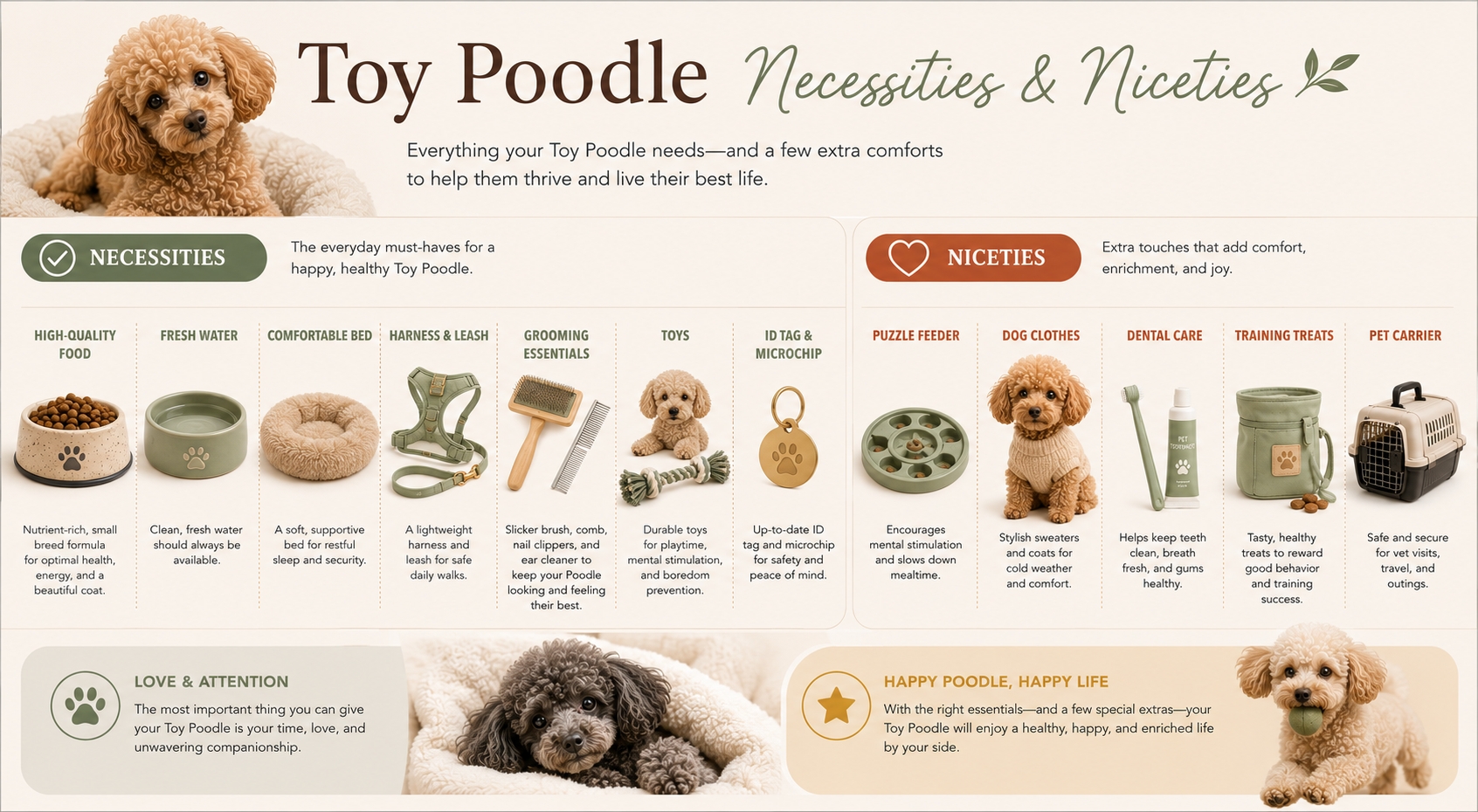
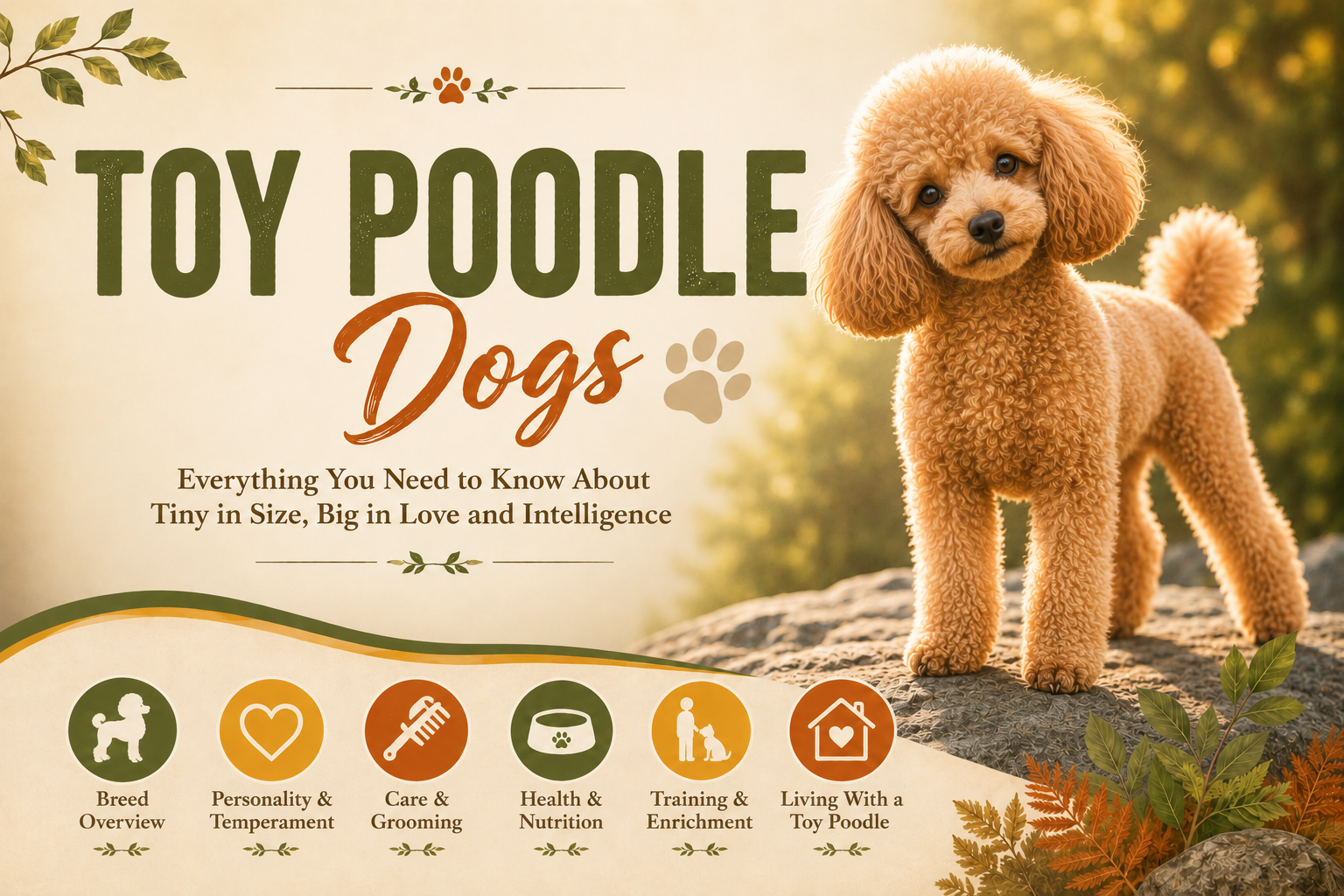
 The Toy Poodle may be one of the smallest dog breeds in the world, but don’t let their size fool you. Behind those expressive eyes and beautifully curly coat is an exceptionally intelligent, athletic, and affectionate companion that’s consistently ranked among the smartest of all dog breeds.
Originally developed from the larger Standard Poodle, the Toy Poodle combines remarkable intelligence with a loving personality and a convenient size that’s well suited to apartment living, seniors, first-time dog owners, and active families alike. Their eagerness to learn, low-shedding coat, and playful nature have made them one of the world’s most popular companion dogs.
Whether you’re considering bringing home your first Toy Poodle puppy or simply want to learn more about this charming breed, this comprehensive DogPage guide covers everything you need to know. We’ll explore their personality, exercise needs, grooming requirements, common health concerns, training tips, suitability for children and other pets, and much more to help you decide whether the Toy Poodle is the perfect companion for your lifestyle.
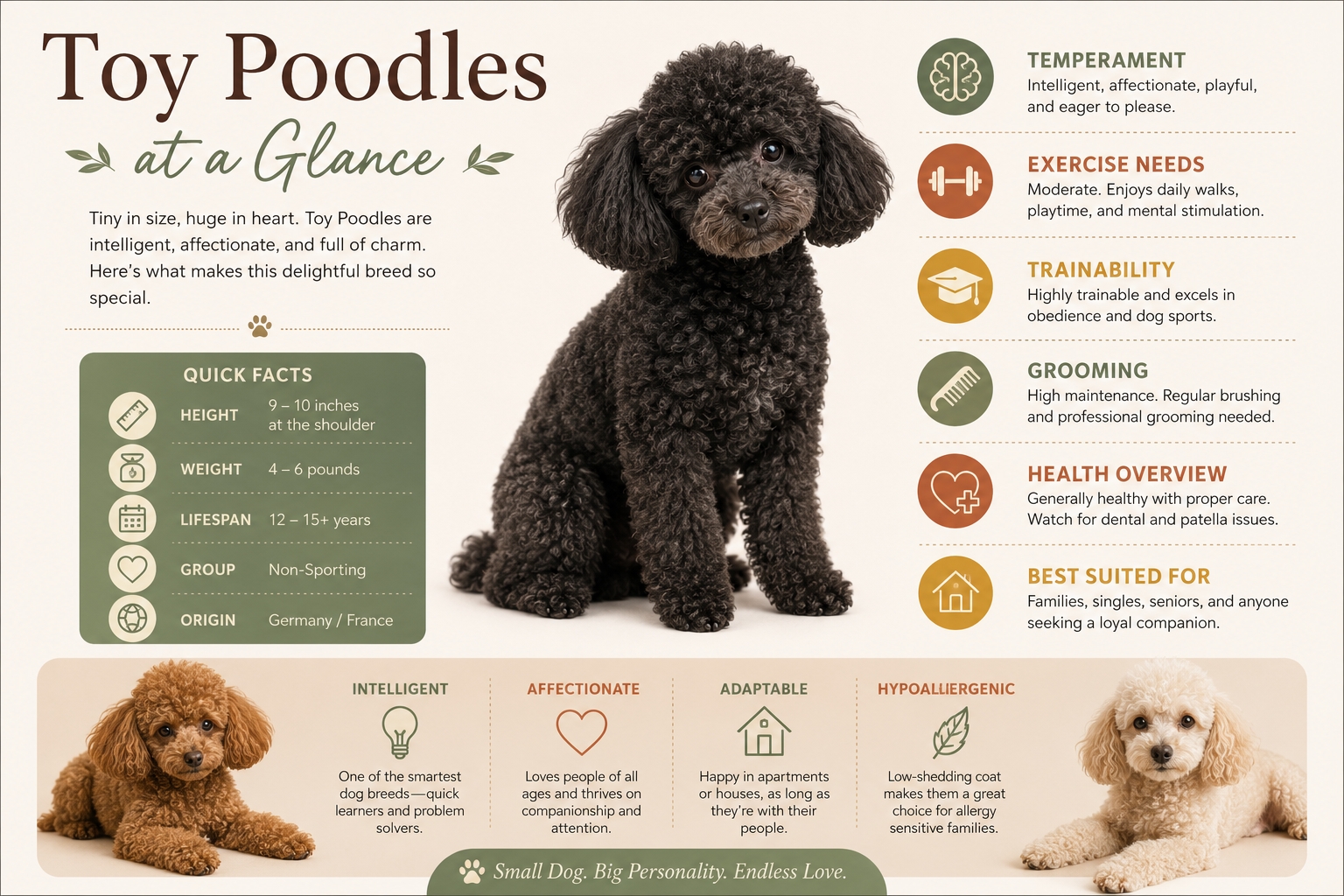
🐩 Toy Poodle at a Glance
Looking for the quick version? Here’s a snapshot of the Toy Poodle’s size, personality, care needs, and suitability for different lifestyles.
| Trait | Rating |
|---|---|
| 🧠 Intelligence | ⭐⭐⭐⭐⭐ |
| ❤️ Affection | ⭐⭐⭐⭐⭐ |
| 🎓 Trainability | ⭐⭐⭐⭐⭐ |
| 👨👩👧👦 Family Friendly | ⭐⭐⭐⭐⭐ |
| 🐾 Good With Other Pets | ⭐⭐⭐⭐⭐ |
| 🏙️ Apartment Living | ⭐⭐⭐⭐⭐ |
| 👴 Good for Seniors | ⭐⭐⭐⭐⭐ |
| ✂️ Grooming Needs | ⭐⭐⭐⭐⭐ |
| 🐕 Shedding | ⭐☆☆☆☆ |
| 🏃 Exercise Needs | ⭐⭐⭐☆☆ |
| 🔊 Barking Tendency | ⭐⭐⭐☆☆ |
| ⏳ Life Expectancy | 14–18 Years |
Quick Facts
- Height: Up to 10 inches (25 cm)
- Weight: 4–6 pounds (1.8–2.7 kg)
- Coat: Dense, curly, low-shedding
- Colors: Black, white, apricot, cream, red, silver, blue, brown, café-au-lait, and more
- Temperament: Intelligent, affectionate, playful, alert, and eager to please
- Best For: First-time owners, families, seniors, and apartment living
- AKC Group: Non-Sporting Group
🏆 DogPage Awards
The Toy Poodle consistently ranks among the world’s finest companion dogs. Combining exceptional intelligence, an affectionate personality, and remarkable adaptability, this breed excels in a wide variety of homes and lifestyles. Here are DogPage’s awards for the Toy Poodle.
🥇 Best Small Dog for First-Time Owners
Highly trainable, eager to please, and remarkably adaptable, the Toy Poodle is one of the easiest breeds for new dog owners to live with.
🧠 Canine Genius Award
Consistently ranked among the three most intelligent dog breeds in the world, Toy Poodles excel at learning, problem-solving, and advanced training.
🏙️ Apartment Living Champion
Their compact size and adaptable nature make Toy Poodles one of the very best breeds for apartment and condominium living.
❤️ Outstanding Companion Dog
Few breeds form such close emotional bonds with their owners. Toy Poodles thrive on companionship and love being included in everyday life.
✂️ Low-Shedding Favorite
Although regular grooming is essential, the Toy Poodle’s low-shedding coat makes it a popular choice for many allergy-conscious households.
👴 Senior’s Choice Award
Their manageable size, affectionate temperament, and moderate exercise needs make Toy Poodles wonderful companions for many active seniors.
📜 History of the Toy Poodle
Despite their elegant appearance and reputation as fashionable companion dogs, Poodles were originally bred as hardworking water retrievers. The breed is believed to have originated in Germany, where the name “Pudel” referred to splashing in water, before being refined and popularized in France, where it became the country’s national dog.
The Standard Poodle was developed first as an athletic hunting dog capable of retrieving ducks and other waterfowl. Over time, breeders selectively developed smaller versions that retained the intelligence, athleticism, and trainability of their larger ancestors while being better suited to life as companion animals. This led to the Miniature Poodle and eventually the Toy Poodle.
During the 18th and 19th centuries, Toy Poodles became favorites among European royalty and aristocracy. Their elegant appearance, remarkable intelligence, and entertaining personalities made them prized companions in royal courts and fashionable homes. They also gained popularity as circus performers, where their ability to quickly learn complex tricks delighted audiences around the world.
Today, Toy Poodles continue to excel in a remarkable range of activities. In addition to being beloved family pets, they compete successfully in obedience, agility, rally, scent work, and trick dog competitions. Many also serve as therapy dogs, bringing comfort and companionship to people in hospitals, schools, and care facilities.
💡 Did You Know?
The famous Poodle haircut wasn’t originally designed for beauty. Hunters clipped working Poodles to improve their swimming ability while leaving strategically placed pom-poms of hair to help protect their joints and vital organs in cold water.
❤️ Toy Poodle Personality & Temperament
 If there is one trait that defines the Toy Poodle above all others, it’s intelligence. Widely regarded as one of the smartest dog breeds in the world, Toy Poodles are quick learners that thrive on mental stimulation and close interaction with their families. Their remarkable ability to understand new commands, solve problems, and adapt to different situations makes them both fascinating companions and exceptionally rewarding pets.
Despite their elegant appearance, Toy Poodles are playful, energetic little dogs with a wonderful sense of humor. They love interactive games, learning new tricks, and participating in everyday family life. Whether they’re following you from room to room, playing fetch in the garden, or curling up on your lap after a busy day, they genuinely enjoy being wherever their people are.
Toy Poodles form deep emotional bonds with their families and are happiest when included in daily activities. They are affectionate without being overly demanding and often seem remarkably in tune with their owners’ moods. Many owners describe their Toy Poodle as almost human-like because of their expressive faces, keen observation skills, and ability to anticipate routines.
Although friendly and outgoing with people they know, Toy Poodles may be somewhat reserved around strangers until properly introduced. Early socialization helps them develop into confident, well-adjusted adults that are comfortable in a wide variety of situations. Their alert nature also makes them excellent little watchdogs, as they’re usually quick to announce visitors without being excessively aggressive.
Because they’re so intelligent, Toy Poodles need regular mental stimulation to stay happy. Puzzle toys, obedience training, scent games, trick training, and interactive play all help prevent boredom. Without enough mental and physical activity, they may develop nuisance barking or other unwanted behaviours simply because they’re looking for something to do.
Overall, the Toy Poodle is a joyful, affectionate, and highly adaptable companion that fits beautifully into many different lifestyles. Whether living with a busy family, an active retiree, or a first-time dog owner willing to invest time in training and companionship, they have an extraordinary ability to become cherished members of the household.
💡 Did You Know?
Toy Poodles are widely recognized as one of the three most intelligent dog breeds in the world. Many can learn new commands after only a handful of repetitions and happily continue learning throughout their lives.
❤️ DogPage Recommendation
Challenge your Toy Poodle’s mind as often as you exercise their body. Short training sessions, food puzzles, scent games, and learning new tricks help satisfy their remarkable intelligence while strengthening the bond you share.
⚠️ Common Mistake to Avoid
Don’t mistake a Toy Poodle’s small size for low energy or low intelligence. These dogs need regular mental stimulation and companionship. A bored Toy Poodle is far more likely to invent their own entertainment—usually in ways their owner won’t appreciate!
📏 Toy Poodle Size & Appearance
The Toy Poodle is the smallest of the three Poodle varieties, combining elegance, athleticism, and surprising sturdiness in a compact package. Standing no more than 10 inches (25 cm) tall at the shoulder and typically weighing between 4 and 6 pounds (1.8–2.7 kg), these tiny dogs are perfectly sized for apartment living while remaining agile enough to enjoy walks, games, and canine sports.
One of the Toy Poodle’s most distinctive features is its beautiful, dense, curly coat. Unlike most dog breeds, Poodles have hair rather than fur, meaning they shed very little. Their continuously growing coat requires regular brushing and professional grooming, but it also contributes to their popularity among many allergy-conscious households. While no dog is truly hypoallergenic, Toy Poodles produce less loose hair and dander than many other breeds.
The breed has a refined, squarely proportioned body with long, straight legs that give it an elegant, graceful appearance. Their proud posture, light-footed movement, and effortless gait reflect their athletic heritage as water retrievers rather than simply companion dogs.
The Toy Poodle’s expressive face is equally charming. Dark, oval-shaped eyes sparkle with intelligence and curiosity, while their long ears hang close to the head and are covered in soft curls. Combined with their alert expression and confident carriage, they often appear to be studying everything happening around them.
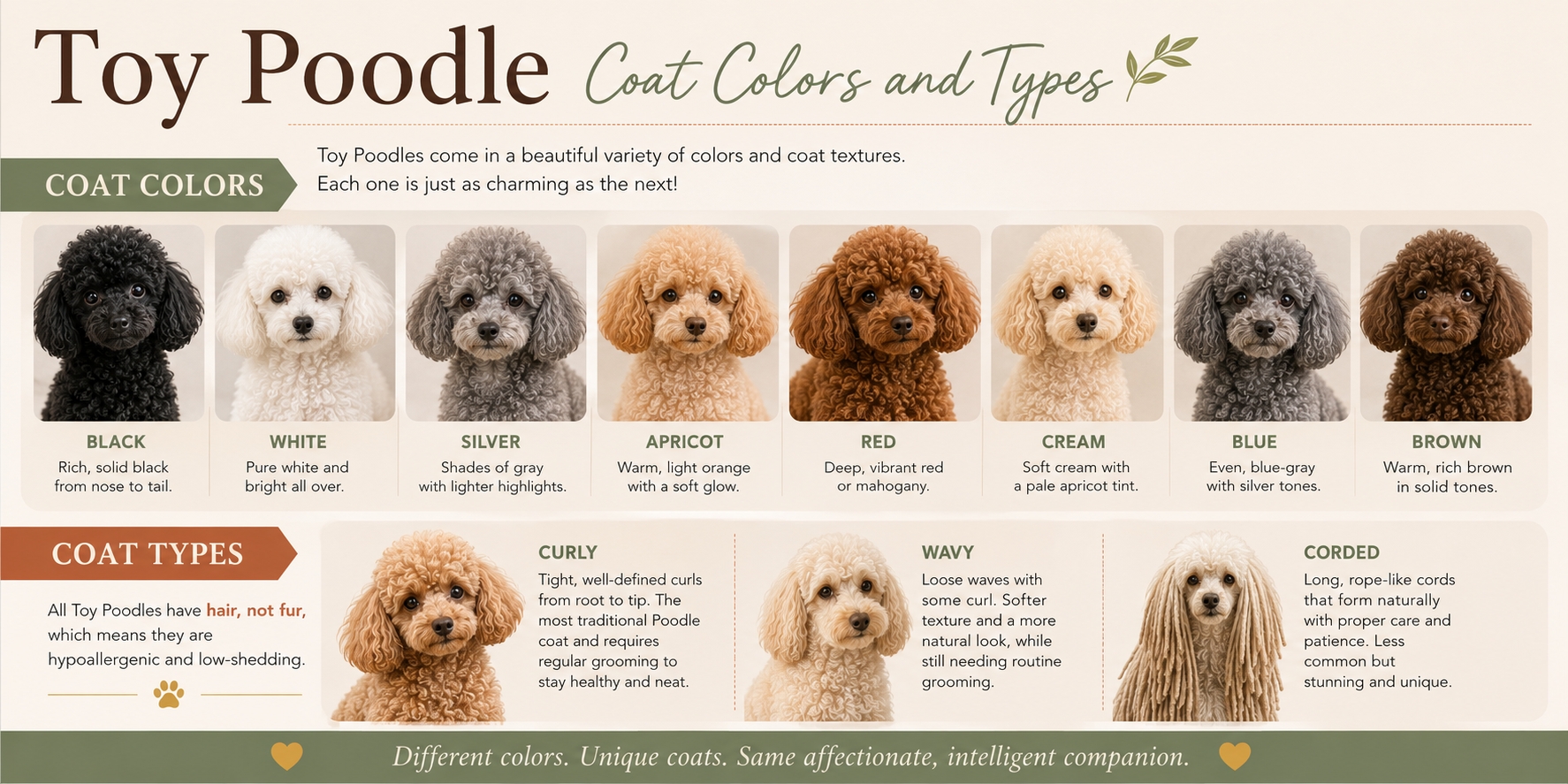
Toy Poodles come in an impressive range of solid colours, including black, white, apricot, cream, brown, silver, blue, café-au-lait, and red. Regardless of colour, the breed is admired for its elegant appearance, distinctive curly coat, and timeless beauty.
💡 Did You Know?
Although many people think of the elaborate “show clip” when they picture a Poodle, most family pets wear a simple puppy clip or teddy bear trim that’s much easier to maintain while still showcasing the breed’s beautiful curls.
❤️ DogPage Recommendation
Choose a grooming style that suits your lifestyle rather than following show-ring traditions. A practical pet trim is easier to maintain, keeps your Toy Poodle comfortable, and still highlights the breed’s elegant appearance.
⚠️ Common Mistake to Avoid
Don’t assume a Toy Poodle is too delicate for an active lifestyle. Despite their small size and elegant appearance, they are surprisingly athletic little dogs that enjoy daily walks, games, and mentally stimulating activities.
📸 Toy Poodle Photo Gallery
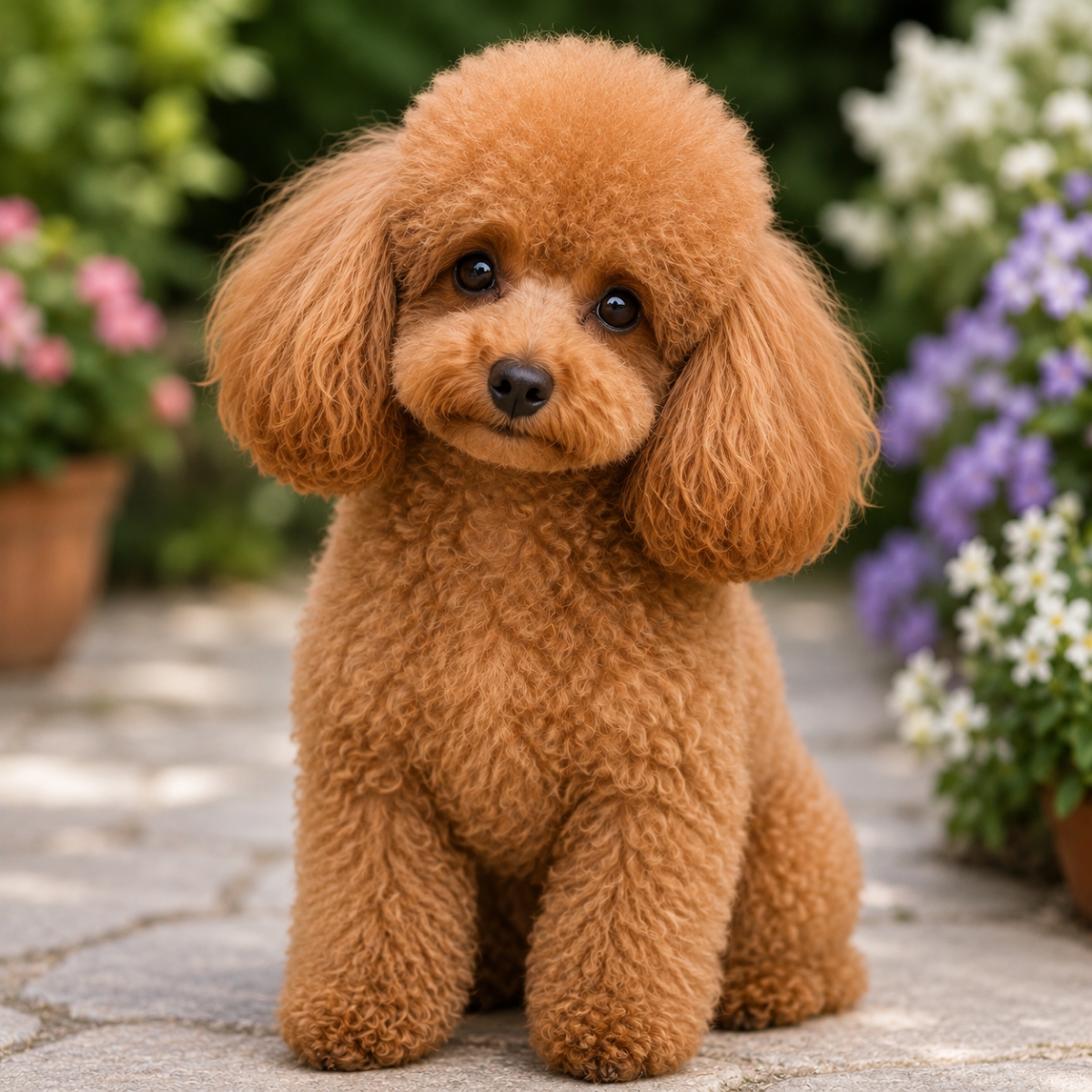
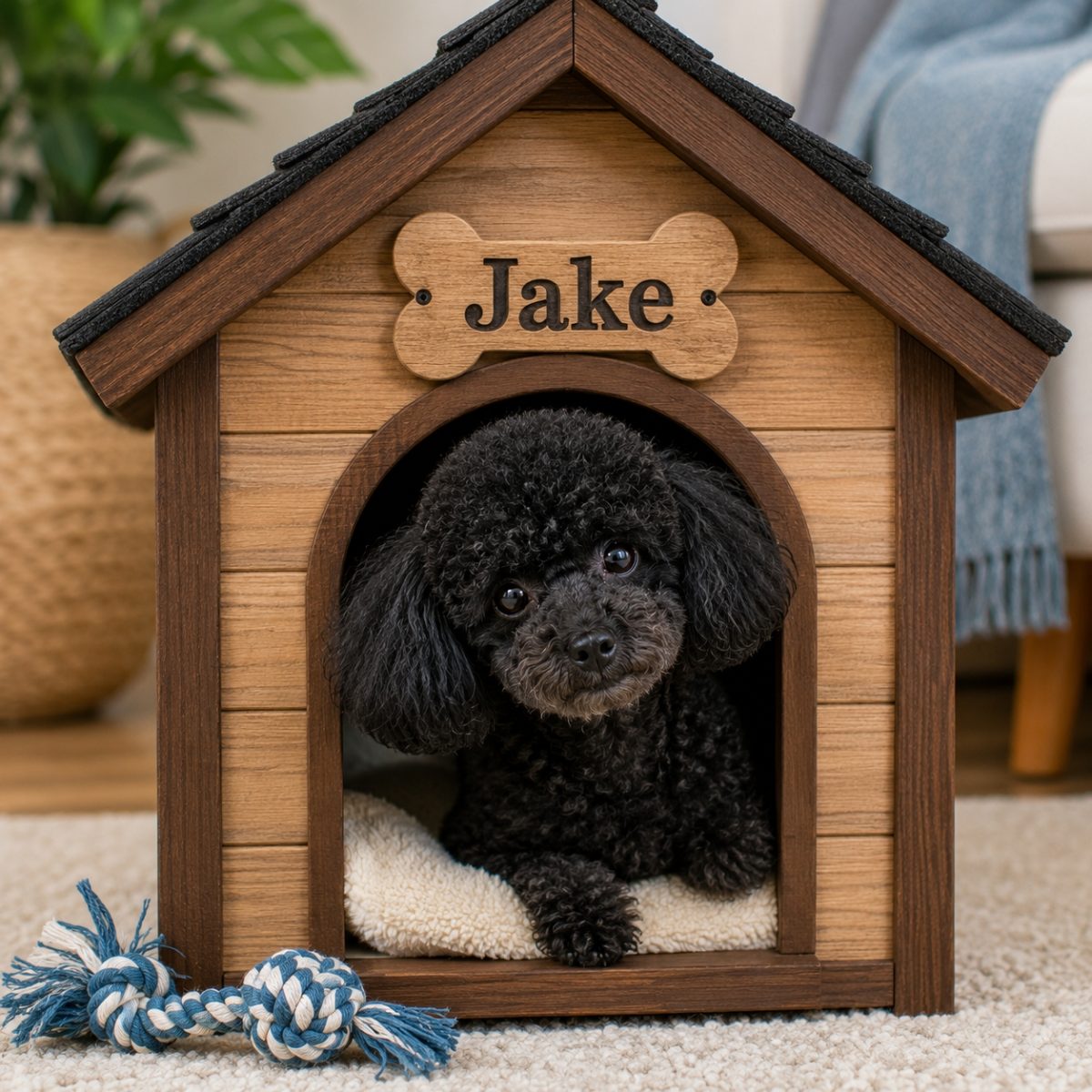
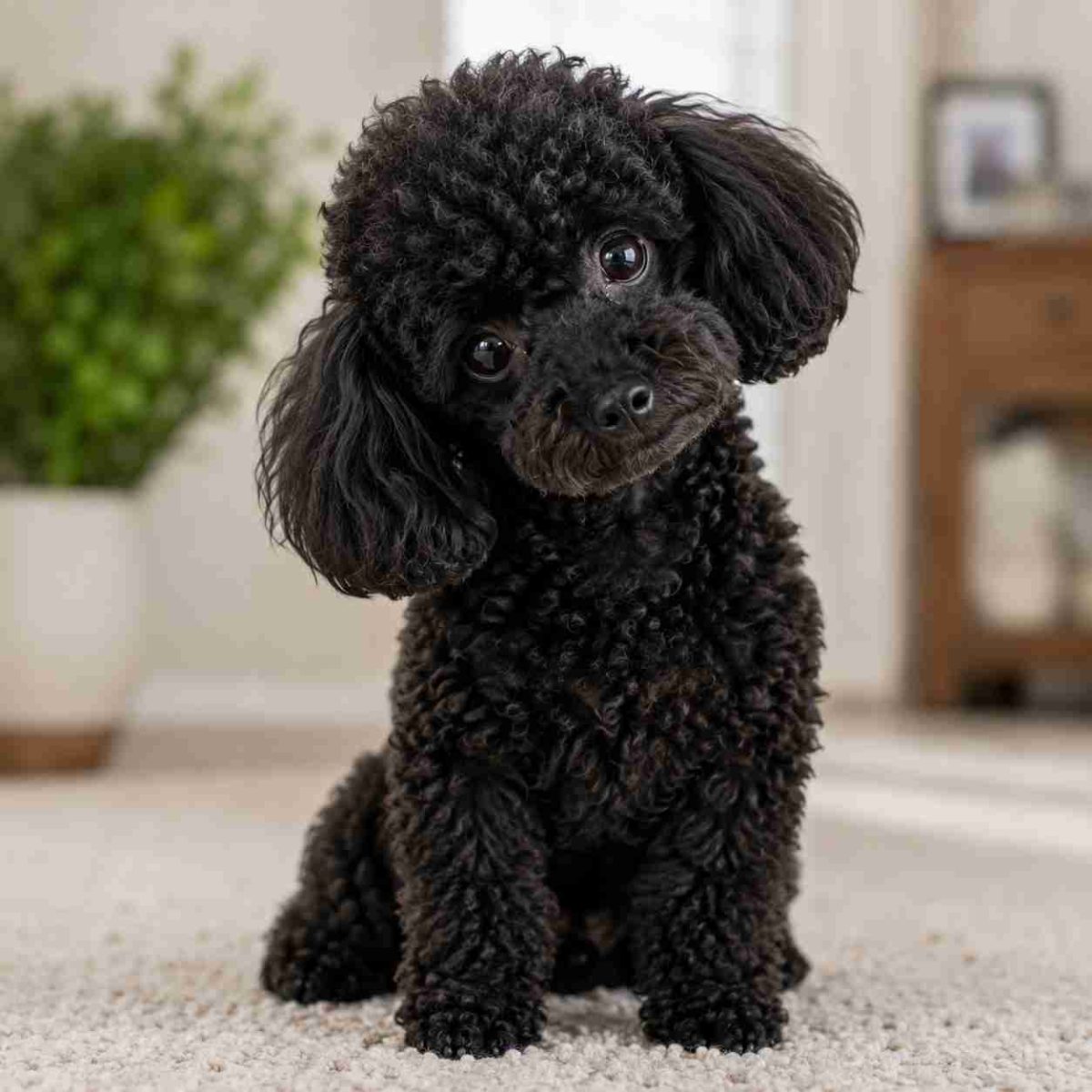
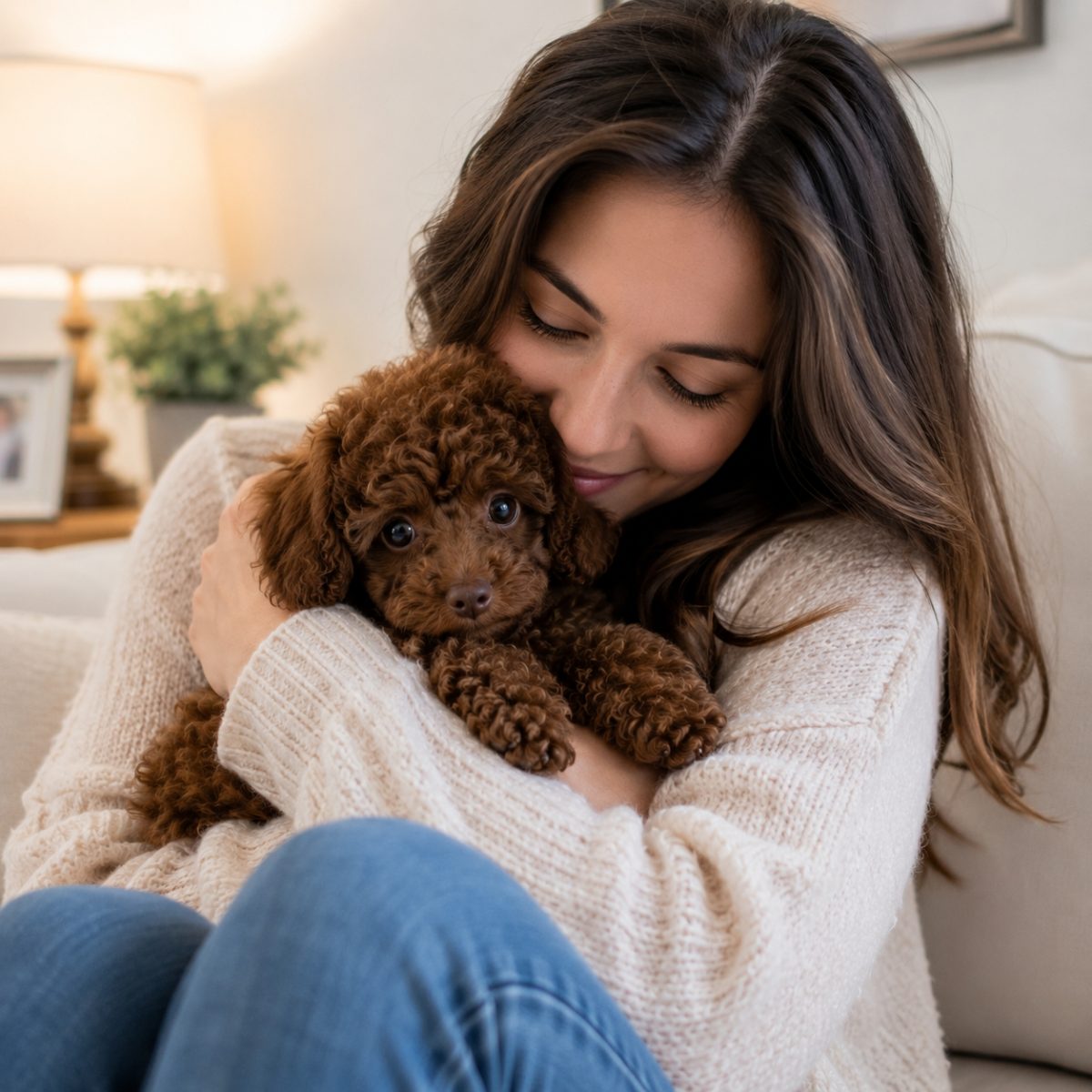
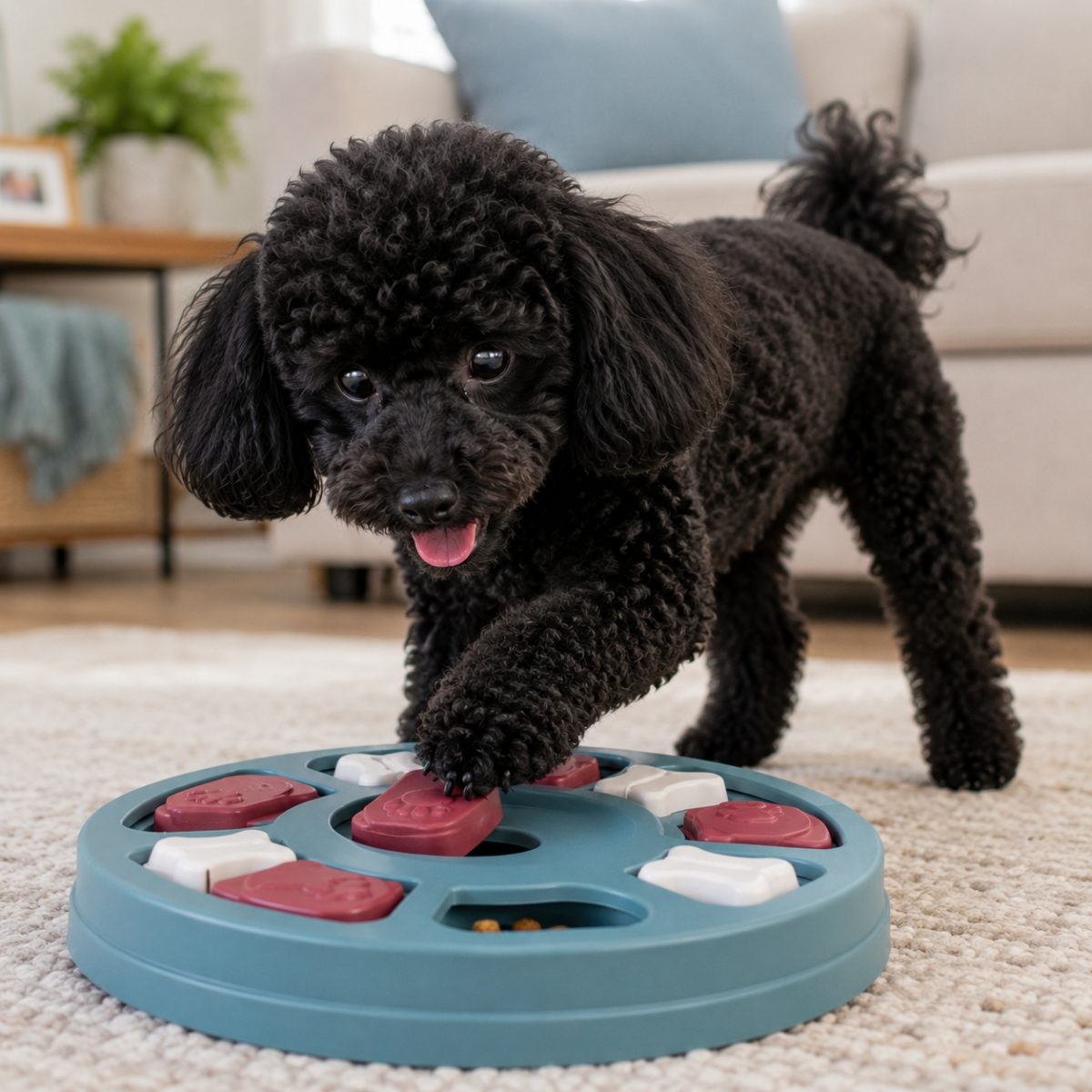
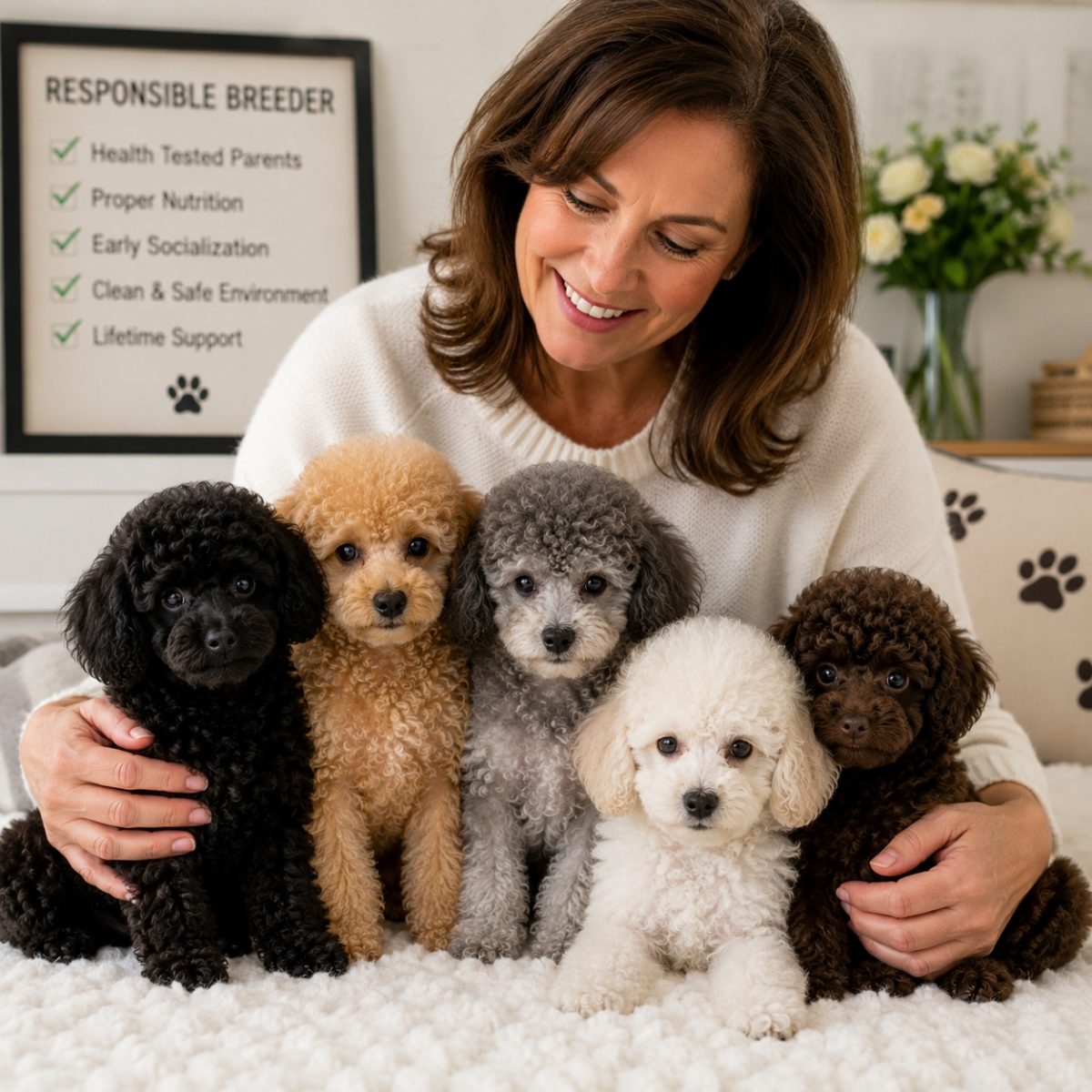
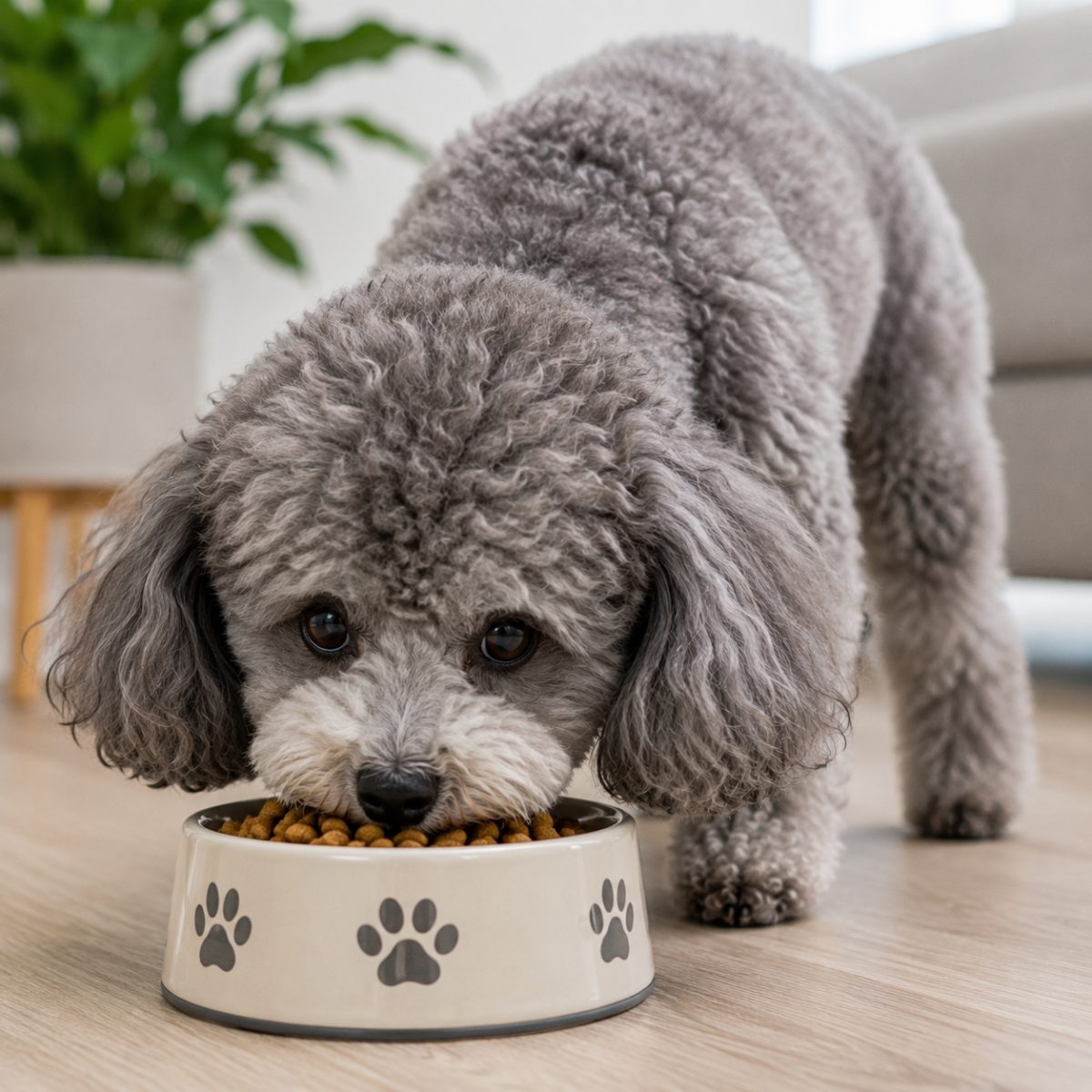
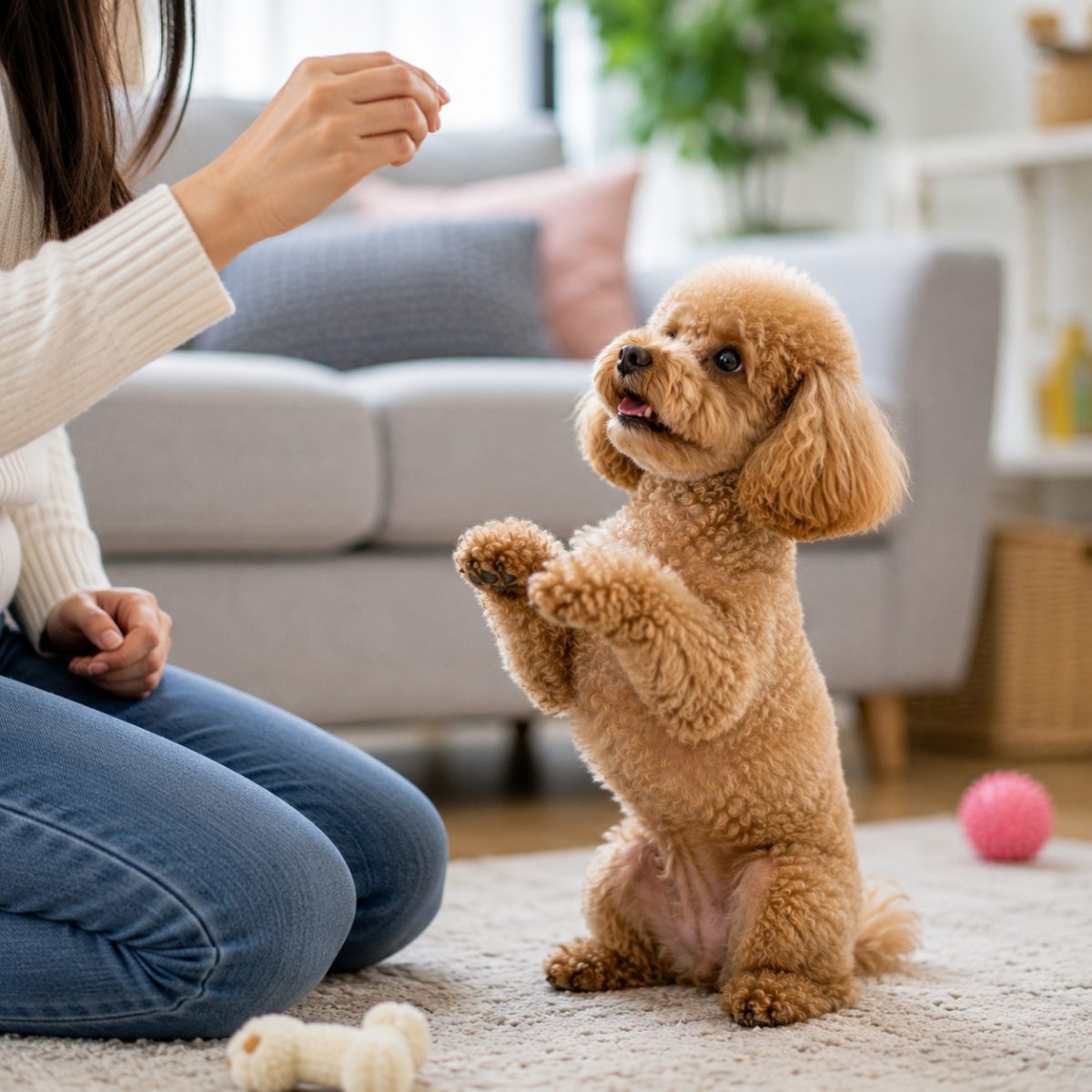
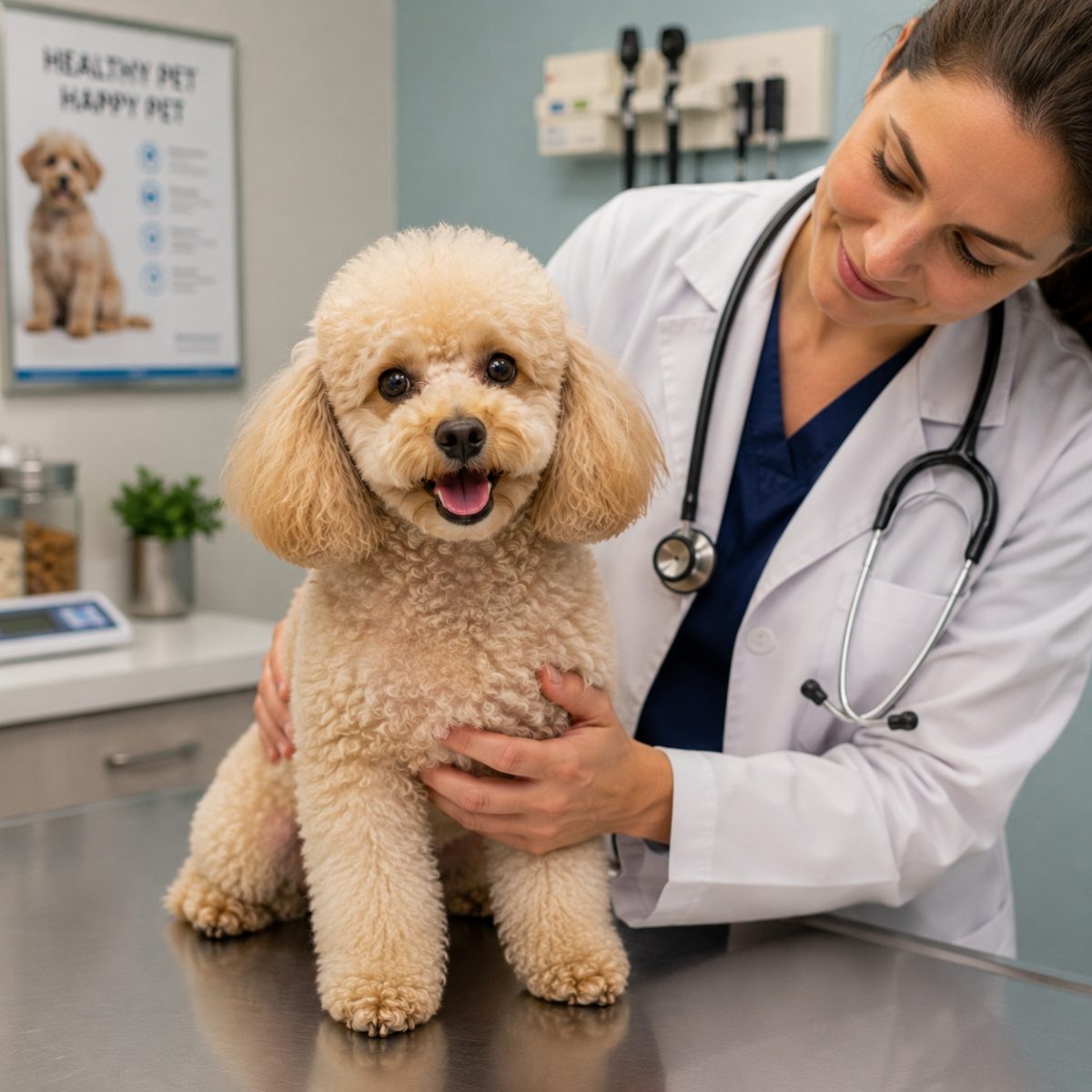
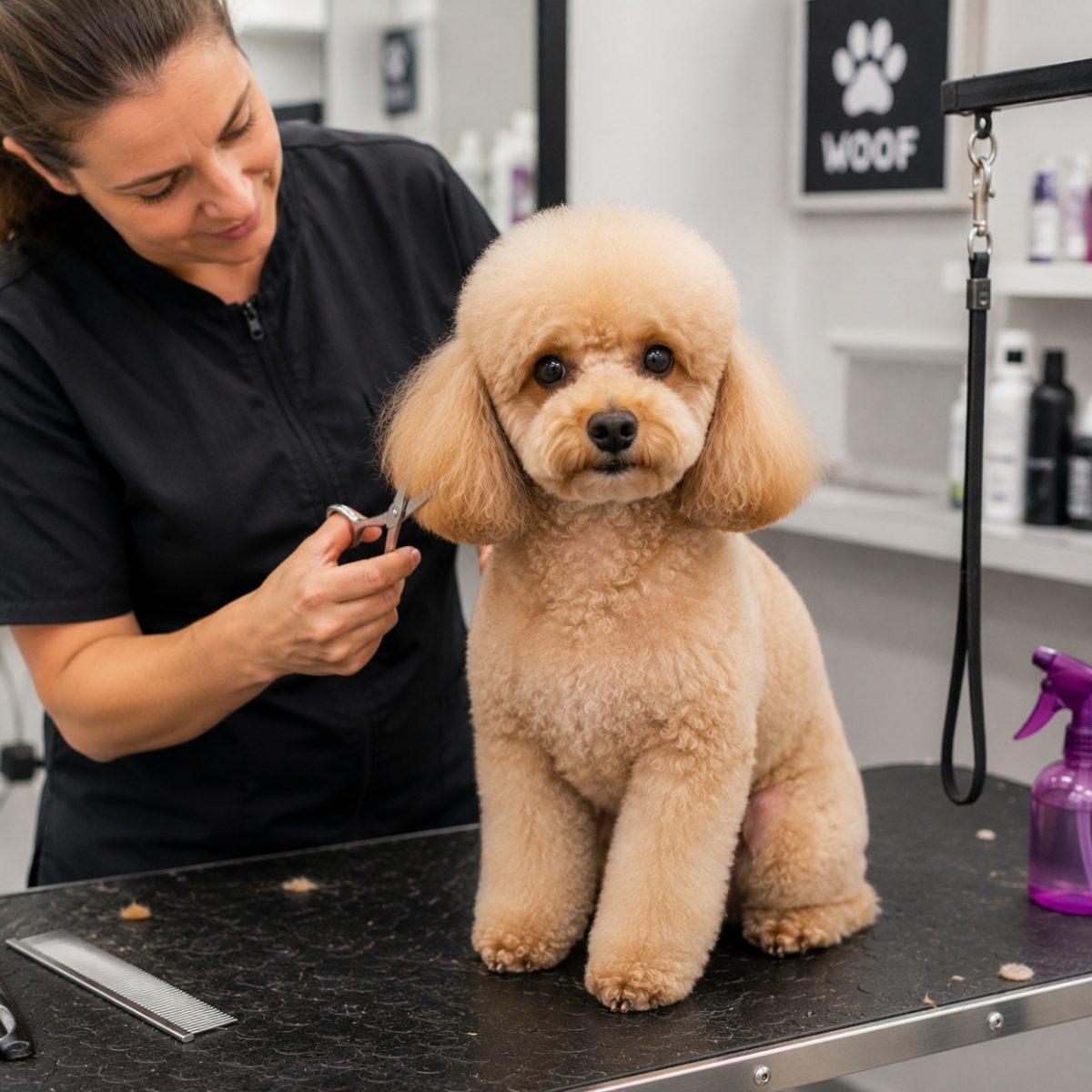
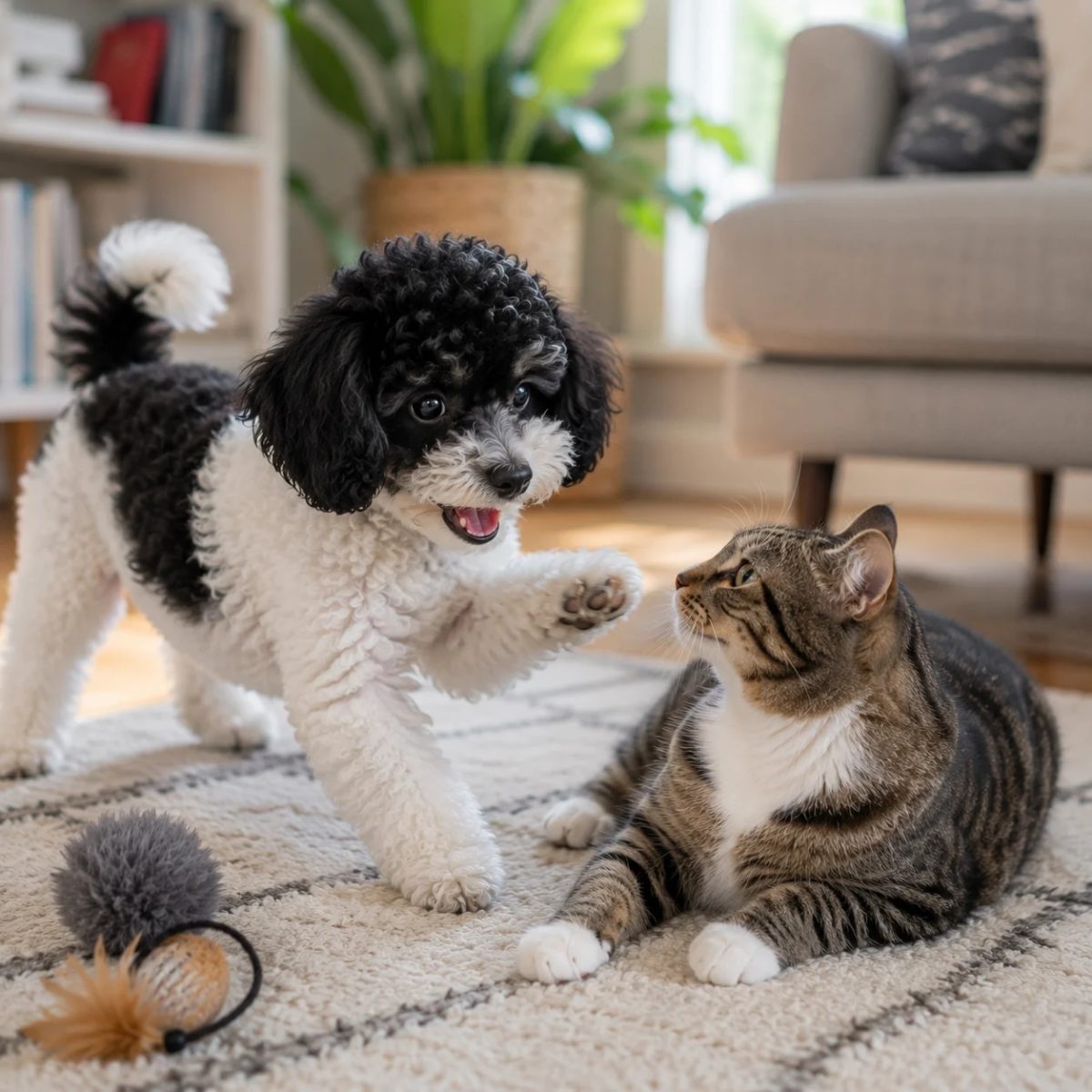
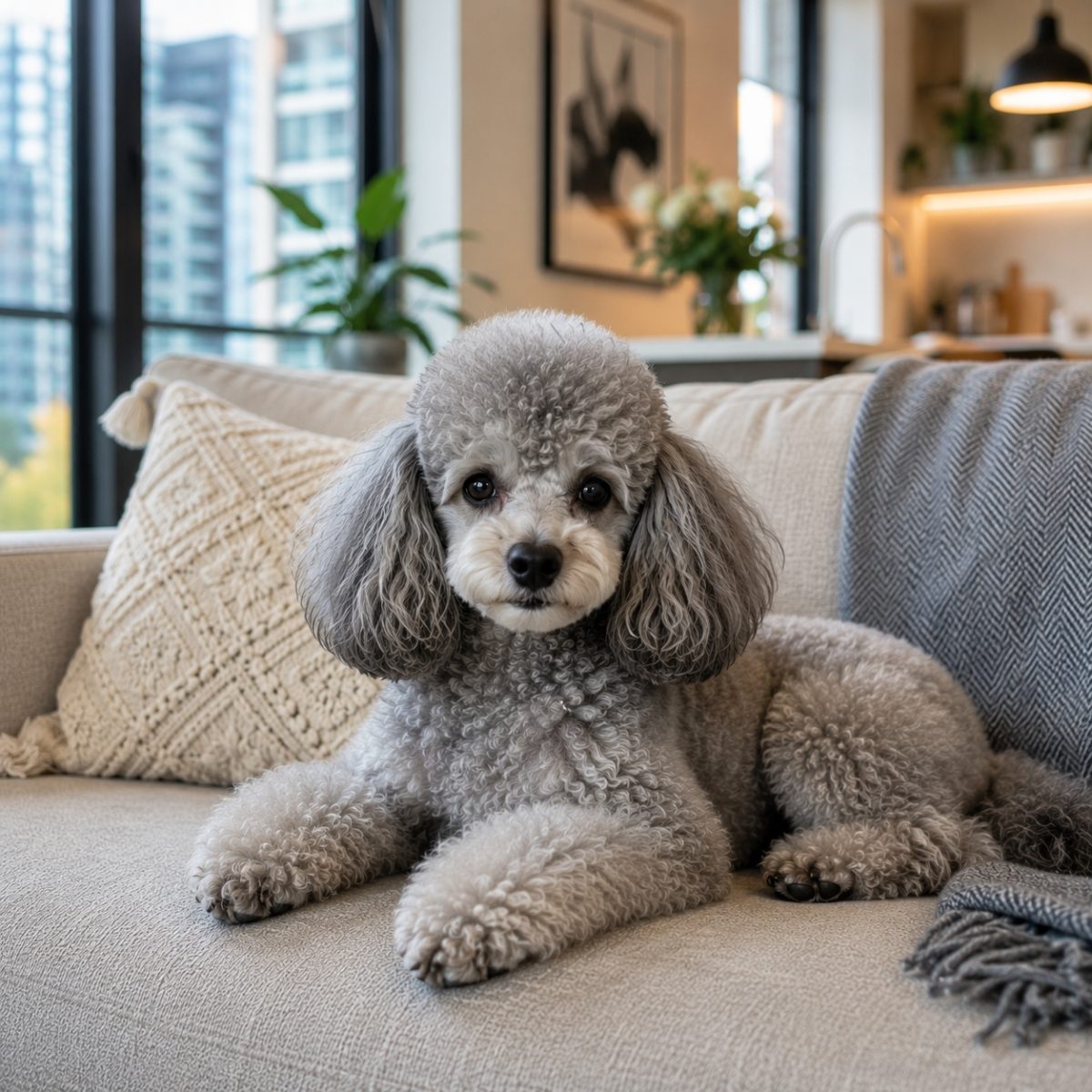
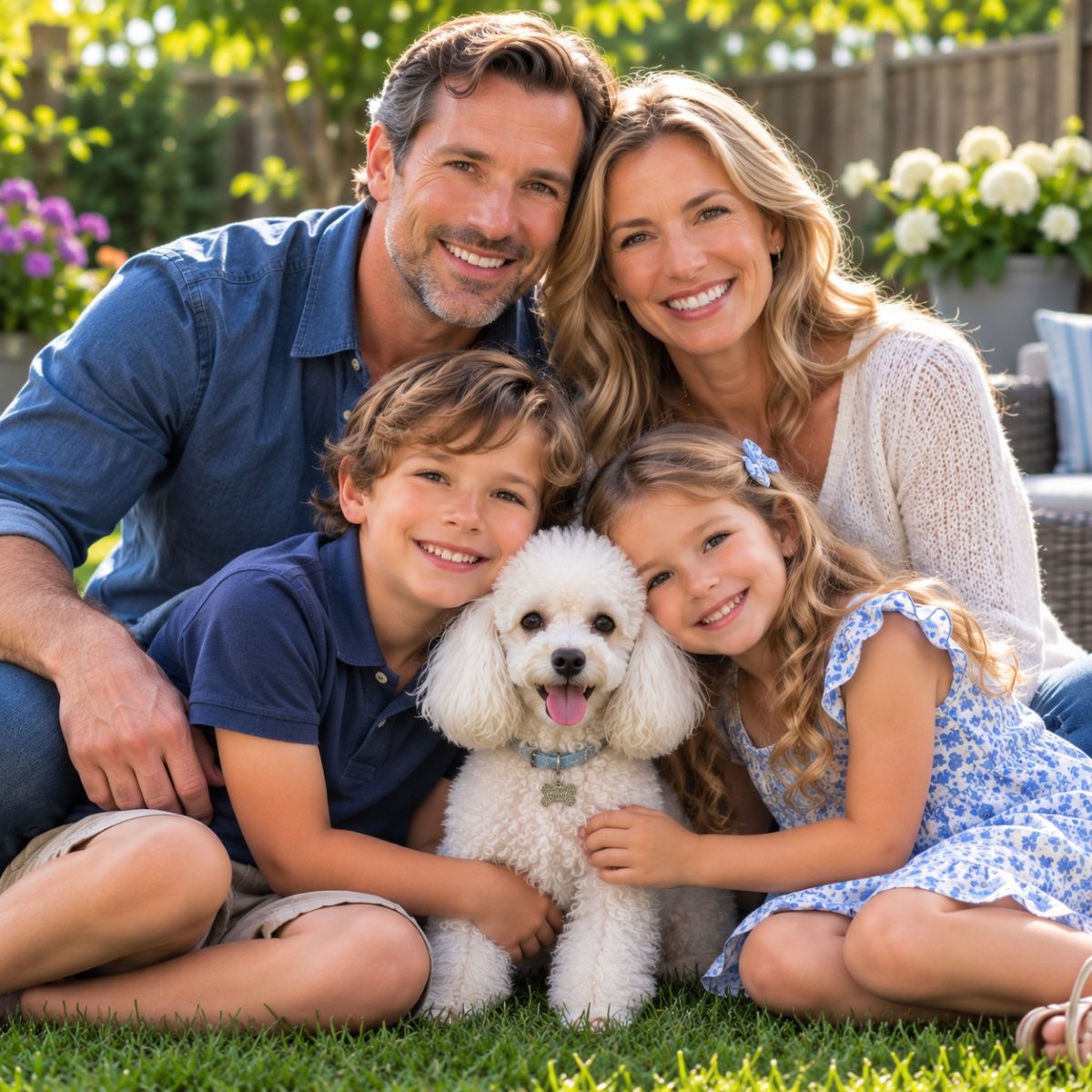
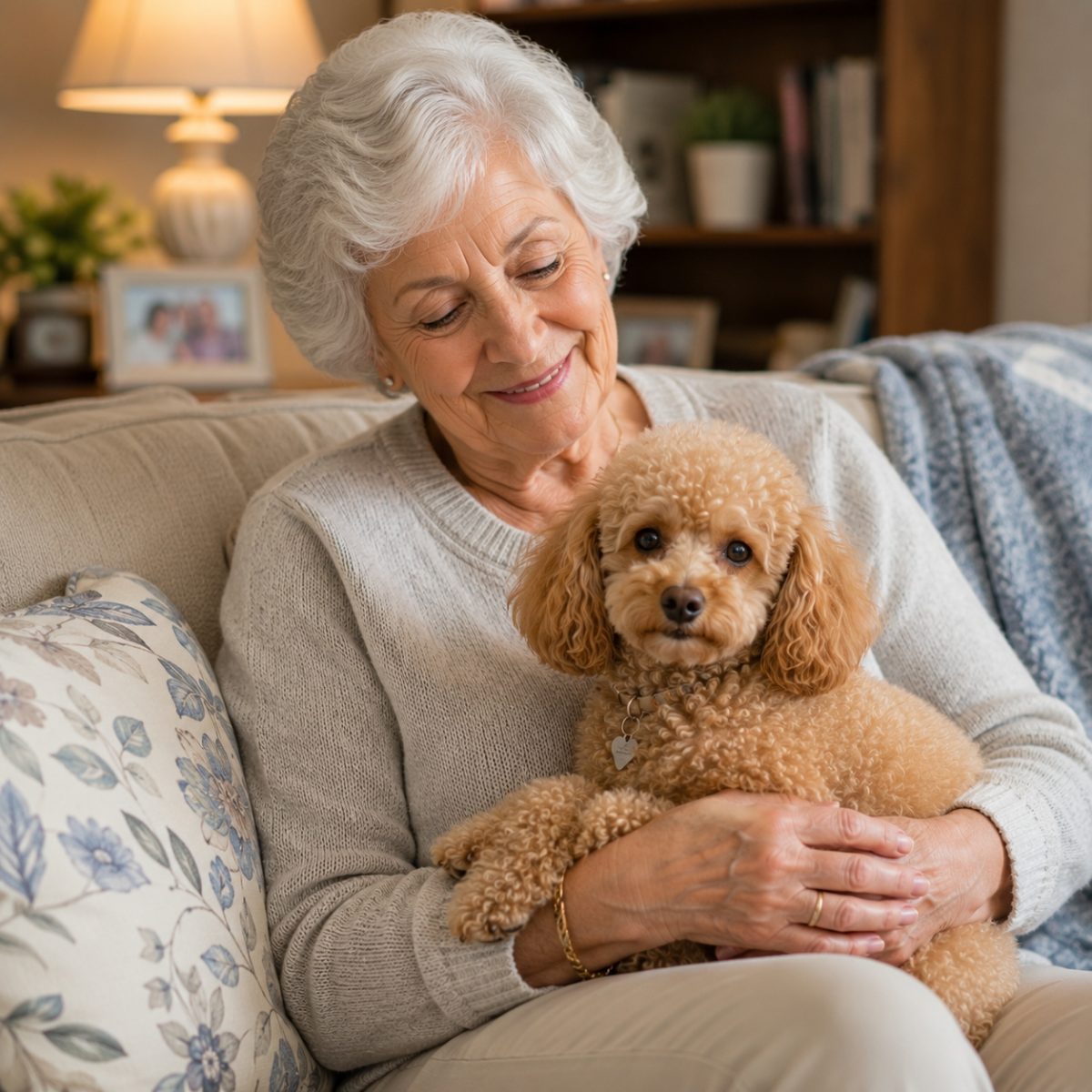
From fluffy puppies with irresistible teddy bear faces to beautifully groomed adults displaying the breed’s signature elegance, Toy Poodles are among the most photogenic of all dog breeds. Their intelligence, expressive eyes, and remarkable variety of coat colours mean no two Toy Poodles look exactly alike.
Browse the gallery below to see Toy Poodles enjoying family life, outdoor adventures, training sessions, and everyday companionship. You’ll also see examples of different coat colours, grooming styles, and life stages to help you appreciate the versatility and charm that have made this breed a favourite around the world.
Whether you prefer the practical “teddy bear” trim or admire the breed’s classic show appearance, one thing remains constant—Toy Poodles combine beauty, athleticism, and personality in one remarkably compact package.
🎨 Toy Poodle Coat Colors & Varieties
The Toy Poodle is recognized in an impressive range of beautiful solid coat colours, allowing prospective owners to choose a dog that matches both their personal taste and the breed’s unmistakable elegance. While coat colour has no effect on temperament or intelligence, it certainly adds to the Toy Poodle’s widespread appeal.
Recognized colours vary slightly between kennel clubs but commonly include black, white, cream, apricot, red, silver, blue, brown, café-au-lait, and silver beige. Some colours lighten naturally as puppies mature, particularly silver and blue Toy Poodles, which often undergo noticeable coat changes during their first two years of life.
Regardless of colour, every Toy Poodle has the same dense, curly, low-shedding coat that requires regular grooming to prevent mats and tangles. Many owners choose practical pet trims that are easier to maintain, while others enjoy the elegant styling associated with the breed’s rich show history.
It’s important to note that responsible breeders prioritize health, temperament, and sound structure over producing fashionable or unusual colours. A healthy, well-socialized Toy Poodle from health-tested parents will almost always be a better choice than selecting a puppy based solely on coat colour.
💡 Did You Know?
Silver Toy Poodles are usually born black or very dark gray. Their distinctive silver coat gradually develops over the first 18 to 24 months as the puppy matures.
❤️ DogPage Recommendation
Choose your Toy Poodle for its personality, health, and breeder quality—not simply its colour. The happiest owners usually fall in love with the dog, not just the coat.
⚠️ Common Mistake to Avoid
Be cautious of breeders charging premium prices for “rare” colours. Ethical breeders focus on producing healthy, well-adjusted puppies rather than marketing unusual colours as more valuable.
Are Toy Poodles Hypoallergenic?
 No dog is completely hypoallergenic, but Toy Poodles are widely considered one of the better small breeds for people with mild dog allergies.
Their dense, curly coat sheds very little and tends to trap loose hair and dander rather than releasing as much of it into the home. Regular brushing, bathing, and professional grooming can help reduce allergens even further.
That said, people can react to proteins found in a dog’s dander, saliva, or urine, so individual responses vary. Spending time with a Toy Poodle before bringing one home is the best way to see how your allergies respond.
Why Toy Poodles Are Considered Allergy-Friendly
- Low-shedding, curly coat
- Less loose hair around the home
- Regular grooming helps control dander
- Often recommended for people with mild dog allergies
👨👩👧👦 Are Toy Poodles Good With Children?
Toy Poodles are generally excellent family dogs and often develop deep, affectionate bonds with children. Playful, intelligent, and eager to be involved in family life, they enjoy games, learning new tricks, and spending time with their favorite people. Their friendly nature makes them wonderful companions for families who understand the needs of a small dog.
Because Toy Poodles are one of the smallest members of the Poodle family, they are more delicate than larger breeds. Accidental falls, rough play, or being picked up incorrectly can easily result in injuries. For this reason, interactions between Toy Poodles and toddlers or very young children should always be supervised by an adult.
Older children who understand how to handle dogs gently often form exceptionally close relationships with Toy Poodles. These highly intelligent dogs love participating in training games, learning tricks, playing fetch, and accompanying children on walks or outdoor adventures. Their eagerness to please makes them enthusiastic playmates while remaining gentle and affectionate.
Early socialization and positive experiences with children help Toy Poodles grow into confident, well-mannered family companions. Like all dogs, they should also have a quiet place where they can rest undisturbed whenever they need a break.
💡 Did You Know?
Toy Poodles are often described as “people dogs” because they genuinely enjoy being involved in family activities and usually prefer spending time with their owners over being left alone.
❤️ DogPage Recommendation
Teach children to sit on the floor when holding or cuddling a Toy Poodle. This simple habit greatly reduces the risk of accidental falls and injuries while helping the dog feel safe and secure.
⚠️ Common Mistake to Avoid
Never assume that because a Toy Poodle is small, it’s the perfect pet for very young children. Their tiny size makes gentle handling especially important, and supervision is essential whenever young children and dogs interact.
🐾 Are Toy Poodles Good With Other Pets?
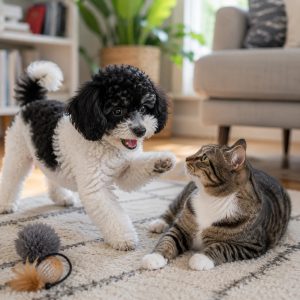 Toy Poodles are generally excellent companions for other pets. Their friendly, intelligent, and adaptable nature allows them to get along well with other dogs, and many also live happily with cats when introduced properly. Because they enjoy companionship, Toy Poodles often appreciate having another friendly pet to share their home with.
Early socialization plays a key role in helping Toy Poodles develop good manners around other animals. Puppies that are introduced to a variety of friendly dogs, cats, and everyday situations are more likely to grow into confident, well-adjusted adults that interact politely with both familiar and unfamiliar pets.
Although Toy Poodles don’t usually have a strong prey drive, every dog is an individual. Smaller household pets such as rabbits, guinea pigs, hamsters, birds, and reptiles should always be introduced carefully and supervised appropriately. Positive, gradual introductions help create a safe and harmonious household for everyone.
If you’re adding a Toy Poodle to a home with existing pets, take introductions slowly. Allow each animal to become comfortable at its own pace, provide separate feeding and resting areas initially, and reward calm, friendly behaviour. With patience and positive reinforcement, Toy Poodles often become wonderful companions for both dogs and cats.
💡 Did You Know?
Toy Poodles are highly social dogs and often enjoy having another friendly dog as a playmate. Many become lifelong companions with household cats, especially when they grow up together.
❤️ DogPage Recommendation
When introducing your Toy Poodle to another pet, keep the first few meetings calm and positive. Allow both animals to approach at their own pace, and reward relaxed behaviour with praise and treats.
⚠️ Common Mistake to Avoid
Don’t force new pets to interact immediately. Gradual introductions and supervised meetings build trust and greatly increase the chances of a happy, long-term relationship between your animals.
🐶 Toy Poodle Puppy Care
Bringing home a Toy Poodle puppy is an exciting experience, but these intelligent little dogs need patience, consistency, and plenty of positive experiences during their first year. Early training, socialization, and routine veterinary care help lay the foundation for a confident, healthy, and well-mannered adult dog.
Toy Poodle puppies are naturally curious and learn remarkably quickly. This makes puppyhood the ideal time to introduce basic obedience, household routines, gentle grooming, and positive experiences with people, other dogs, and new environments. Short, enjoyable training sessions work far better than long lessons, as young puppies have limited attention spans.
Because of their tiny size, Toy Poodle puppies require extra care around the home. Falls from furniture, being accidentally stepped on, or rough handling can result in serious injuries. Puppy-proofing your home and supervising young puppies closely helps keep them safe while they explore their new surroundings.
Establishing regular feeding schedules, toilet breaks, exercise, and quiet time also helps your puppy develop confidence and good habits. Remember that young Toy Poodles tire easily and need plenty of sleep to support healthy growth and development.
💡 Did You Know?
Young puppies may sleep 18 to 20 hours each day. Those frequent naps are essential for healthy brain development, growth, and learning.
❤️ DogPage Recommendation
Enroll your Toy Poodle in a well-run puppy socialization class after your veterinarian says it’s safe. Early positive experiences help build confidence while teaching valuable social skills.
⚠️ Common Mistake to Avoid
Don’t carry your puppy everywhere simply because they’re small. Safe exploration, gentle walks, and supervised experiences help build confidence and prevent fearful behaviour later in life.
For a complete guide to raising a happy, healthy puppy, visit our Small Dog Puppy Care Guide.
🏃 Exercise Needs
Although Toy Poodles are one of the smallest dog breeds, they are energetic, athletic, and surprisingly active. Bred from the highly capable Standard Poodle, they inherited not only exceptional intelligence but also a love of movement, play, and learning. Daily exercise is essential for keeping both their bodies and minds healthy.
Most healthy adult Toy Poodles benefit from 30 to 60 minutes of exercise each day. This can include brisk walks, games of fetch, indoor play sessions, and interactive toys. Because they are so intelligent, mental exercise is every bit as important as physical activity. Puzzle feeders, scent games, obedience training, and learning new tricks all help satisfy their active minds.
Toy Poodles excel in canine sports such as agility, rally obedience, trick dog competitions, and scent work. Even if you never compete, these activities provide an excellent outlet for their energy while strengthening the bond between you and your dog.
Their small size means they adapt well to apartment living, but don’t mistake that for being a low-energy breed. A Toy Poodle that doesn’t receive enough physical activity or mental stimulation may become bored, leading to excessive barking, destructive behaviour, or other unwanted habits.
Because Toy Poodles are sensitive to extreme temperatures, adjust exercise during very hot or cold weather. Several shorter walks and indoor games are often a better choice than one long outing during harsh conditions.
💡 Did You Know?
A 10-minute training session or puzzle game can tire a Toy Poodle almost as much as a long walk. Their remarkable intelligence means mental workouts are just as important as physical exercise.
❤️ DogPage Recommendation
Mix up your Toy Poodle’s routine with walks, training sessions, scent games, puzzle toys, and interactive play. Variety keeps this intelligent breed mentally engaged and helps prevent boredom.
⚠️ Common Mistake to Avoid
Don’t assume your Toy Poodle gets enough exercise simply by running around the house. Even small dogs need daily walks, opportunities to explore, and activities that challenge both their body and mind.
🎓 Training Your Toy Poodle
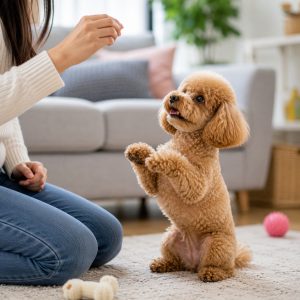 Training a Toy Poodle is one of the greatest joys of owning this remarkable breed. Consistently ranked among the world’s most intelligent dogs, Toy Poodles are quick learners that thrive on positive reinforcement, praise, and mental challenges. Many learn new commands after only a few repetitions and genuinely seem to enjoy showing off their skills.
Begin training as soon as your puppy comes home. Focus first on house training, responding to their name, coming when called, walking politely on a leash, and basic commands such as sit, stay, down, and leave it. Short, fun training sessions of five to ten minutes are far more effective than long lessons, especially for young puppies.
Toy Poodles are highly sensitive and respond best to gentle, reward-based methods. Harsh corrections or punishment can damage their confidence and may lead to fear or anxiety. Instead, use treats, toys, praise, and play to reward good behaviour and encourage learning.
Because they’re so intelligent, Toy Poodles need ongoing mental stimulation throughout their lives. Once they’ve mastered the basics, many enjoy learning advanced tricks, scent work, agility, rally obedience, or even therapy dog skills. Continuing to teach new behaviours keeps their minds active and strengthens the bond between dog and owner.
Early socialization is just as important as obedience training. Introduce your Toy Poodle to different people, friendly dogs, places, sounds, and everyday experiences while they’re young. These positive experiences help build a confident, well-adjusted adult that feels comfortable in a wide variety of situations.
💡 Did You Know?
Many professional trainers consider Toy Poodles among the easiest breeds to train because they combine exceptional intelligence with a genuine desire to work alongside their owners.
❤️ DogPage Recommendation
Keep training fun and varied. Mixing obedience, tricks, scent games, and puzzle toys prevents boredom while giving your Toy Poodle the mental exercise they crave.
⚠️ Common Mistake to Avoid
Don’t stop training once your Toy Poodle learns the basics. These highly intelligent dogs thrive on lifelong learning, and continuing to teach new skills helps prevent boredom and unwanted behaviours.
✂️ Toy Poodle Grooming Guide
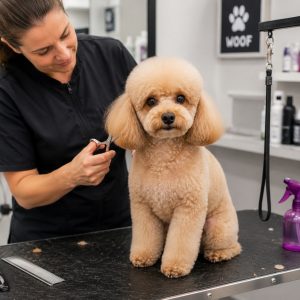 The Toy Poodle’s beautiful curly coat is one of the breed’s greatest attractions, but it also requires one of the highest levels of grooming care among companion dogs. Unlike many breeds that shed seasonally, the Toy Poodle’s hair grows continuously and sheds very little. While this helps reduce loose hair around the home, it also means regular brushing and professional grooming are essential to prevent painful mats and tangles.
Most Toy Poodles should be brushed at least three to four times a week, with daily brushing recommended for dogs kept in longer coats. Areas behind the ears, under the front legs, around the collar, and between the legs are especially prone to matting and should receive extra attention.
Professional grooming is usually recommended every six to eight weeks. Many owners choose practical styles such as the Teddy Bear Clip or Puppy Clip, which are easier to maintain than elaborate show trims while still highlighting the Toy Poodle’s charming appearance.
Regular grooming goes beyond coat care. Nails should be trimmed every few weeks, ears should be checked and cleaned regularly to help prevent infections, and teeth should be brushed daily whenever possible. Small breeds like the Toy Poodle are particularly susceptible to dental disease, making oral hygiene an important part of their overall health.
Introducing grooming routines during puppyhood helps ensure your Toy Poodle grows into a relaxed, cooperative adult. Gentle handling, frequent brushing, plenty of praise, and tasty rewards can turn grooming into a positive experience rather than a stressful one.
💡 Did You Know?
The elaborate Poodle clips seen in dog shows originated as practical working trims for water retrievers. The shaved areas reduced drag while swimming, while the rounded pom-poms protected joints and vital organs from cold water.
❤️ DogPage Recommendation
Book your Toy Poodle’s next grooming appointment before leaving the salon. Maintaining a regular six- to eight-week schedule keeps the coat healthy, minimizes matting, and makes each grooming session easier for both you and your dog.
⚠️ Common Mistake to Avoid
Don’t wait until your Toy Poodle’s coat becomes matted before brushing or scheduling a grooming appointment. Severe mats can pull painfully on the skin, trap moisture and dirt, and may require the coat to be clipped very short.
📚 Trusted Resources
At DogPage, we strive to provide accurate, evidence-based information to help you make informed decisions about your dog’s care. While every effort has been made to ensure this guide is current and reliable, it’s always a good idea to consult trusted veterinary and breed-specific resources for additional information.
- American Kennel Club (AKC)
Official breed standard, health information, responsible breeder referrals, and training resources. - Poodle Club of America
The official parent club for Poodles in the United States, offering breed education, health testing recommendations, grooming information, and breeder referrals. - Canadian Kennel Club (CKC)
Breed standards, responsible dog ownership resources, and breeder information for Canadian families. - The Kennel Club (UK)
Breed health initiatives, genetic testing information, and responsible ownership advice. - World Small Animal Veterinary Association (WSAVA)
International veterinary guidelines covering nutrition, vaccinations, preventive care, and lifelong health. - American Animal Hospital Association (AAHA)
Evidence-based veterinary recommendations for preventive healthcare, wellness exams, nutrition, and disease prevention.
❤️ DogPage Recommendation
No website can replace the advice of your veterinarian. Use this guide as a starting point, but always work with your veterinary team to make healthcare decisions that are tailored to your Toy Poodle’s individual needs.
Information on DogPage is provided for educational purposes only and should not be considered a substitute for professional veterinary advice. Always consult your veterinarian regarding your dog’s health, nutrition, or medical concerns.
🍗 Feeding & Nutrition
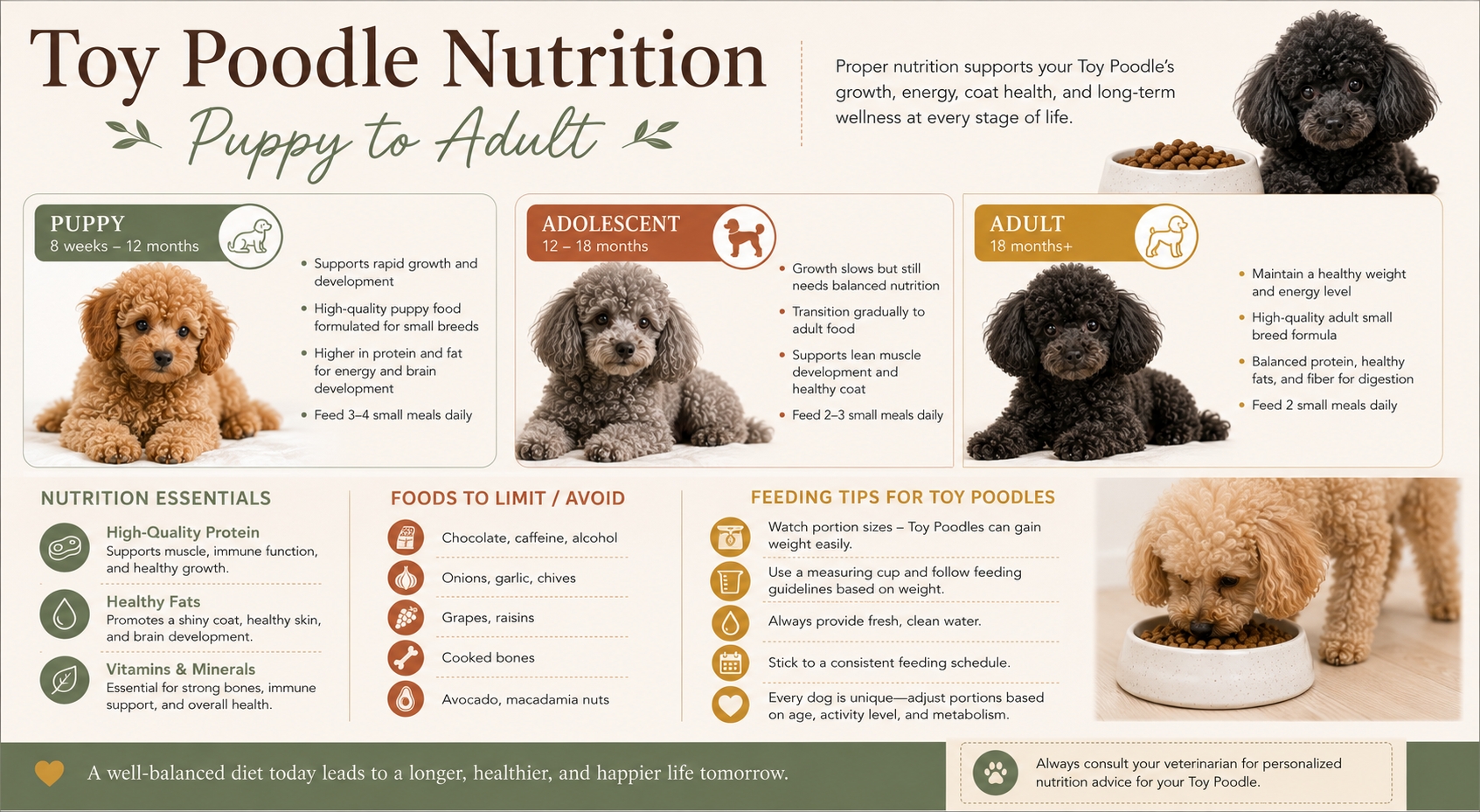
 Proper nutrition plays a vital role in helping your Toy Poodle live a long, healthy, and active life. Despite their tiny size, Toy Poodles are energetic dogs with fast metabolisms, so they need a high-quality, nutritionally balanced diet designed for small breeds.
Most adult Toy Poodles thrive on two measured meals per day, while puppies usually require three to four smaller meals to support their rapid growth and help maintain stable blood sugar levels. Always follow your veterinarian’s recommendations and adjust portions according to your dog’s age, activity level, metabolism, and body condition.
Choose a premium dog food that lists a high-quality animal protein as the first ingredient and contains appropriate levels of healthy fats, vitamins, and minerals. Fresh drinking water should always be available, and treats should make up no more than about 10% of your Toy Poodle’s daily calorie intake.
Because Toy Poodles are prone to dental disease, dry kibble may help reduce plaque buildup, although daily tooth brushing remains the most effective way to maintain good oral health. Avoid feeding cooked bones, excessive table scraps, or foods that are toxic to dogs, including chocolate, grapes, raisins, onions, garlic, xylitol, and alcohol.
Maintaining a healthy weight is one of the best things you can do for your Toy Poodle’s long-term health. Even carrying an extra pound places significant additional stress on a dog of this size and can increase the risk of joint problems and other health issues.
💡 Did You Know?
An extra pound may not sound like much, but for a five-pound Toy Poodle it’s the equivalent of a person carrying dozens of extra pounds. Keeping your dog lean can significantly improve both quality of life and longevity.
❤️ DogPage Recommendation
Measure your Toy Poodle’s food rather than estimating portions, monitor their weight regularly, and use healthy treats in moderation. If you’re unsure whether your dog is at an ideal weight, ask your veterinarian to perform a body condition assessment during routine check-ups.
⚠️ Common Mistake to Avoid
Don’t overfeed simply because your Toy Poodle seems hungry. These intelligent little dogs quickly learn how to charm extra treats from their owners, and obesity can shorten their lifespan and contribute to numerous health problems.
🏙️ Are Toy Poodles Good Apartment Dogs?
 The Toy Poodle is one of the best apartment dogs you can choose. Their compact size, adaptable nature, and relatively moderate exercise requirements make them well suited to apartment, condominium, and townhouse living. As long as their physical and mental needs are met, they are just as happy living in a city apartment as they are in a home with a large garden.
Despite their small size, Toy Poodles are active, intelligent dogs that need daily walks, playtime, and mental stimulation. A couple of brisk walks, indoor games, puzzle toys, and short training sessions each day are usually enough to keep them healthy and content.
Toy Poodles are naturally alert and may bark when someone approaches the door or when they hear unfamiliar sounds. Early training and socialization help prevent excessive barking, making them considerate neighbours in apartments or other close living environments.
Because they form strong bonds with their families, Toy Poodles don’t enjoy being left alone for long periods. They thrive in homes where someone is around for much of the day or where they receive plenty of interaction before and after time alone.
💡 Did You Know?
Many Toy Poodles happily spend their entire lives in apartments, provided they receive enough daily exercise, mental stimulation, and companionship.
❤️ DogPage Recommendation
Include short training sessions and interactive toys as part of your daily routine. Mental exercise is just as important as physical activity for this exceptionally intelligent breed.
⚠️ Common Mistake to Avoid
Don’t assume apartment living means your Toy Poodle doesn’t need exercise. Daily walks and enrichment remain essential for a happy, well-behaved companion.
👴 Are Toy Poodles Good for Seniors?
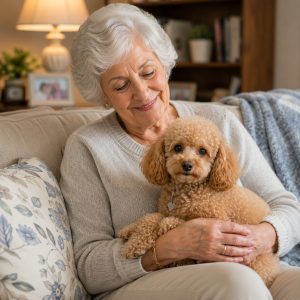 Toy Poodles are widely considered one of the very best dog breeds for active seniors. Their small size, affectionate personality, exceptional intelligence, and moderate exercise needs make them delightful companions for older adults looking for a close bond with their dog.
Unlike larger breeds, Toy Poodles are easy to lift when necessary and don’t require long, strenuous walks to stay healthy. Most are perfectly happy with a couple of daily walks, indoor play, and plenty of companionship. Their eagerness to please also makes them highly trainable, even for first-time dog owners.
Toy Poodles thrive in quieter households where they receive plenty of attention. Many become deeply devoted to their owners and love spending the day nearby, whether relaxing at home, accompanying them on errands, or enjoying short outings together.
Prospective senior owners should remember that the breed does require regular grooming and benefits from daily interaction and mental stimulation. If mobility is limited, arranging professional grooming and occasional help with exercise can ensure a Toy Poodle remains happy and healthy.
💡 Did You Know?
Toy Poodles are frequently chosen as therapy dogs because of their gentle temperament, emotional sensitivity, and ability to form exceptionally close bonds with people.
❤️ DogPage Recommendation
If you’re retired or spend much of your day at home, a Toy Poodle can make an outstanding companion. Their loving nature and manageable size are an excellent match for many seniors.
⚠️ Common Mistake to Avoid
Don’t choose a Toy Poodle simply because it’s small. While they’re easier to manage physically than many breeds, they still need companionship, mental stimulation, training, and regular grooming throughout their lives.
❤️ Is a Toy Poodle the Right Dog for You?
The Toy Poodle is one of the most intelligent, affectionate, and versatile companion dogs in the world. They adapt well to apartments, family homes, and retirement living, making them an excellent choice for a wide range of owners. However, no breed is perfect for everyone.
If you’re looking for a highly trainable dog that loves spending time with its family, enjoys learning new things, and sheds very little, the Toy Poodle could be an outstanding choice. Their cheerful personality and remarkable intelligence make them a joy to live with.
On the other hand, if you’re away from home for long hours, don’t enjoy regular grooming, or want a dog that’s completely independent, another breed may be a better fit. Toy Poodles crave companionship and can become unhappy if they’re frequently left alone.
✅ A Toy Poodle May Be Perfect for You If:
- You want a highly intelligent, eager-to-please companion.
- You live in an apartment or smaller home.
- You have children who understand how to handle a small dog gently.
- You’re an active senior or first-time dog owner.
- You’re prepared for regular grooming and coat maintenance.
- You enjoy training, games, and spending lots of time with your dog.
❌ A Toy Poodle May Not Be the Best Choice If:
- You’re away from home most of the day.
- You prefer a low-maintenance coat.
- You don’t have time for daily interaction and mental stimulation.
- You want a completely independent dog.
❤️ DogPage Recommendation
Spend time with several Toy Poodles before bringing one home. Meeting adult dogs can help you decide whether their lively personality, intelligence, and affectionate nature are the right match for your lifestyle.
⚠️ Common Mistake to Avoid
Don’t choose a Toy Poodle based solely on its adorable appearance. Their intelligence and emotional sensitivity mean they thrive best with owners who have the time and commitment to include them as part of the family.
🧠 Why Toy Poodles Are So Special
Few dog breeds combine intelligence, elegance, athleticism, and companionship as successfully as the Toy Poodle. While their beautiful curly coat often attracts attention first, it’s their remarkable mind and loving personality that truly make them unforgettable.
Toy Poodles consistently rank among the world’s most intelligent dog breeds. They learn new commands quickly, enjoy solving problems, and seem to understand their owners’ routines and emotions with remarkable accuracy. Many owners describe their Toy Poodle as almost human-like because of the breed’s ability to anticipate what people want and respond appropriately.
Unlike some highly intelligent breeds that require demanding jobs to remain happy, Toy Poodles are wonderfully adaptable. They can thrive in a busy family home, a city apartment, or a quiet retirement household, provided they receive enough companionship, exercise, and mental stimulation.
Their low-shedding coat is another reason for their enduring popularity. Although regular grooming is essential, many people who struggle with excessive dog hair appreciate the Toy Poodle’s clean, curly coat and minimal shedding around the home.
Perhaps most importantly, Toy Poodles genuinely love being with their people. They don’t simply live alongside their families—they become active participants in everyday life. Whether they’re learning a new trick, joining you on a walk, greeting visitors, or curling up beside you in the evening, they seem happiest when sharing life’s moments with the people they love.
💡 Did You Know?
The Poodle is widely regarded as one of the three most intelligent dog breeds in the world, alongside the Border Collie and German Shepherd. Their remarkable combination of intelligence and eagerness to please makes them exceptionally versatile companions.
🧠 Why Toy Poodles Are So Special
Few dog breeds combine intelligence, elegance, athleticism, and companionship as successfully as the Toy Poodle. While their beautiful curly coat often attracts attention first, it’s their remarkable mind and loving personality that truly make them unforgettable.
Toy Poodles consistently rank among the world’s most intelligent dog breeds. They learn new commands quickly, enjoy solving problems, and seem to understand their owners’ routines and emotions with remarkable accuracy. Many owners describe their Toy Poodle as almost human-like because of the breed’s ability to anticipate what people want and respond appropriately.
Unlike some highly intelligent breeds that require demanding jobs to remain happy, Toy Poodles are wonderfully adaptable. They can thrive in a busy family home, a city apartment, or a quiet retirement household, provided they receive enough companionship, exercise, and mental stimulation.
Their low-shedding coat is another reason for their enduring popularity. Although regular grooming is essential, many people who struggle with excessive dog hair appreciate the Toy Poodle’s clean, curly coat and minimal shedding around the home.
Perhaps most importantly, Toy Poodles genuinely love being with their people. They don’t simply live alongside their families—they become active participants in everyday life. Whether they’re learning a new trick, joining you on a walk, greeting visitors, or curling up beside you in the evening, they seem happiest when sharing life’s moments with the people they love.
💡 Did You Know?
The Poodle is widely regarded as one of the three most intelligent dog breeds in the world, alongside the Border Collie and German Shepherd. Their remarkable combination of intelligence and eagerness to please makes them exceptionally versatile companions.
🏡 Toy Poodle Adoption
If you’ve decided that a Toy Poodle is the right breed for you, consider adoption before purchasing a puppy. Every year, wonderful Toy Poodles of all ages find themselves in need of loving new homes due to changes in their owners’ circumstances rather than any fault of their own.
Adult Toy Poodles often make exceptional companions. Many are already house-trained, understand basic commands, and have settled personalities, making it easier to find a dog whose temperament matches your lifestyle. Adopting an adult dog also allows you to skip many of the challenges that come with raising a young puppy.
Breed-specific rescues, local shelters, and reputable pet adoption organizations regularly have Toy Poodles and Poodle mixes looking for forever homes. The adoption process usually includes an application, reference checks, and discussions to help ensure each dog is matched with the most suitable family.
Whether you adopt a playful puppy, an active adult, or a gentle senior, offering a deserving dog a second chance can be one of life’s most rewarding experiences.
❤️ DogPage Recommendation
Keep an open mind about age and colour. Many adult and senior Toy Poodles become devoted companions almost immediately and often settle into their new homes more quickly than young puppies.
Visit our Toy Poodles for Adoption page to view Toy Poodles currently looking for loving homes.
🐾 Finding a Responsible Toy Poodle Breeder
 If you’ve decided that a Toy Poodle is the right breed for you, choosing a responsible breeder is one of the most important decisions you’ll make. Ethical breeders work to improve the breed by prioritizing health, temperament, and sound structure rather than simply producing puppies for profit.
A good breeder will happily answer your questions, introduce you to the puppy’s parents whenever possible, and provide documentation of recommended health testing. They should also encourage you to visit their home or kennel, allow you to meet the puppies in a clean, caring environment, and remain available to offer advice throughout your dog’s lifetime.
Be cautious of breeders who always have puppies available, refuse to let you see where the dogs are raised, sell through pet stores, or are unwilling to discuss health testing. Extremely low prices can also be a warning sign that corners are being cut.
What to Look For
- ✔ Health testing appropriate for Toy Poodles
- ✔ Clean, well-socialized puppies raised indoors
- ✔ Puppies that appear curious, confident, and healthy
- ✔ Written health guarantee and contract
- ✔ Lifetime willingness to answer questions and provide support
- ✔ A breeder who wants to know about you before selling a puppy
Remember that many wonderful Toy Poodles are also available through breed rescues and local shelters. Adoption can be an excellent way to provide a deserving dog with a loving forever home.
💡 Did You Know?
Responsible breeders are often just as selective about choosing puppy buyers as buyers are about choosing a breeder. Their goal is to match every puppy with the right lifelong family.
❤️ DogPage Recommendation
Take your time when choosing a breeder. A little extra research now can help you enjoy many years with a healthy, well-adjusted companion.
⚠️ Common Mistake to Avoid
Don’t choose a puppy based solely on convenience or price. A well-bred, healthy puppy from a responsible breeder is often far less expensive in the long run than dealing with preventable health or behavioral problems.
❓ Frequently Asked Questions
 Are Toy Poodles good family dogs?
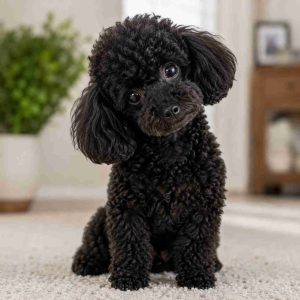 Are Toy Poodles good family dogs?
Yes. Toy Poodles are affectionate, playful, and highly intelligent. They usually do very well with families who teach children how to handle a small dog gently and respectfully.
Do Toy Poodles shed?
Very little. Their curly coat is considered low-shedding, although regular brushing and professional grooming are required to keep it healthy and free of mats.
How big do Toy Poodles get?
Toy Poodles stand no more than 10 inches (25 cm) tall at the shoulder and typically weigh between 4 and 6 pounds (1.8 to 2.7 kg).
How much exercise does a Toy Poodle need?
Most healthy adults need around 30 to 60 minutes of exercise and mental stimulation each day, including walks, play, and training.
Are Toy Poodles easy to train?
Yes. They are among the most intelligent dog breeds and usually learn new commands very quickly using positive reinforcement training.
Do Toy Poodles bark a lot?
They can be alert barkers, but with early training and sufficient mental stimulation, excessive barking is usually manageable.
Are Toy Poodles good with cats?
Generally, yes. Many Toy Poodles live happily with cats when properly introduced, especially if they grow up together.
How long do Toy Poodles live?
Most Toy Poodles live between 14 and 18 years, making them one of the longest-lived dog breeds.
Are Toy Poodles hypoallergenic?
No dog is truly hypoallergenic, but Toy Poodles are considered one of the best breeds for many allergy sufferers because they shed very little and produce less airborne dander than many other breeds.
Should I adopt or buy a Toy Poodle?
Both are excellent options. Many wonderful Toy Poodles are available through rescue organizations, while responsible breeders can provide healthy, well-socialized puppies with documented health testing.
🔗 Continue Exploring
Learning about the Toy Poodle is just the beginning. DogPage offers a growing collection of expert guides designed to help you choose the right breed, care for your dog throughout every stage of life, and become the best dog owner you can be.
We’re continually adding new breed guides, health articles, training advice, and care resources to help you make informed decisions and give your dog the happiest, healthiest life possible.
📚 Trusted Resources
At DogPage, we strive to provide accurate, evidence-based information to help you make informed decisions about your dog’s care. While every effort has been made to ensure this guide is current and reliable, it’s always a good idea to consult trusted veterinary and breed-specific resources for additional information.
- American Kennel Club (AKC)
Official breed standard, health information, responsible breeder referrals, and training resources. - Poodle Club of America
The official parent club for Poodles in the United States, offering breed education, health testing recommendations, grooming information, and breeder referrals. - Canadian Kennel Club (CKC)
Breed standards, responsible dog ownership resources, and breeder information for Canadian families. - The Kennel Club (UK)
Breed health initiatives, genetic testing information, and responsible ownership advice. - World Small Animal Veterinary Association (WSAVA)
International veterinary guidelines covering nutrition, vaccinations, preventive care, and lifelong health. - American Animal Hospital Association (AAHA)
Evidence-based veterinary recommendations for preventive healthcare, wellness exams, nutrition, and disease prevention.
❤️ DogPage Recommendation
No website can replace the advice of your veterinarian. Use this guide as a starting point, but always work with your veterinary team to make healthcare decisions that are tailored to your Toy Poodle’s individual needs.
Information on DogPage is provided for educational purposes only and should not be considered a substitute for professional veterinary advice. Always consult your veterinarian regarding your dog’s health, nutrition, or medical concerns.
💡 Did You Know? Fascinating Toy Poodle Facts
Behind their elegant appearance lies one of the world’s most remarkable dog breeds. Here are some surprising facts that make Toy Poodles truly special.
🦆 They Were Originally Duck Hunters
Despite their reputation as pampered lap dogs, Poodles were originally bred as athletic water retrievers. Their intelligence, swimming ability, and curly water-resistant coat made them excellent hunting companions long before they became fashionable family pets.
🧠 They’re One of the Smartest Dogs on Earth
According to canine intelligence research, the Poodle consistently ranks among the three most intelligent dog breeds in the world. Many Toy Poodles learn a new command in fewer than five repetitions and often obey it the first time it’s given.
🎪 Circus Superstars
Toy Poodles became famous circus performers throughout Europe because of their incredible ability to learn complex tricks. Their intelligence, agility, and eagerness to please made them audience favorites for generations.
🇫🇷 They’re Not Actually French
Although many people call them “French Poodles,” the breed is believed to have originated in Germany before being refined and popularized in France, where it eventually became the country’s national dog.
✂️ Those Funny Haircuts Had a Purpose
The famous Poodle clips weren’t created as fashion statements. Hunters clipped the coat to reduce drag while swimming, leaving rounded pom-poms over joints and vital organs to help protect them from cold water.
🏥 Many Work as Therapy Dogs
Because of their intelligence, gentle nature, and ability to form strong emotional bonds, Toy Poodles frequently work as therapy dogs, bringing comfort to patients in hospitals, nursing homes, schools, and rehabilitation centers.
🎭 They Love to Make People Laugh
Toy Poodles are natural entertainers. Many invent their own games, perform silly antics for attention, and quickly learn which behaviors make their families smile.
⏳ They Can Live Remarkably Long Lives
With excellent care, many Toy Poodles live well into their mid-to-late teens, and it’s not unusual for healthy individuals to reach 16, 17, or even 18 years of age.
👤 They’re Often Called “Velcro Dogs”
Toy Poodles love being with their people and often follow their owners from room to room throughout the day. They don’t simply enjoy human companionship—they genuinely want to be involved in everything you’re doing.
🌎 They’re One of the World’s Most Popular Companion Dogs
Thanks to their intelligence, adaptability, low-shedding coat, and affectionate personality, Toy Poodles remain one of the most beloved companion breeds around the globe.