
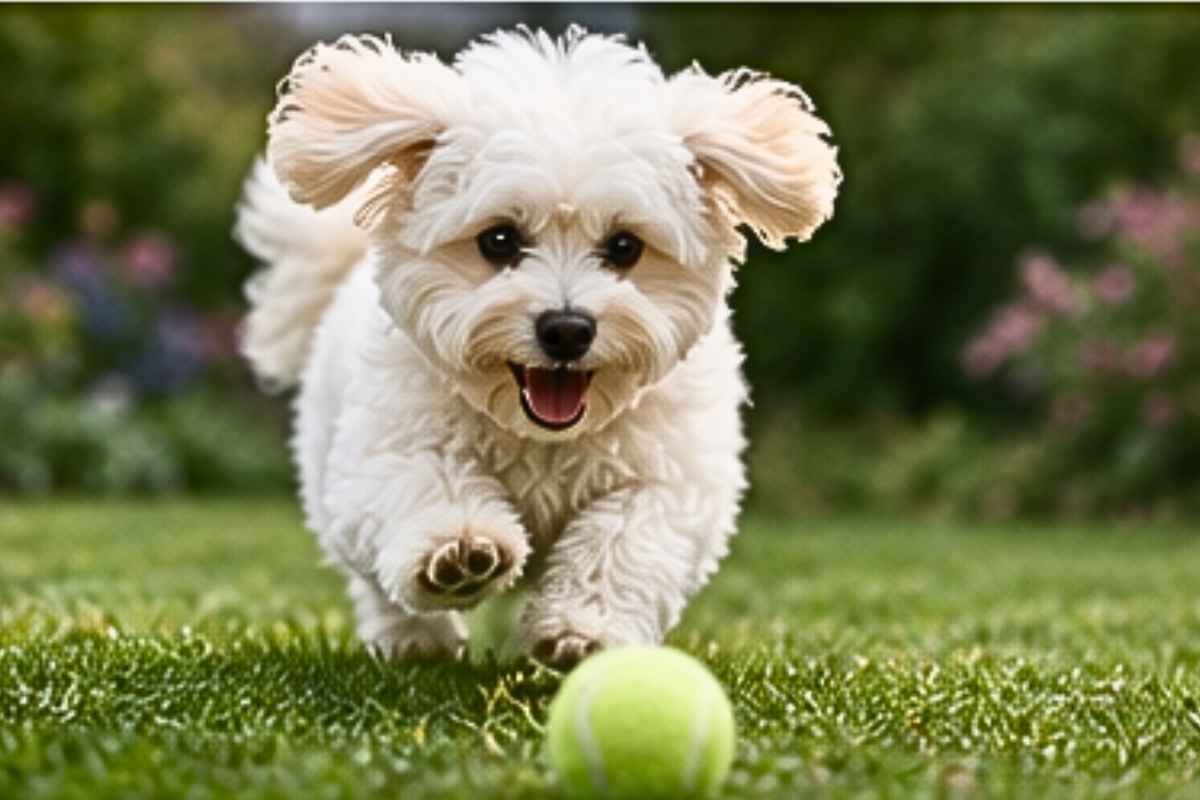
Sweet-natured, bright, playful and almost impossibly fluffy, the Maltichon combines two of the world’s best-loved little companion dogs: the Maltese and the Bichon Frise. Also called a Maltese Bichon mix, Bichon Maltese, Maltese Bichon Frise mix or Maltese Frise, this small designer dog is usually happiest doing exactly what both parent breeds were developed to do—sharing life closely with people.
That makes the Maltichon enormously appealing, but the teddy-bear appearance can hide some very real ownership requirements. These dogs tend to need substantial coat care, early housetraining, excellent dental care, thoughtful socialization and plenty of companionship. They are low-shedding, but no Maltichon is guaranteed to be hypoallergenic. They are small, but they are not toys. And because this is a cross rather than a standardized pure breed, one Maltichon can differ noticeably from another in size, coat texture, energy and temperament.
This guide looks beyond the cute photographs to answer the questions that matter in real life: How big does a Maltichon get? What is a full-grown Maltichon like? Do Maltichons bark? Are they easy to train? How much grooming do they need? What health testing should the parents have? And is this affectionate little dog actually a good fit for your household?
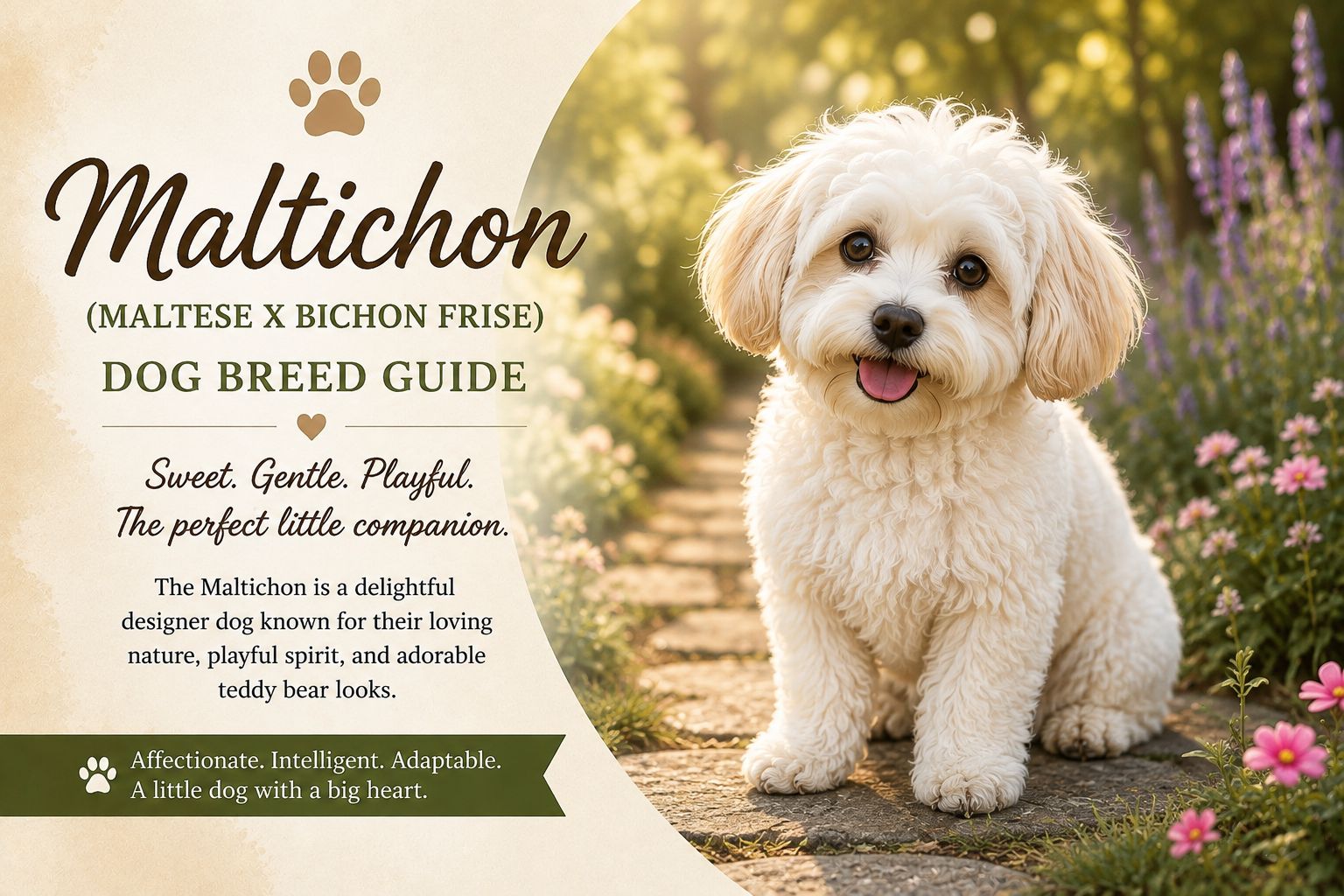
Maltichon at a Glance
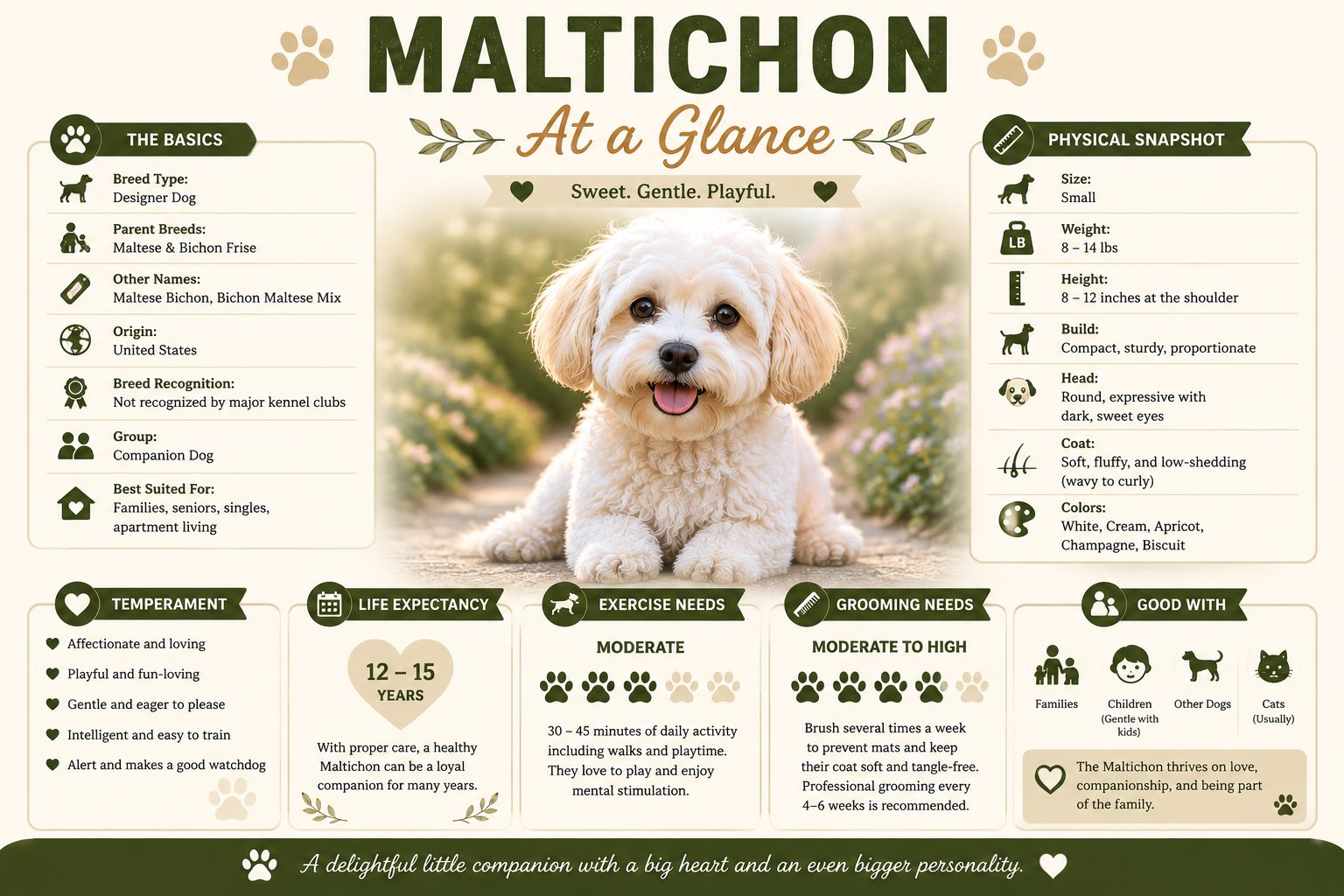
| Other Names | Maltese Bichon mix, Bichon Maltese, Maltese Bichon Frise mix, Maltese Frise |
|---|---|
| Parent Breeds | Maltese × Bichon Frise |
| Breed Type | Designer cross / mixed-breed companion dog |
| Typical Size | Small; often roughly 7–15 pounds, with individual variation |
| Typical Height | Often around 8–12 inches at the shoulder, depending on parentage |
| Coat | Soft; may be silky, wavy, fluffy or curly |
| Common Colors | Usually white or predominantly white; cream, ivory, pale apricot or buff shading may occur |
| Shedding | Usually low, but not necessarily zero |
| Grooming | High maintenance; frequent brushing and regular trims for clipped coats |
| Temperament | Affectionate, cheerful, sociable, playful and people-oriented |
| Exercise | Moderate; daily walks plus play and mental activity |
| Trainability | Generally good with patient, reward-based training |
| Apartment Friendly | Usually excellent if barking and alone-time needs are addressed |
| Best For | Companion-oriented homes able to provide grooming, interaction and gentle training |
Dogs Central quick take: The Maltichon is a little companion with a very big need to belong. If you want an affectionate, portable dog and don’t mind brushing, grooming bills and a furry shadow following you from room to room, the match can be wonderful.
What Is a Maltichon?
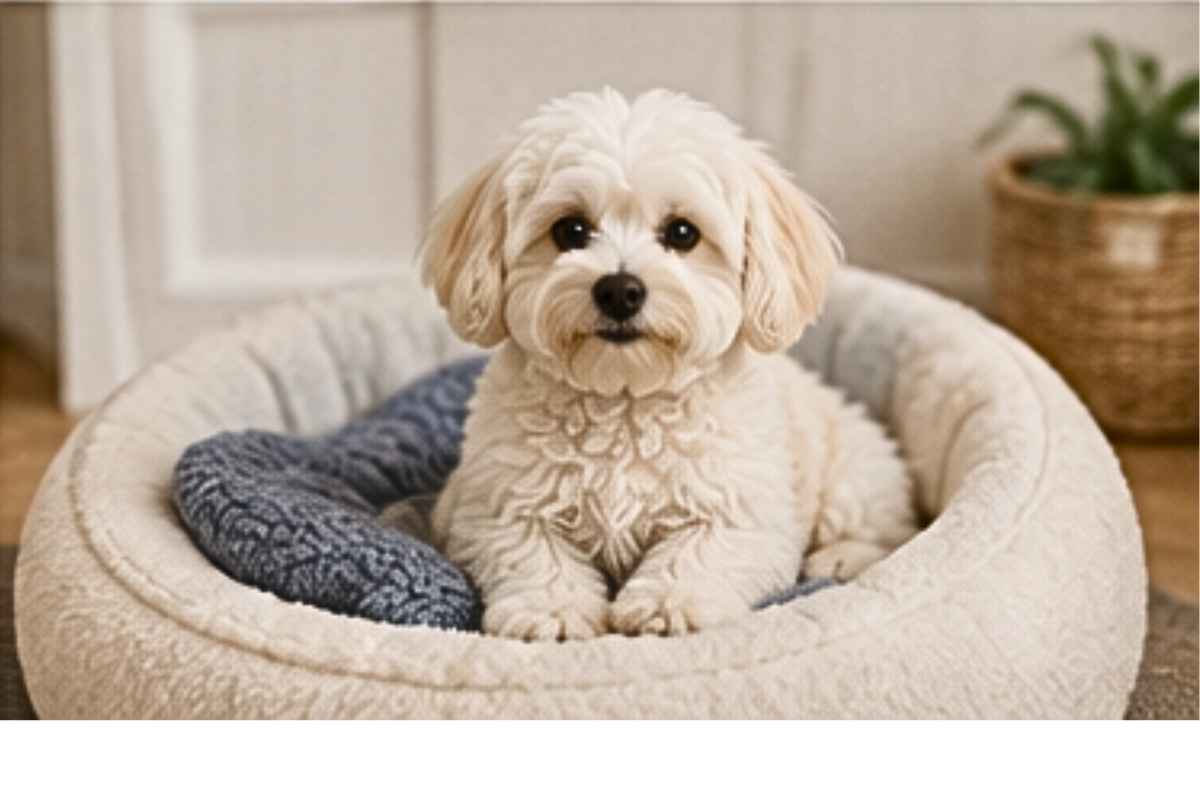
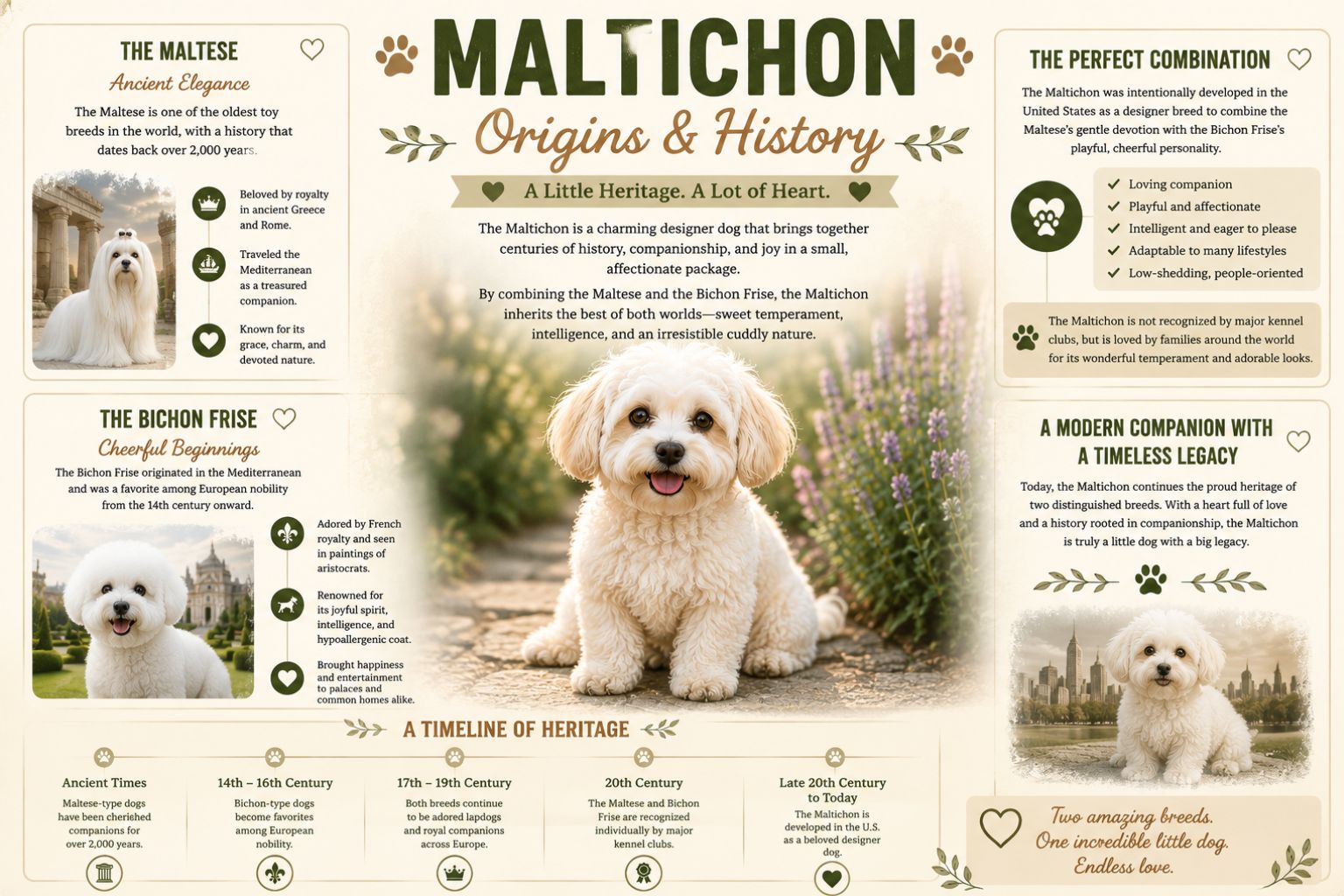
A Maltichon is a cross between a Maltese and a Bichon Frise. It is not a purebred variety of either parent and does not have an official AKC breed standard. That matters because there is no single prescribed Maltichon height, weight, coat or temperament.
The name itself has less search demand than the literal parent-breed description. In the supplied U.S. keyword research, people search heavily for phrases such as “Maltese Bichon Frise mix,” “Bichon Maltese mix” and “Bichon Maltese”. They are generally looking for the same cross described in this guide.
Because the two parent breeds are both small, white, people-oriented companion dogs, Maltichons can be somewhat more visually predictable than crosses between dramatically different breeds. Still, genes do not blend according to a recipe. One puppy may inherit a silkier Maltese-like coat and petite frame; a littermate may be curlier, sturdier and more Bichon-like.
That variability is not a flaw. It is simply part of owning a mixed-breed dog. The best way to understand the possibilities is to learn about both parents and be genuinely happy with traits from either side.
Maltichon Parent Breeds: Maltese + Bichon Frise
 The Maltese
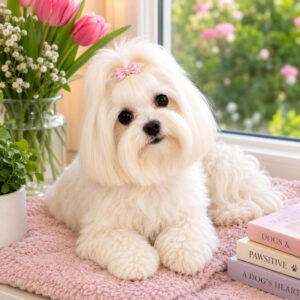 The Maltese
The Maltese is an ancient Toy Group companion breed. Adults are very small—AKC describes the breed at under seven pounds—with a long, straight, silky white coat.
Maltese are affectionate, lively, bright and deeply attached to people. They can also be more confident and spirited than their elegant appearance suggests.
The Bichon Frise
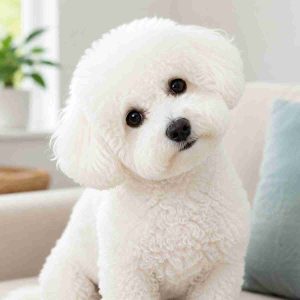 The Bichon Frise
The Bichon Frise is a somewhat larger, sturdier companion breed with a soft undercoat and curly outer coat. Bichons are famous for their cheerful disposition, sociability and aptitude for learning tricks. The breed’s history includes life as a cherished companion as well as a performer.
What Does the Combination Mean?
Both parents contribute excellent companion-dog credentials and low-shedding coats, but they contribute somewhat different coat structures and body sizes. A Maltichon may therefore be silkier or curlier, very petite or closer to small-Bichon size, relatively calm or exuberantly playful.
The overlap is important too. Both parent breeds tend to value human company. Both need considerable grooming. Both can experience small-dog dental and kneecap problems. And both are intelligent enough that training should be treated as part of everyday life rather than something reserved for large dogs.
Maltichon History & Origins
The Maltichon does not have the long documented breed history of either parent. Like many named designer crosses, it became more visible during the modern interest in intentionally crossing established companion breeds, particularly in North America.
There is no credible single “inventor” or exact founding date that defines every Maltichon. Similar Maltese-Bichon crosses may have occurred accidentally or intentionally long before a catchy name was widely used. Claims that a modern designer cross has an ancient formal history should therefore be treated cautiously.
Its parents, however, bring substantial history. Maltese-type companion dogs have roots stretching back through Mediterranean antiquity and were treasured as companions for centuries. The Bichon family also has Mediterranean connections; Bichons later became favorites in European courts and proved talented entertainers and trick dogs.
In a sense, the Maltichon combines two branches of an old companion-dog tradition. Neither parent was created to herd cattle, guard estates or retrieve game all day. Their historic specialty was living closely with people—and that heritage remains one of the clearest themes in the modern Maltichon.
What Does a Maltichon Look Like?
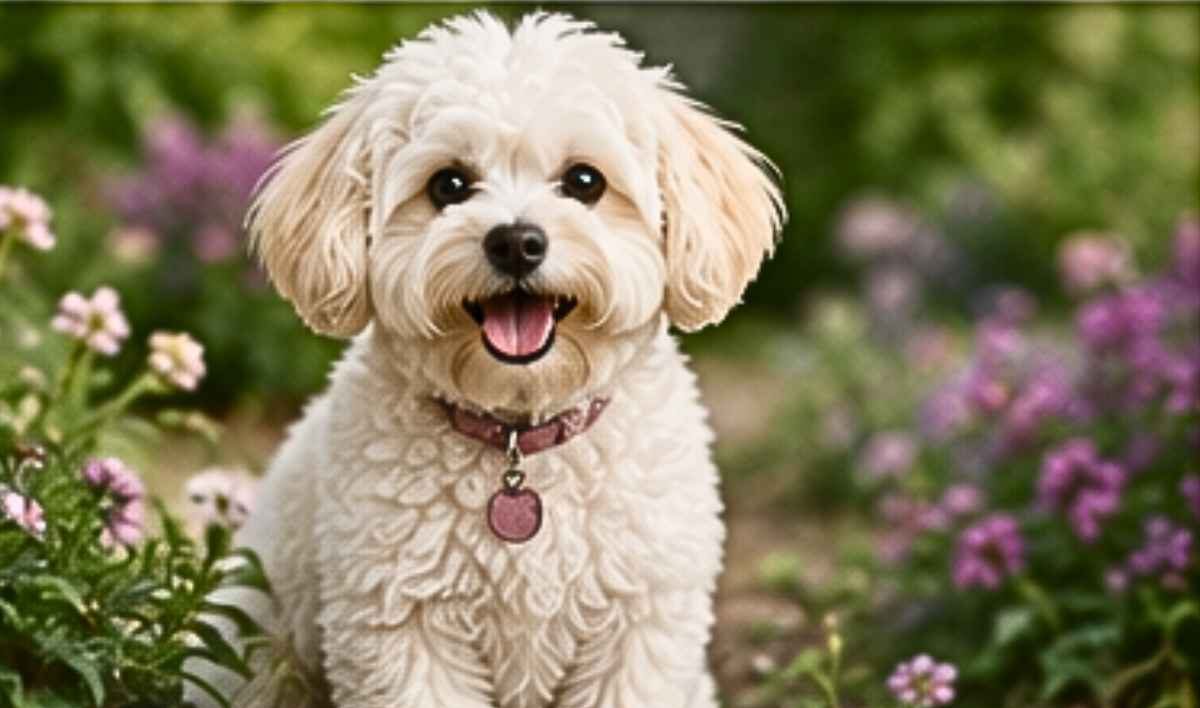
Most Maltichons are compact, fine-to-moderately built little dogs with dark expressive eyes, a black nose, drop ears and a plumed or fluffy tail. The overall expression is often bright and gentle.
The coat can change the apparent shape dramatically. A long, straighter coat can make a Maltichon look distinctly Maltese-like, while a dense wavy or curly coat and rounded teddy-bear trim can make the same basic cross look much more like a Bichon.
Adult appearance is not perfectly predictable from a very young puppy. Puppy coat texture can change as the adult coat develops, and professional grooming can make two genetically similar dogs look surprisingly different.
Full-Grown Maltichon Size, Height & Weight
Most full-grown Maltichons are small dogs, commonly landing somewhere around 7–15 pounds and roughly 8–12 inches tall. These are useful expectations, not a breed standard. The Maltese parent is normally much smaller than the Bichon Frise, so the size and build of the actual parents are more informative than a generic online chart.
A Maltichon with a tiny Maltese parent and smaller Bichon may mature near the lower end. One from larger family lines may be noticeably sturdier. Sex can influence size, but parentage and individual genetics matter more than assumptions that every male will be larger than every female.
When Is a Maltichon Full Grown?
Small dogs achieve most of their height relatively early, but body condition, coat and emotional maturity continue developing afterward. Do not overfeed a puppy in an attempt to make it “catch up” to an online weight chart. Your veterinarian can assess growth and body condition for the individual dog.
Is There a Mini or Teacup Maltichon?
There is no official Miniature, Toy, Micro or Teacup Maltichon variety. Both parents are already small companion breeds. Extremely tiny size can increase practical concerns including injury, hypoglycemia in very young puppies and dental crowding. Treat “teacup Maltichon” as marketing terminology, not a recognized breed classification.
Maltichon Temperament & Personality
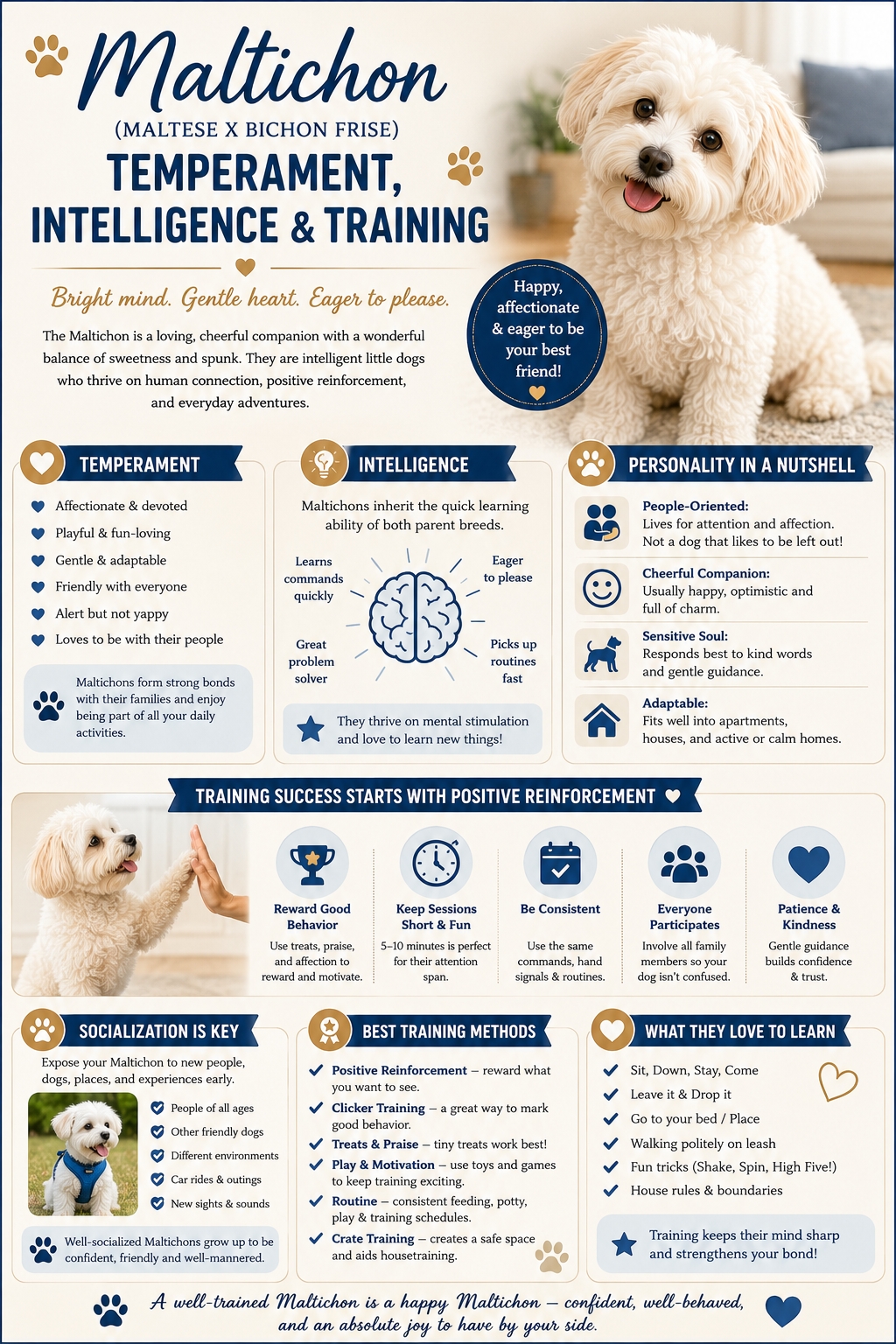
A well-socialized Maltichon is often affectionate, cheerful, playful and strongly people-oriented. This is a dog likely to regard household activity as a group project. Folding laundry? Excellent. Making tea? Assistance is apparently required. Walking to another room for thirty seconds? Your tiny supervisor may come too.
Affection & Attachment
Both parent breeds were developed for companionship, so close attachment is unsurprising. Many Maltichons enjoy laps, cuddles and sleeping near their people. That devotion is charming, but owners should deliberately teach comfortable independence so attachment does not become inability to cope alone.
Playfulness
Bichon influence can contribute exuberant, comic play, while Maltese bring their own lively confidence. Short bursts of running, toy games and cheerful clowning are common. A Maltichon may be dainty in appearance without being remotely solemn.
Sociability
Many are friendly with visitors when properly socialized, although individual dogs can be reserved, vocal or cautious. Genetics, early experiences and learning all matter. “Designer dog” is not a temperament guarantee.
Sensitivity
Harsh handling can overwhelm a sensitive companion dog and is unnecessary. Clear boundaries and gentle training are not opposites. Maltichons usually thrive when owners are warm, predictable and consistent.
Maltichon Intelligence & Trainability
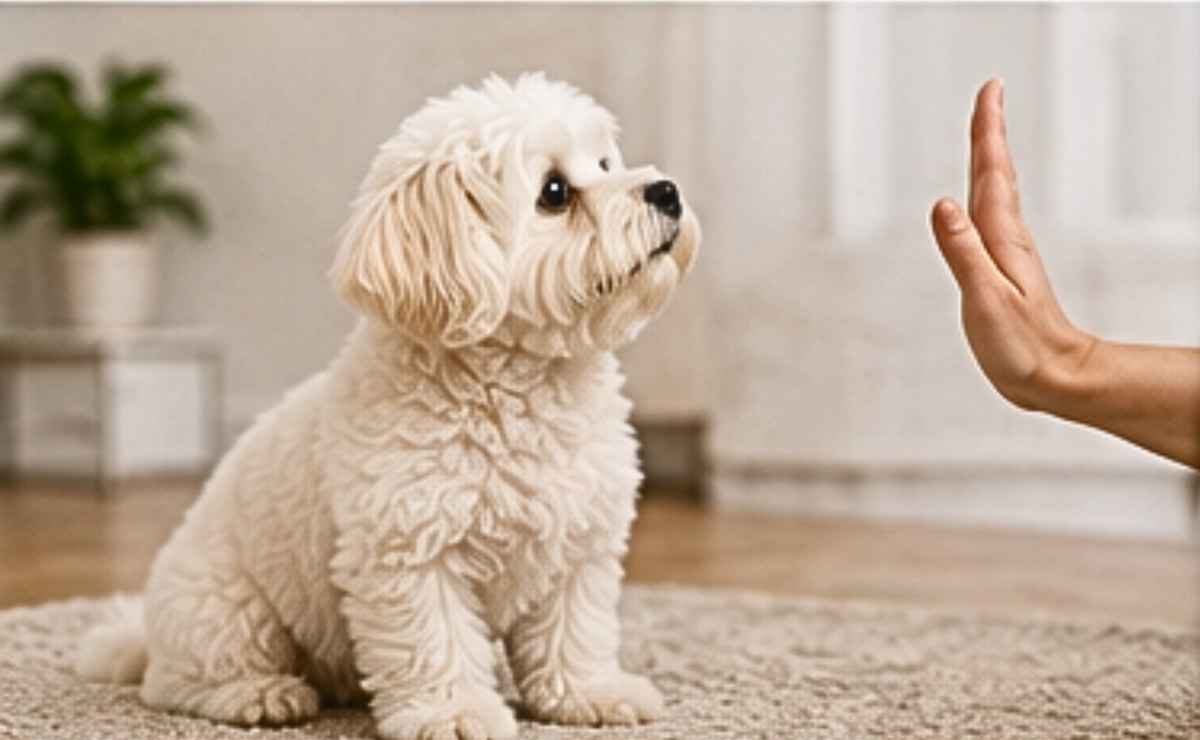
Maltichons are typically clever and capable learners. The Bichon has a long history as an entertainer, and Maltese are bright little companion dogs in their own right. Many Maltichons enjoy learning tricks because training combines three favorite things: attention, interaction and rewards.
Use short, upbeat sessions. Reward behavior you want with tiny treats, toys, praise or access to something the dog values. Teach useful life skills—recall, wait, leave it, drop it, settle, polite greetings and cooperative grooming—alongside cute tricks.
Small size should never mean low expectations. A seven-pound dog who jumps, screams at visitors or refuses handling may be physically easier to pick up than a Labrador, but the behavior still affects quality of life. Train the little dog with the same thoughtfulness you would give a large one.
Maltichon Coat Types & Colors
The Maltichon’s coat is one of the most variable—and most misunderstood—features of the cross. A Maltese has a long, silky single coat. A Bichon Frise has a soft, dense undercoat combined with a curlier outer coat. Their offspring may inherit a coat anywhere along that spectrum.
Common Coat Textures
- Silky or straighter: more reminiscent of the Maltese.
- Soft and wavy: a very common designer-dog appearance.
- Fluffy and curly: more strongly Bichon-like.
- Mixed texture: straighter in some areas and wavier or curlier in others.
Maltichon Colors
White is the signature color of both parent breeds and is therefore the classic Maltichon appearance. Cream, ivory and pale apricot or buff shading can occur, particularly around ears or in puppy coats. Strong brown, black or multicolored “Maltichons” deserve a closer look at ancestry rather than an assumption that unusual color makes a puppy rare or valuable.
Color should never outrank health, temperament and responsible breeding.
Do Maltichons Shed? Are Maltichons Hypoallergenic?
Maltichons are usually low-shedding, but no individual dog is guaranteed to be non-shedding or hypoallergenic. Both parents are popular with people seeking dogs that release relatively little hair into the home, which makes low shedding a reasonable expectation. It is not a medical guarantee.
People with dog allergies may react to proteins found in dander, saliva and urine, not simply loose fur. A low-shedding coat may help some households but can make little difference to others.
If allergies are important to your decision, spend repeated, meaningful time around adult Maltese, adult Bichons and, ideally, adult Maltichons before committing. Do not rely on a breeder’s promise that an F1b or particular coat type is “100% hypoallergenic.”
Explore our Hypoallergenic Small Dogs Guide and Small Dogs That Don’t Shed Much for more context.
Maltichon Grooming, Haircuts & Coat Care
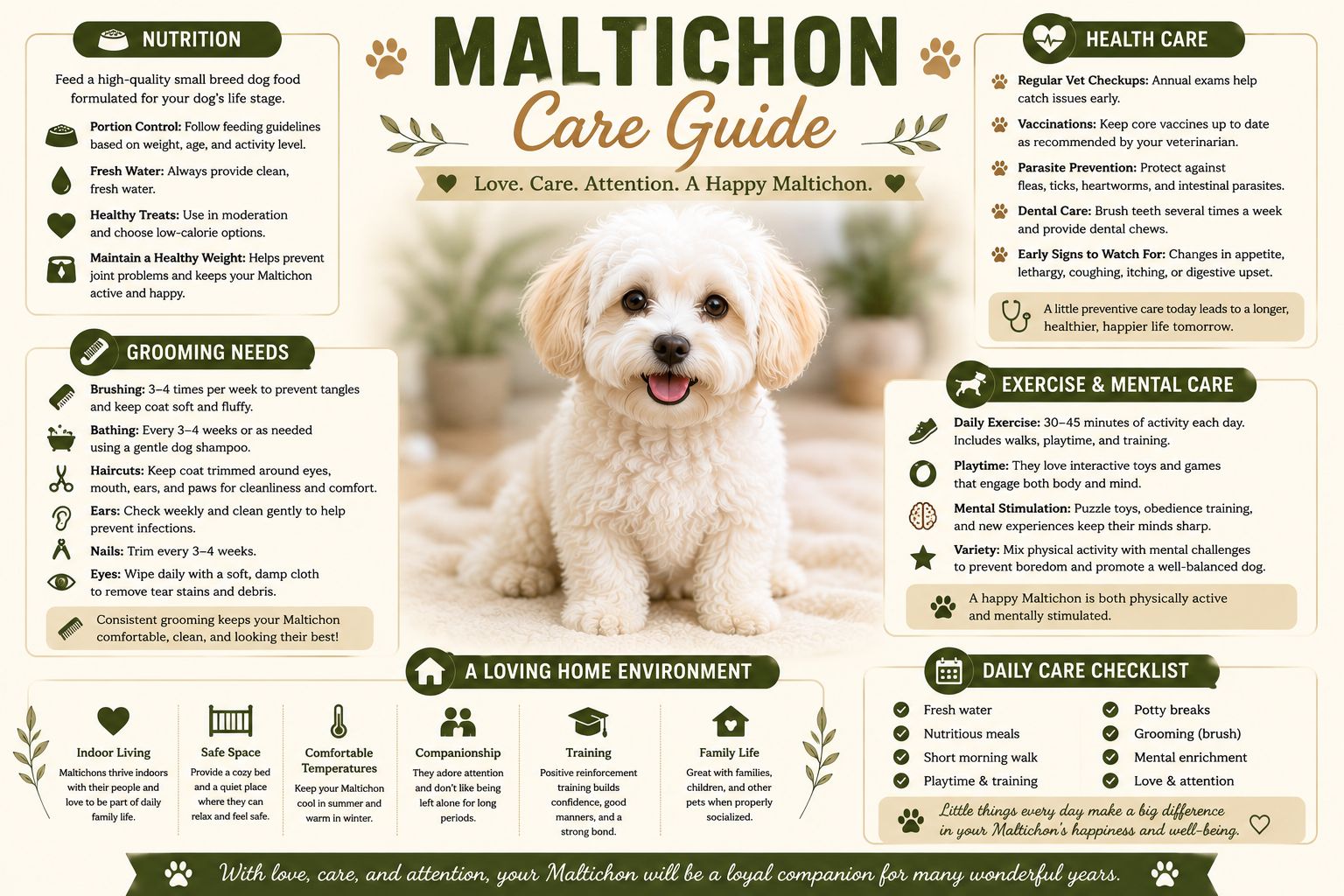
Low shedding does not mean low maintenance. In fact, the Maltichon’s coat is one of the strongest reasons to think carefully before choosing this mix. Hair that remains in the coat can tangle with neighboring hair and form mats close to the skin.
 Brushing
Brush and comb frequently enough to keep the coat completely tangle-free—often daily or every other day for longer coats. A slicker brush can separate the coat, but follow with a metal comb to confirm you have reached the skin. Common matting zones include behind the ears, armpits, collar area, legs and where a harness rubs.
Professional Grooming
Most clipped Maltichons benefit from regular professional grooming, often approximately every four to eight weeks depending on coat, haircut and home maintenance. A shorter practical clip can dramatically reduce daily work but does not eliminate brushing, bathing, nail, ear and dental care.
Popular Maltichon Haircuts
- Puppy cut: a practical, fairly even length over the body.
- Teddy-bear trim: rounded face with a soft, plush outline.
- Short summer-style pet trim: easier maintenance, although clipping short does not make a dog cooler in every situation.
- Longer Maltese-inspired coat: beautiful but considerably more demanding.
- Bichon-inspired round trim: works best on curlier, denser coats and requires skilled grooming.
Tear Staining
Rust-colored staining is conspicuous on white faces. Keep the area clean and dry, but do not assume every stain is merely cosmetic. Persistent tearing can have medical or anatomical causes; ask your veterinarian to evaluate excessive tearing, redness, discomfort or sudden changes.
Ears, Nails & Skin
Check ears regularly, trim nails before they become overgrown, and pay attention to itching, redness or recurrent skin problems. Never put harsh bleaching agents or unsafe home remedies near the eyes.
See our Small Dog Grooming Guide for detailed grooming help.
Maltichon Exercise Needs & Enrichment
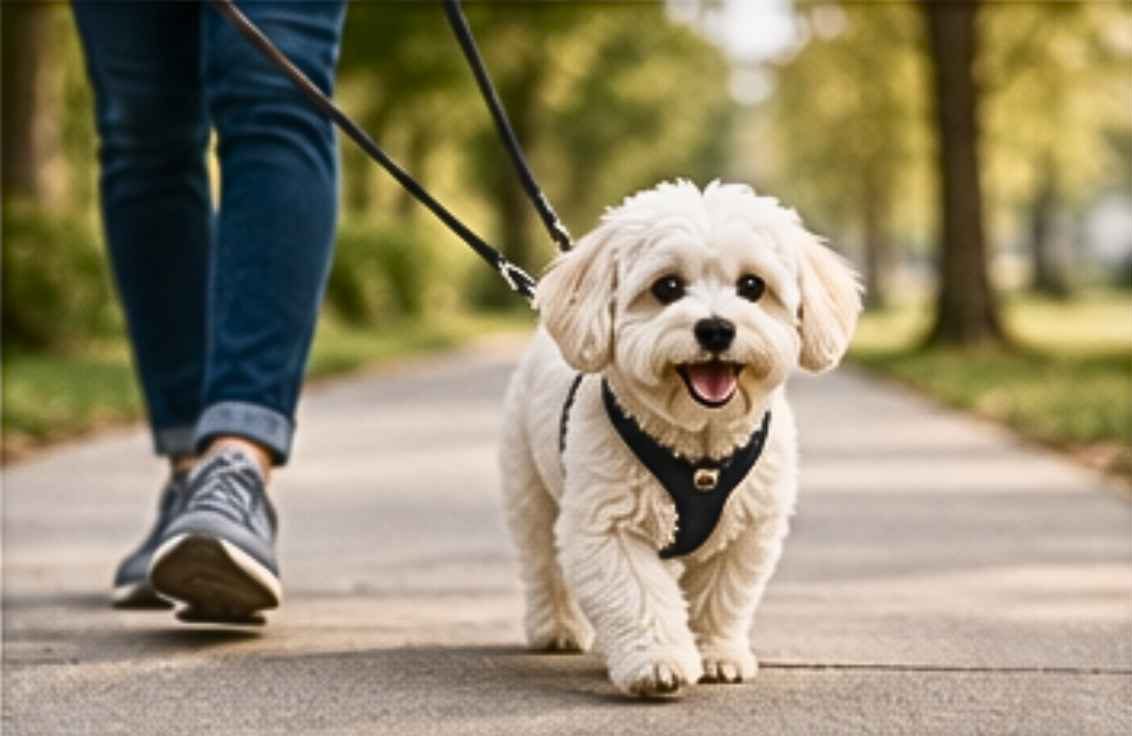
Maltichons usually have moderate exercise needs. Daily walks, play and opportunities to sniff and explore are more appropriate than treating them as decorative lapdogs. Most do not need endurance-athlete mileage, but they can become bored and restless without activity.
Adjust exercise for age, weather and the individual. Puppies need age-appropriate play rather than forced long-distance exercise. Seniors may prefer shorter outings. Very small dogs can lose heat quickly in cold weather and may need protection in harsh climates.
Good Maltichon Enrichment
- Food puzzles and stuffed toys
- “Find it” scent games
- Short trick-training sessions
- Gentle fetch
- Hide-and-seek with family members
- Sniff walks where the dog gets time to investigate
- Beginner agility-style obstacles appropriate for size
- Learning names for toys
- Calm café or neighborhood outings after good socialization
Mental work is especially valuable on days when weather limits walking. Ten thoughtful minutes of scent work can be more satisfying than ten minutes of marching around the block.
Training a Maltichon: Housetraining, Recall & Everyday Manners
Maltichons often respond beautifully to reward-based training, but small-dog housetraining deserves special attention. Tiny puppies have tiny bladders, and owners sometimes accidentally create inconsistent rules because accidents are easy to clean up.
Housetraining
Take a young puppy to the chosen toilet area frequently: after waking, eating, drinking, play and excitement. Supervise closely indoors and reward success immediately. A crate or puppy pen can help with management when used positively, but it should never become a place where a puppy is routinely expected to hold its bladder longer than physically reasonable.
Do not punish accidents after the fact. Clean thoroughly with an enzymatic cleaner and improve the schedule and supervision.
Recall
Build a joyful recall using excellent rewards. Practice first indoors, then in secure areas with gradually increasing distractions. A Maltichon may be a companion breed, but any small dog can chase a squirrel, follow an interesting scent or panic when startled.
Handling & Grooming Training
This may be the most overlooked training priority. Teach the puppy that brushing, combing, touching feet, examining ears and handling the mouth predict good things. Cooperative care makes a lifetime of grooming dramatically easier.
Socialization
Socialization means safe, positive exposure—not passing a puppy from stranger to stranger. Introduce different people, friendly vaccinated dogs, sounds, surfaces, grooming, car travel and environments without overwhelming the puppy.
Visit Small Dog Training for more practical guidance.
Do Maltichons Bark a Lot?
Maltichons can be alert barkers, particularly when they hear hallway sounds, see activity through a window or become excited. Neither parent should be thought of as silent, although individuals vary enormously.
Prevent barking from becoming a full-time occupation. Reward calm observation, teach a “quiet” or settle routine, manage high-trigger window views and make sure the dog receives enough activity. Avoid yelling at barking; from the dog’s perspective, you may simply have joined in.
Sudden or escalating vocalization can also signal fear, pain, frustration or separation distress. Treat the cause rather than simply trying to suppress the sound.
Can a Maltichon Be Left Alone? Separation Anxiety & Independence
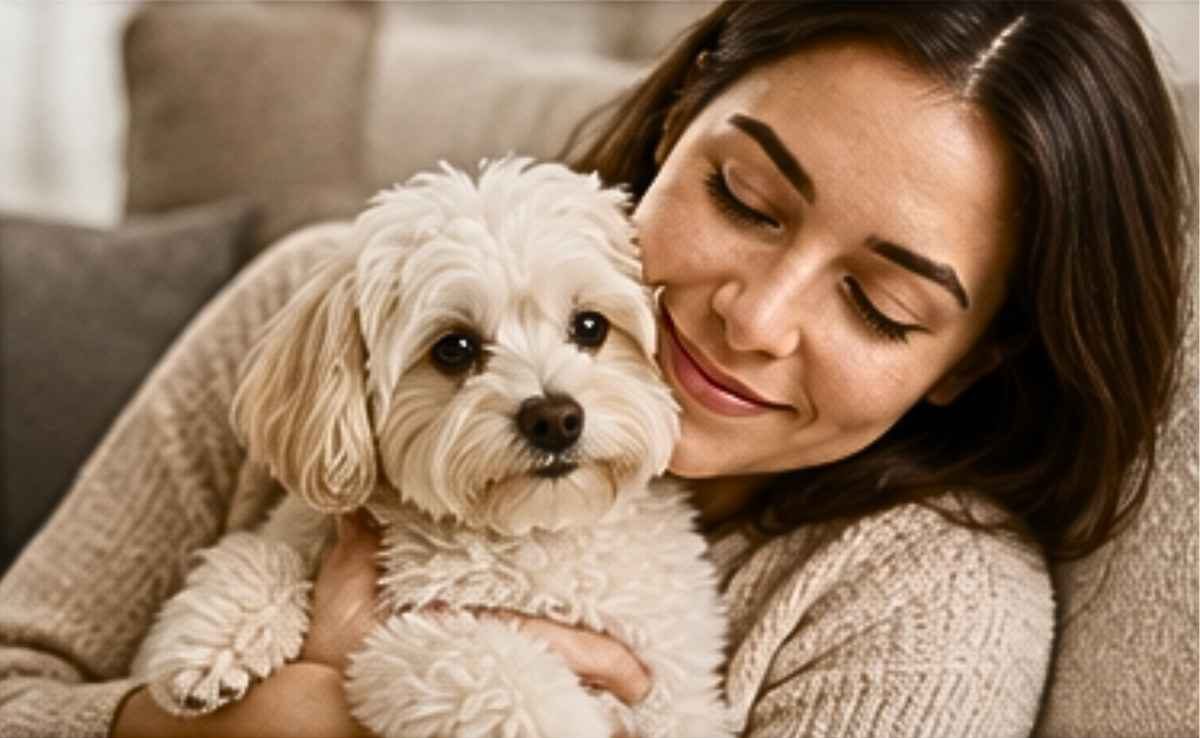
Maltichons are companion dogs and generally do best in homes where they are not routinely isolated for very long periods. Their people-oriented nature is part of their appeal, but it makes independence training important from puppyhood.
Practice short, uneventful absences while the dog is relaxed. Provide a safe resting area and gradually build duration rather than waiting until the first eight-hour workday. The goal is to teach, “People leave, I can relax, and they come back.”
True separation anxiety is not spite or stubbornness. Signs can include panic, prolonged vocalization, escape attempts, drooling, destructive behavior around exits or inability to settle when alone. A veterinarian or qualified behavior professional can help create an appropriate treatment plan.
Are Maltichons Good Family Dogs? What About Children?
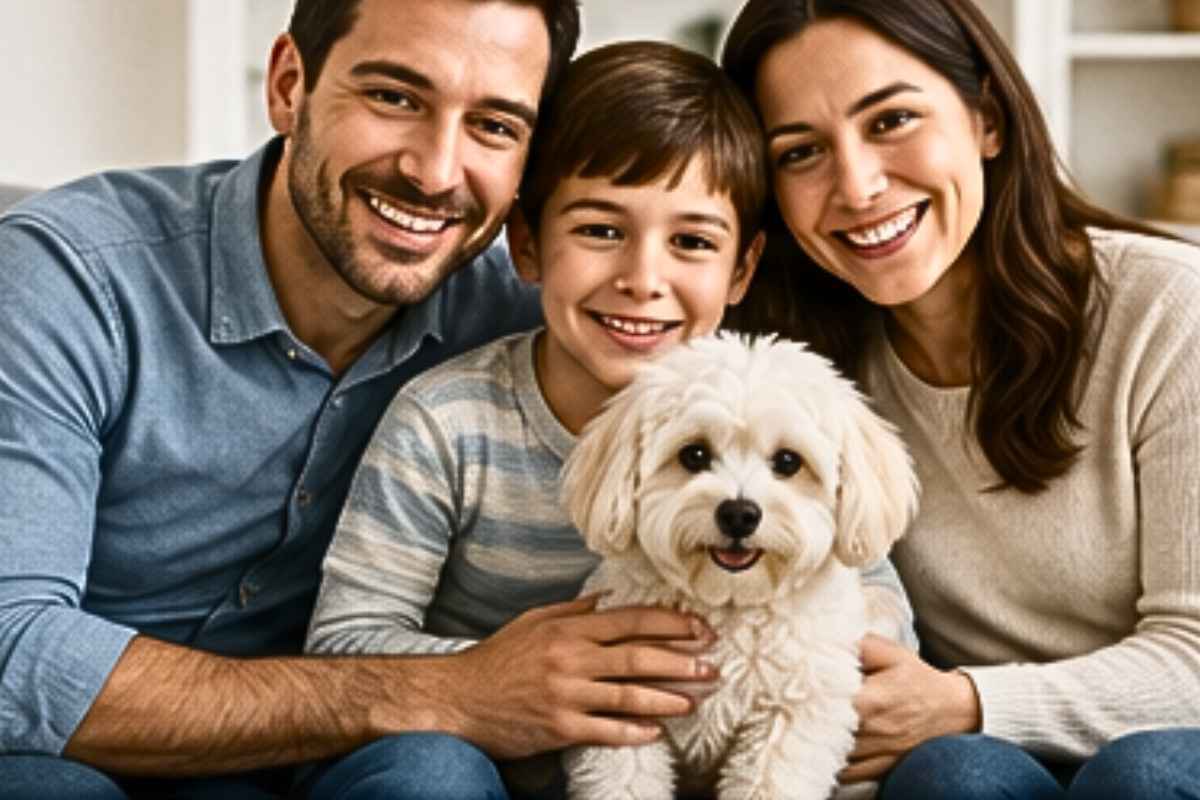
Maltichons can make lovely family companions when children understand how to interact with a small dog. Their affectionate, playful personalities often suit family life very well.
The major issue is physical vulnerability. A Maltichon can be injured by being dropped, stepped on, squeezed or handled roughly. Toddlers and very small dogs therefore require active adult supervision—not merely an adult somewhere in the house.
Teach children to let the dog approach, pet gently, leave the dog alone while sleeping or eating, and never carry a small puppy without appropriate supervision. Give the dog a child-free retreat where resting is respected.
Are Maltichons Good With Dogs, Cats & Other Pets?
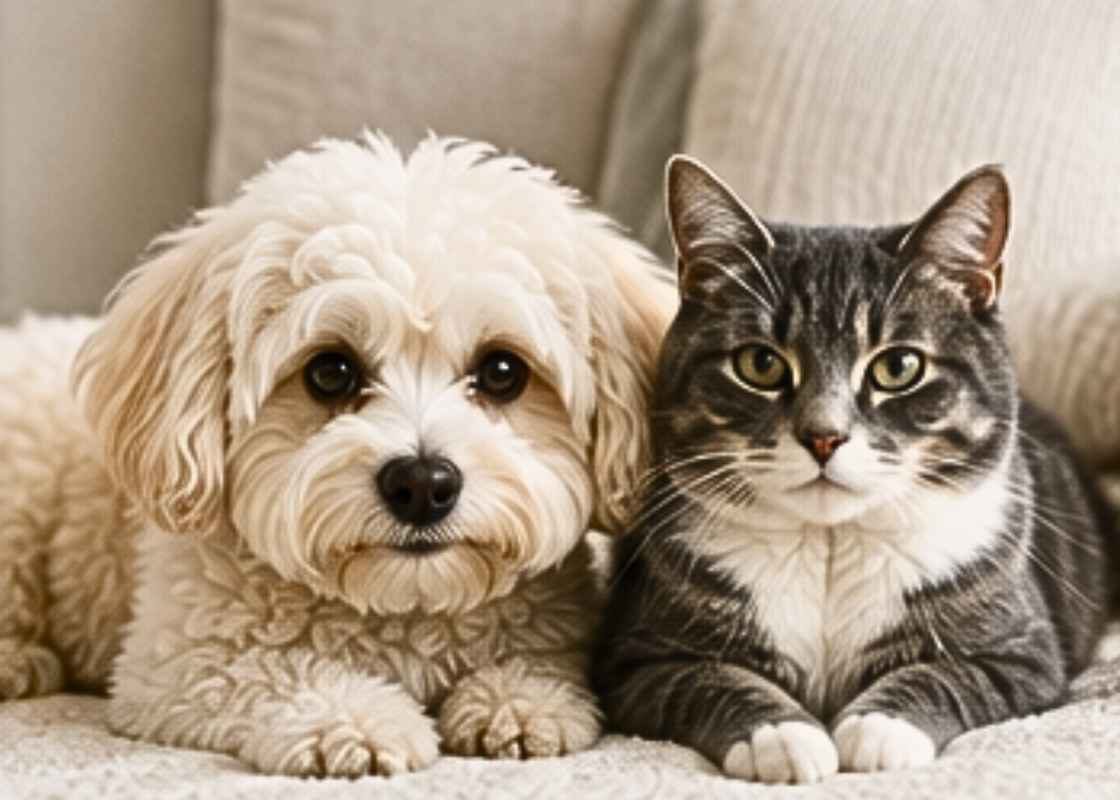
Many Maltichons live happily with other dogs and cats. Both parent breeds are companion breeds rather than specialist hunters, and thoughtful early socialization can support excellent multi-pet relationships.
Size still matters. A friendly 70-pound dog can accidentally injure a seven-pound Maltichon during exuberant play. Choose playmates carefully and interrupt interactions that become too physical.
Introductions to cats should be gradual, with escape routes and vertical space for the cat. Individual prey drive varies, so small caged pets should never be assumed safe simply because the dog is tiny.
Are Maltichons Good Apartment Dogs?
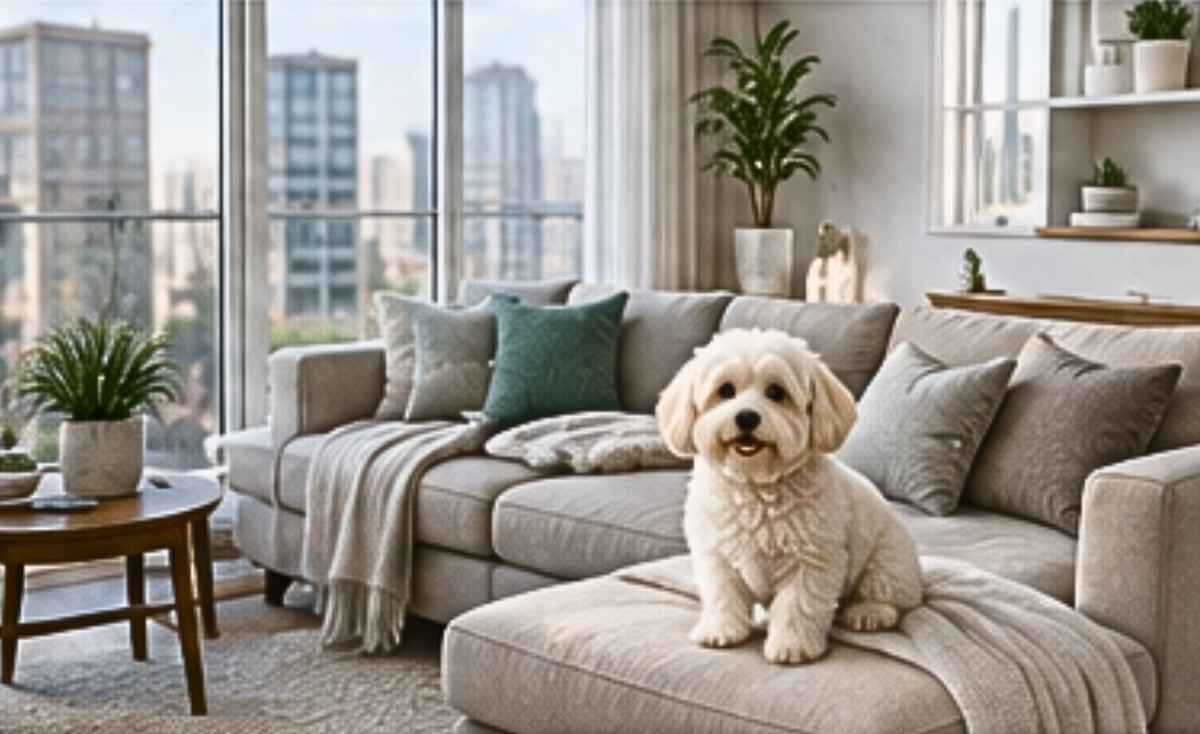
Usually, yes. Compact size, moderate exercise needs and close attachment to people can make the Maltichon an excellent apartment companion. A backyard is not required for a good life.
Barking is the main potential complication. Hallway footsteps, elevators, neighboring doors and windows overlooking busy sidewalks can provide an endless alerting soundtrack. Early training and thoughtful management matter more in shared-wall housing.
Apartment living also means reliable housetraining and a realistic toilet plan during severe weather. Small dogs still need outdoor experiences, sniffing and exercise rather than spending their entire lives indoors.
See our guide to the Best Small Dogs for Apartments.
Are Maltichons Good Dogs for Seniors and First-Time Owners?
Maltichons for Seniors
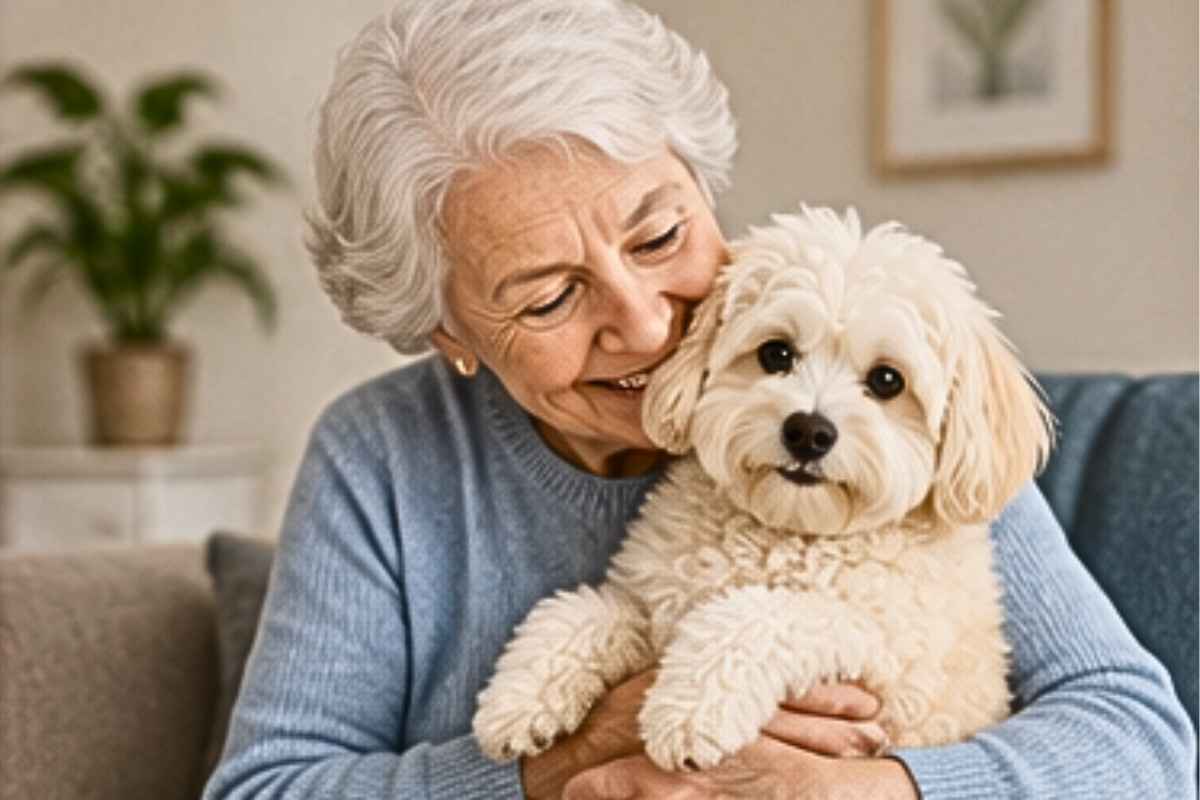
A Maltichon can be an excellent senior companion: affectionate, portable, manageable on leash and content with moderate daily exercise. An adult dog may be especially appealing for someone who wants companionship without puppy housetraining and adolescent chaos.
Grooming cost and frequency should be included in the budget, and very small dogs can be a trip hazard if they habitually walk underfoot. Owners with balance or mobility concerns may benefit from teaching a mat or bed cue rather than encouraging constant shadowing around the feet.
Maltichons for First-Time Dog Owners
They can be very suitable first dogs for people prepared for grooming and consistent training. Their size makes many aspects of management easier, and they tend to enjoy learning. First-time owners should pay particular attention to housetraining, dental care, alone-time training and avoiding accidental reinforcement of nuisance barking.
Maltichon Health Issues & Responsible Health Testing
A Maltichon is not automatically healthier because it is a mixed breed. Crossing two breeds can increase genetic diversity, but offspring can still inherit health risks present in either parent. Responsible Maltichon breeding therefore requires meaningful screening of both the Maltese and Bichon Frise parents.
Luxating Patella
Patellar luxation occurs when the kneecap moves out of its normal groove. Both parent breeds have patellar screening recommendations, making this a particularly sensible issue to ask about. Severity ranges from mild to cases requiring surgical management.
Dental Disease
Small jaws can mean crowded teeth, and both Maltese and Bichons need good dental care. Periodontal disease can cause pain, infection and tooth loss. Daily tooth brushing is one of the most valuable routines you can establish.
Eye Problems
Bichon Frise breeding recommendations include ophthalmologist evaluation, and eye disease can occur in small companion breeds. Persistent tearing, redness, cloudiness, squinting or vision changes warrant veterinary assessment.
Cardiac Concerns
The Maltese national breed-club recommendations include a cardiac examination, in part to screen for congenital problems such as patent ductus arteriosus. A Maltichon breeder should understand why health screening follows the risks of both parent breeds.
Liver Concerns in the Maltese Line
Serum bile acids are among the recommended Maltese health tests because congenital liver issues such as portosystemic shunts and microvascular dysplasia are concerns in the breed. This is a good example of why a generic “DNA clear” statement is not enough.
Hip Health
The Bichon Frise national breed-club recommendations include hip evaluation. Small size does not make orthopedic screening irrelevant.
Bladder Stones, Skin & Allergies
Bichons can be affected by urinary stones and skin/allergy problems. These do not mean a Maltichon will develop either condition, but family history is worth discussing. Recurrent urinary signs—straining, blood in urine, frequent attempts to urinate—need prompt veterinary attention.
What Health Tests Should Maltichon Parents Have?
Because no official Maltichon parent club sets a universal protocol, Dogs Central recommends looking to the established parent-breed recommendations rather than accepting a vague “vet checked” claim.
| Parent | Current U.S. National Breed-Club Recommendations |
|---|---|
| Maltese | Patella evaluation, cardiac exam, serum bile acids |
| Bichon Frise | Patella evaluation, hip evaluation, ophthalmologist evaluation |
Ask to see the actual results and verify OFA records where applicable. A CHIC number means the required breed-specific screenings were completed and made public; it does not mean every result was normal. A broad commercial DNA panel can provide useful information but does not replace examinations such as patella, hip, cardiac or specialist eye evaluations.
Veterinary note: This guide provides general educational information and cannot diagnose or treat an individual dog. Your veterinarian should guide decisions about symptoms, screening, vaccination, parasite prevention, diet and treatment.
For general small-dog health information, visit Small Dog Health.
How Long Do Maltichons Live?
A reasonable expectation for a Maltichon is often around 12–15 years, with individual dogs living shorter or longer lives. Both parent breeds are generally long-lived small companion dogs.
Lifespan is not simply a breed statistic. Genetics, accident prevention, body condition, dental health, preventive veterinary care, nutrition and prompt treatment of illness all contribute to the quality and length of an individual dog’s life.
As a Maltichon reaches the senior years, watch for subtle changes in thirst, appetite, weight, mobility, vision, hearing, sleep and behavior. “Just getting old” should not be used to dismiss changes that might be treatable.
Maltichon Dental Care: A Small-Dog Essential
If there is one care habit worth starting on day one, it is tooth brushing. Small companion dogs are particularly vulnerable to dental crowding and periodontal disease.
Use dog toothpaste—never human toothpaste—and introduce brushing gradually with rewards. Veterinary dental examinations should be part of routine care, and professional cleaning should be performed when medically indicated.
Dental chews can be useful additions if appropriately sized and chosen with veterinary guidance, but they do not magically replace brushing. Bad breath, reluctance to chew, pawing at the mouth, bleeding gums or loose teeth deserve veterinary attention.
What Should You Feed a Maltichon?
Choose a complete and balanced food appropriate for your Maltichon’s life stage and individual health needs. There is no special “Maltichon diet” that is automatically superior to every other appropriate diet.
Small dogs need surprisingly few calories, and treats used during training add up quickly. Measure food, monitor body condition and adjust portions with your veterinarian rather than feeding entirely by eye.
Young toy-sized puppies may need more frequent meals than adults. Ask the breeder and veterinarian for an appropriate transition schedule, especially with a very small puppy. Fresh water should always be available.
Avoid making dramatic diet changes in response to every internet trend. If your dog has persistent itching, digestive upset, urinary problems or another medical concern, involve your veterinarian before attempting restrictive diets.
See Small Dog Nutrition for more feeding guidance.
What Is Life With a Maltichon Really Like?
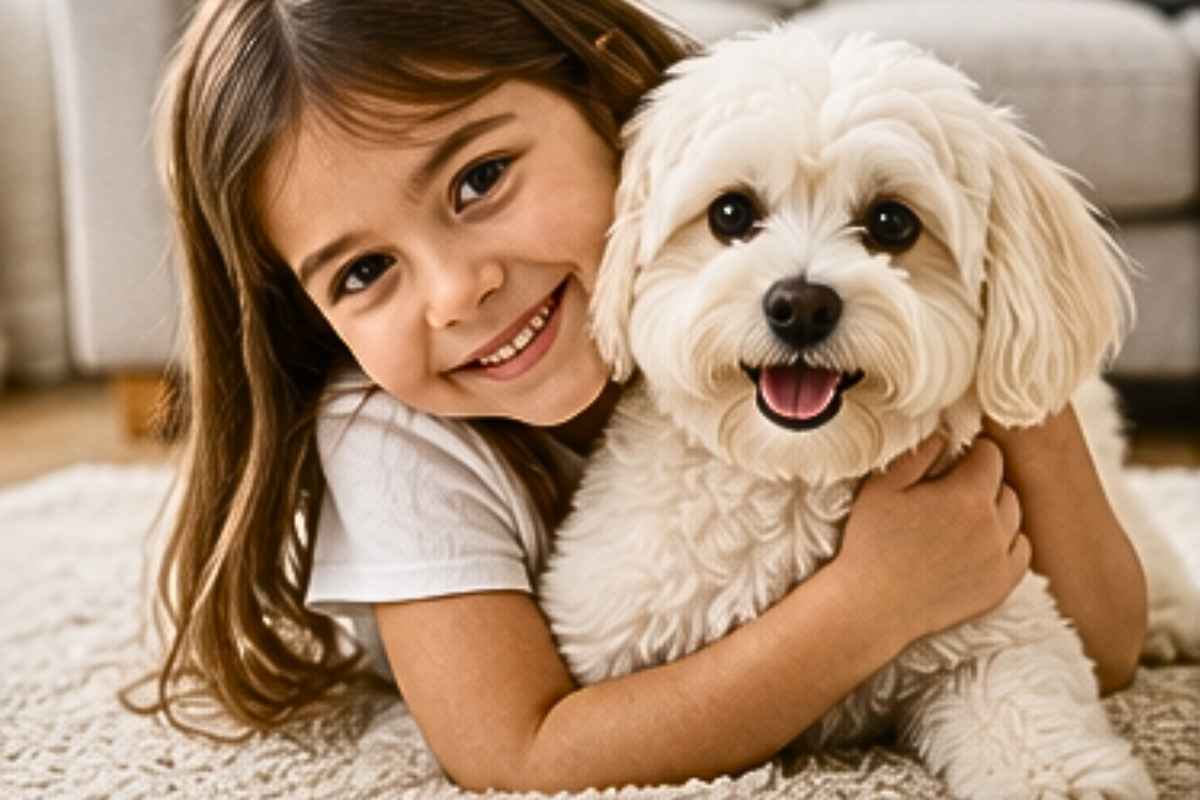
A typical morning may begin with a tiny white dog delighted that you have once again survived the night. There is a toilet trip, breakfast, a walk with plenty of sniffing, and then an important decision: your lap, the back of the sofa, or the patch of sunlight on the floor.
Later comes a brushing session—because the cloud-like coat has contractual obligations—followed by a game, a few tricks and perhaps an enthusiastic announcement that someone three houses away has closed a car door.
That description is playful, but it captures the central truth: Maltichons are participatory companions. They tend to thrive when included in ordinary life. They are portable enough for many outings, moderate enough in exercise needs for many households and social enough to make everyday routines feel shared.
The trade-off is maintenance. The coat cannot be ignored. Teeth cannot be ignored. Housetraining needs consistency. Independence should be taught. A Maltichon is relatively easy to carry, but responsible ownership is not something you can carry for the dog.
For owners who enjoy that closeness and care routine, however, the Maltichon’s affectionate little presence can be one of its greatest pleasures.
F1, F1b, F2 & Multigenerational Maltichons
Designer-dog generation labels describe ancestry; they do not provide guarantees.
- F1 Maltichon: a first-generation cross between a Maltese and Bichon Frise.
- F1b: an F1 Maltichon crossed back to one of the parent breeds.
- F2: generally two F1 Maltichons bred together.
- Multigenerational: later-generation Maltichon breeding, with ancestry that should be explained by the breeder.
An F1b dog is not automatically healthier, more hypoallergenic, smaller or better tempered. Ask why a particular breeding was chosen and what the breeder knows about health and temperament across the family, rather than treating a generation label as a quality grade.
Maltichon Puppies: What Prospective Owners Should Know
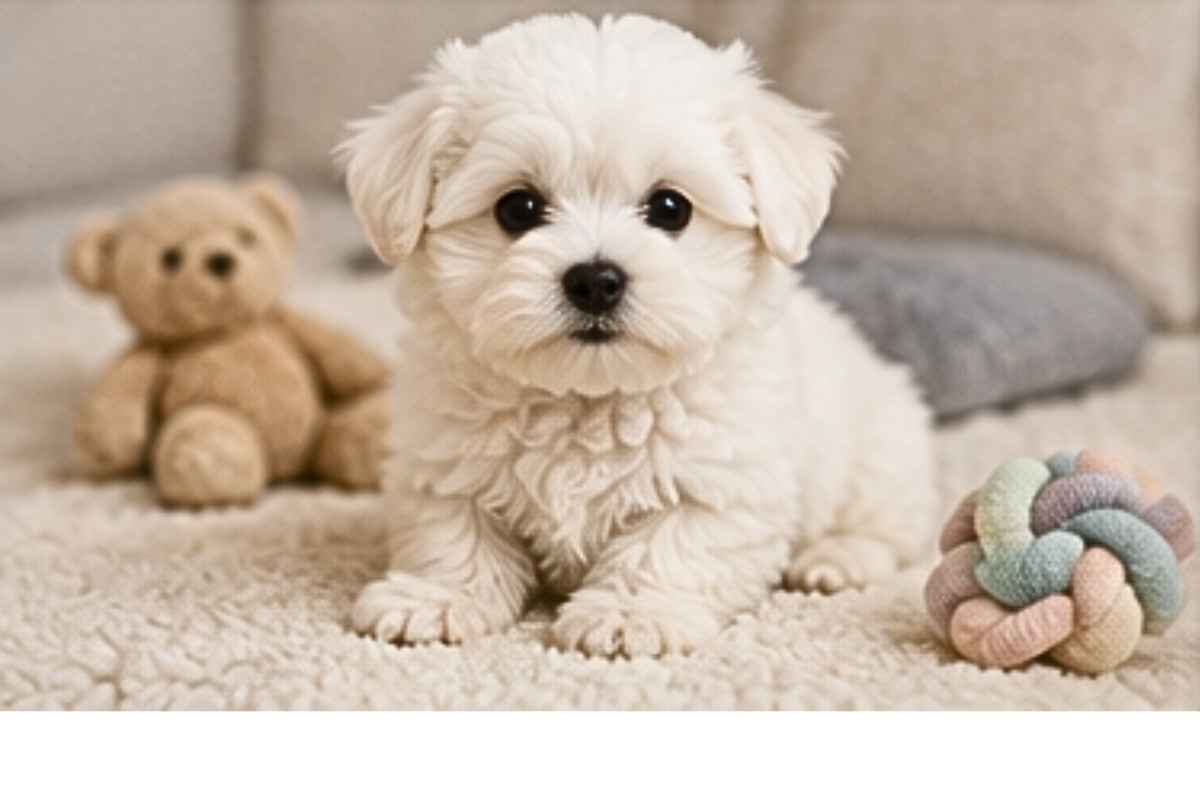
Maltichon puppies are tiny, appealing and highly marketable—which makes buyer education especially important. Choose the source before falling in love with the photograph.
A well-raised puppy should grow up in a clean, stimulating environment with appropriate human contact, safe novelty, early grooming experiences and opportunities to develop confidence. Puppies should not leave their mother and litter prematurely simply because a seller wants to complete the sale.
Early Priorities
- Frequent, patient housetraining
- Positive crate or pen training
- Gentle handling and grooming practice
- Safe socialization
- Learning to be alone for short periods
- Name response and recall
- Comfort with a harness and leash
- Bite inhibition and appropriate chew toys
- Rest—young puppies need a great deal of sleep
Because the U.S. keyword data shows substantial search demand for Maltichon puppies, Maltichon puppies for sale and puppies “near me,” Dogs Central will support this guide with a dedicated educational puppy resource at /maltichons/puppies/. That page should help buyers evaluate puppies and breeders rather than functioning as a classified-ad page.
Maltichon Puppy Name Ideas
A fluffy white Maltichon offers far too many naming possibilities to settle for a generic list. Think cloud and snow names, Mediterranean-inspired Maltese names, French-flavored Bichon names, tiny-food names and names inspired by that cheerful teddy-bear appearance.
White & fluffy: Cloud, Mallow, Pearl, Snowdrop, Cotton, Puff, Mochi.
Sweet: Honey, Biscuit, Truffle, Sugar, Cookie, Cupcake.
Elegant: Bijou, Coco, Gigi, Louis, Sophie, Belle.
Funny little-dog names: Biggie, Moose, Yeti, Tank, Boss, Napoleon.
Sunny personalities: Joy, Sunny, Poppy, Happy, Spark, Twinkle.
Explore our Small Dog Names Guide. A full breed-specific collection belongs at /maltichons/names/.
Finding Maltichon Puppies for Sale & Responsible Maltichon Breeders
The supplied U.S. data shows clear commercial intent around Maltichon breeders, Maltichon puppies for sale, Maltichon price and “near me” searches. The right response is not to rush readers toward the nearest available puppy. It is to help them recognize a responsible source.
Questions to Ask a Maltichon Breeder
- Can I see the actual health-test results for both parents?
- Which parent is Maltese and which is Bichon Frise?
- What are the parents’ adult weights and temperaments?
- Can you explain the Maltese patella, cardiac and serum bile-acid recommendations?
- Can you explain the Bichon patella, hip and ophthalmologist recommendations?
- How are puppies raised and socialized?
- How are puppies introduced to brushing, combing, nail care and handling?
- At what age do puppies go home?
- Can I meet the mother and learn about the father?
- What support do you provide after purchase?
- Does the contract require the dog to be returned to you if the owner cannot keep it?
Warning Signs
Be cautious with sellers who always have many breeds available, will not show health records, refuse to discuss the parents, sell through anonymous delivery arrangements, pressure you to pay immediately, or focus heavily on “teacup,” “micro,” “rare” or “100% hypoallergenic” claims.
How Much Does a Maltichon Cost?
Prices vary considerably by region, breeder, parentage and market conditions. The Ubersuggest data confirms that people want a price answer, but a static national figure can become misleading quickly. An unusually low price can be a warning sign; an extremely high one does not prove quality. Documented health screening, puppy-raising practices and breeder responsibility are far more meaningful.
The Dogs Central breeder showcase for this breed belongs at /small-dog-breeders/maltichon/. Readers should still perform their own due diligence with any breeder.
Maltichon Adoption & Rehoming
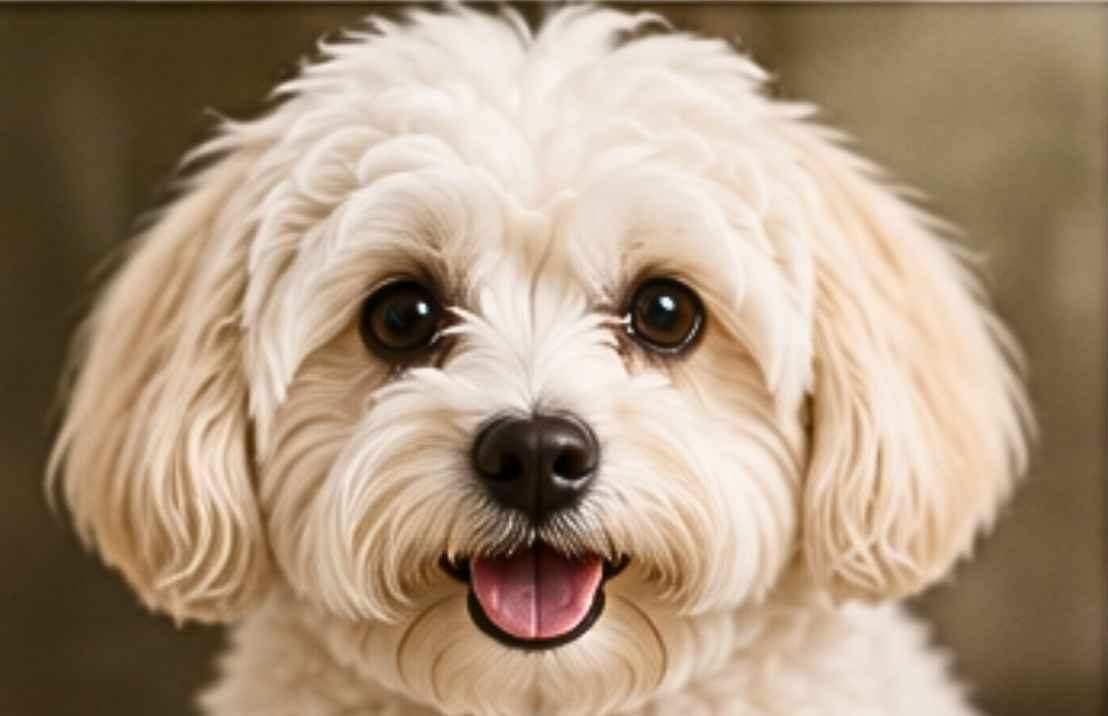
Maltichons do sometimes become available through shelters, small-dog rescues and private rehoming. Adult adoption can be especially attractive because mature size, coat, temperament and grooming requirements are already much easier to assess.
Pet Rehoming Network has an existing Maltichon adoption and rehoming resource for Maltese Bichon Frise mix dogs. It should be the Pet Rehoming Network destination for this intent rather than creating a competing Dogs Central adoption page.
If circumstances make it impossible to keep a beloved Maltichon, responsible home-to-home rehoming can allow the dog to remain with the owner while a carefully screened new home is sought. Potential adopters can meet the dog and owner, learn the dog’s real routine and needs, and make a thoughtful decision.
Rehoming because life circumstances have changed is not something that needs to be disguised or treated shamefully. Honest disclosure about health, behavior, grooming, housetraining and time-alone needs helps create a safer, more durable match.
Maltichon vs. Maltipoo, Shichon, Maltese & Bichon Frise
Small white designer dogs can look remarkably similar after a teddy-bear haircut. Parentage matters more than the hairstyle.
Maltichon vs. Maltipoo
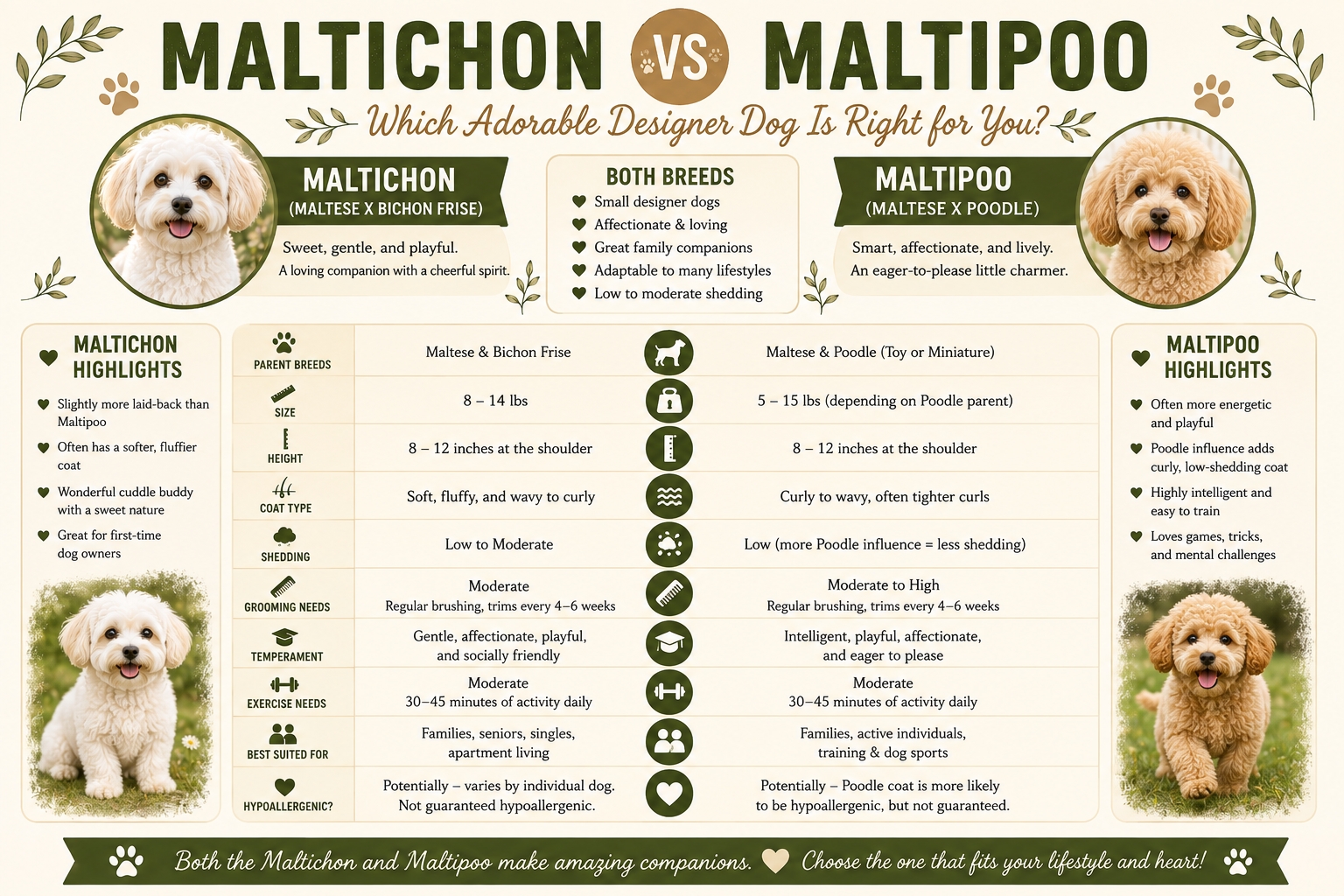
A Maltipoo crosses Maltese with Poodle; a Maltichon crosses Maltese with Bichon Frise. Both may be affectionate, intelligent and low-shedding. Poodle influence can create a wider range of coat colors and may contribute somewhat different working intelligence and athletic traits. The Maltichon’s two parent breeds are both members of the broader bichon-type companion tradition.
Maltichon vs. Shichon
A Shichon combines Shih Tzu and Bichon Frise. The Shih Tzu side can bring a different facial structure, coat and temperament. Both crosses can be excellent companion dogs and both require substantial grooming.
Maltichon vs. Maltese
A purebred Maltese is more predictable in adult size, coat and breed type and is typically under seven pounds. A Maltichon may be larger and sturdier, with a wavier or curlier coat.
Maltichon vs. Bichon Frise
A purebred Bichon is generally larger than a Maltese and has the breed’s characteristic curly double coat. A Maltichon may be smaller or silkier depending on inheritance.
If predictability of size, coat and appearance is especially important to you, an established pure breed may make more sense than a cross. If you enjoy the range of possibilities and genuinely like both parent breeds, a Maltichon may be a delightful choice.
Maltichon Pros & Cons
| Why People Love Maltichons | What to Think About |
|---|---|
| Very affectionate and companion-oriented | May struggle with too much time alone |
| Small and portable | Small size makes injury prevention important |
| Usually low shedding | Low shedding does not mean allergy-proof |
| Bright and trainable | Housetraining still requires consistency |
| Moderate exercise needs | Still needs daily activity and enrichment |
| Often friendly and playful | Can become an alert or demand barker |
| Can suit apartments and seniors | Professional grooming can be a significant ongoing expense |
| Potentially long-lived | Can inherit health risks from either parent breed |
| Adorable range of coat styles | Coat requires frequent hands-on maintenance |
Is a Maltichon the Right Dog for You?
A Maltichon May Be a Wonderful Match If You…
- want a genuinely small companion dog;
- enjoy having a dog involved in everyday life;
- prefer a low-shedding coat and understand the grooming trade-off;
- can budget for regular professional grooming;
- enjoy gentle walks, play and trick training;
- will provide patient housetraining and socialization;
- want a dog suited to an apartment or smaller home;
- and are comfortable with some variability in a designer cross.
You May Prefer Another Dog If You…
- need a dog that can routinely spend very long days alone;
- want a wash-and-wear coat;
- cannot commit to brushing and dental care;
- need a guaranteed hypoallergenic dog;
- want highly predictable adult size and coat type;
- have very young children who cannot yet interact gently with a tiny dog;
- or simply prefer a more independent companion.
The best reason to choose a Maltichon is not that it promises the “best of both breeds.” Genetics makes no such promise. Choose one because you understand both the Maltese and the Bichon Frise, can happily accommodate traits from either, and want the affectionate, groom-intensive, people-loving little companion that combination can produce.
Frequently Asked Questions About Maltichons
What is a Maltichon?
A Maltichon is a designer cross between a Maltese and a Bichon Frise. It may also be called a Maltese Bichon mix, Bichon Maltese or Maltese Bichon Frise mix.
How big does a Maltichon get?
Many adults fall around 7–15 pounds and roughly 8–12 inches tall, but there is no official breed standard. The actual parents are the best guide to likely adult size.
What does a full-grown Maltichon look like?
Most are small, predominantly white dogs with drop ears, dark eyes and soft coats that can range from silky and wavy to fluffy and curly. Grooming style strongly affects appearance.
How long do Maltichons live?
A typical expectation is around 12–15 years, although individual lifespan varies with genetics, health, preventive care and lifestyle.
Do Maltichons shed?
They are usually low-shedding because both parent breeds shed relatively little, but individual coats vary and low shedding does not mean zero shedding.
Are Maltichons hypoallergenic?
No dog can be guaranteed hypoallergenic. Maltichons may suit some allergy-sensitive people because they often shed little, but people can react to dander and saliva as well as hair.
Do Maltichons need haircuts?
Most pet Maltichons with continuously growing coats benefit from regular trimming. Puppy cuts and teddy-bear trims are popular because they are practical and attractive.
How often should a Maltichon be groomed?
Home brushing may be needed daily or every other day for longer coats, while clipped pets often visit a professional groomer approximately every four to eight weeks depending on coat and style.
Are Maltichons easy to train?
They are generally intelligent and responsive to reward-based training. Housetraining can require patience and consistency because they are small dogs with small bladders.
Do Maltichons bark a lot?
Some are alert and vocal, while others are relatively quiet. Early training, adequate activity and managing triggers such as busy windows can reduce nuisance barking.
Can Maltichons be left alone?
They can learn to spend reasonable periods alone, but both parent breeds are strongly companion-oriented. Gradual independence training is important, and they are not ideal for chronic long-hour isolation.
Are Maltichons good with children?
They can be affectionate family dogs, but their small size makes gentle handling and adult supervision essential, particularly with young children.
Are Maltichons good with cats?
Many can live successfully with cats when introductions are gradual and respectful. Individual temperament and previous experience matter.
Are Maltichons good apartment dogs?
Usually yes. Their compact size and moderate exercise needs suit apartment life well, provided barking, housetraining and companionship needs are addressed.
Are Maltichons good for seniors?
Often yes. They are small, affectionate and manageable exercise companions, although grooming costs and the possibility of an underfoot trip hazard should be considered.
What colors do Maltichons come in?
Most are white or predominantly white. Cream, ivory and pale apricot or buff shading may occur. Unusual strong colors should prompt questions about ancestry rather than a premium for “rarity.”
Is there a teacup Maltichon?
There is no officially recognized teacup, micro or miniature Maltichon variety. These are marketing terms rather than formal size classifications.
What health problems can Maltichons have?
Potential concerns inherited from the parent lines include patellar luxation, dental disease, eye problems, cardiac or congenital liver concerns, hip problems, skin/allergy issues and urinary stones. Risk varies by individual.
What health tests should Maltichon breeders do?
At minimum, ask about the established tests recommended for both parent breeds: Maltese patella, cardiac and serum bile-acid screening, plus Bichon Frise patella, hip and ophthalmologist evaluations.
How much does a Maltichon cost?
Price varies by region and breeder. Do not use price alone as a quality measure; documented health testing, temperament, puppy raising and breeder accountability are more meaningful.
What is the difference between a Maltichon and a Maltipoo?
A Maltichon is Maltese × Bichon Frise. A Maltipoo is Maltese × Poodle. They can look similar after grooming but have different ancestry and potential traits.
Related Dogs Central Guides
Trusted Resources
About This Maltichon Guide
Dogs Central has been helping dog lovers learn about breeds and responsible dog ownership since 2002. We are building an expanding library devoted to small dogs, with detailed breed guides, puppy resources, names, grooming, health, training, nutrition and practical advice for living well together.
This Maltichon guide is designed to grow. As Dogs Central develops the Maltichon section, we can add original photographs, breed-specific infographics, puppy guidance, names, owner experiences and supporting resources while keeping this page the definitive overview of the Maltese Bichon Frise mix.