
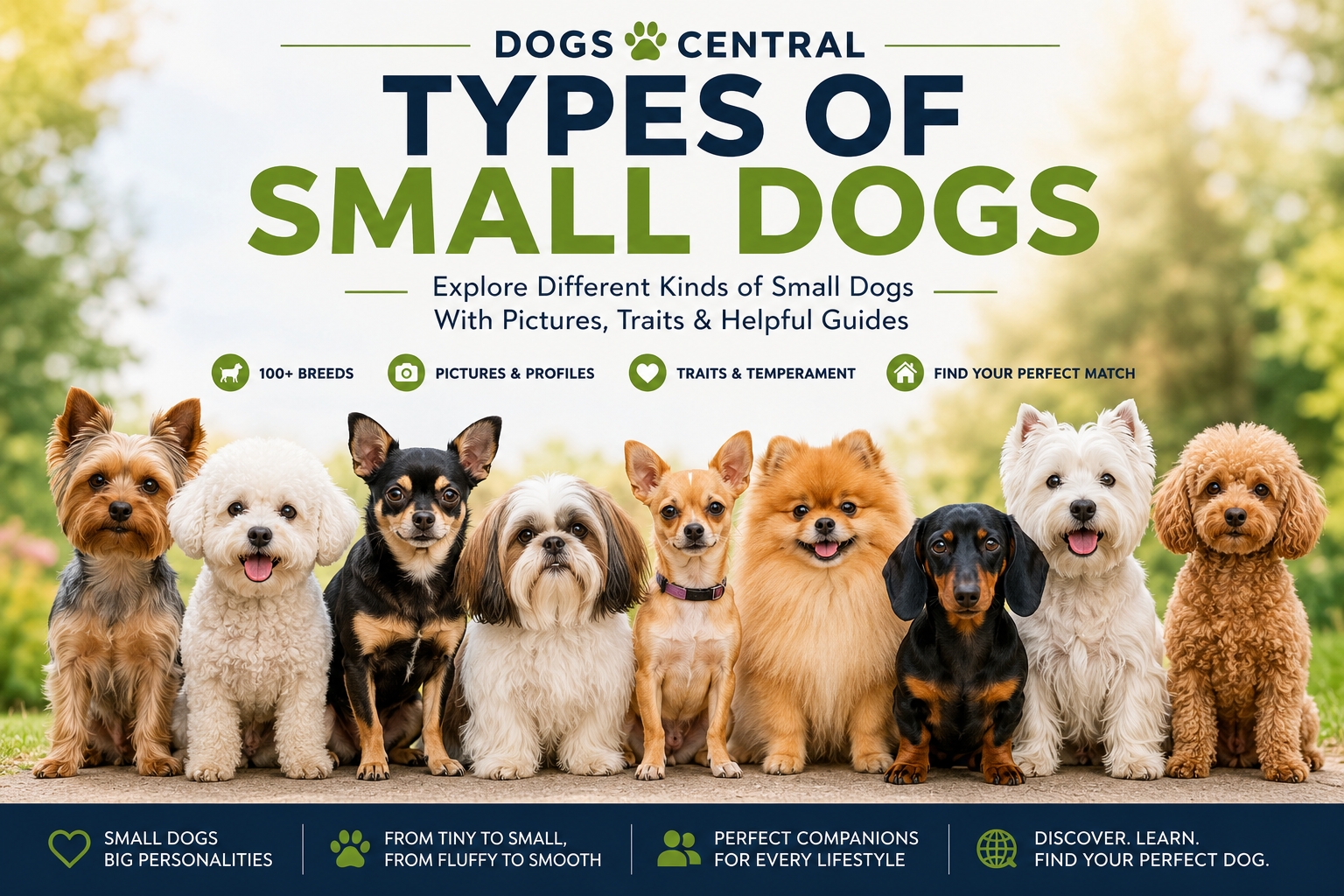
How many different types of small dogs can you name? Chihuahuas, Yorkies and Pomeranians may come to mind first, but the world of little dogs is wonderfully varied. There are silky-coated companions, fluffy white dogs, curly-coated little athletes, short-haired terriers, long-bodied hounds, elegant toy breeds and an ever-growing collection of small designer dogs.
This visual Dogs Central guide is designed to help you explore the many kinds of small dogs by appearance, size, coat, personality, breed family and lifestyle. Whether you want a tiny dog that stays small, a low-shedding companion, a long-haired beauty, a sturdy family dog or simply want to see different types of small dogs with pictures, you can start here.
There is no single “small-dog personality.” A 6-pound Chihuahua, a 15-pound Havanese and a 20-pound Rat Terrier can have dramatically different exercise needs, grooming requirements, temperaments and ideal homes. Size is only the beginning.
Small Dog Quick Finder
Already know what kind of little dog appeals to you? Use these shortcuts to narrow the field, then follow the breed links for complete Dogs Central guides.
| If You’re Looking For… | Small Dogs to Explore |
|---|---|
| Very tiny dogs | Chihuahua, Toy Poodle, Pomeranian, Yorkshire Terrier, Maltese, Papillon |
| Fluffy small dogs | Pomeranian, Bichon Frise, Havanese, Coton de Tulear, Shih Tzu |
| Long-haired small dogs | Yorkshire Terrier, Maltese, Shih Tzu, Havanese, Papillon, long-coat Chihuahua |
| Short-haired small dogs | Chihuahua, Rat Terrier, Miniature Pinscher, Boston Terrier, French Bulldog, Pug, Italian Greyhound |
| Curly-coated small dogs | Toy Poodle, Miniature Poodle, Bichon Frise and many Poodle mixes |
| Lower-shedding choices | Poodle, Bichon Frise, Maltese, Havanese, Yorkshire Terrier, Miniature Schnauzer |
| Active little athletes | Rat Terrier, Jack Russell Terrier, Miniature Pinscher, Papillon, Miniature Poodle |
| Companion-focused lap dogs | Maltese, Shih Tzu, Cavalier King Charles Spaniel, Havanese, Pekingese |
| Small terriers | Rat Terrier, Westie, Cairn Terrier, Yorkie, Scottish Terrier, Jack Russell Terrier |
| Designer small dogs | Havapoo, Cavapoo, Maltipoo, Morkie, Shichon, Yorkipoo, Pomapoo and many more |
Breed traits describe tendencies, not guarantees. Individual temperament is influenced by genetics, breeding, early socialization, training, health and life experience.
Types of Small Dogs A–Z: Popular Small Dog Breeds
If you’re looking for a list of types of small dogs, this is a great place to begin. Dogs Central considers more than weight alone: many dogs commonly thought of as small companions fall somewhere from tiny toy size to the upper end of the small-dog range.
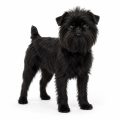
 Affenpinscher
 Affenpinscher
A tiny, wiry-coated companion with a famously expressive face and bold, curious personality. Affenpinschers are compact but far from delicate in spirit.
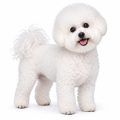
Bichon Frise
 Bichon Frise
Cheerful, affectionate and recognizable by a soft white coat, the Bichon Frise is a people-oriented companion with a playful streak and relatively low-shedding coat.
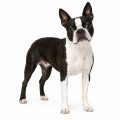
Boston Terrier
 Boston Terrier
Friendly, entertaining and adaptable, Boston Terriers combine a compact build with an affectionate, sociable temperament and easy-care short coat.
Brussels Griffon
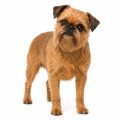 Brussels Griffon
Small, expressive and full of character, the Brussels Griffon is an intensely companion-oriented little dog with an almost human-looking face.
Cairn Terrier
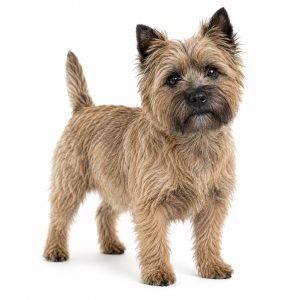 Cairn Terrier
Bright, hardy and inquisitive, Cairn Terriers are classic little working terriers with plenty of independence, curiosity and confidence.
Cavalier King Charles Spaniel
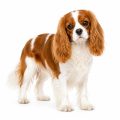 Cavalier King Charles Spaniel
Gentle, affectionate and graceful, Cavaliers combine sporting-spaniel heritage with the temperament of a loving companion dog.
Explore Cavalier King Charles Spaniels
Chihuahua
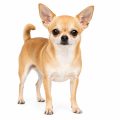 Chihuahua
The smallest recognized dog breed is also one of the biggest personalities. Chihuahuas may have smooth or long coats and tend to form exceptionally close bonds with their people.
Chinese Crested
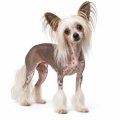 Chinese Crested
Available in hairless and Powderpuff varieties, the Chinese Crested is distinctive, affectionate and often deeply devoted to its family.
Coton de Tulear
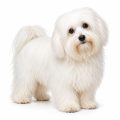 Coton de Tulear
Happy, sociable and known for a soft cotton-like coat, the Coton de Tulear was developed as a companion and typically thrives on close family interaction.
Dachshund
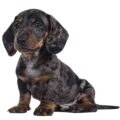 Dachshund
Long-bodied, short-legged and famously courageous, Dachshunds come in smooth, longhaired and wirehaired coats. Miniatures are firmly in little-dog territory.
French Bulldog
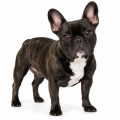 French Bulldog
Compact, playful and people-loving, the French Bulldog is a popular companion with a short coat and relatively modest exercise needs, although health considerations deserve careful research.
Havanese
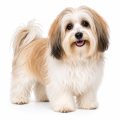 Havanese
Friendly, playful and highly people-oriented, the Havanese is a small companion dog with a long, soft coat and a reputation for wanting to be involved in family life.
Italian Greyhound
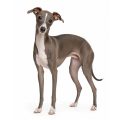 Italian Greyhound
Elegant and fine-boned, the Italian Greyhound is a miniature sighthound known for sensitivity, speed, warmth-seeking behavior and close attachment to its people.
Jack Russell Terrier
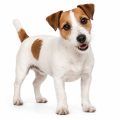 Jack Russell Terrier
Small does not mean sedentary. Jack Russells are clever, athletic, determined terriers that generally need substantial physical exercise and mental engagement.
Lhasa Apso
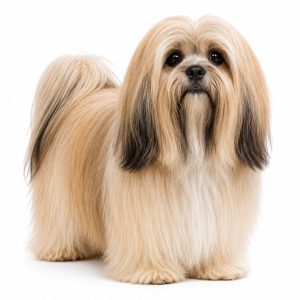 Lhasa Apso
A long-coated little dog with ancient roots as a Tibetan watchdog and companion, the Lhasa Apso can be affectionate with family while retaining an independent streak.
Maltese
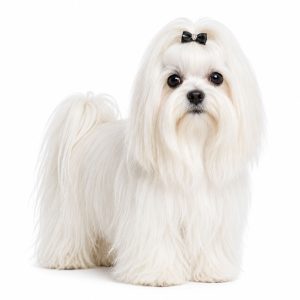 Maltese
Tiny, elegant and companion-focused, the Maltese is famous for a long white coat, lively personality and strong attachment to its people.
Miniature Pinscher
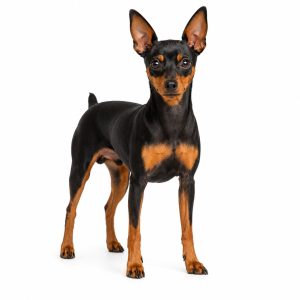 Miniature Pinscher
Sleek, animated and fearless, the Miniature Pinscher is a compact dog with a short coat, lively temperament and far more energy than its size might suggest.
Miniature Poodle
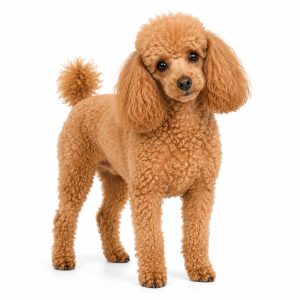 Miniature Poodle
Exceptionally intelligent and versatile, Miniature Poodles combine trainability and athleticism with a curly, continuously growing coat that sheds relatively little but requires regular grooming.
Miniature Schnauzer
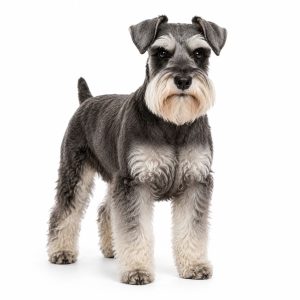 Miniature Schnauzer
Sturdy, bright and unmistakable with their eyebrows and beard, Miniature Schnauzers are lively companions with terrier-like confidence and a relatively low-shedding coat.
Papillon
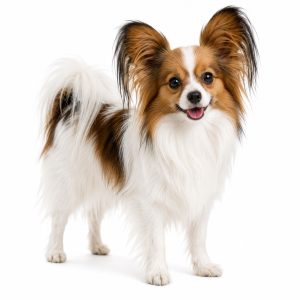 Papillon
Named for butterfly-like ears, the Papillon is a tiny but remarkably athletic toy breed. They are often eager learners and can excel at training and dog sports.
Pekingese
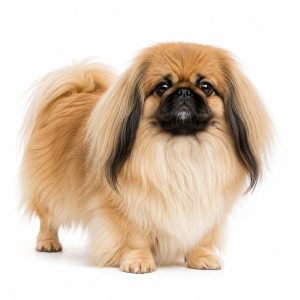 Pekingese
Compact, dignified and independent, the Pekingese was developed as a companion dog and is known for a long coat, distinctive expression and loyal nature.
Pomeranian
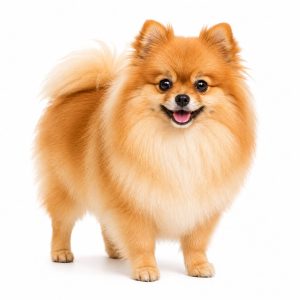 Pomeranian
A tiny spitz with a spectacular double coat, the Pomeranian is alert, lively and often surprisingly bold for such a small package.
Pug
 Pug
PugComical, affectionate and unmistakably expressive, Pugs are compact companion dogs that generally prefer being wherever their people are.
Rat Terrier
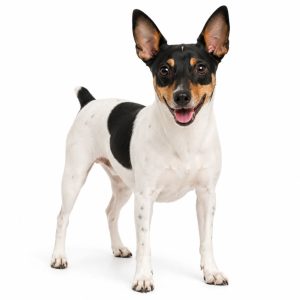 Rat Terrier
Intelligent, athletic and versatile, the Rat Terrier is an American breed with working roots. These dogs can make wonderful companions for people who appreciate an active, trainable little dog.
Scottish Terrier
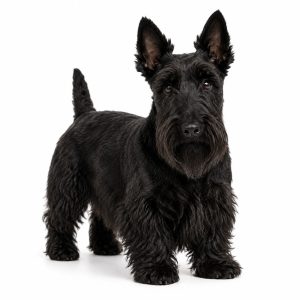 Scottish Terrier
Independent and dignified, the Scottie is a sturdy little terrier with a distinctive outline, strong personality and loyal disposition.
Shih Tzu
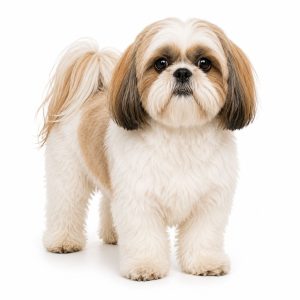 Shih Tzu
Bred primarily for companionship, the Shih Tzu is affectionate, adaptable and known for its flowing coat, sweet expression and enjoyment of close family life.
Silky Terrier
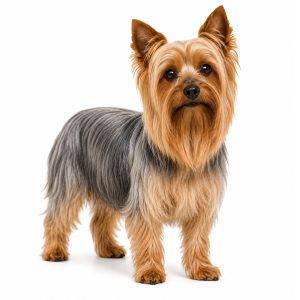 Silky Terrier
Elegant but spirited, the Silky Terrier combines a fine blue-and-tan coat with genuine terrier energy and confidence.
Toy Poodle
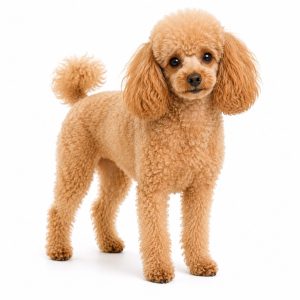 Toy Poodle
Toy Poodles pack remarkable intelligence and athletic ability into a very small body. Their curly coat sheds relatively little but requires consistent grooming.
West Highland White Terrier
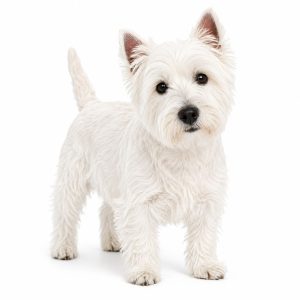 West Highland White Terrier
The cheerful white Westie is sturdy, confident and unmistakably terrier-like: curious, entertaining and often quite sure of its own opinions.
Explore West Highland White Terriers
Yorkshire Terrier
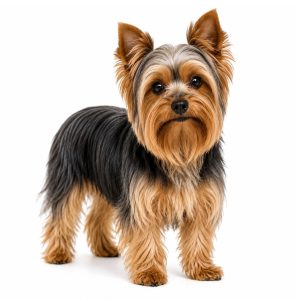 Yorkshire Terrier
Yorkies combine tiny size and a silky coat with the confidence of their terrier ancestry. They are affectionate, portable and frequently much bolder than newcomers expect.
Want the traditional alphabetical directory? Visit our Small Dog Breeds A–Z for even more breeds and direct links to our growing library of breed guides.
Types of Small Dogs by Size
“Small dog” is an everyday description rather than one universal weight category. A 5-pound Maltese and a 25-pound Rat Terrier may both be described as small dogs, yet their physical needs and sturdiness can be very different.
Very Small Dogs and Tiny Dogs
If you want a dog that truly stays tiny, explore breeds such as the Chihuahua, Toy Poodle, Pomeranian, Yorkshire Terrier, Maltese and Papillon. Adult size still varies within a breed, so responsible breeders should never promise an exact mature weight for a young puppy.
Very small dogs can be convenient to carry and may fit beautifully into smaller homes, but tiny size brings special considerations. Falls, rough handling and interactions with much larger dogs can cause serious injury. Homes with very young children need to consider the dog’s physical fragility as well as temperament.
Classic Small Companion Dogs
Havanese, Bichon Frise, Shih Tzu, Pugs, Miniature Dachshunds and Cavaliers occupy a comfortable middle ground for many families: unmistakably small, but generally more substantial than the tiniest toy dogs.
Small-to-Medium Dogs
At the upper end are breeds such as Rat Terriers, Boston Terriers, Miniature Schnauzers, French Bulldogs and some Welsh Corgis. These dogs may still suit people seeking a compact companion, but their exercise needs, lifting weight and space requirements can be different from those of a 6-pound toy breed.
What About “Teacup” Dogs?
“Teacup” is not a separate dog breed. It is a marketing term commonly used for dogs bred or expected to be unusually small. Extremely tiny size can increase vulnerability to injury and certain health problems. If miniature size is important to you, research the normal healthy size range of the actual breed rather than shopping for a “teacup” label.
Types of Small Dogs by Coat and Hair Type
Coat type can dramatically change day-to-day life with a small dog. Before falling in love with a photograph, think about brushing, professional grooming, shedding, weather protection and how much coat maintenance you realistically enjoy.
Small Short-Haired Dogs
Popular short-coated choices include smooth-coat Chihuahuas, Rat Terriers, Miniature Pinschers, Boston Terriers, French Bulldogs, Pugs and Italian Greyhounds. Short coats are usually simpler to brush, although short-haired dogs can still shed considerably.
Small Long-Haired Dogs
If you love flowing coats, consider Maltese, Yorkshire Terriers, Shih Tzus, Havanese, Papillons, Pekingese and long-coat Chihuahuas. Long coats can be beautiful, but many require frequent brushing and regular trimming or professional grooming.
Small Fluffy Dogs
Pomeranians, Bichon Frises, Cotons de Tulear and Havanese are among the breeds people often picture when searching for small fluffy dogs. Their coats differ considerably, however. A Pomeranian’s dense double coat is not maintained the same way as a Bichon’s curly coat.
Small Curly-Haired Dogs
Toy and Miniature Poodles are the classic curly-coated little dogs. Bichon Frises also develop a soft, curly coat, while Poodle-cross designer dogs such as Havapoos, Cavapoos and Maltipoos may inherit coats ranging from loose waves to tighter curls.
Mixed-breed coat inheritance is variable. A Poodle parent does not guarantee that every puppy will have the same curl pattern, shedding level or grooming needs.
What Types of Small Dogs Don’t Shed Much?
People often search for small dogs that “don’t shed,” but no dog is literally guaranteed to shed nothing or to be completely hypoallergenic. Some breeds, however, tend to release considerably less loose hair into the home than others.
Common lower-shedding small breeds include:
- Toy Poodle
- Miniature Poodle
- Bichon Frise
- Maltese
- Havanese
- Yorkshire Terrier
- Miniature Schnauzer
- Coton de Tulear
The tradeoff is often grooming. Hair that keeps growing or remains caught in the coat needs brushing, clipping, trimming or professional grooming to prevent tangles and mats.
If allergies are the reason you are looking for a low-shedding dog, spend meaningful time around adult dogs of the breed before making a commitment. People can react to proteins found in dander, saliva and urine as well as to material carried on the coat.
See our Small Dog Breeds That Don’t Shed Much and Hypoallergenic Small Dog Breeds guides for a deeper comparison.
Types of Small Dogs by Color
Color is rarely the most important reason to choose a breed, but it is undeniably part of what catches our eye. Small dogs appear in an enormous variety of colors and patterns.
Small White Dog Breeds
White little dogs include the Maltese, West Highland White Terrier and Bichon Frise, while several other breeds can also occur in white or predominantly white coats. White coats may show tear staining, dirt or discoloration more readily, so appearance can require extra maintenance.
Small Black Dogs
Black coats occur in many little breeds, including Poodles, Pugs, Chihuahuas, Miniature Schnauzers and various terriers and designer dogs. Some are solid black; others carry tan, white or silver markings.
Black-and-White Small Dogs
Boston Terriers are famous for crisp dark-and-white markings, while black-and-white patterns can also appear in Chihuahuas, Shih Tzus, Havanese, Rat Terriers and many mixed breeds.
Brown, Red, Cream and Apricot Small Dogs
Warm colors are common across Poodles, Pomeranians, Dachshunds, Chihuahuas and many designer crosses. Designer dogs involving Poodles are particularly well known for cream, apricot, red and chocolate coats, although puppy color may change as the coat matures.
Choose the dog, not merely the color. Health, temperament, responsible breeding and compatibility with your lifestyle matter far more than obtaining a particular shade.
Small Dogs by Ear Type and Appearance
Small Dogs With Pointy or Upright Ears
Chihuahuas, Pomeranians, Papillons, Westies and Miniature Pinschers are among the small dogs known for alert upright ears. Ear carriage contributes enormously to the distinctive expressions of these breeds.
Small Dogs With Floppy or Long Ears
Cavalier King Charles Spaniels and Dachshunds are classic examples. Long or hanging ears can require extra attention because reduced airflow may contribute to ear problems in susceptible dogs.
Small Dogs With Big Ears
Chihuahuas, Papillons and Italian Greyhounds are wonderfully expressive examples. Large ears are part of their charm, but ear shape alone tells you very little about personality or suitability.
Small Dogs With Big Eyes
Several toy and companion breeds have large, prominent eyes. While undeniably appealing, very prominent eyes may be more vulnerable to irritation or injury, making careful handling and appropriate veterinary care important.
Different Kinds of Small Dogs by Breed Family
Grouping little dogs by their original purpose often explains their personalities better than size alone.
Toy and Companion Dogs
Chihuahuas, Maltese, Havanese, Shih Tzus, Pekingese and Japanese Chin were developed primarily or substantially for companionship. Many are intensely people-oriented, although individual breeds differ in trainability, sociability and independence.
Small Terriers
Terriers were often developed to pursue vermin or work independently. Rat Terriers, Cairn Terriers, Westies, Scottish Terriers, Jack Russells and Yorkshire Terriers may be small, but many retain determination, prey drive and confidence associated with working terriers.
Small Poodles
Toy and Miniature Poodles are exceptionally intelligent dogs rather than decorative lapdogs. They benefit from training, mental stimulation and regular activity as well as substantial coat care.
Small Spaniels
Cavalier King Charles Spaniels and other little spaniel breeds often combine affectionate companion qualities with sporting ancestry. Their soft expressions should not obscure the fact that many enjoy active walks, games and exploration.
Small Hounds and Sighthounds
Miniature Dachshunds and Italian Greyhounds could hardly look more different, but both remind us that small dogs may retain specialized instincts. Dachshunds were developed for going to ground after quarry, while Italian Greyhounds retain the speed and visual sensitivity of sighthounds.
Small Spitz-Type Dogs
Pomeranians and other compact spitz breeds are known for fox-like expressions, upright ears and plush coats. Many are alert and lively companions.
Types of Small Designer Dogs
Designer dogs are intentional crosses between established breeds. Some have become enormously popular as companion dogs, particularly crosses involving Toy or Miniature Poodles.
Popular small designer dogs include:
- Havapoo — Havanese × Toy or Miniature Poodle
- Cavapoo — Cavalier King Charles Spaniel × Poodle
- Maltipoo — Maltese × Poodle
- Yorkipoo — Yorkshire Terrier × Poodle
- Pomapoo — Pomeranian × Poodle
- Shihpoo — Shih Tzu × Poodle
- Shichon — Shih Tzu × Bichon Frise
- Morkie — Maltese × Yorkshire Terrier
- Chiweenie — Chihuahua × Dachshund
- Pomchi — Pomeranian × Chihuahua
- Chorkie — Chihuahua × Yorkshire Terrier
- Havachon — Havanese × Bichon Frise
Crossing two breeds does not create a perfectly predictable combination of their characteristics. Puppies in the same litter can differ in size, coat, shedding, appearance and temperament. Responsible designer-dog breeding should include appropriate health testing relevant to both parent breeds, careful selection for temperament and excellent puppy raising and socialization.
Browse our Small Designer Dog Breeds Guide for our growing directory of designer companion dogs.
Best Types of Small Dogs for Different Lifestyles
The “best” small dog depends entirely on the person asking. A breed that is perfect for an active retiree may be exhausting for someone wanting a quiet lap companion. A dog that thrives with older children may be too physically delicate for a household with toddlers.
Small Dogs for Families With Children
Look beyond friendliness. Consider physical sturdiness, tolerance for household activity, exercise needs and the ages of the children. Cavaliers, Havanese, Bichons, Boston Terriers and Rat Terriers can be worth exploring for appropriate families, but individual temperament and supervision always matter.
Explore the Best Small Dogs for Families
Small Dogs for Seniors
Many seniors appreciate smaller companions, but size alone is not enough. Consider pulling strength, barking, grooming, exercise requirements, trainability and whether the dog can comfortably fit the owner’s future lifestyle.
Explore Small Dogs for Seniors
Small Dogs for Apartments
A small body does not automatically make an apartment dog. A quiet, adaptable 18-pound companion may be easier in close quarters than a highly vocal 6-pound dog. Energy level, barking and ability to settle are important.
Explore the Best Small Dogs for Apartments
Quiet Small Dogs
No breed is guaranteed not to bark. Genetics, environment, boredom, anxiety, training and individual temperament all influence vocal behavior. If noise is a major concern, investigate typical breed tendencies and the individual dog’s behavior rather than relying on a “quiet breed” label.
Explore Quiet Small Dog Breeds
Active Small Dogs
Rat Terriers, Jack Russell Terriers, Papillons, Miniature Poodles and Miniature Pinschers are examples of little dogs that can enjoy an active life. Small size does not prevent a dog from needing substantial exercise and mental stimulation.
Small Lap Dogs and Close Companions
Maltese, Havanese, Shih Tzus, Cavaliers and Pekingese have strong companion-dog histories. Even devoted lap dogs need exercise, enrichment, training and opportunities to explore the world.
What Type of Small Dog Should I Get?
Instead of asking which breed is cutest or most popular, start with the life you can realistically offer for the next decade or longer.
| Question | Why It Matters |
|---|---|
| How active am I every day? | Small breeds range from relaxed companions to energetic working terriers. |
| How much grooming will I do? | Some coats need little more than brushing; others require frequent combing and professional grooming. |
| How much barking can I tolerate? | Alertness and vocal tendencies vary widely. |
| Are there young children? | Tiny, fragile dogs may not be appropriate for rough or unpredictable handling. |
| Do I have other pets? | Prey drive, sociability and individual history matter. |
| How long will the dog be alone? | Many companion breeds thrive on human contact and may struggle with long daily absences. |
| Do allergies matter? | Lower shedding may help some households, but no breed can guarantee an allergy-free experience. |
| Can I afford breed-specific health care? | Different breeds have different inherited health risks and preventive-care needs. |
| Do I want a puppy? | Adult and senior dogs can offer more predictable size, coat and temperament. |
Once you have narrowed your choices to two or three breeds, read the complete Dogs Central breed guides and compare temperament, grooming, exercise, health and training. Meeting well-bred adult dogs can also tell you far more than photographs of puppies.
For a shorter shortlist, see our Best Small Dog Breeds Guide.
Purebred, Designer Dog or Rescue?
There is no single right route to finding a small companion. A responsibly bred purebred puppy can offer greater predictability in adult size and breed traits. A thoughtfully bred designer dog may appeal to families who understand that mixed-breed inheritance remains variable. Rescue and adoption can provide wonderful opportunities to give an existing dog a new beginning.
Whichever route you choose, prioritize health, temperament, humane care and a realistic match with your household. Avoid impulse purchases based on appearance alone, and be cautious of anyone selling puppies without meaningful interest in where those puppies will live.
If purchasing a puppy, seek a breeder who raises adult dogs as genuine family members, performs appropriate health testing, raises puppies in an enriching home environment and carefully screens prospective families.
Explore Responsible Small Dog Breeders & Puppies for Sale
Types of Small Dogs FAQ
What are the main types of small dogs?
Small dogs include toy and companion breeds, small terriers, small Poodles, spaniels, hounds, spitz-type dogs and designer mixed breeds. These groups can differ greatly in temperament, coat, exercise needs and original purpose.
What types of dogs stay very small?
Chihuahuas, Toy Poodles, Pomeranians, Yorkshire Terriers, Maltese and Papillons are among the breeds commonly found at the tiny end of the small-dog spectrum. Adult size varies within every breed.
What types of small dogs don’t shed much?
Toy and Miniature Poodles, Bichon Frises, Maltese, Havanese, Yorkshire Terriers and Miniature Schnauzers are among the small breeds known for relatively low shedding. No dog is completely non-shedding or guaranteed hypoallergenic.
What are some small dogs with short hair?
Smooth-coat Chihuahuas, Rat Terriers, Miniature Pinschers, Boston Terriers, French Bulldogs, Pugs and Italian Greyhounds all have short coats.
What are some small dogs with long hair?
Maltese, Yorkshire Terriers, Shih Tzus, Havanese, Papillons, Pekingese and long-coat Chihuahuas are popular long-haired small dogs.
What types of small dogs have curly hair?
Toy and Miniature Poodles and Bichon Frises are well-known curly-coated small breeds. Many Poodle-mix designer dogs can also develop curly or wavy coats, although coat type varies.
Are “teacup” dogs a separate type of dog?
No. “Teacup” is a marketing description rather than a recognized breed. Dogs advertised as teacups are usually unusually small examples of an existing breed or mix, and extreme miniaturization can carry additional health and injury risks.
What is the best type of small dog?
There is no universally best small dog. The best match depends on your activity level, household, children and pets, grooming tolerance, noise tolerance, training goals and the amount of companionship you can provide.
Are small dogs good with kids?
Many small dogs can live happily with children, but breed tendencies, individual temperament, socialization and the child’s behavior all matter. Very tiny dogs may be physically vulnerable to accidental injury and often do best with gentle, dog-savvy children.
How many types of small dogs are there?
There is no single official number because “small dog” is not one universal breed category and definitions vary by organization and weight cutoff. Dozens of established purebred dogs fall within or near the small-dog range, in addition to many designer crosses and mixed-breed dogs.
Explore the Wonderful World of Little Dogs
From tiny Chihuahuas to fluffy Bichons, athletic Rat Terriers, elegant Italian Greyhounds and curly-coated Poodles, there is extraordinary variety among small dogs. The best way to choose is not to search for the smallest, cutest or trendiest breed, but to understand what living with that dog is actually like.
Use this guide as your starting point. Follow the breed links, compare your favorites, learn about health and care, and take your time. The right little dog is not simply one that fits in your home—it is one whose needs, personality and lifestyle fit comfortably into your life.
Browse Our Small Dog Breed Hubs | Explore Small Dog Breeds A–Z | Explore Small Designer Dogs